Library
Browse and search books
1 novel found
绝域孤雄之大汉耿恭传
Liu Brothers
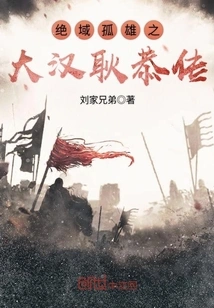
The story of the thirteen warriors of the Eastern Han Dynasty, Geng Gong, who returned to Yumen, is the Chinese version of "Saving the Soldiers", shocking the world, weeping ghosts and gods, with strong bones and heroic spirit. In history, Geng Gong faced a hundred thousand Xiongnu with a weak enemy and a strong force of 2,000. He remained determined and strategized, and held Shuleda for hundreds of days, creating heroic legends one after another. Reading his deeds is exciting and soul-stirring. Yue Fei, the famous general of the Northern Song Dynasty, wrote passionately in "Man Jiang Hong": The ambitious man ate Hun meat when he was hungry, and laughed and drank Hun blood when he was thirsty. This allusion comes from the famous Eastern Han Dynasty general Geng Gong's persistence in Shule. This novel is unique in that it does not describe a complete historical dynasty, nor does it describe a hero's life span, but only from the perspective of a certain historical event to show the spirit of a national hero and the blood and glory of a dynasty.
The story of the thirteen warriors of the Eastern Han Dynasty, Geng Gong, who returned to Yumen, is the Chinese version of "Saving the Soldiers", shocking the world, weeping ghosts and gods, with strong bones and heroic spirit. In history, Geng Gong faced a hundred thousand Xiongnu with a weak enemy and a strong force of 2,000. He remained determined and strategized, and held Shuleda for hundreds of days, creating heroic legends one after another. Reading his deeds is exciting and soul-stirring. Yue Fei, the famous general of the Northern Song Dynasty, wrote passionately in "Man Jiang Hong": The ambitious man ate Hun meat when he was hungry, and laughed and drank Hun blood when he was thirsty. This allusion comes from the famous Eastern Han Dynasty general Geng Gong's persistence in Shule. This novel is unique in that it does not describe a complete historical dynasty, nor does it describe a hero's life span, but only from the perspective of a certain historical event to show the spirit of a national hero and the blood and glory of a dynasty.