Library
Browse and search books
11 novels found
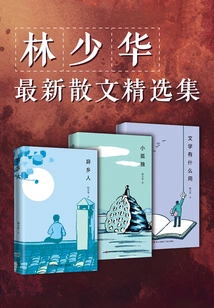
林少华最新散文精选集(共三册)
Lin Shaohua
When we leave our hometown, we are geographically and regionally foreigners; when we go to a foreign country, we are ethnically and nationally foreigners; however, when we return to our homeland, we may be institutionally and spiritually foreigners. As Haruki Murakami said: "No matter where we are, some part of us is a stranger." This overlap and dislocation between hometown and foreign land, hometown people and foreigners, this kind of light and dark zone, may be the place where many of us modern people start...
When we leave our hometown, we are geographically and regionally foreigners; when we go to a foreign country, we are ethnically and nationally foreigners; however, when we return to our homeland, we may be institutionally and spiritually foreigners. As Haruki Murakami said: "No matter where we are, some part of us is a stranger." This overlap and dislocation between hometown and foreign land, hometown people and foreigners, this kind of light and dark zone, may be the place where many of us modern people start...
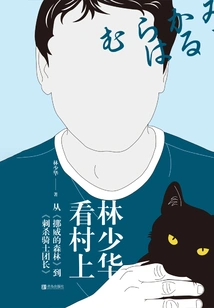
林少华看村上:从《挪威的森林》到《刺杀骑士团长》
Lin Shaohua
This book is generally divided into three categories: novels, short stories and essays, with one review per book in chronological order. From his debut novel "Listen to the Sing of the Wind" to his latest interview "The Owl Takes Off at Dusk", he has reviewed a total of forty-nine books. It not only evaluates the artistic characteristics, spiritual information and spiritual trends embodied or contained in each book and work, but also continuously extracts the author's typical life details and the changing trajectory of his creative thoughts. Reading it vertically, it can be regarded as a biography and creative genealogy of the writer; reading it horizontally, it can be regarded as a relatively independent text interpretation or monograph of the work.
This book is generally divided into three categories: novels, short stories and essays, with one review per book in chronological order. From his debut novel "Listen to the Sing of the Wind" to his latest interview "The Owl Takes Off at Dusk", he has reviewed a total of forty-nine books. It not only evaluates the artistic characteristics, spiritual information and spiritual trends embodied or contained in each book and work, but also continuously extracts the author's typical life details and the changing trajectory of his creative thoughts. Reading it vertically, it can be regarded as a biography and creative genealogy of the writer; reading it horizontally, it can be regarded as a relatively independent text interpretation or monograph of the work.
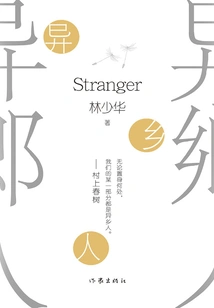
Stranger
Literature异乡人
Lin Shaohua
No matter where we are, some part of us is a foreign country. Who is not a stranger? Maybe you are in a foreign land, homeless; maybe you feel lonely, even if you are among people, strangers in your soul are everywhere. Happiness is actually not far away.
No matter where we are, some part of us is a foreign country. Who is not a stranger? Maybe you are in a foreign land, homeless; maybe you feel lonely, even if you are among people, strangers in your soul are everywhere. Happiness is actually not far away.
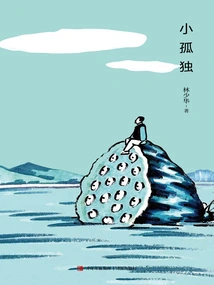
Little Loneliness
Literature小孤独
Lin Shaohua
Compared with the "great loneliness" of Qu Yuan and other ancients who asked questions about the heaven and the earth and worried about the country and the people, our loneliness, especially the loneliness of most city people, seems to be called "little loneliness." It may come from the dilution of individual existence caused by the surging technological wave, it may come from the questioning of personal subjectivity by various surveillance cameras, or it may come from the dissolution of poetic dwelling by materialism and consumerism... Such loneliness seems to be ethereal and always lingering, seems to be irrelevant and sometimes unforgettable, seems to be pretentious yet so real.
Compared with the "great loneliness" of Qu Yuan and other ancients who asked questions about the heaven and the earth and worried about the country and the people, our loneliness, especially the loneliness of most city people, seems to be called "little loneliness." It may come from the dilution of individual existence caused by the surging technological wave, it may come from the questioning of personal subjectivity by various surveillance cameras, or it may come from the dissolution of poetic dwelling by materialism and consumerism... Such loneliness seems to be ethereal and always lingering, seems to be irrelevant and sometimes unforgettable, seems to be pretentious yet so real.
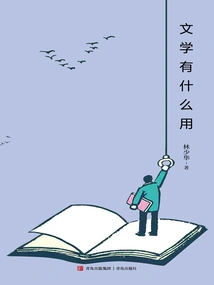
What is the Use of Literature?
Literature文学有什么用
Lin Shaohua
Literature makes the ordinary scenery that can be seen everywhere in our lives have unusual style and heritage, triggers our wonderful feelings and associations, and makes our lives poetic. Compared with those who do not understand literature, people who understand literature have many times richer spiritual lives, many times more delicate spiritual textures, and therefore many times more happiness and joy. Literature exists all the time and everywhere. Literature may seem useless, but in fact it is of great use. Uselessness is of great use!
Literature makes the ordinary scenery that can be seen everywhere in our lives have unusual style and heritage, triggers our wonderful feelings and associations, and makes our lives poetic. Compared with those who do not understand literature, people who understand literature have many times richer spiritual lives, many times more delicate spiritual textures, and therefore many times more happiness and joy. Literature exists all the time and everywhere. Literature may seem useless, but in fact it is of great use. Uselessness is of great use!
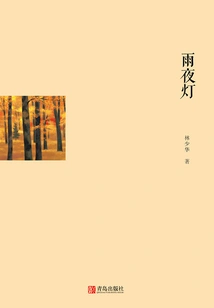
Rainy Night Light
Literature雨夜灯
Lin Shaohua
The yearning for rural life, the nostalgia for the black soil of Northeast China, the lashing of social ugliness, and the praise of righteous behavior in the world! Teacher Lin Shaohua, with his unique style of writing, eulogized the times and publicized the power of human beauty! The winding small river, the blooming morning glories on the fence wall, the old oil lamp burning in the distance in the dark night waiting for the return of family members, simple and warm pictures, awaken and warm the long-lost memories of their hometown in people's hearts.
The yearning for rural life, the nostalgia for the black soil of Northeast China, the lashing of social ugliness, and the praise of righteous behavior in the world! Teacher Lin Shaohua, with his unique style of writing, eulogized the times and publicized the power of human beauty! The winding small river, the blooming morning glories on the fence wall, the old oil lamp burning in the distance in the dark night waiting for the return of family members, simple and warm pictures, awaken and warm the long-lost memories of their hometown in people's hearts.
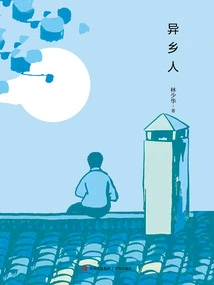
Stranger
Literature异乡人
Lin Shaohua
When we leave our hometown, we are geographically and regionally foreigners; when we go to a foreign country, we are ethnically and nationally foreigners; however, when we return to our homeland, we may be institutionally and spiritually foreigners. As Haruki Murakami said: "No matter where we are, some part of us is a stranger." This overlap and dislocation between hometown and foreign land, hometown people and foreigners, this kind of light and dark zone, may be the place where many of us modern people start...
When we leave our hometown, we are geographically and regionally foreigners; when we go to a foreign country, we are ethnically and nationally foreigners; however, when we return to our homeland, we may be institutionally and spiritually foreigners. As Haruki Murakami said: "No matter where we are, some part of us is a stranger." This overlap and dislocation between hometown and foreign land, hometown people and foreigners, this kind of light and dark zone, may be the place where many of us modern people start...
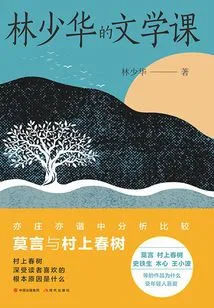
Lin Shaohua's Literature Class
Literature林少华的文学课
Lin Shaohua
This book is a compilation of lectures and speeches given by the author Lin Shaohua in universities, publishing and cultural departments across the country for decades. The author is a university professor, but he has made great achievements in translating Japanese literary works. He has translated and published more than 90 works in total, which is rare in the translation world. On the whole, the manuscript mainly talks about Haruki Murakami, and also touches on Mo Yan, Wang Xiaobo, Mu Xin, Shi Tiesheng, etc. Among them, the comparative analysis of Haruki Murakami and Mo Yan is very interesting. The author's words are very simple, vivid and sincere, and are very stimulating and motivating to young students. This book is a collection of lectures. It is an introduction to the academic experience of the older generation of scholars to young students. It is also the life insights of the older generation of intellectuals. The whole book is full of positive energy.
This book is a compilation of lectures and speeches given by the author Lin Shaohua in universities, publishing and cultural departments across the country for decades. The author is a university professor, but he has made great achievements in translating Japanese literary works. He has translated and published more than 90 works in total, which is rare in the translation world. On the whole, the manuscript mainly talks about Haruki Murakami, and also touches on Mo Yan, Wang Xiaobo, Mu Xin, Shi Tiesheng, etc. Among them, the comparative analysis of Haruki Murakami and Mo Yan is very interesting. The author's words are very simple, vivid and sincere, and are very stimulating and motivating to young students. This book is a collection of lectures. It is an introduction to the academic experience of the older generation of scholars to young students. It is also the life insights of the older generation of intellectuals. The whole book is full of positive energy.
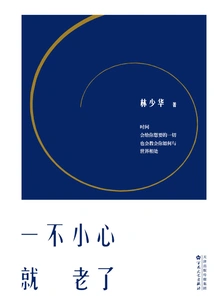
You'll Get Old If You're Not Careful
Literature一不小心就老了
Lin Shaohua
This book is a prose essay by the famous literary translator Lin Shaohua. Different from Lin Shaohua's previous translations, the essays collected this time are all Lin Shaohua's life laments, a collection of his thoughts when he was more than sixty years old. In this book, he recalled his childhood thoughts and hometown, his path to study and his fate with Murakami, from Guangzhou to Qingdao, from Japan to China, from a young boy to a senior translation senior. A lifetime of running around and half a lifetime of exhaustion.
This book is a prose essay by the famous literary translator Lin Shaohua. Different from Lin Shaohua's previous translations, the essays collected this time are all Lin Shaohua's life laments, a collection of his thoughts when he was more than sixty years old. In this book, he recalled his childhood thoughts and hometown, his path to study and his fate with Murakami, from Guangzhou to Qingdao, from Japan to China, from a young boy to a senior translation senior. A lifetime of running around and half a lifetime of exhaustion.
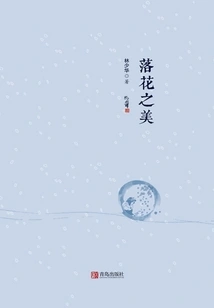
The Beauty of Falling Flowers
Literature落花之美
Lin Shaohua
The full text is mainly divided into five parts. The first part "Where is the hometown" is mainly about the author's attachment to every plant and tree in his hometown and the review of the past years; the second part "As a professor" is mainly about the author's questioning of the current situation and his application to education, which makes the author interrogate the soul of the university and the ethics of professors, calling for compassion and conscience, and calling for cultural nostalgia; the third part is "The Beauty of Falling Flowers" , is the author's insights and thoughts during his stay in Japan, and compares the similarities and differences between Chinese and Japanese cultures; the fourth part is "Happiness in Carvings", the main author's thoughts and insights on translation; the fifth part is "'Murakami Literature in China", which mainly introduces the characteristics of Haruki Murayama's literature, among which the interpretation of Haruki Murakami's texts can allow readers to understand Haruki Murakami's literature more intuitively.
The full text is mainly divided into five parts. The first part "Where is the hometown" is mainly about the author's attachment to every plant and tree in his hometown and the review of the past years; the second part "As a professor" is mainly about the author's questioning of the current situation and his application to education, which makes the author interrogate the soul of the university and the ethics of professors, calling for compassion and conscience, and calling for cultural nostalgia; the third part is "The Beauty of Falling Flowers" , is the author's insights and thoughts during his stay in Japan, and compares the similarities and differences between Chinese and Japanese cultures; the fourth part is "Happiness in Carvings", the main author's thoughts and insights on translation; the fifth part is "'Murakami Literature in China", which mainly introduces the characteristics of Haruki Murayama's literature, among which the interpretation of Haruki Murakami's texts can allow readers to understand Haruki Murakami's literature more intuitively.
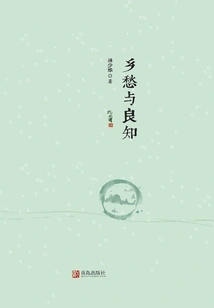
Nostalgia and Conscience
Literature乡愁与良知
Lin Shaohua
"Nostalgia and Conscience" mainly includes the author Lin Shaohua's nostalgia for his hometown and his mother, as well as his conscience as a university professor and translator. The full text is mainly divided into five parts. The first part is "The Anchor of the Soul", which is mainly about the author's longing, nostalgia and longing for every plant and tree in his hometown. The core of nostalgia is the longing for his mother; the second part is "Professor's Ethics", which, when applied to education, makes me question the soul of the university and the ethics of professors; the third part is "The Disappearance of Elegance" , applied to culture, made me regret the end of "Peeping the Sea" and the disappearance of elegance; the fourth part is "The Mayor's Audi", applied to society, making me question the mayor's Audi and the experience of the salamander; the fifth part is "'Linjiapuzi' and Murakami", applied to translation, made me choose Haruki Murakami and his "High Wall and Eggs".
"Nostalgia and Conscience" mainly includes the author Lin Shaohua's nostalgia for his hometown and his mother, as well as his conscience as a university professor and translator. The full text is mainly divided into five parts. The first part is "The Anchor of the Soul", which is mainly about the author's longing, nostalgia and longing for every plant and tree in his hometown. The core of nostalgia is the longing for his mother; the second part is "Professor's Ethics", which, when applied to education, makes me question the soul of the university and the ethics of professors; the third part is "The Disappearance of Elegance" , applied to culture, made me regret the end of "Peeping the Sea" and the disappearance of elegance; the fourth part is "The Mayor's Audi", applied to society, making me question the mayor's Audi and the experience of the salamander; the fifth part is "'Linjiapuzi' and Murakami", applied to translation, made me choose Haruki Murakami and his "High Wall and Eggs".