Library
Browse and search books
41 novels found
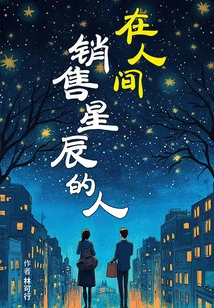
The Man Who Sells Stars in the World: the Counterattack Life of a Rural Youth Who Dropped Out of School
General Fiction在人间销售星辰的人:一个辍学农村青年的逆袭人生
Lin Keke
His academic qualifications remained in the fields, his dream was to climb over the mountains, a record of the class jump of a dropout salesman. A college student in his prime and a young man who dropped out of school due to a failed family education. Although they are very different in quality, they chose their own path to success due to unexpected accidents and mistakes. They both experienced the process of doing business and being a salesman. The two protagonists of this novel have never forgotten their girlfriends during the promotion process. Every Christmas they will go to the place where they broke up due to an accident. After a successful career, he won himself the title of "the greatest salesman in the world" and gained both fame and fortune. Love is a promise in life. They finally met here in the vast sea of people, and the lovers finally got married.
His academic qualifications remained in the fields, his dream was to climb over the mountains, a record of the class jump of a dropout salesman. A college student in his prime and a young man who dropped out of school due to a failed family education. Although they are very different in quality, they chose their own path to success due to unexpected accidents and mistakes. They both experienced the process of doing business and being a salesman. The two protagonists of this novel have never forgotten their girlfriends during the promotion process. Every Christmas they will go to the place where they broke up due to an accident. After a successful career, he won himself the title of "the greatest salesman in the world" and gained both fame and fortune. Love is a promise in life. They finally met here in the vast sea of people, and the lovers finally got married.
穿越崩坏世界自己挖坑自己填
Lin Keke
Come to China Literature's website to read more of my works!
Come to China Literature's website to read more of my works!
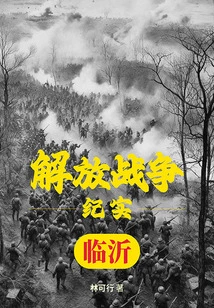
解放战争纪实:解放临沂
Lin Keke
In September 1945, the Eighth Route Army's Binhai District conquered Linyi for the first time and established the capital of Shandong Liberated Area. In February 1947, Huaye voluntarily evacuated in order to implement the "Laiwu Campaign" strategy of luring the enemy. In the same year, it was retaken after the victory in Menglianggu. The city changed hands three times and eventually became a consolidated base, providing troops and material support for the East China Field Army. Chen Yi called it "the heart of the Shandong Liberation War."
In September 1945, the Eighth Route Army's Binhai District conquered Linyi for the first time and established the capital of Shandong Liberated Area. In February 1947, Huaye voluntarily evacuated in order to implement the "Laiwu Campaign" strategy of luring the enemy. In the same year, it was retaken after the victory in Menglianggu. The city changed hands three times and eventually became a consolidated base, providing troops and material support for the East China Field Army. Chen Yi called it "the heart of the Shandong Liberation War."
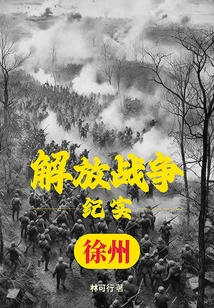
解放战争纪实:解放徐州
Lin Keke
On December 1, 1948, during the second stage of the Huaihai Campaign, Du Yuming's group of the Kuomintang abandoned Xuzhou and fled south. The East China Field Army took advantage of the situation and moved in to liberate this strategic hub of "the thoroughfare to five provinces" without any bloodshed. In this battle, more than 1,700 artillery pieces, 250 tanks and armored vehicles, and a large amount of military supplies were seized, cutting off the land retreat of the largest corps of the national army. The liberation of Xuzhou connected the East China and Central Plains liberated areas, laid the foundation for the encirclement of Du Yuming's group in Chenguanzhuang, and accelerated the victory of the Huaihai Campaign. Mao Zedong praised it as "the master key to the decisive battle on the southern front."
On December 1, 1948, during the second stage of the Huaihai Campaign, Du Yuming's group of the Kuomintang abandoned Xuzhou and fled south. The East China Field Army took advantage of the situation and moved in to liberate this strategic hub of "the thoroughfare to five provinces" without any bloodshed. In this battle, more than 1,700 artillery pieces, 250 tanks and armored vehicles, and a large amount of military supplies were seized, cutting off the land retreat of the largest corps of the national army. The liberation of Xuzhou connected the East China and Central Plains liberated areas, laid the foundation for the encirclement of Du Yuming's group in Chenguanzhuang, and accelerated the victory of the Huaihai Campaign. Mao Zedong praised it as "the master key to the decisive battle on the southern front."
解放战争纪实:解放长沙
Lin Keke
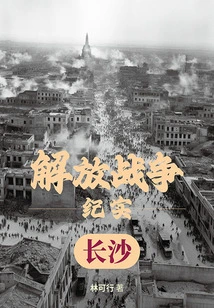
In August 1949, Kuomintang Hunan Provincial Chairman Cheng Qian and First Corps Commander Chen Mingren led an uprising of 77,000 people. On August 5, the People's Liberation Army peacefully entered Changsha. This move will avoid the thousand-year-old war in the ancient city, preserve cultural heritage such as Yuelu Academy and Tianxin Pavilion, and accelerate the liberation of Hunan as a whole. The Changsha Uprising shattered Bai Chongxi's "Hunan-Kiangxi Defense Line" and caused the remaining enemies in central China to flee south to Guangxi and Guangxi. It laid the foundation for the Hengbao Battle to annihilate the main force of the Guangxi clique. Mao Zedong praised it as "producing a demonstration effect on the liberation of the southwest" and became a key turning point in the strategic pursuit phase of the Liberation War.
In August 1949, Kuomintang Hunan Provincial Chairman Cheng Qian and First Corps Commander Chen Mingren led an uprising of 77,000 people. On August 5, the People's Liberation Army peacefully entered Changsha. This move will avoid the thousand-year-old war in the ancient city, preserve cultural heritage such as Yuelu Academy and Tianxin Pavilion, and accelerate the liberation of Hunan as a whole. The Changsha Uprising shattered Bai Chongxi's "Hunan-Kiangxi Defense Line" and caused the remaining enemies in central China to flee south to Guangxi and Guangxi. It laid the foundation for the Hengbao Battle to annihilate the main force of the Guangxi clique. Mao Zedong praised it as "producing a demonstration effect on the liberation of the southwest" and became a key turning point in the strategic pursuit phase of the Liberation War.
解放战争纪实:解放南京
Lin Keke
On April 23, 1949, the 35th Army of the Third Field Army broke through the Yangtze River defense line in a cross-river battle and liberated Nanjing without any blood. The Kuomintang defenders abandoned the city and fled. The People's Liberation Army occupied the presidential palace at midnight and lowered the blue sky and white sun flag, ending the 22-year rule of the Kuomintang. The thousand-year-old ancient capital was completely restored, and monuments such as Sun Yat-sen Mausoleum and the Forbidden City of the Ming Dynasty remained intact. This battle marked the collapse of the ruling center of the Nationalist Government. Mao Zedong's poem "Zhongshan turned yellow from the storm, and millions of troops crossed the river" announced the beginning of a new era in Chinese history.
On April 23, 1949, the 35th Army of the Third Field Army broke through the Yangtze River defense line in a cross-river battle and liberated Nanjing without any blood. The Kuomintang defenders abandoned the city and fled. The People's Liberation Army occupied the presidential palace at midnight and lowered the blue sky and white sun flag, ending the 22-year rule of the Kuomintang. The thousand-year-old ancient capital was completely restored, and monuments such as Sun Yat-sen Mausoleum and the Forbidden City of the Ming Dynasty remained intact. This battle marked the collapse of the ruling center of the Nationalist Government. Mao Zedong's poem "Zhongshan turned yellow from the storm, and millions of troops crossed the river" announced the beginning of a new era in Chinese history.
解放战争纪实:解放上海
Lin Keke
In May 1949, the Third Field Army launched the Battle of Shanghai. Chen Yi and Su Yu commanded an army of 300,000 people to adopt the tactics of "shooting rats in a china shop": heavy artillery was banned in urban operations and they fought street by street. After 15 days and nights of bloody fighting (May 12-27), 153,000 enemy defenders were annihilated and core facilities such as the Bund and the power plant were preserved. Liberation was announced on May 27, and citizens opened their windows early in the morning to see PLA soldiers sleeping on the streets. This battle created an example of "complete military and political victory" - zero damage to the city, uninterrupted water and electricity, and complete recovery of the financial system. It marked the return of China's largest economic center to the people and set a benchmark for the Communist Party to take over large cities.
In May 1949, the Third Field Army launched the Battle of Shanghai. Chen Yi and Su Yu commanded an army of 300,000 people to adopt the tactics of "shooting rats in a china shop": heavy artillery was banned in urban operations and they fought street by street. After 15 days and nights of bloody fighting (May 12-27), 153,000 enemy defenders were annihilated and core facilities such as the Bund and the power plant were preserved. Liberation was announced on May 27, and citizens opened their windows early in the morning to see PLA soldiers sleeping on the streets. This battle created an example of "complete military and political victory" - zero damage to the city, uninterrupted water and electricity, and complete recovery of the financial system. It marked the return of China's largest economic center to the people and set a benchmark for the Communist Party to take over large cities.
解放战争纪实:解放常州
Lin Keke
On April 23, 1949, on the eastern battlefield of the Battle of Crossing the River, the 10th Corps of the Third Field Army (Ye Fei's Department) pursued the retreating Kuomintang army and liberated Changzhou without a single blow. This battle cut off the Shanghai-Nanjing Railway and formed a coordination with the liberation of Nanjing, encircling more than 50,000 enemies who fled south. Changzhou, as an important industrial and commercial town in southern Jiangsu, was peacefully taken over, with its factories and historic sites well preserved, providing a logistical fulcrum for the subsequent Shanghai Campaign, marking the successful advancement of the second phase of the Beijing-Shanghai-Hangzhou Campaign.
On April 23, 1949, on the eastern battlefield of the Battle of Crossing the River, the 10th Corps of the Third Field Army (Ye Fei's Department) pursued the retreating Kuomintang army and liberated Changzhou without a single blow. This battle cut off the Shanghai-Nanjing Railway and formed a coordination with the liberation of Nanjing, encircling more than 50,000 enemies who fled south. Changzhou, as an important industrial and commercial town in southern Jiangsu, was peacefully taken over, with its factories and historic sites well preserved, providing a logistical fulcrum for the subsequent Shanghai Campaign, marking the successful advancement of the second phase of the Beijing-Shanghai-Hangzhou Campaign.
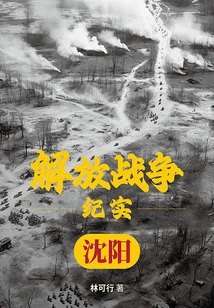
解放战争纪实:解放沈阳
Lin Keke
On November 1, 1948, the Northeast Field Army launched a general offensive to liberate Shenyang. After the fall of Jinzhou and Changchun, the morale of Shenyang's 130,000 defenders collapsed. Encountering only weak resistance, the People's Liberation Army took over the city on November 2, captured Zhou Fucheng and other generals, and wiped out more than 130,000 enemies. This battle ended the Kuomintang's rule in the Northeast, seized a huge amount of military supplies, and became the first decisive regional battle of the Liberation War.
On November 1, 1948, the Northeast Field Army launched a general offensive to liberate Shenyang. After the fall of Jinzhou and Changchun, the morale of Shenyang's 130,000 defenders collapsed. Encountering only weak resistance, the People's Liberation Army took over the city on November 2, captured Zhou Fucheng and other generals, and wiped out more than 130,000 enemies. This battle ended the Kuomintang's rule in the Northeast, seized a huge amount of military supplies, and became the first decisive regional battle of the Liberation War.
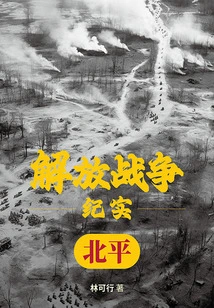
解放战争纪实:解放北平
Lin Keke
In January 1949, the People's Liberation Army approached the walls of Peiping with 900,000 troops, and the Kuomintang guard Fu Zuoyi's 250,000 troops were in dire straits. In order to protect this thousand-year-old cultural capital from war, the Central Committee of the Communist Party of China advocated peaceful liberation. Driven by military deterrence, the underground party instigation of Peking, and the promotion of democrats, Fu Zuoyi finally accepted the peace conditions and signed the "Agreement on the Peaceful Resolution of the Peking Issue" on January 21. Ten days later (January 31), the People's Liberation Army held a city entry ceremony and entered Peiping, achieving liberation without bloodshed. This move enabled the Forbidden City, Summer Palace and other precious heritage to be preserved intact, marking the successful end of the Peking-Tianjin Campaign and setting an example for peaceful liberation across the country.
In January 1949, the People's Liberation Army approached the walls of Peiping with 900,000 troops, and the Kuomintang guard Fu Zuoyi's 250,000 troops were in dire straits. In order to protect this thousand-year-old cultural capital from war, the Central Committee of the Communist Party of China advocated peaceful liberation. Driven by military deterrence, the underground party instigation of Peking, and the promotion of democrats, Fu Zuoyi finally accepted the peace conditions and signed the "Agreement on the Peaceful Resolution of the Peking Issue" on January 21. Ten days later (January 31), the People's Liberation Army held a city entry ceremony and entered Peiping, achieving liberation without bloodshed. This move enabled the Forbidden City, Summer Palace and other precious heritage to be preserved intact, marking the successful end of the Peking-Tianjin Campaign and setting an example for peaceful liberation across the country.
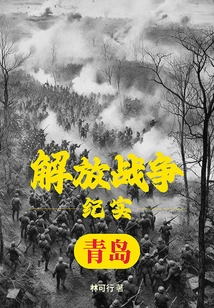
解放战争纪实:解放青岛
Lin Keke
On June 2, 1949, troops from the Shandong Military Region entered Qingdao after a long siege. Previously, U. S. Warships and Kuomintang defenders (Liu Anqi's troops) had evacuated one after another. The People's Liberation Army took over the city without bloodshed and completely took over more than 200 factories and port facilities. This battle ended the colonial traces of the great powers in Qingdao (Germany, Japan, and the United States successively stationed troops), preserved core industries such as textiles and machinery, completed the liberation of Shandong, and provided a strategic pivot for the construction of the East China Navy.
On June 2, 1949, troops from the Shandong Military Region entered Qingdao after a long siege. Previously, U. S. Warships and Kuomintang defenders (Liu Anqi's troops) had evacuated one after another. The People's Liberation Army took over the city without bloodshed and completely took over more than 200 factories and port facilities. This battle ended the colonial traces of the great powers in Qingdao (Germany, Japan, and the United States successively stationed troops), preserved core industries such as textiles and machinery, completed the liberation of Shandong, and provided a strategic pivot for the construction of the East China Navy.
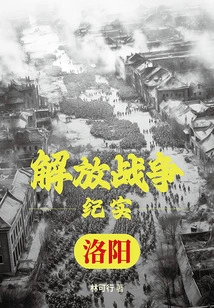
解放战争纪实:解放洛阳
Lin Keke
In March 1948, the East China Field Army and the Shanxi-Hebei-Luyu Field Army launched the Battle of Luoyang. Chen Shiju and Tang Liang commanded 28 regiments to storm Chiang Kai-shek's "key fortification" city. After seven days and nights of bloody battles (March 11-14), they pioneered the People's Liberation Army's infantry and artillery coordinated attack tactics, annihilating more than 20,000 people from the 206th Division of the Youth Army and capturing the division commander Qiu Xingxiang. This battle cut off the Longhai Railway, forcing Hu Lian's regiment to return for reinforcements and cover Liu and Deng's army as they moved to western Henan. Mao Zedong concluded that "by attacking Luoyang, the war situation in the Central Plains suddenly became clear", laying the foundation for the Eastern Henan Campaign.
In March 1948, the East China Field Army and the Shanxi-Hebei-Luyu Field Army launched the Battle of Luoyang. Chen Shiju and Tang Liang commanded 28 regiments to storm Chiang Kai-shek's "key fortification" city. After seven days and nights of bloody battles (March 11-14), they pioneered the People's Liberation Army's infantry and artillery coordinated attack tactics, annihilating more than 20,000 people from the 206th Division of the Youth Army and capturing the division commander Qiu Xingxiang. This battle cut off the Longhai Railway, forcing Hu Lian's regiment to return for reinforcements and cover Liu and Deng's army as they moved to western Henan. Mao Zedong concluded that "by attacking Luoyang, the war situation in the Central Plains suddenly became clear", laying the foundation for the Eastern Henan Campaign.
解放战争纪实:解放成都
Lin Keke
In December 1949, the main force of the Second Field Army and He Long's 18th Corps launched the Chengdu Campaign. Under the command of Liu Bocheng and Deng Xiaoping, three armies surrounded Hu Zongnan's group of 300,000 people. After a fierce battle in Longquan Mountain, they broke through the encirclement. On December 27, they completely wiped out the enemy and captured five regiment commanders. Hu Zongnan took the opportunity to escape. This battle annihilated the last main force of the Chinese army on the mainland, captured more than 200 tanks and armored vehicles, and 11 aircraft, ending the Kuomintang's rule in the southwest. The liberation of Chengdu marked the basic end of the war in mainland China. Mao Zedong called "the last battle on the mainland ended with a complete victory."
In December 1949, the main force of the Second Field Army and He Long's 18th Corps launched the Chengdu Campaign. Under the command of Liu Bocheng and Deng Xiaoping, three armies surrounded Hu Zongnan's group of 300,000 people. After a fierce battle in Longquan Mountain, they broke through the encirclement. On December 27, they completely wiped out the enemy and captured five regiment commanders. Hu Zongnan took the opportunity to escape. This battle annihilated the last main force of the Chinese army on the mainland, captured more than 200 tanks and armored vehicles, and 11 aircraft, ending the Kuomintang's rule in the southwest. The liberation of Chengdu marked the basic end of the war in mainland China. Mao Zedong called "the last battle on the mainland ended with a complete victory."
解放战争纪实:解放石家庄
Lin Keke
In November 1947, the Shanxi-Chahar-Hebei Field Army launched the Battle of Shijiazhuang under the command of Nie Rongzhen. The People's Liberation Army concentrated three columns and pioneered the "tunnel blasting and infantry and artillery coordination" tactics. After six days and nights of attack, they captured Shijiazhuang, the strategic hub of North China, on November 12, wiping out more than 24,000 enemy defenders. This battle was the first time that the People's Liberation Army captured a large city heavily fortified by the National Army, smashing the Kuomintang's attempt to divide the North China Liberated Area and connecting the Shanxi-Chahar-Hebei and Shanxi-Hebei-Shandong-Henan Liberated Areas. Zhu De praised it as "an example of capturing a big city" and accumulated valuable experience for subsequent urban battles.
In November 1947, the Shanxi-Chahar-Hebei Field Army launched the Battle of Shijiazhuang under the command of Nie Rongzhen. The People's Liberation Army concentrated three columns and pioneered the "tunnel blasting and infantry and artillery coordination" tactics. After six days and nights of attack, they captured Shijiazhuang, the strategic hub of North China, on November 12, wiping out more than 24,000 enemy defenders. This battle was the first time that the People's Liberation Army captured a large city heavily fortified by the National Army, smashing the Kuomintang's attempt to divide the North China Liberated Area and connecting the Shanxi-Chahar-Hebei and Shanxi-Hebei-Shandong-Henan Liberated Areas. Zhu De praised it as "an example of capturing a big city" and accumulated valuable experience for subsequent urban battles.
解放战争纪实:解放韶关
Lin Keke
In October 1949, the 15th Corps of the Fourth Field Army launched the Guangdong Campaign. After defeating Bai Chongxi's group at the Battle of Hengbao, Si Ye quickly marched into northern Guangdong and captured Shaoguan, the hub of the Guangdong-Han railway, on October 7. The national army abandoned the city and fled south. This soldier spared no effort to protect the city, seizing 32 locomotives and 17 ordnance warehouses, cutting off the Guangzhou defenders' land retreat. The liberation of Shaoguan opened the door to northern Guangdong, and the main forces of the Four Fields marched along the railway to Guangzhou (liberated on October 14), accelerating the collapse of the Kuomintang regime in South China and laying the foundation for the subsequent Guangxi campaign to annihilate the remnants of Bai Chongxi.
In October 1949, the 15th Corps of the Fourth Field Army launched the Guangdong Campaign. After defeating Bai Chongxi's group at the Battle of Hengbao, Si Ye quickly marched into northern Guangdong and captured Shaoguan, the hub of the Guangdong-Han railway, on October 7. The national army abandoned the city and fled south. This soldier spared no effort to protect the city, seizing 32 locomotives and 17 ordnance warehouses, cutting off the Guangzhou defenders' land retreat. The liberation of Shaoguan opened the door to northern Guangdong, and the main forces of the Four Fields marched along the railway to Guangzhou (liberated on October 14), accelerating the collapse of the Kuomintang regime in South China and laying the foundation for the subsequent Guangxi campaign to annihilate the remnants of Bai Chongxi.
解放战争纪实:解放天津
Lin Keke
In January 1949, the Northeast Field Army launched the Tianjin Campaign with 340,000 troops. Liu Yalou commanded the troops to adopt the tactics of "advance from east to west and cut off from the middle". After 29 hours of fierce attack, on January 15, they completely wiped out 130,000 enemy defenders and captured Chen Changjie, commander of the Tianjin garrison of the National Army. This battle destroyed the fortress-like city defenses carefully constructed by the Kuomintang army. Artillery and tanks were used to break through deep ditches and high fortresses, cutting off the Peiping defenders' sea retreat, and forcing Fu Zuoyi to accept peace negotiations. The liberation of Tianjin became a model for the People's Liberation Army in modernizing cities and laid the foundation for the peaceful liberation of Peiping.
In January 1949, the Northeast Field Army launched the Tianjin Campaign with 340,000 troops. Liu Yalou commanded the troops to adopt the tactics of "advance from east to west and cut off from the middle". After 29 hours of fierce attack, on January 15, they completely wiped out 130,000 enemy defenders and captured Chen Changjie, commander of the Tianjin garrison of the National Army. This battle destroyed the fortress-like city defenses carefully constructed by the Kuomintang army. Artillery and tanks were used to break through deep ditches and high fortresses, cutting off the Peiping defenders' sea retreat, and forcing Fu Zuoyi to accept peace negotiations. The liberation of Tianjin became a model for the People's Liberation Army in modernizing cities and laid the foundation for the peaceful liberation of Peiping.
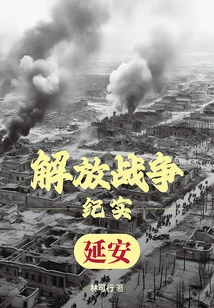
解放战争纪实:解放延安
Lin Keke
In April 1948, after the Northwest Field Army depleted the enemy forces in the Qinghua Bian and Yangma River battles, it took advantage of the victory to pursue the retreating southern Hu Zong. On April 22, the People's Liberation Army recaptured Yan'an without firing a shot, ending the Kuomintang's one-year and one-month occupation of the Northern Shaanxi Liberated Area. Mao Zedong's strategic concept of "exchanging one Yan'an for all of China" was realized, which greatly boosted the morale of the national liberation battlefield.
In April 1948, after the Northwest Field Army depleted the enemy forces in the Qinghua Bian and Yangma River battles, it took advantage of the victory to pursue the retreating southern Hu Zong. On April 22, the People's Liberation Army recaptured Yan'an without firing a shot, ending the Kuomintang's one-year and one-month occupation of the Northern Shaanxi Liberated Area. Mao Zedong's strategic concept of "exchanging one Yan'an for all of China" was realized, which greatly boosted the morale of the national liberation battlefield.
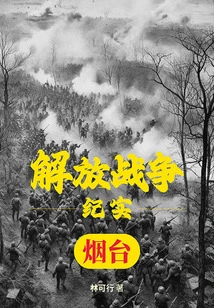
解放战争纪实:解放烟台
Lin Keke
On August 24, 1945, the Jiaodong Eighth Route Army took advantage of the surrender of the Japanese army and stormed Yantai, annihilating more than 5,000 Japanese and puppet troops, becoming the first coastal port city liberated by the CCP. In the autumn of 1947, the Kuomintang troops briefly reoccupied the area. On October 15, 1948, the Shandong Corps was liberated for the second time, wiping out all 8,000 enemy defenders. The city changed hands three times and finally belonged to the people, preserving national industries such as Changyu Winery and Shipyard, and opening up the maritime trade channel in the liberated area. It is known as the "key to the liberation of Jiaodong" and provided a forward base for the liberation of Qingdao in 1949.
On August 24, 1945, the Jiaodong Eighth Route Army took advantage of the surrender of the Japanese army and stormed Yantai, annihilating more than 5,000 Japanese and puppet troops, becoming the first coastal port city liberated by the CCP. In the autumn of 1947, the Kuomintang troops briefly reoccupied the area. On October 15, 1948, the Shandong Corps was liberated for the second time, wiping out all 8,000 enemy defenders. The city changed hands three times and finally belonged to the people, preserving national industries such as Changyu Winery and Shipyard, and opening up the maritime trade channel in the liberated area. It is known as the "key to the liberation of Jiaodong" and provided a forward base for the liberation of Qingdao in 1949.
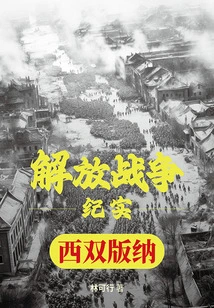
解放战争纪实:解放西双版纳
Lin Keke
In February 1950, the 13th Corps of the Second Field Army pursued the remnants of the defeated Kuomintang 8th Army and advanced into southern Yunnan in two ways. With the cooperation of the Dai militia, they liberated Che (today's Jinghong) on February 17 and took control of Menghai and Mengla on the 19th, ending the Kuomintang's rule over the southern Yunnan frontier. In this battle, 1,200 enemies were wiped out, cultural heritage such as Dai Buddhist temples and tea mountains were preserved, and the China-Myanmar border was opened. The liberation of Xishuangbanna marked the recovery of the entire territory of Yunnan, laid the foundation for the People's Liberation Army to establish a forward base for entering Tibet, and created a model of "national unity to liberate the frontier".
In February 1950, the 13th Corps of the Second Field Army pursued the remnants of the defeated Kuomintang 8th Army and advanced into southern Yunnan in two ways. With the cooperation of the Dai militia, they liberated Che (today's Jinghong) on February 17 and took control of Menghai and Mengla on the 19th, ending the Kuomintang's rule over the southern Yunnan frontier. In this battle, 1,200 enemies were wiped out, cultural heritage such as Dai Buddhist temples and tea mountains were preserved, and the China-Myanmar border was opened. The liberation of Xishuangbanna marked the recovery of the entire territory of Yunnan, laid the foundation for the People's Liberation Army to establish a forward base for entering Tibet, and created a model of "national unity to liberate the frontier".
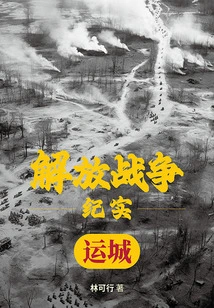
解放战争纪实:解放运城
Lin Keke
In December 1947, troops from the Shanxi-Hebei-Luyu Military Region launched the Battle of Yuncheng under the command of Xu Xiangqian. The People's Liberation Army used tunnel blasting combined with coordinated infantry and artillery tactics. After 19 days and nights of bloody battles, the People's Liberation Army captured the strategic fortress Yuncheng in southern Shanxi on December 28, wiping out more than 13,000 enemy defenders and capturing 112 artillery pieces. This battle was the first example of "civilian work destroying a group of bunkers", destroying the hub of the National Army's Yellow River defense line, opening up the channel between Shanxi, Hebei, Shandong and Henan and the northwest liberated areas, accumulating experience for subsequent offensives in Linfen and Taiyuan, and laying the foundation for the liberation of Shanxi.
In December 1947, troops from the Shanxi-Hebei-Luyu Military Region launched the Battle of Yuncheng under the command of Xu Xiangqian. The People's Liberation Army used tunnel blasting combined with coordinated infantry and artillery tactics. After 19 days and nights of bloody battles, the People's Liberation Army captured the strategic fortress Yuncheng in southern Shanxi on December 28, wiping out more than 13,000 enemy defenders and capturing 112 artillery pieces. This battle was the first example of "civilian work destroying a group of bunkers", destroying the hub of the National Army's Yellow River defense line, opening up the channel between Shanxi, Hebei, Shandong and Henan and the northwest liberated areas, accumulating experience for subsequent offensives in Linfen and Taiyuan, and laying the foundation for the liberation of Shanxi.
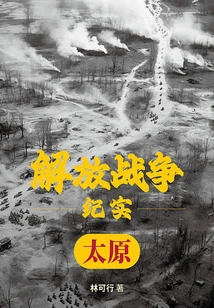
解放战争纪实:解放太原
Lin Keke
In October 1948, the North China Field Army launched the Taiyuan Campaign to attack the "Bunker City" that Yan Xishan had run for 38 years. Xu Xiangqian commanded an army of 200,000. After half a year of bloody battles, he cleared more than a hundred peripheral strongholds. The general offensive was launched on April 24, 1949. It took only 4 hours to break through the city and annihilate all 124,000 enemy defenders, ending Yan Xishan's rule in Shanxi. This battle was the most brutal urban assault in the Liberation War. The People's Liberation Army suffered 45,000 casualties. It destroyed the "model fortress" of the National Army, uprooted the last anti-communist bastion in North China, and laid the foundation for the liberation of the northwest battlefield.
In October 1948, the North China Field Army launched the Taiyuan Campaign to attack the "Bunker City" that Yan Xishan had run for 38 years. Xu Xiangqian commanded an army of 200,000. After half a year of bloody battles, he cleared more than a hundred peripheral strongholds. The general offensive was launched on April 24, 1949. It took only 4 hours to break through the city and annihilate all 124,000 enemy defenders, ending Yan Xishan's rule in Shanxi. This battle was the most brutal urban assault in the Liberation War. The People's Liberation Army suffered 45,000 casualties. It destroyed the "model fortress" of the National Army, uprooted the last anti-communist bastion in North China, and laid the foundation for the liberation of the northwest battlefield.
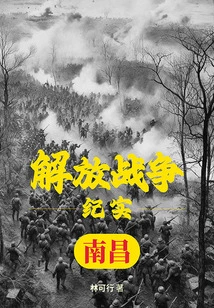
解放战争纪实:解放南昌
Lin Keke
In May 1949, the 15th Corps of the Fourth Field Army (Deng Hua's Department) launched a pursuit on the Ganjiang River. The Kuomintang Xiawei Corps, which fled south after the Battle of Crossing the River, abandoned Nanchang. On May 22, the 43rd Army of the People's Liberation Army entered this "hero city" without bloodshed. This campaign cut off the Zhejiang-Jiangxi Railway, isolated the Bai Chongxi Group in Central China, and protected revolutionary relics such as the August 1st Uprising Memorial Hall. The liberation of Nanchang connected the liberated areas of East China and South China, clearing obstacles for the advance into Guangdong, and marked a key node in the deepening advancement of the Liberation War.
In May 1949, the 15th Corps of the Fourth Field Army (Deng Hua's Department) launched a pursuit on the Ganjiang River. The Kuomintang Xiawei Corps, which fled south after the Battle of Crossing the River, abandoned Nanchang. On May 22, the 43rd Army of the People's Liberation Army entered this "hero city" without bloodshed. This campaign cut off the Zhejiang-Jiangxi Railway, isolated the Bai Chongxi Group in Central China, and protected revolutionary relics such as the August 1st Uprising Memorial Hall. The liberation of Nanchang connected the liberated areas of East China and South China, clearing obstacles for the advance into Guangdong, and marked a key node in the deepening advancement of the Liberation War.
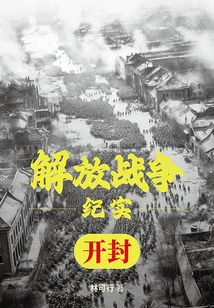
解放战争纪实:解放开封
Lin Keke
In June 1948, the East China Field Army launched the first phase of the East Henan Campaign. Su Yu commanded the 3rd and 8th columns to storm Kaifeng, the capital of Henan Province. After five days and nights of bloody battles (June 17-22), he annihilated 39,000 enemies and captured provincial chairman Liu Maoen (who attempted to abscond in disguise). This battle was the first example of the People's Liberation Army conquering a provincial capital city. However, due to strategic needs, it voluntarily evacuated on June 26 to lure the enemy. The second liberation on October 24 completely ended the core of the Kuomintang's rule in the Central Plains. Mao Zedong's congratulatory message said that "the victory of Kaifeng will revive the whole Central Plains", opening the door for the decisive battle at Huaihai.
In June 1948, the East China Field Army launched the first phase of the East Henan Campaign. Su Yu commanded the 3rd and 8th columns to storm Kaifeng, the capital of Henan Province. After five days and nights of bloody battles (June 17-22), he annihilated 39,000 enemies and captured provincial chairman Liu Maoen (who attempted to abscond in disguise). This battle was the first example of the People's Liberation Army conquering a provincial capital city. However, due to strategic needs, it voluntarily evacuated on June 26 to lure the enemy. The second liberation on October 24 completely ended the core of the Kuomintang's rule in the Central Plains. Mao Zedong's congratulatory message said that "the victory of Kaifeng will revive the whole Central Plains", opening the door for the decisive battle at Huaihai.
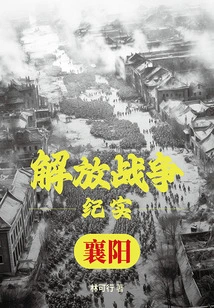
解放战争纪实:解放襄阳
Lin Keke
In July 1948, the 6th column of the Central Plains Field Army attacked northern Hubei. Wang Jinshan commanded the troops to implement the "heart-breaking tactics": Tongbai Military Region forcibly crossed the Han River to cut off the enemy's retreat, and the main force stormed the city wall from three sides. After 14 days and nights of bloody battles (July 2-16), the Ming Dynasty stone wall was blown down and penetrated into the core, 21,000 enemy defenders were wiped out, and the spy leader Kang Ze (commander of the 15th Appeasement District) was captured. This battle pioneered the "abandoning mountains and attacking the city" strategy, preserving Zhongxuan Tower, Green Shadow Wall and other historic sites, controlling the golden waterway in the upper reaches of the Han River, integrating Tongbai with the Jianghan Liberated Area, and opening up the southern gateway for the Huaihai Campaign.
In July 1948, the 6th column of the Central Plains Field Army attacked northern Hubei. Wang Jinshan commanded the troops to implement the "heart-breaking tactics": Tongbai Military Region forcibly crossed the Han River to cut off the enemy's retreat, and the main force stormed the city wall from three sides. After 14 days and nights of bloody battles (July 2-16), the Ming Dynasty stone wall was blown down and penetrated into the core, 21,000 enemy defenders were wiped out, and the spy leader Kang Ze (commander of the 15th Appeasement District) was captured. This battle pioneered the "abandoning mountains and attacking the city" strategy, preserving Zhongxuan Tower, Green Shadow Wall and other historic sites, controlling the golden waterway in the upper reaches of the Han River, integrating Tongbai with the Jianghan Liberated Area, and opening up the southern gateway for the Huaihai Campaign.
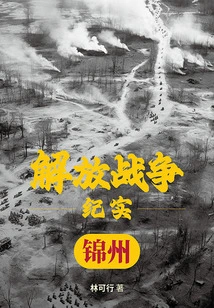
解放战争纪实:解放锦州
Lin Keke
In October 1948, the Northeast Field Army launched the key battle of the Liaoshen Campaign - the Jinzhou Attack Battle. Lin Biao concentrated 250,000 troops and after 31 hours of fierce fighting, on October 15, he captured Jinzhou, which was heavily garrisoned by 100,000 national troops. In this battle, the enemy was completely wiped out, and Fan Hanjie, the deputy commander-in-chief of the "Suppression General" in the Northeast, was captured, completely blocking the Northeast Army's land retreat, and forcing the Changchun defenders to revolt and surrender. The liberation of Jinzhou became a turning point in the Liaoshen Campaign, realizing Mao Zedong's strategy of "closing the door and beating the dogs" and laying the foundation for victory in the liberation of the entire Northeast.
In October 1948, the Northeast Field Army launched the key battle of the Liaoshen Campaign - the Jinzhou Attack Battle. Lin Biao concentrated 250,000 troops and after 31 hours of fierce fighting, on October 15, he captured Jinzhou, which was heavily garrisoned by 100,000 national troops. In this battle, the enemy was completely wiped out, and Fan Hanjie, the deputy commander-in-chief of the "Suppression General" in the Northeast, was captured, completely blocking the Northeast Army's land retreat, and forcing the Changchun defenders to revolt and surrender. The liberation of Jinzhou became a turning point in the Liaoshen Campaign, realizing Mao Zedong's strategy of "closing the door and beating the dogs" and laying the foundation for victory in the liberation of the entire Northeast.
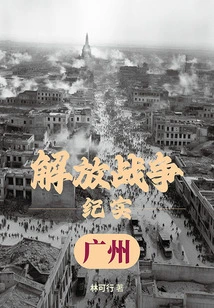
解放战争纪实:解放广州
Lin Keke
In October 1949, the 15th Corps of the Fourth Field Army launched the Guangdong Campaign. After annihilating Bai Chongxi's main force in the Battle of Hengbao, Si Ye quickly advanced southward along the Guangdong-Han Railway and captured Guangzhou, the largest city in South China, at dusk on the 14th. The Yu Hanmou Group of the National Army fled to Hainan, leaving only a small force to blow up the Haizhu Bridge but failed. This battle cut off the Kuomintang's "Hunan-Guangdong defense line" and captured 714 artillery pieces and 67 ships, thus protecting the economic lifeline of the south. The liberation of Guangzhou marked the end of the Nationalist Government's rule on the mainland (Li Zongren fled to Chongqing on October 12) and opened the prelude to the liberation of Hainan and Southwest China.
In October 1949, the 15th Corps of the Fourth Field Army launched the Guangdong Campaign. After annihilating Bai Chongxi's main force in the Battle of Hengbao, Si Ye quickly advanced southward along the Guangdong-Han Railway and captured Guangzhou, the largest city in South China, at dusk on the 14th. The Yu Hanmou Group of the National Army fled to Hainan, leaving only a small force to blow up the Haizhu Bridge but failed. This battle cut off the Kuomintang's "Hunan-Guangdong defense line" and captured 714 artillery pieces and 67 ships, thus protecting the economic lifeline of the south. The liberation of Guangzhou marked the end of the Nationalist Government's rule on the mainland (Li Zongren fled to Chongqing on October 12) and opened the prelude to the liberation of Hainan and Southwest China.
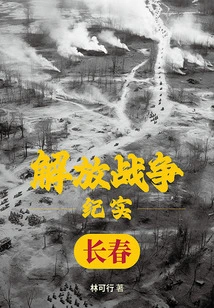
解放战争纪实:解放长春
Lin Keke
In October 1948, the Northeast Field Army implemented a 150-day military siege of Changchun. Through economic blockade and political disintegration, the defenders were forced to divide. On October 17, Zeng Zesheng, commander of the 60th Army, led an uprising of 26,000 troops; on October 19, Zheng Dongguo, deputy commander-in-chief of the Northeast "Suppression General", led the remaining 47,000 troops to surrender. This soldier liberated the first provincial capital city without bloodshed, protected the Manchukuo Imperial Palace, the First Automobile Factory and other facilities, wiped out 96,000 enemies, cut off the Shenyang National Army's escape route to the north, and created a strategic example of "protracted siege and long siege".
In October 1948, the Northeast Field Army implemented a 150-day military siege of Changchun. Through economic blockade and political disintegration, the defenders were forced to divide. On October 17, Zeng Zesheng, commander of the 60th Army, led an uprising of 26,000 troops; on October 19, Zheng Dongguo, deputy commander-in-chief of the Northeast "Suppression General", led the remaining 47,000 troops to surrender. This soldier liberated the first provincial capital city without bloodshed, protected the Manchukuo Imperial Palace, the First Automobile Factory and other facilities, wiped out 96,000 enemies, cut off the Shenyang National Army's escape route to the north, and created a strategic example of "protracted siege and long siege".
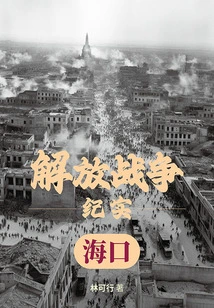
解放战争纪实:解放海口
Lin Keke
In April 1950, the 15th Corps of the Fourth Field Army launched the Hainan Island Campaign. Han Xianchu commanded the 40th Army and the 43rd Army to cross the Qiongzhou Strait with wooden sailing boats, and landed under the support of the Qiongya column. On April 23, the People's Liberation Army launched a three-pronged attack on Haikou, annihilating more than 30,000 enemy troops, and capturing 5 warships and 4 aircraft. This battle shattered the Kuomintang's "Bering Line of Defense", ended Xue Yue's rule over Hainan, and the entire island was liberated on May 1. It was the People's Liberation Army's first successful cross-sea landing and accumulated experience for operations in the Taiwan Strait. Mao Zedong praised it as "the miracle of defeating warships with wooden ships."
In April 1950, the 15th Corps of the Fourth Field Army launched the Hainan Island Campaign. Han Xianchu commanded the 40th Army and the 43rd Army to cross the Qiongzhou Strait with wooden sailing boats, and landed under the support of the Qiongya column. On April 23, the People's Liberation Army launched a three-pronged attack on Haikou, annihilating more than 30,000 enemy troops, and capturing 5 warships and 4 aircraft. This battle shattered the Kuomintang's "Bering Line of Defense", ended Xue Yue's rule over Hainan, and the entire island was liberated on May 1. It was the People's Liberation Army's first successful cross-sea landing and accumulated experience for operations in the Taiwan Strait. Mao Zedong praised it as "the miracle of defeating warships with wooden ships."
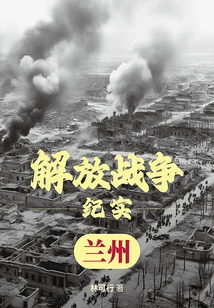
解放战争纪实:解放兰州
Lin Keke
From August 21 to 26, 1949, the First Field Army stormed Lanzhou. After a bloody battle at Shenjialing, they broke through the Ma Jiajun defense line, annihilated 27,000 enemies, and defeated the main force of Qingma. The People's Liberation Army suffered more than 10,000 casualties in this battle, but it destroyed the last fortress of the Chinese army in the northwest and forced Ma Bufang to flee. Xining and Yinchuan were subsequently liberated, clearing the way for the peaceful liberation of Xinjiang and marking the end of the decisive battle in the Northwest.
From August 21 to 26, 1949, the First Field Army stormed Lanzhou. After a bloody battle at Shenjialing, they broke through the Ma Jiajun defense line, annihilated 27,000 enemies, and defeated the main force of Qingma. The People's Liberation Army suffered more than 10,000 casualties in this battle, but it destroyed the last fortress of the Chinese army in the northwest and forced Ma Bufang to flee. Xining and Yinchuan were subsequently liberated, clearing the way for the peaceful liberation of Xinjiang and marking the end of the decisive battle in the Northwest.
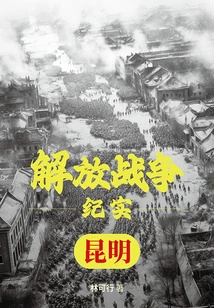
解放战争纪实:解放昆明
Lin Keke
On December 9, 1949, Lu Han, chairman of the Yunnan Province of the Kuomintang, led an uprising and announced the peaceful liberation of Kunming. The Kuomintang's 8th Army and 26th Army counterattacked and attacked the city. The insurgent troops fought bloody battles with the Yunnan-Guangxi-Guizhou border column for six days and nights (the "Kunming Defense Battle") until the leading troops of the Second Field Army rushed to rescue the siege. On February 20, 1950, Chen Geng led the Fourth Corps to hold an entry ceremony and officially took over the important southwest border town. This battle shattered Chiang Kai-shek's "Southwestern Counterattack Base" plan, preserved the thousand-year-old city and the Yunnan-Vietnam Railway hub, and provided strategic support for the liberation of Tibet. It is known in history as "the red flag rolled three times, and the spring city changed to a new sky."
On December 9, 1949, Lu Han, chairman of the Yunnan Province of the Kuomintang, led an uprising and announced the peaceful liberation of Kunming. The Kuomintang's 8th Army and 26th Army counterattacked and attacked the city. The insurgent troops fought bloody battles with the Yunnan-Guangxi-Guizhou border column for six days and nights (the "Kunming Defense Battle") until the leading troops of the Second Field Army rushed to rescue the siege. On February 20, 1950, Chen Geng led the Fourth Corps to hold an entry ceremony and officially took over the important southwest border town. This battle shattered Chiang Kai-shek's "Southwestern Counterattack Base" plan, preserved the thousand-year-old city and the Yunnan-Vietnam Railway hub, and provided strategic support for the liberation of Tibet. It is known in history as "the red flag rolled three times, and the spring city changed to a new sky."
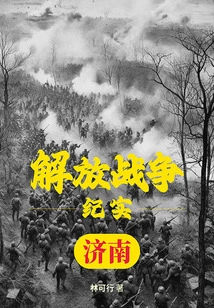
解放战争纪实:解放济南
Lin Keke
In September 1948, the East China Field Army launched the Jinan Campaign, concentrating 140,000 troops to attack the city and 180,000 troops to provide reinforcements. After eight days and nights of bloody fighting, on September 24, they captured the capital of Shandong Province, which was heavily garrisoned by 100,000 national troops, annihilated all the defending enemies (including an uprising of 20,000 people from the Ministry of Culture and Culture of Wu), and captured Wang Yaowu, commander of the Second Appeasement District. This battle was the first example of the People's Liberation Army "capturing a solidly fortified city", destroying the Kuomintang's "key defense" system, connecting the North China and East China liberated areas, and kicking off the strategic decisive battle. Mao Zedong praised it as "the first example of seizing a big city" and laid the foundation for the Huaihai Campaign.
In September 1948, the East China Field Army launched the Jinan Campaign, concentrating 140,000 troops to attack the city and 180,000 troops to provide reinforcements. After eight days and nights of bloody fighting, on September 24, they captured the capital of Shandong Province, which was heavily garrisoned by 100,000 national troops, annihilated all the defending enemies (including an uprising of 20,000 people from the Ministry of Culture and Culture of Wu), and captured Wang Yaowu, commander of the Second Appeasement District. This battle was the first example of the People's Liberation Army "capturing a solidly fortified city", destroying the Kuomintang's "key defense" system, connecting the North China and East China liberated areas, and kicking off the strategic decisive battle. Mao Zedong praised it as "the first example of seizing a big city" and laid the foundation for the Huaihai Campaign.
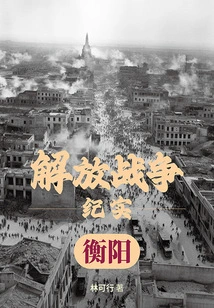
解放战争纪实:解放衡阳
Lin Keke
In October 1949, the Fourth Field Army launched the Battle of Hengbao, targeting Hengyang, the core of Bai Chongxi's "Hunan-Guangdong Defense Line". Lin Biao made a three-pronged advance with an army of 450,000, and completed the strategic encirclement on October 8, annihilating all 47,000 troops including the elite 7th Army of the Guangxi Clan, and liberating Hengyang. This battle was the first example of the "big roundabout and big encirclement" tactic, which shattered the Kuomintang army's "Southwestern Joint Defense" plan and captured 402 artillery pieces and 176 cars. The liberation of Hengyang caused the remaining enemies in central China to collapse, clearing the way for the liberation of Guangzhou two weeks later. Mao Zedong telegraphed the commendation: "If you break through one point, the whole situation will be alive."
In October 1949, the Fourth Field Army launched the Battle of Hengbao, targeting Hengyang, the core of Bai Chongxi's "Hunan-Guangdong Defense Line". Lin Biao made a three-pronged advance with an army of 450,000, and completed the strategic encirclement on October 8, annihilating all 47,000 troops including the elite 7th Army of the Guangxi Clan, and liberating Hengyang. This battle was the first example of the "big roundabout and big encirclement" tactic, which shattered the Kuomintang army's "Southwestern Joint Defense" plan and captured 402 artillery pieces and 176 cars. The liberation of Hengyang caused the remaining enemies in central China to collapse, clearing the way for the liberation of Guangzhou two weeks later. Mao Zedong telegraphed the commendation: "If you break through one point, the whole situation will be alive."
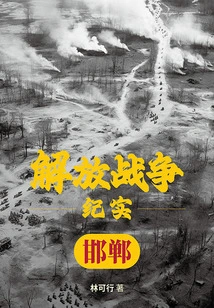
解放战争纪实:解放邯郸
Lin Keke
In October 1945, the Shanxi-Hebei-Shandong-Henan Field Army launched the Handan Campaign (Ping-Han Campaign) under the command of Liu Bocheng and Deng Xiaoping. Facing the three Kuomintang armies advancing north along the Ping-Han Railway, the People's Liberation Army lured the enemy deep and set up an ambush south of Handan. After ten days of fierce fighting, more than 15,000 enemy troops were wiped out, prompting Gao Shuxun, deputy commander of the 11th Theater Command of the National Army, to lead an uprising of 10,000 troops on the battlefield. This battle shattered the Kuomintang's strategic attempt to open up transportation lines in North China, consolidated the core of the Shanxi-Hebei-Shandong-Henan liberated area, and won the key initiative for the CCP's strategic deployment in North China. It was hailed as "the first self-defense counterattack victory after the victory of the Anti-Japanese War."
In October 1945, the Shanxi-Hebei-Shandong-Henan Field Army launched the Handan Campaign (Ping-Han Campaign) under the command of Liu Bocheng and Deng Xiaoping. Facing the three Kuomintang armies advancing north along the Ping-Han Railway, the People's Liberation Army lured the enemy deep and set up an ambush south of Handan. After ten days of fierce fighting, more than 15,000 enemy troops were wiped out, prompting Gao Shuxun, deputy commander of the 11th Theater Command of the National Army, to lead an uprising of 10,000 troops on the battlefield. This battle shattered the Kuomintang's strategic attempt to open up transportation lines in North China, consolidated the core of the Shanxi-Hebei-Shandong-Henan liberated area, and won the key initiative for the CCP's strategic deployment in North China. It was hailed as "the first self-defense counterattack victory after the victory of the Anti-Japanese War."
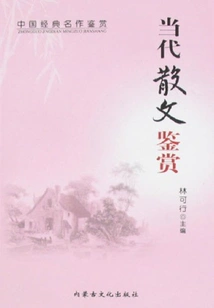
Contemporary Prose Appreciation
Literature当代散文鉴赏
Lin Keke
Prose has neither the musical rhythm of poetry, nor the plot of a novel, nor the intense character conflict of drama. In short, from form to content, prose does seem a bit too ordinary. However, people read poems, novels, and dramas with enthusiasm... And appreciate prose with the same enthusiasm! What is the charm of prose? And what path should we follow to find hidden places? This book contains many excellent prose works by contemporary famous writers, including the infinite love for nature, the infinite affection for relatives, and various insights into life. Experts and famous writers will analyze it for you and guide you to appreciate each piece of prose, allowing you to experience the charm and meaning of the article more deeply.
Prose has neither the musical rhythm of poetry, nor the plot of a novel, nor the intense character conflict of drama. In short, from form to content, prose does seem a bit too ordinary. However, people read poems, novels, and dramas with enthusiasm... And appreciate prose with the same enthusiasm! What is the charm of prose? And what path should we follow to find hidden places? This book contains many excellent prose works by contemporary famous writers, including the infinite love for nature, the infinite affection for relatives, and various insights into life. Experts and famous writers will analyze it for you and guide you to appreciate each piece of prose, allowing you to experience the charm and meaning of the article more deeply.
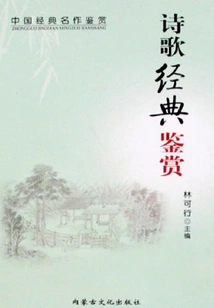
诗歌经典鉴赏(中国经典名作鉴赏系列)
Lin Keke
Poetry is an integral part of literature. Poetry was popular in the Tang and Song Dynasties, while modern poetry began to develop with the rise of vernacular. Poetry is not as delicate and indifferent as prose, nor does it have the ups and downs of novels, but it contains the richest emotions in the most concise language. The poetic environment is full of bold imagination, the poetry has a distant meaning, and it is also ethereal and strives to avoid reality and give way to the imaginary. The text is beautiful and rhythmic, often giving people the aesthetic feeling of "the moon in the water, the flower in the mirror". So how should we interpret this poem that is both real and illusory, and seems both far and near? Now let us follow the editor and enter the art hall of poetry appreciation...
Poetry is an integral part of literature. Poetry was popular in the Tang and Song Dynasties, while modern poetry began to develop with the rise of vernacular. Poetry is not as delicate and indifferent as prose, nor does it have the ups and downs of novels, but it contains the richest emotions in the most concise language. The poetic environment is full of bold imagination, the poetry has a distant meaning, and it is also ethereal and strives to avoid reality and give way to the imaginary. The text is beautiful and rhythmic, often giving people the aesthetic feeling of "the moon in the water, the flower in the mirror". So how should we interpret this poem that is both real and illusory, and seems both far and near? Now let us follow the editor and enter the art hall of poetry appreciation...
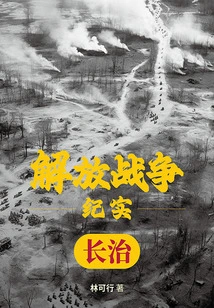
解放战争纪实:解放长治
Lin Keke
In October 1945, the Shanxi-Hebei-Luyu Military Region launched the Shangdang Campaign to liberate Changzhi. Liu and Deng's army used the tactic of "siege the city and fight for reinforcements", first annihilating Yan Xishan's 20,000 reinforcements, and then broke through Changzhi City, wiping out all 17,000 enemy defenders. This battle shattered the national army's plan to advance north, annihilating a total of 35,000 enemies, directly supporting the Chongqing negotiations, forcing Chiang Kai-shek to sign the "Double Ten Agreement", and started the first strategic defense victory in the Liberation War.
In October 1945, the Shanxi-Hebei-Luyu Military Region launched the Shangdang Campaign to liberate Changzhi. Liu and Deng's army used the tactic of "siege the city and fight for reinforcements", first annihilating Yan Xishan's 20,000 reinforcements, and then broke through Changzhi City, wiping out all 17,000 enemy defenders. This battle shattered the national army's plan to advance north, annihilating a total of 35,000 enemies, directly supporting the Chongqing negotiations, forcing Chiang Kai-shek to sign the "Double Ten Agreement", and started the first strategic defense victory in the Liberation War.
解放战争纪实:解放莱芜
Lin Keke
In February 1947, the East China Field Army launched the Laiwu Campaign under the command of Chen Yi and Su Yu. Adopting the tactic of "luring the enemy deep", he took the initiative to abandon Linyi and induced three armies (56,000 people) of the Kuomintang Li Xianzhou Group to march north to Laiwu. From February 20 to 23, the People's Liberation Army used the "Encirclement Three Ques One" strategy to ambush the enemy who broke through, annihilated the group in the mountainous area north of Laiwu, and captured Li Xianzhou, deputy commander of the Second Appeasement District. This battle shattered the Kuomintang's "North-South Pincer Attack" plan and set a record for the People's Liberation Army to wipe out five entire enemy divisions in a single battle, making the Shandong battlefield easier to attack and defend.
In February 1947, the East China Field Army launched the Laiwu Campaign under the command of Chen Yi and Su Yu. Adopting the tactic of "luring the enemy deep", he took the initiative to abandon Linyi and induced three armies (56,000 people) of the Kuomintang Li Xianzhou Group to march north to Laiwu. From February 20 to 23, the People's Liberation Army used the "Encirclement Three Ques One" strategy to ambush the enemy who broke through, annihilated the group in the mountainous area north of Laiwu, and captured Li Xianzhou, deputy commander of the Second Appeasement District. This battle shattered the Kuomintang's "North-South Pincer Attack" plan and set a record for the People's Liberation Army to wipe out five entire enemy divisions in a single battle, making the Shandong battlefield easier to attack and defend.
Liberate Fushun
Military解放抚顺
Lin Keke
On October 31, 1948, the 10th Independent Division of the Northeast Field Army rushed into Fushun at the end of the Liaoshen Campaign. One regiment of the 207th Division of the Kuomintang Youth Army that defended the enemy abandoned the city and fled, and the People's Liberation Army took over the "coal capital" without bloodshed. Asia's largest open-pit coal mine, special steel plant and power plant were completely taken over, and more than 2,000 machine tools and 40 locomotives were seized. This battle cut off the energy lifeline of the national army in Shenyang, and Shenyang was liberated three hours later (14:00 on the same day). The zero-loss transfer of Fushun's industrial system provided core support for ordnance production in the late stages of the Liberation War and laid the foundation for New China's heavy industry.
On October 31, 1948, the 10th Independent Division of the Northeast Field Army rushed into Fushun at the end of the Liaoshen Campaign. One regiment of the 207th Division of the Kuomintang Youth Army that defended the enemy abandoned the city and fled, and the People's Liberation Army took over the "coal capital" without bloodshed. Asia's largest open-pit coal mine, special steel plant and power plant were completely taken over, and more than 2,000 machine tools and 40 locomotives were seized. This battle cut off the energy lifeline of the national army in Shenyang, and Shenyang was liberated three hours later (14:00 on the same day). The zero-loss transfer of Fushun's industrial system provided core support for ordnance production in the late stages of the Liberation War and laid the foundation for New China's heavy industry.
解放战争纪实:解放四平
Lin Keke
On March 13, 1948, the Northeast Field Army launched the Fourth Siping Battle. Lin Biao concentrated 100,000 troops to storm Chen Mingren's old garrison. After 23 hours of bloody battle, more than 19,000 people from the 71st Army of the Kuomintang and other units were wiped out, ending the two-year "four battles and four draws" tug-of-war. This battle was the first for the People's Liberation Army to use large-scale coordinated infantry and tank siege tactics (30 tanks were invested), which destroyed the national army's "permanent fortification group" and isolated the Changchun and Shenyang defenders. The liberation of Siping marked the change of offensive and defensive positions in the Northeastern battlefield, clearing the way for the decisive battle of Liaoshen three months later. Mao Zedong said that "the North Manchu Corridor will be open from now on."
On March 13, 1948, the Northeast Field Army launched the Fourth Siping Battle. Lin Biao concentrated 100,000 troops to storm Chen Mingren's old garrison. After 23 hours of bloody battle, more than 19,000 people from the 71st Army of the Kuomintang and other units were wiped out, ending the two-year "four battles and four draws" tug-of-war. This battle was the first for the People's Liberation Army to use large-scale coordinated infantry and tank siege tactics (30 tanks were invested), which destroyed the national army's "permanent fortification group" and isolated the Changchun and Shenyang defenders. The liberation of Siping marked the change of offensive and defensive positions in the Northeastern battlefield, clearing the way for the decisive battle of Liaoshen three months later. Mao Zedong said that "the North Manchu Corridor will be open from now on."
解放战争纪实:解放康定
Lin Keke
On March 24, 1950, the 62nd Army of the People's Liberation Army peacefully entered Kangding, ending the Kuomintang's rule over Xikang. On the basis of Liu Wenhui's uprising, the Tibetan-Han hub was conquered without a fight, and the people offered khatas to welcome them. This campaign accelerated the liberation of the entire territory of Xikang and opened up the main route to Tibet, becoming a successful practice of the Chinese Communist Party's ethnic policy in the border areas.
On March 24, 1950, the 62nd Army of the People's Liberation Army peacefully entered Kangding, ending the Kuomintang's rule over Xikang. On the basis of Liu Wenhui's uprising, the Tibetan-Han hub was conquered without a fight, and the people offered khatas to welcome them. This campaign accelerated the liberation of the entire territory of Xikang and opened up the main route to Tibet, becoming a successful practice of the Chinese Communist Party's ethnic policy in the border areas.

Illusion Limit
General Fiction幻象大限
Lin Keke
When I was a child, I knew that I was born into a big family, and the women in our family were the most outstanding, so that people for hundreds of miles and many generations could remember their names and past events. I was about five or six years old when I started to remember. My family was controlled by the second uncle, and my father was not very powerful as a son-in-law. As a foreigner of the Zhong family, I received a special kind of training. I rarely see my father. As for my mother, I heard from an old servant that she passed away the second day after I was born. My mother and I are of the same zodiac sign, and my fate is so hard that it conflicts with my mother. It is precisely for this reason that people in the clan are always worried when they see me, and because I occupy the position of mother, I have a guarantee. No matter whether I am in the old home or the new home, I am not afraid of anyone making unreasonable accusations against me. You must hope that I can tell everyone what is going on here in just a few words...
When I was a child, I knew that I was born into a big family, and the women in our family were the most outstanding, so that people for hundreds of miles and many generations could remember their names and past events. I was about five or six years old when I started to remember. My family was controlled by the second uncle, and my father was not very powerful as a son-in-law. As a foreigner of the Zhong family, I received a special kind of training. I rarely see my father. As for my mother, I heard from an old servant that she passed away the second day after I was born. My mother and I are of the same zodiac sign, and my fate is so hard that it conflicts with my mother. It is precisely for this reason that people in the clan are always worried when they see me, and because I occupy the position of mother, I have a guarantee. No matter whether I am in the old home or the new home, I am not afraid of anyone making unreasonable accusations against me. You must hope that I can tell everyone what is going on here in just a few words...