Library
Browse and search books
2 novels found
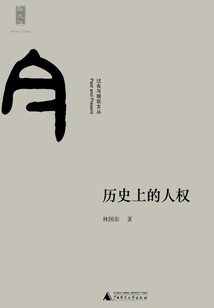
Human Rights in History
History历史上的人权
Lin Guorong
Telling the history of human rights is not an easy task, which makes Lam Kok Wing's "Human Rights in History" a very valuable book. The author tells the history of human rights from the formation process of human rights rather than from the emergence and changes of the concept of human rights. "Human rights stories" and "human rights theories" each perform their own duties. From the birth of the first British "Bill of Rights" to the declaration of the "Declaration of Human Rights" after the French Revolution, and then to the liberation and human rights struggle in Germany, the author gives a personalized account of the history of human rights struggles from the 17th to the 19th century, sorting out the emergence and development of human rights theory, and thinking and analyzing it theoretically.
Telling the history of human rights is not an easy task, which makes Lam Kok Wing's "Human Rights in History" a very valuable book. The author tells the history of human rights from the formation process of human rights rather than from the emergence and changes of the concept of human rights. "Human rights stories" and "human rights theories" each perform their own duties. From the birth of the first British "Bill of Rights" to the declaration of the "Declaration of Human Rights" after the French Revolution, and then to the liberation and human rights struggle in Germany, the author gives a personalized account of the history of human rights struggles from the 17th to the 19th century, sorting out the emergence and development of human rights theory, and thinking and analyzing it theoretically.
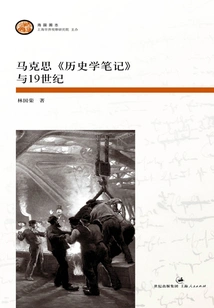
马克思《历史学笔记》与19世纪(海国图志)
Lin Guorong
The direct combination of knowledge and power was the zeitgeist developed in the 19th century. In Europe in the mid-to-late 19th century, the basic consciousness of the mainstream historical tradition all revealed some kind of progress theory appeal. However, Marx's "Historical Notes" denied any universal intention and only highlighted the violent collision of accidental events in time and space, becoming a clear counter-trend. The author of this book takes the major epistemological and methodological changes in the European historical tradition in the mid-to-late 19th century as the axis to explore the spirit of the times and the political-historical-economic background from which Marx's "Historical Notes" originated. By comparing and contrasting the worldview and historical research methods of different trends at that time, "Historical Notes" was positioned in the European historiographic tradition in the mid-to-late 19th century.
The direct combination of knowledge and power was the zeitgeist developed in the 19th century. In Europe in the mid-to-late 19th century, the basic consciousness of the mainstream historical tradition all revealed some kind of progress theory appeal. However, Marx's "Historical Notes" denied any universal intention and only highlighted the violent collision of accidental events in time and space, becoming a clear counter-trend. The author of this book takes the major epistemological and methodological changes in the European historical tradition in the mid-to-late 19th century as the axis to explore the spirit of the times and the political-historical-economic background from which Marx's "Historical Notes" originated. By comparing and contrasting the worldview and historical research methods of different trends at that time, "Historical Notes" was positioned in the European historiographic tradition in the mid-to-late 19th century.