Library
Browse and search books
3 novels found
Akrozhe
General Fiction阿克洛哲
Licheng
How funny. A person who wants to be a doctor has a stack of papyrus in front of him. What he is eager to try is not to take medicine according to the prescription, but to write a composition. This paper is also not suitable for my pens. It is called horse manure paper in the mainland and can be seen everywhere on drug store counters. Straight and vertical wheat straws protrude from the paper, making the strokes inconsistent and the pen tip split. Look, it's still smeared with ink, and when it smears, it becomes a puddle, spreading like a dark cloud. Akrozhe brought this when he passed through Kham last year. Akrozhe said, don't look down on it, it is a rare thing here. Akrozhe himself also writes on this kind of paper. He held a duck-bill-shaped bamboo pen cut from bamboo slices, dipped it in ink made from tobacco ink, and wrote some beautiful long-legged Tibetan characters.
How funny. A person who wants to be a doctor has a stack of papyrus in front of him. What he is eager to try is not to take medicine according to the prescription, but to write a composition. This paper is also not suitable for my pens. It is called horse manure paper in the mainland and can be seen everywhere on drug store counters. Straight and vertical wheat straws protrude from the paper, making the strokes inconsistent and the pen tip split. Look, it's still smeared with ink, and when it smears, it becomes a puddle, spreading like a dark cloud. Akrozhe brought this when he passed through Kham last year. Akrozhe said, don't look down on it, it is a rare thing here. Akrozhe himself also writes on this kind of paper. He held a duck-bill-shaped bamboo pen cut from bamboo slices, dipped it in ink made from tobacco ink, and wrote some beautiful long-legged Tibetan characters.
The Last Terma
General Fiction最后的伏藏
Licheng
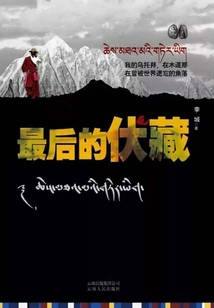
"The Last Terma" is a story that took place on the edge of Qinghai, Gansu and Sichuan in the 18th year of the Republic of China. A secret village called Mu Da Na was a refuge for horse thieves, beggars and lepers, gathering all kinds of exiles. All wanderers form a special big family, dedicated to creating a utopian home of equality and freedom. These texts describe the living conditions of the exile community in the past years, as well as the Tibetan people's unique understanding of the world and life. The traditional customs of different ethnic groups are fully demonstrated in the conflict and integration. They also record the process of a nomadic tribe with a long history from strength to decline.
"The Last Terma" is a story that took place on the edge of Qinghai, Gansu and Sichuan in the 18th year of the Republic of China. A secret village called Mu Da Na was a refuge for horse thieves, beggars and lepers, gathering all kinds of exiles. All wanderers form a special big family, dedicated to creating a utopian home of equality and freedom. These texts describe the living conditions of the exile community in the past years, as well as the Tibetan people's unique understanding of the world and life. The traditional customs of different ethnic groups are fully demonstrated in the conflict and integration. They also record the process of a nomadic tribe with a long history from strength to decline.
The Secret History of the Tea Horse
General Fiction茶马秘史
Licheng
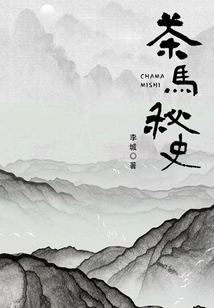
In the early days of the Ming Dynasty, in order to guard Taozhou, the border gateway, and ensure the smooth flow of the ancient tea-horse road in the northwest, the imperial court stationed Jianghuai soldiers who had quelled local wars here, and forcibly moved their wives, children, and family members westward. They fell wood, built houses, and forged swords into plows in the wilderness. They had to support themselves by their own efforts, and they also had to be loyal to their duties to maintain long-term peace and stability in the border areas and the normal progress of the tea-horse trade. Taozhou is a place of farming and nomadic flower arrangements. Willows cling to the east and rain and snow fall in the west. The left hand harvests highland barley and the right hand makes cheese for food. People from the land of plenty sing the sad "Tuen Tian Song" while devoting themselves to the arduous life of garrison without hesitation. , They eventually had to take root and become western farmers with dark faces and rough voices... The novel uses the fate of the Taozhou woman "Ma Niangniang" as a clue to reproduce the hidden history of the Ming Dynasty's immigration to farm fields in the western border and the implementation of the tea-horse gold medal system.
In the early days of the Ming Dynasty, in order to guard Taozhou, the border gateway, and ensure the smooth flow of the ancient tea-horse road in the northwest, the imperial court stationed Jianghuai soldiers who had quelled local wars here, and forcibly moved their wives, children, and family members westward. They fell wood, built houses, and forged swords into plows in the wilderness. They had to support themselves by their own efforts, and they also had to be loyal to their duties to maintain long-term peace and stability in the border areas and the normal progress of the tea-horse trade. Taozhou is a place of farming and nomadic flower arrangements. Willows cling to the east and rain and snow fall in the west. The left hand harvests highland barley and the right hand makes cheese for food. People from the land of plenty sing the sad "Tuen Tian Song" while devoting themselves to the arduous life of garrison without hesitation. , They eventually had to take root and become western farmers with dark faces and rough voices... The novel uses the fate of the Taozhou woman "Ma Niangniang" as a clue to reproduce the hidden history of the Ming Dynasty's immigration to farm fields in the western border and the implementation of the tea-horse gold medal system.