Library
Browse and search books
2 novels found
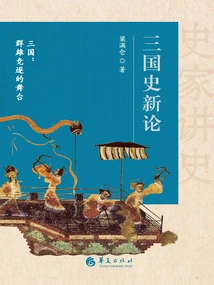
三国史新论
Liang Mancang
Mr. Liang Mancang is an expert on the Three Kingdoms Wei, Jin, Southern and Northern Dynasties. He has been deeply involved in the field of Three Kingdoms history for many years and has extensive influence in academia and reading circles. This book selects fifteen articles written by Mr. Liang on the history of the Three Kingdoms. It focuses on character research, explains the profound things in simple terms, and discusses historical events by telling stories about historical figures. This book breaks through the stereotyped and stylized tendencies of the characters in the Three Kingdoms in the past, and presents the characters' multiple personalities and characteristics in different historical environments. The characters involved in this book include Cao Cao, Xun Yu, Lu Bu, Dong Zhuo, Guan Yu, Emperor Wei Ming, Zhuge Liang, Pang Tong, Sun Quan, Zhu Ran, Sima Zhao, etc. Through the analysis of historical data: why Guan Yu, as a warrior, had an indissoluble bond with the Spring and Autumn Period, and what was his motivation for reading the Spring and Autumn Period; Lu Bu's killing of Dong Zhuo and Ding Yuan was due to their capricious personalities, or there were complex social and political reasons; why Cao Cao can be called a "superhero" and Sima Zhao can only be called a careerist; through the microscopic analysis of the Zhu family, it reflects the relationship between Sun Wu's imperial power and the powerful families in the south of the Yangtze River. In short, the narrative perspective of this book is both academically cutting-edge and in line with the public's reading preferences. It is suitable for researchers and literature and history enthusiasts.
Mr. Liang Mancang is an expert on the Three Kingdoms Wei, Jin, Southern and Northern Dynasties. He has been deeply involved in the field of Three Kingdoms history for many years and has extensive influence in academia and reading circles. This book selects fifteen articles written by Mr. Liang on the history of the Three Kingdoms. It focuses on character research, explains the profound things in simple terms, and discusses historical events by telling stories about historical figures. This book breaks through the stereotyped and stylized tendencies of the characters in the Three Kingdoms in the past, and presents the characters' multiple personalities and characteristics in different historical environments. The characters involved in this book include Cao Cao, Xun Yu, Lu Bu, Dong Zhuo, Guan Yu, Emperor Wei Ming, Zhuge Liang, Pang Tong, Sun Quan, Zhu Ran, Sima Zhao, etc. Through the analysis of historical data: why Guan Yu, as a warrior, had an indissoluble bond with the Spring and Autumn Period, and what was his motivation for reading the Spring and Autumn Period; Lu Bu's killing of Dong Zhuo and Ding Yuan was due to their capricious personalities, or there were complex social and political reasons; why Cao Cao can be called a "superhero" and Sima Zhao can only be called a careerist; through the microscopic analysis of the Zhu family, it reflects the relationship between Sun Wu's imperial power and the powerful families in the south of the Yangtze River. In short, the narrative perspective of this book is both academically cutting-edge and in line with the public's reading preferences. It is suitable for researchers and literature and history enthusiasts.
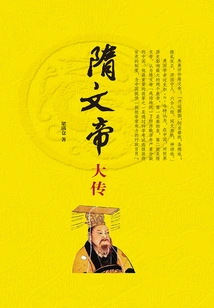
隋文帝大传
Liang Mancang
"The Biography of Emperor Wen of the Sui Dynasty" comprehensively and systematically describes the process of Emperor Wen of the Sui Dynasty establishing the Sui Dynasty and unifying the country. It analyzes in detail his various policies and achievements in governing the country, and on this basis makes an in-depth discussion of his historical role. The book is rich in content, reliable in data, concise in text, and highly readable. It is currently an important work in the study of Emperor Wen of the Sui Dynasty and the history of the Sui Dynasty.
"The Biography of Emperor Wen of the Sui Dynasty" comprehensively and systematically describes the process of Emperor Wen of the Sui Dynasty establishing the Sui Dynasty and unifying the country. It analyzes in detail his various policies and achievements in governing the country, and on this basis makes an in-depth discussion of his historical role. The book is rich in content, reliable in data, concise in text, and highly readable. It is currently an important work in the study of Emperor Wen of the Sui Dynasty and the history of the Sui Dynasty.