Library
Browse and search novels
1 novel found
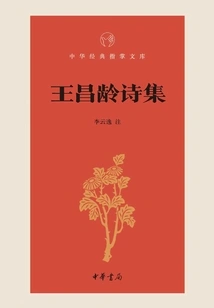
王昌龄诗集:中华经典指掌文库
Li Yunyi
The "Collected Poems of Wang Changling", a collection of Chinese classics, was revised on the basis of "Annotations on Wang Changling's Poems" by Li Yunyi, an older scholar. Wang Changling was a famous poet in the prosperous Tang Dynasty. He wrote many famous poems and poems on themes such as frontier fortress, friendship, and farewell. His creative achievements in Qijue were particularly outstanding, and he was known as the "Sage of Qijue". The book is divided into four volumes and contains nearly 180 complete poems and several fragments of Wang Changling's extant poems. The manuscript is based on Wang Changling's poems collected in "The Complete Poems of the Tang Dynasty" and also uses other extant editions of Wang Changling's poetry collections to carefully collate and screen the original poems. He also compiled and supplemented the poems and made precise annotations on the characters and stories involved in the poems. He also collected nearly a hundred commentaries on Wang Changling's poems from previous generations and attached them to the end of the poems.
The "Collected Poems of Wang Changling", a collection of Chinese classics, was revised on the basis of "Annotations on Wang Changling's Poems" by Li Yunyi, an older scholar. Wang Changling was a famous poet in the prosperous Tang Dynasty. He wrote many famous poems and poems on themes such as frontier fortress, friendship, and farewell. His creative achievements in Qijue were particularly outstanding, and he was known as the "Sage of Qijue". The book is divided into four volumes and contains nearly 180 complete poems and several fragments of Wang Changling's extant poems. The manuscript is based on Wang Changling's poems collected in "The Complete Poems of the Tang Dynasty" and also uses other extant editions of Wang Changling's poetry collections to carefully collate and screen the original poems. He also compiled and supplemented the poems and made precise annotations on the characters and stories involved in the poems. He also collected nearly a hundred commentaries on Wang Changling's poems from previous generations and attached them to the end of the poems.