Library
Browse and search books
1 novel found
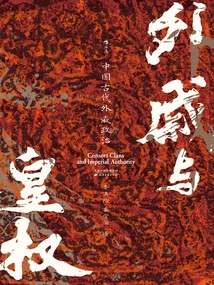
外戚与皇权:中国古代外戚政治
Li Yujie Qin Xueqi
Relatives are a force that cannot be ignored in ancient Chinese politics, but they are also controversial and have been labeled as "chaotic" and "dictatorship". In fact, under the ruling structure of "family world" and the patriarchal system of "family and state isomorphism" in ancient China, informal power channels based on blood relations and nepotism have always existed. The ability of relatives to become agents of the imperial power and an indispensable part of the political operation of the imperial power was an inevitable product of the logic of the patriarchal system and the centralization of imperial power. From the relationship between relatives and imperial power, we can see the historical trend of the concentration of imperial power and the checks and balances between the power of the prime minister and the power of the clan. More importantly, the group of relatives opens a unique window to re-examine the historical status of women in ancient times. They were representatives of the emperor's mother clan and wife clan, and their power was deeply rooted in the special relationship between the concubines and the emperor. Many times, it is these women who have been hidden behind the scenes who come to the political forefront in specific historical situations, and their families become active on the historical stage. Therefore, from the history of maternal relatives, we can also get a glimpse of the hidden female figures and their political influence behind the scenes. This book innovatively combines the perspectives of political history and sociology to explore the short-term social psychology and behavioral patterns of relatives, and critically reflects on the derogatory writing of relatives in traditional history books, striving to objectively restore their historical role. As a systematic research work that runs through the past dynasties and covers the regimes of the Han and ethnic minorities, this book has important academic value for understanding the nature of imperial power, the changes in power structure, and the political ecology of ancient China.
Relatives are a force that cannot be ignored in ancient Chinese politics, but they are also controversial and have been labeled as "chaotic" and "dictatorship". In fact, under the ruling structure of "family world" and the patriarchal system of "family and state isomorphism" in ancient China, informal power channels based on blood relations and nepotism have always existed. The ability of relatives to become agents of the imperial power and an indispensable part of the political operation of the imperial power was an inevitable product of the logic of the patriarchal system and the centralization of imperial power. From the relationship between relatives and imperial power, we can see the historical trend of the concentration of imperial power and the checks and balances between the power of the prime minister and the power of the clan. More importantly, the group of relatives opens a unique window to re-examine the historical status of women in ancient times. They were representatives of the emperor's mother clan and wife clan, and their power was deeply rooted in the special relationship between the concubines and the emperor. Many times, it is these women who have been hidden behind the scenes who come to the political forefront in specific historical situations, and their families become active on the historical stage. Therefore, from the history of maternal relatives, we can also get a glimpse of the hidden female figures and their political influence behind the scenes. This book innovatively combines the perspectives of political history and sociology to explore the short-term social psychology and behavioral patterns of relatives, and critically reflects on the derogatory writing of relatives in traditional history books, striving to objectively restore their historical role. As a systematic research work that runs through the past dynasties and covers the regimes of the Han and ethnic minorities, this book has important academic value for understanding the nature of imperial power, the changes in power structure, and the political ecology of ancient China.