Library
Browse and search books
3 novels found
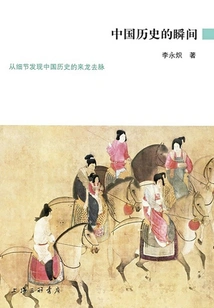
Moments in Chinese History
History中国历史的瞬间
Li Yongchi
The chapters of "Moments in Chinese History" are arranged by era, starting from the "Beijing people" in ancient times, covering many aspects of ancient Chinese social politics, economy, culture, internal and external exchanges, etc. "Moments in Chinese History" is written in lively modern language, and also uses various interesting writing methods. The text is concise and friendly, making it a historical book readable by everyone.
The chapters of "Moments in Chinese History" are arranged by era, starting from the "Beijing people" in ancient times, covering many aspects of ancient Chinese social politics, economy, culture, internal and external exchanges, etc. "Moments in Chinese History" is written in lively modern language, and also uses various interesting writing methods. The text is concise and friendly, making it a historical book readable by everyone.
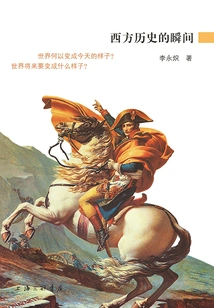
Moment in Western History
History西方历史的瞬间
Li Yongchi
The chapters of "Moments in Western History" are sorted by era, selecting 120 topics in Western history, and writing an article for each topic. It talks about the cultural and social aspects in more detail, which will help readers understand and understand the Western world. In addition, "Moments in Western History" pays special attention to the situation in the 15th and 16th centuries when the Western world sought outward development, and uses this to explain "why the world has become what it is today." The text is clear and easy to understand, and it has the dual reading pleasure of history and literature.
The chapters of "Moments in Western History" are sorted by era, selecting 120 topics in Western history, and writing an article for each topic. It talks about the cultural and social aspects in more detail, which will help readers understand and understand the Western world. In addition, "Moments in Western History" pays special attention to the situation in the 15th and 16th centuries when the Western world sought outward development, and uses this to explain "why the world has become what it is today." The text is clear and easy to understand, and it has the dual reading pleasure of history and literature.
中国历史的瞬间+西方历史的瞬间(套装共2册)
Li Yongchi
The chapters of "Moments in Chinese History" are arranged by era, starting from the "Beijing people" in ancient times, covering many aspects of ancient Chinese social politics, economy, culture, internal and external exchanges, etc. "Moments in Chinese History" is written in lively modern language, and also uses various interesting writing methods. The text is concise and friendly, making it a historical book readable by everyone. The chapters of "Moments in Western History" are sorted by era, selecting 120 topics in Western history, and writing an article for each topic. It talks about the cultural and social aspects in more detail, which will help readers understand and understand the Western world. In addition, "Moments in Western History" pays special attention to the situation in the 15th and 16th centuries when the Western world sought outward development, and uses this to explain "why the world has become what it is today." The text is clear and easy to understand, and it has the dual reading pleasure of history and literature.
The chapters of "Moments in Chinese History" are arranged by era, starting from the "Beijing people" in ancient times, covering many aspects of ancient Chinese social politics, economy, culture, internal and external exchanges, etc. "Moments in Chinese History" is written in lively modern language, and also uses various interesting writing methods. The text is concise and friendly, making it a historical book readable by everyone. The chapters of "Moments in Western History" are sorted by era, selecting 120 topics in Western history, and writing an article for each topic. It talks about the cultural and social aspects in more detail, which will help readers understand and understand the Western world. In addition, "Moments in Western History" pays special attention to the situation in the 15th and 16th centuries when the Western world sought outward development, and uses this to explain "why the world has become what it is today." The text is clear and easy to understand, and it has the dual reading pleasure of history and literature.