Library
Browse and search books
4 novels found
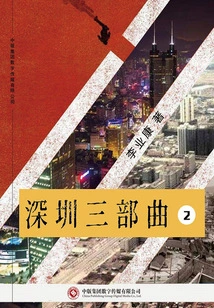
Shenzhen Trilogy 2: Rebirth
General Fiction深圳三部曲2:重生
Li Yekang
"Shenzhen Trilogy", the first part: "Going South"; the second part: "Rebirth"; the third part "Shenzhen Road". The story is full of ups and downs, relaxing and powerful. It is an excellent inspirational work. The author takes the reform and opening up of Shenzhen in the late 1980s as the historical stage of the novel, and tells the story of the changing situation of Shenzhen shopping malls with the protagonist Li Baozhen as the main line. The novel uses a line drawing of a mobile phone, which has the characteristics of film and television. It starts with the protagonist going south to explore, and unfolds the storyline with fictional characters, from riding a tricycle, studying, wandering, and developing a new city. With the spirit of "blazing a bloody road" and a strong and powerful image, he embarks on a journey of struggle. It tells the story of the protagonist's success in starting a business through hardships, remembers and inherits Shenzhen concepts, reveals the social form of capital accumulation and competition, and emboldens reform and innovators. The author does not avoid memory and reality, interpreting and presenting Shenzhen's specific history and changes, new pursuits and new images, and the collision and integration of the reform and entrepreneurship process, so that readers can feel and appreciate the bitterness and joy contained in it, hoping to interpret and torture human nature in the interweaving of warmth and tears, gain strength, and let civilization grow and blossom in an open, tolerant, mutually encouraging, and relaxed environment, and feel the beauty of art. The novel uses a diversified value orientation and displays diverse humanistic care. It is a bold attempt and exploration of the survival, development and improvement of the city of Shenzhen.
"Shenzhen Trilogy", the first part: "Going South"; the second part: "Rebirth"; the third part "Shenzhen Road". The story is full of ups and downs, relaxing and powerful. It is an excellent inspirational work. The author takes the reform and opening up of Shenzhen in the late 1980s as the historical stage of the novel, and tells the story of the changing situation of Shenzhen shopping malls with the protagonist Li Baozhen as the main line. The novel uses a line drawing of a mobile phone, which has the characteristics of film and television. It starts with the protagonist going south to explore, and unfolds the storyline with fictional characters, from riding a tricycle, studying, wandering, and developing a new city. With the spirit of "blazing a bloody road" and a strong and powerful image, he embarks on a journey of struggle. It tells the story of the protagonist's success in starting a business through hardships, remembers and inherits Shenzhen concepts, reveals the social form of capital accumulation and competition, and emboldens reform and innovators. The author does not avoid memory and reality, interpreting and presenting Shenzhen's specific history and changes, new pursuits and new images, and the collision and integration of the reform and entrepreneurship process, so that readers can feel and appreciate the bitterness and joy contained in it, hoping to interpret and torture human nature in the interweaving of warmth and tears, gain strength, and let civilization grow and blossom in an open, tolerant, mutually encouraging, and relaxed environment, and feel the beauty of art. The novel uses a diversified value orientation and displays diverse humanistic care. It is a bold attempt and exploration of the survival, development and improvement of the city of Shenzhen.
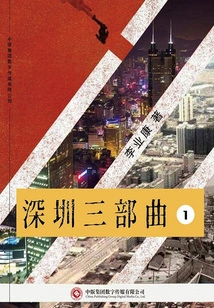
Shenzhen Trilogy 1: Going South
General Fiction深圳三部曲1:南下
Li Yekang
"Shenzhen Trilogy", the first part: "Going South"; the second part: "Rebirth"; the third part "Shenzhen Road". The story is full of ups and downs, relaxing and powerful. It is an excellent inspirational work. The author takes the reform and opening up of Shenzhen in the late 1980s as the historical stage of the novel, and tells the story of the changing situation of Shenzhen shopping malls with the protagonist Li Baozhen as the main line. The novel uses a line drawing of a mobile phone, which has the characteristics of film and television. It starts with the protagonist going south to explore, and unfolds the storyline with fictional characters, from riding a tricycle, studying, wandering, and developing a new city. With the spirit of "blazing a bloody road" and a strong and powerful image, he embarks on a journey of struggle. It tells the story of the protagonist's success in starting a business through hardships, remembers and inherits Shenzhen concepts, reveals the social form of capital accumulation and competition, and emboldens reform and innovators. The author does not avoid memory and reality, interpreting and presenting Shenzhen's specific history and changes, new pursuits and new images, and the collision and integration of the reform and entrepreneurship process, so that readers can feel and appreciate the bitterness and joy contained in it, hoping to interpret and torture human nature in the interweaving of warmth and tears, gain strength, and let civilization grow and blossom in an open, tolerant, mutually encouraging, and relaxed environment, and feel the beauty of art. The novel uses a diversified value orientation and displays diverse humanistic care. It is a bold attempt and exploration of the survival, development and improvement of the city of Shenzhen.
"Shenzhen Trilogy", the first part: "Going South"; the second part: "Rebirth"; the third part "Shenzhen Road". The story is full of ups and downs, relaxing and powerful. It is an excellent inspirational work. The author takes the reform and opening up of Shenzhen in the late 1980s as the historical stage of the novel, and tells the story of the changing situation of Shenzhen shopping malls with the protagonist Li Baozhen as the main line. The novel uses a line drawing of a mobile phone, which has the characteristics of film and television. It starts with the protagonist going south to explore, and unfolds the storyline with fictional characters, from riding a tricycle, studying, wandering, and developing a new city. With the spirit of "blazing a bloody road" and a strong and powerful image, he embarks on a journey of struggle. It tells the story of the protagonist's success in starting a business through hardships, remembers and inherits Shenzhen concepts, reveals the social form of capital accumulation and competition, and emboldens reform and innovators. The author does not avoid memory and reality, interpreting and presenting Shenzhen's specific history and changes, new pursuits and new images, and the collision and integration of the reform and entrepreneurship process, so that readers can feel and appreciate the bitterness and joy contained in it, hoping to interpret and torture human nature in the interweaving of warmth and tears, gain strength, and let civilization grow and blossom in an open, tolerant, mutually encouraging, and relaxed environment, and feel the beauty of art. The novel uses a diversified value orientation and displays diverse humanistic care. It is a bold attempt and exploration of the survival, development and improvement of the city of Shenzhen.
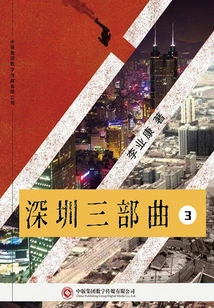
Shenzhen Trilogy 3: Shenzhen Road
General Fiction深圳三部曲3:深圳路
Li Yekang
"Shenzhen Trilogy", the first part: "Going South"; the second part: "Rebirth"; the third part "Shenzhen Road". The story is full of ups and downs, relaxing and powerful. It is an excellent inspirational work. The author takes the reform and opening up of Shenzhen in the late 1980s as the historical stage of the novel, and tells the story of the changing situation of Shenzhen shopping malls with the protagonist Li Baozhen as the main line. The novel uses a line drawing of a mobile phone, which has the characteristics of film and television. It starts with the protagonist going south to explore, and unfolds the storyline with fictional characters, from riding a tricycle, studying, wandering, and developing a new city. With the spirit of "blazing a bloody road" and a strong and powerful image, he embarks on a journey of struggle. It tells the story of the protagonist's success in starting a business through hardships, remembers and inherits Shenzhen concepts, reveals the social form of capital accumulation and competition, and emboldens reform and innovators. The author does not avoid memory and reality, interpreting and presenting Shenzhen's specific history and changes, new pursuits and new images, and the collision and integration of the reform and entrepreneurship process, so that readers can feel and appreciate the bitterness and joy contained in it, hoping to interpret and torture human nature in the interweaving of warmth and tears, gain strength, and let civilization grow and blossom in an open, tolerant, mutually encouraging, and relaxed environment, and feel the beauty of art. The novel uses a diversified value orientation and displays diverse humanistic care. It is a bold attempt and exploration of the survival, development and improvement of the city of Shenzhen.
"Shenzhen Trilogy", the first part: "Going South"; the second part: "Rebirth"; the third part "Shenzhen Road". The story is full of ups and downs, relaxing and powerful. It is an excellent inspirational work. The author takes the reform and opening up of Shenzhen in the late 1980s as the historical stage of the novel, and tells the story of the changing situation of Shenzhen shopping malls with the protagonist Li Baozhen as the main line. The novel uses a line drawing of a mobile phone, which has the characteristics of film and television. It starts with the protagonist going south to explore, and unfolds the storyline with fictional characters, from riding a tricycle, studying, wandering, and developing a new city. With the spirit of "blazing a bloody road" and a strong and powerful image, he embarks on a journey of struggle. It tells the story of the protagonist's success in starting a business through hardships, remembers and inherits Shenzhen concepts, reveals the social form of capital accumulation and competition, and emboldens reform and innovators. The author does not avoid memory and reality, interpreting and presenting Shenzhen's specific history and changes, new pursuits and new images, and the collision and integration of the reform and entrepreneurship process, so that readers can feel and appreciate the bitterness and joy contained in it, hoping to interpret and torture human nature in the interweaving of warmth and tears, gain strength, and let civilization grow and blossom in an open, tolerant, mutually encouraging, and relaxed environment, and feel the beauty of art. The novel uses a diversified value orientation and displays diverse humanistic care. It is a bold attempt and exploration of the survival, development and improvement of the city of Shenzhen.

Beautiful Woman Combing Her Hair
Literature美女梳头
Li Yekang
"Beauty Combing Her Hair" takes hometown and relatives as the blood and roots of writing. The "hometown" in the book is no longer a geographical concept, but the spiritual imprint and emotional image of past life. The author uses words to pick up and polish those meaningful traces of time and fragments of life, looking for the written meaning of life itself. The whole book is divided into four series: "Lian Lian Feng Chen", "Hometown Feng Shui", "Listen to the Singing of the Wind" and "One Pole of Wind and Moon".
"Beauty Combing Her Hair" takes hometown and relatives as the blood and roots of writing. The "hometown" in the book is no longer a geographical concept, but the spiritual imprint and emotional image of past life. The author uses words to pick up and polish those meaningful traces of time and fragments of life, looking for the written meaning of life itself. The whole book is divided into four series: "Lian Lian Feng Chen", "Hometown Feng Shui", "Listen to the Singing of the Wind" and "One Pole of Wind and Moon".