Library
Browse and search books
4 novels found
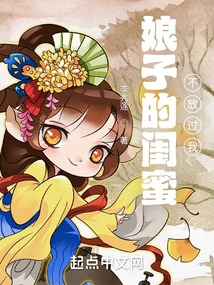
My Wife's Best Friend Won't Let Me Go
Light Novel娘子的闺蜜不放过我
Li Xiulian
Jiang He traveled through the world of Xianwu and became the Prince Consort of the Great Zhou Dynasty. In order to find the missing princess, he signed a contract with the "Godfather of the Demon World" to help the monsters realize their wishes while performing chivalrous acts and improving his strength. From then on, all kinds of monsters began to appear around Jiang He: The kind cat girl, the domineering tiger sister, the infatuated wolf brother, the cunning aunt fox, the socially fearful rat uncle, and the arrogant dragon girl. Through contact with them, Jiang He gradually got rid of his prejudice against monsters, and was also listed as the "most wanted criminal" by the court. The person responsible for arresting him is Ye Wuqing, the best arrester in the world whom he has known for many years. In order to bring these old enemies together, the monsters who had been helped by Jiang He began to use their own abilities. But what they don't know is that Ye Wuqing has another identity.
Jiang He traveled through the world of Xianwu and became the Prince Consort of the Great Zhou Dynasty. In order to find the missing princess, he signed a contract with the "Godfather of the Demon World" to help the monsters realize their wishes while performing chivalrous acts and improving his strength. From then on, all kinds of monsters began to appear around Jiang He: The kind cat girl, the domineering tiger sister, the infatuated wolf brother, the cunning aunt fox, the socially fearful rat uncle, and the arrogant dragon girl. Through contact with them, Jiang He gradually got rid of his prejudice against monsters, and was also listed as the "most wanted criminal" by the court. The person responsible for arresting him is Ye Wuqing, the best arrester in the world whom he has known for many years. In order to bring these old enemies together, the monsters who had been helped by Jiang He began to use their own abilities. But what they don't know is that Ye Wuqing has another identity.
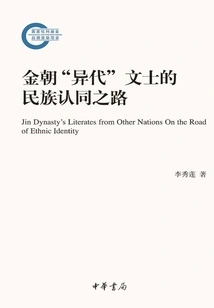
金朝“异代”文士的民族认同之路
Li Xiulian
The path of national identity of the "different generation" scribes of the Jin Dynasty runs through the ups and downs of the Jin Dynasty for a hundred years, promoting the transformation of the Jurchen northern regime from "Yi Di" to "Chinese", and interpreting the historical interaction process between the "different generation" scribes representing Han culture and the main ethnic group of the Jin Dynasty - the Jurchens' political identity, cultural identity and national identity. On the basis of critically inheriting the results of "Sinicization" research, the path of national identity of "different generation" scribes paid more attention to the study of the historical process of the Jurchen and other Northern peoples' acceptance and rejection of Han culture, and integrated national identity into the history of political and cultural identity.
The path of national identity of the "different generation" scribes of the Jin Dynasty runs through the ups and downs of the Jin Dynasty for a hundred years, promoting the transformation of the Jurchen northern regime from "Yi Di" to "Chinese", and interpreting the historical interaction process between the "different generation" scribes representing Han culture and the main ethnic group of the Jin Dynasty - the Jurchens' political identity, cultural identity and national identity. On the basis of critically inheriting the results of "Sinicization" research, the path of national identity of "different generation" scribes paid more attention to the study of the historical process of the Jurchen and other Northern peoples' acceptance and rejection of Han culture, and integrated national identity into the history of political and cultural identity.
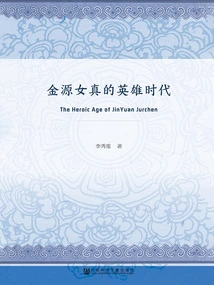
金源女真的英雄时代
Li Xiulian
Every cultural nation has its own heroic era, which often means a dramatic transformation of society. The research scope of this book covers the entire process of the Jinyuan Jurchens from their birth to their demise. It is based on historical materialism, focuses on the history of the Jurchen heroes fighting for the "Great Jin Kingdom", and reveals the profound historical reasons why the Jin Dynasty regime declined immediately after its rise, and finally ended with the "Heroic Age" of the "Golden Family" of Borzjin. This book extensively uses theories from linguistics, history, geography and other disciplines, reflecting the author's rich theoretical reserves and profound historical accomplishments.
Every cultural nation has its own heroic era, which often means a dramatic transformation of society. The research scope of this book covers the entire process of the Jinyuan Jurchens from their birth to their demise. It is based on historical materialism, focuses on the history of the Jurchen heroes fighting for the "Great Jin Kingdom", and reveals the profound historical reasons why the Jin Dynasty regime declined immediately after its rise, and finally ended with the "Heroic Age" of the "Golden Family" of Borzjin. This book extensively uses theories from linguistics, history, geography and other disciplines, reflecting the author's rich theoretical reserves and profound historical accomplishments.
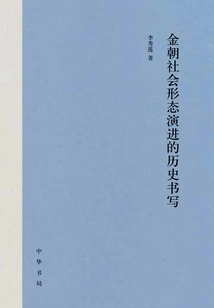
金朝社会形态演进的历史书写
Li Xiulian
"Historical Writing of the Evolution of Social Form in the Jin Dynasty" touches on the proposition of the commonality of the Bei people's dynasties. The development history of the Bei people cannot avoid the issue of the evolution of social form. Even though the Bei Clan dynasty is called the "Conquering Dynasty", its essence is dictated by the social form, and foreign war is a way of existence for the Bei Clan. The evolution path of the social form of the Bei Dynasty was different due to differences in its own cultural accumulation and specific time and space environment. The Jurchens of the Jin Dynasty evolved from tribal alliances and alliances to high-level tribal alliances. Aguda proclaimed himself emperor and established a chiefdom regime. King Hailing moved the capital to Yanjing, promoting the evolution of chiefdoms into national regimes. Jin Shizong usurped the throne and blocked the development of national regimes. The history of the evolution of the Jin Dynasty's social form is connected with the chiefdom power of the high-level tribal alliance in the Liao Dynasty and the unified state power of the Qiyuan and Qing Dynasties. To be precise, the evolution of the Jin Dynasty's social form stopped at the semi-chiefdom and semi-state stage.
"Historical Writing of the Evolution of Social Form in the Jin Dynasty" touches on the proposition of the commonality of the Bei people's dynasties. The development history of the Bei people cannot avoid the issue of the evolution of social form. Even though the Bei Clan dynasty is called the "Conquering Dynasty", its essence is dictated by the social form, and foreign war is a way of existence for the Bei Clan. The evolution path of the social form of the Bei Dynasty was different due to differences in its own cultural accumulation and specific time and space environment. The Jurchens of the Jin Dynasty evolved from tribal alliances and alliances to high-level tribal alliances. Aguda proclaimed himself emperor and established a chiefdom regime. King Hailing moved the capital to Yanjing, promoting the evolution of chiefdoms into national regimes. Jin Shizong usurped the throne and blocked the development of national regimes. The history of the evolution of the Jin Dynasty's social form is connected with the chiefdom power of the high-level tribal alliance in the Liao Dynasty and the unified state power of the Qiyuan and Qing Dynasties. To be precise, the evolution of the Jin Dynasty's social form stopped at the semi-chiefdom and semi-state stage.