Library
Browse and search books
1 novel found
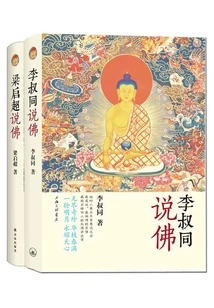
李叔同说佛+梁启超说佛(全集)
Li Shutong Liang Qichao
Liang Qichao's Talk about Buddhism: A brief account of the rise and fall of Chinese Buddhism Appendix 1, 2, 3, 4, 5 Appendices: A list of important events in Buddhism The beginning of Buddhism Saying that there is no self. A brief survey on the development of Buddhist teachings in China by Chinese students from abroad. A brief survey on the development of Buddhist psychology in China 1,500 years ago. Li Shutong's preface to Buddhism in the "Biography of Xuanzang" compiled by China Academy One day at Chengtian Temple in Quanzhou, he gave a lecture to the young monks.) 1. The Buddha swept the floor by himself. 2. The Buddha washed himself. Seeing a doctor on his own. 5. The Buddha cut clothes for his disciples. 6. The Buddha threaded needles for an old bhikkhu. 7. The Buddha asked a monk to teach him how to change his habits (Guiyou taught it at Miaoshi Temple in Xiamen in the first month of the lunar calendar). Lecture) Discussing the method of writing 1235 Those who hold the precept of eating out of season should pay attention to the general meaning of the Buddhist Dharma during the noon hour (lectured at Qibao Temple in Zhangzhou on June 19th, Wuyin) Summary of Legal Studies (lectured in Quanzhou in November Yihai A Brief Explanation of the Ten Questions of Buddhism at the Chengtian Temple Ritual Dharma Assembly (Lectured at the Jindun Ancestral Hall in Anhai on October 6, 1996) 1. Buddhism is not superstition 2. Buddhism is not religion 3. Buddhism is not philosophy 4. Buddhism 5. Buddhism is not world-weary. 6. Buddhism is not unsuitable for the prosperity of the country. 7. Buddhism is not capable of annihilating species. 8. Buddhism is not abandonment of charity. 9. Buddhism is not about profit. 10. Buddhism is not empty talk to destroy the world. Approximate sects of Buddhism (taught on October 7, 1999 at Jindun Ancestral Hall, Anhai) 1. Vinaya sect (also known as Nanshan sect) 2. Kushe sect 3. Chengshi sect 4. Sanlun sect (also known as Xing sect) , also known as Kongzong) 5. Faxiang sect (also known as Ci'en sect, also known as Youzong) 6. Tiantai sect (also known as Fahua sect) 7. Huayan sect (also known as Xianshou sect) 8. Zen sect 9. Tantra (also known as Tantric sect) Shingon Sect) 10. Preliminary study of Pure Land Buddhism (Lectured at Anhai Jindun Ancestral Hall on October 8th, Wuyin) 1. Karma in the Three Lifetimes 2. Simple Practice Methods of Good and Evil Karma Buddhism (Lectured on April 16th, Jimao) Lectured at the Taoyuan Hall in Yongchun, written by Li Fangyuan) 1. Believe deeply in cause and effect 2. Develop bodhicitta 3. Specialize in practicing the Pure Land and respect the Three Treasures (lectured at Kaiyuan Temple in Quanzhou on May 5th) 1. Respect the Buddha (brief list) A few things that ordinary people should pay attention to) 2. Respect for the Dharma (a few things that ordinary people should pay attention to) 3. Respect for monks (a few things that ordinary people should pay attention to) Encourage people to listen to the bell and recite the Buddhist scriptures. The Wanshouyan Buddha Hall is opened. The speech (in the eighth month of Jiaxu) was written by Master Xingchang to explain the main ideas of the Pure Land Dharma (lectured by Renshen at Miaoshi Temple in Xiamen in October), and he generally advised the Jingzong Taoists to practice and recite the Ksitigarbha Sutra (the birthday of Gengchen Ksitigarbha is in Lectured in Yongchun) Jingzong Inquiry and Discrimination (lectured at Wanshouyan in February Yihai) A brief record of the Medicine Master Tathagata Dharma School (lectured in Qingchen Hall, Quanzhou in July Wuyin) A brief account of the practice rituals of the Medicine Master Tathagata (lectured in Guangzhou, Quanzhou in February Jimao) Lectured at the Ming Temple) 1. Respect 2. Praise 3. Make offerings 4. Recite sutras 5. Hold the name 6. Recite mantras 7. Dedicate and make vows Medicine Master Tathagata Dharma (lectured at Yongchun Puji Temple in April of Jimao) 1. Maintain worldly laws 2. Assist with the precepts 3. Decide to be born in the west 4. Quickly achieve Buddhahood Lectures from Kaiyuan Ci'er Academy in Quanzhou (February of Wuyin) Chapter 1 of the introductory steps of reading, reciting and studying the Huayan Sutra written by the Buddha on the "Impermanence Sutra" Read Chapter 2 Study and briefly describe the great virtues of Master Yin Guang (taught at Tanlin Fulin Temple in Quanzhou) 1. Briefly describe the life of the master 2. Briefly describe the four aspects of great virtues in the dream of ten years in southern Fujian (Lectured by Ding Chou on February 16th at the Buddhist Yangzheng Academy of Nanputuo Temple) The last □□① (Lectured at the Buddhist Yangzhengyuan of Nanputuo Temple on November 14th of Wuyin) Lectured at the Alumni Association of the College) The end of life (lectured at Miaoshi Temple in Xiamen in December of the Renshen year) Preface: When you are seriously ill, when you are dying, and on the day after your death, you recommend death and other matters. Please initiate a hospice support meeting. Conclusion Appendix 1: Collection of Wan Qing. Appendix 2: Aphorisms: Knowledge category, preservation category, persistence category, Dun category, service category, handling category, Huiji category, contrarian category
Liang Qichao's Talk about Buddhism: A brief account of the rise and fall of Chinese Buddhism Appendix 1, 2, 3, 4, 5 Appendices: A list of important events in Buddhism The beginning of Buddhism Saying that there is no self. A brief survey on the development of Buddhist teachings in China by Chinese students from abroad. A brief survey on the development of Buddhist psychology in China 1,500 years ago. Li Shutong's preface to Buddhism in the "Biography of Xuanzang" compiled by China Academy One day at Chengtian Temple in Quanzhou, he gave a lecture to the young monks.) 1. The Buddha swept the floor by himself. 2. The Buddha washed himself. Seeing a doctor on his own. 5. The Buddha cut clothes for his disciples. 6. The Buddha threaded needles for an old bhikkhu. 7. The Buddha asked a monk to teach him how to change his habits (Guiyou taught it at Miaoshi Temple in Xiamen in the first month of the lunar calendar). Lecture) Discussing the method of writing 1235 Those who hold the precept of eating out of season should pay attention to the general meaning of the Buddhist Dharma during the noon hour (lectured at Qibao Temple in Zhangzhou on June 19th, Wuyin) Summary of Legal Studies (lectured in Quanzhou in November Yihai A Brief Explanation of the Ten Questions of Buddhism at the Chengtian Temple Ritual Dharma Assembly (Lectured at the Jindun Ancestral Hall in Anhai on October 6, 1996) 1. Buddhism is not superstition 2. Buddhism is not religion 3. Buddhism is not philosophy 4. Buddhism 5. Buddhism is not world-weary. 6. Buddhism is not unsuitable for the prosperity of the country. 7. Buddhism is not capable of annihilating species. 8. Buddhism is not abandonment of charity. 9. Buddhism is not about profit. 10. Buddhism is not empty talk to destroy the world. Approximate sects of Buddhism (taught on October 7, 1999 at Jindun Ancestral Hall, Anhai) 1. Vinaya sect (also known as Nanshan sect) 2. Kushe sect 3. Chengshi sect 4. Sanlun sect (also known as Xing sect) , also known as Kongzong) 5. Faxiang sect (also known as Ci'en sect, also known as Youzong) 6. Tiantai sect (also known as Fahua sect) 7. Huayan sect (also known as Xianshou sect) 8. Zen sect 9. Tantra (also known as Tantric sect) Shingon Sect) 10. Preliminary study of Pure Land Buddhism (Lectured at Anhai Jindun Ancestral Hall on October 8th, Wuyin) 1. Karma in the Three Lifetimes 2. Simple Practice Methods of Good and Evil Karma Buddhism (Lectured on April 16th, Jimao) Lectured at the Taoyuan Hall in Yongchun, written by Li Fangyuan) 1. Believe deeply in cause and effect 2. Develop bodhicitta 3. Specialize in practicing the Pure Land and respect the Three Treasures (lectured at Kaiyuan Temple in Quanzhou on May 5th) 1. Respect the Buddha (brief list) A few things that ordinary people should pay attention to) 2. Respect for the Dharma (a few things that ordinary people should pay attention to) 3. Respect for monks (a few things that ordinary people should pay attention to) Encourage people to listen to the bell and recite the Buddhist scriptures. The Wanshouyan Buddha Hall is opened. The speech (in the eighth month of Jiaxu) was written by Master Xingchang to explain the main ideas of the Pure Land Dharma (lectured by Renshen at Miaoshi Temple in Xiamen in October), and he generally advised the Jingzong Taoists to practice and recite the Ksitigarbha Sutra (the birthday of Gengchen Ksitigarbha is in Lectured in Yongchun) Jingzong Inquiry and Discrimination (lectured at Wanshouyan in February Yihai) A brief record of the Medicine Master Tathagata Dharma School (lectured in Qingchen Hall, Quanzhou in July Wuyin) A brief account of the practice rituals of the Medicine Master Tathagata (lectured in Guangzhou, Quanzhou in February Jimao) Lectured at the Ming Temple) 1. Respect 2. Praise 3. Make offerings 4. Recite sutras 5. Hold the name 6. Recite mantras 7. Dedicate and make vows Medicine Master Tathagata Dharma (lectured at Yongchun Puji Temple in April of Jimao) 1. Maintain worldly laws 2. Assist with the precepts 3. Decide to be born in the west 4. Quickly achieve Buddhahood Lectures from Kaiyuan Ci'er Academy in Quanzhou (February of Wuyin) Chapter 1 of the introductory steps of reading, reciting and studying the Huayan Sutra written by the Buddha on the "Impermanence Sutra" Read Chapter 2 Study and briefly describe the great virtues of Master Yin Guang (taught at Tanlin Fulin Temple in Quanzhou) 1. Briefly describe the life of the master 2. Briefly describe the four aspects of great virtues in the dream of ten years in southern Fujian (Lectured by Ding Chou on February 16th at the Buddhist Yangzheng Academy of Nanputuo Temple) The last □□① (Lectured at the Buddhist Yangzhengyuan of Nanputuo Temple on November 14th of Wuyin) Lectured at the Alumni Association of the College) The end of life (lectured at Miaoshi Temple in Xiamen in December of the Renshen year) Preface: When you are seriously ill, when you are dying, and on the day after your death, you recommend death and other matters. Please initiate a hospice support meeting. Conclusion Appendix 1: Collection of Wan Qing. Appendix 2: Aphorisms: Knowledge category, preservation category, persistence category, Dun category, service category, handling category, Huiji category, contrarian category