Library
Browse and search books
5 novels found

Two Old Men
General Fiction两个老头
Li Shaohua
The wonderful life fragments of the two lovely old men are like ever-changing clouds in the sky above the town. Sometimes they are as thin as cicada wings, rippling in the spring breeze; They are always reflected in the blue sky of the town. No matter it is windy or rainy, or spring comes and winter goes, they are still lifelike, vivid, still touching, inspiring and unforgettable.
The wonderful life fragments of the two lovely old men are like ever-changing clouds in the sky above the town. Sometimes they are as thin as cicada wings, rippling in the spring breeze; They are always reflected in the blue sky of the town. No matter it is windy or rainy, or spring comes and winter goes, they are still lifelike, vivid, still touching, inspiring and unforgettable.
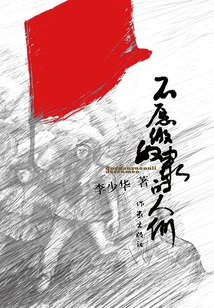
People Who Don't Want to Be Slaves
General Fiction不愿做奴隶的人们
Li Shaohua
In the second year of the "September 18th Incident", the Japanese invaded Harbin and launched the Harbin Defense War, which ended with the defeat of the Northeastern Army. Wang Hanzhang lamented why the 200,000 Northeastern Army was defeated so miserably? It is impossible for Marshal Zhang to abandon the Northeast! Commander Wang Hanzhang returned to Shuangpo Town, Zhuhe County, where he was stationed, intending to carry the banner of the Volunteer Army alone. However, they were eventually defeated by the Japanese army and suffered heavy losses. At the same time, the anti-Japanese armed forces led by communist Zhao Shangzhi continued to grow. Zhao Shangzhi took the initiative to contact Wang Hanzhang to fight against Japan, but he refused. The Japanese were very happy about this and tried every possible means to win over Wang Hanzhang to surrender. Wang Hanzhang refused to surrender and killed the enemy agents inside. The Japanese bribed bandits to track and suppress Wang Hanzhang, causing heavy losses to the volunteers and putting them in danger. At this time, they received support from Zhao Shangzhi and escaped from danger through hardships. Finally, he agreed to cooperate with the Communists, laying a solid foundation for the establishment of the Third Northeast Anti-Resistance Army.
In the second year of the "September 18th Incident", the Japanese invaded Harbin and launched the Harbin Defense War, which ended with the defeat of the Northeastern Army. Wang Hanzhang lamented why the 200,000 Northeastern Army was defeated so miserably? It is impossible for Marshal Zhang to abandon the Northeast! Commander Wang Hanzhang returned to Shuangpo Town, Zhuhe County, where he was stationed, intending to carry the banner of the Volunteer Army alone. However, they were eventually defeated by the Japanese army and suffered heavy losses. At the same time, the anti-Japanese armed forces led by communist Zhao Shangzhi continued to grow. Zhao Shangzhi took the initiative to contact Wang Hanzhang to fight against Japan, but he refused. The Japanese were very happy about this and tried every possible means to win over Wang Hanzhang to surrender. Wang Hanzhang refused to surrender and killed the enemy agents inside. The Japanese bribed bandits to track and suppress Wang Hanzhang, causing heavy losses to the volunteers and putting them in danger. At this time, they received support from Zhao Shangzhi and escaped from danger through hardships. Finally, he agreed to cooperate with the Communists, laying a solid foundation for the establishment of the Third Northeast Anti-Resistance Army.
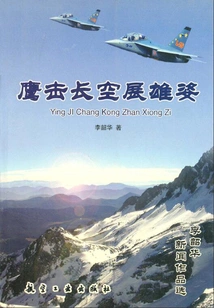
鹰击长空展雄姿
Li Shaohua
This collection of works is like a "kaleidoscope", passing on to readers the ambition and pride of the Republic's aviation entrepreneurs with blue skies above their heads and feet on the wasteland. It shows the readers magnificent pictures such as the Q-5 aircraft flying over Tian'an and being inspected by the party and the people, and the heroic appearance of the K-8 aircraft flying abroad. It also shows readers the seemingly ordinary people who rose from this fertile soil. The aviation elites who have created brilliant achievements are recommended to readers, and the "Hongdu Spirit" of "devoting themselves to aviation, hard work, pioneering and enterprising, and striving to be first-class" and the "Strong Five Spirits" of "self-reliance, pragmatism and innovation, perseverance, unity and forge ahead, dedication to aviation, and bravely climbing to the top" that generations of Hongdu people have created with countless efforts and sweat are dedicated to readers.
This collection of works is like a "kaleidoscope", passing on to readers the ambition and pride of the Republic's aviation entrepreneurs with blue skies above their heads and feet on the wasteland. It shows the readers magnificent pictures such as the Q-5 aircraft flying over Tian'an and being inspected by the party and the people, and the heroic appearance of the K-8 aircraft flying abroad. It also shows readers the seemingly ordinary people who rose from this fertile soil. The aviation elites who have created brilliant achievements are recommended to readers, and the "Hongdu Spirit" of "devoting themselves to aviation, hard work, pioneering and enterprising, and striving to be first-class" and the "Strong Five Spirits" of "self-reliance, pragmatism and innovation, perseverance, unity and forge ahead, dedication to aviation, and bravely climbing to the top" that generations of Hongdu people have created with countless efforts and sweat are dedicated to readers.

Final Production Team
General Fiction最后的生产队
Li Shaohua
This novel describes an aspect of my country's early 1980s when Deng Xiaoping's reform and opening up policies began to be implemented. The novel shows the process of the northeastern rural areas and grassroots production teams transforming from a collective economy to dividing fields into households. This novel expresses this important historical process very convincingly.
This novel describes an aspect of my country's early 1980s when Deng Xiaoping's reform and opening up policies began to be implemented. The novel shows the process of the northeastern rural areas and grassroots production teams transforming from a collective economy to dividing fields into households. This novel expresses this important historical process very convincingly.

Dense Forest
General Fiction密林
Li Shaohua
"Hua Ni Loach", surnamed Fan, used to be a leader of the Anti-Japanese Red Spear Association. Before that, he was a murderer and a traitor. The year before last, he defected to the Japanese and became a battalion commander. The people in Shuangpo Town often called him Leader Fan, and they hated him so much that they wished he would die with a bang. However, he rose through the ranks and yesterday became the commander of the Manchukuo Army's Railway Guard Corps stationed in Shuangpo Town. His ability to become the regiment leader was entirely due to the strong recommendation of Goto Masao, the intelligence officer of the Kwantung Army stationed in Shuangpo Town. The person who firmly disagreed with him being the leader was Mizuno Hirokawa, the captain of the railway garrison stationed in Shuangpo Town of the Kwantung Army. Mizuno Hirokawa looked down on Leader Fan because he had a sinister appearance. He was a bandit in the past, and he was a ruthless bandit who made trouble in the Black Dragon Palace Town. The Japanese tried to exterminate him several times, but he escaped every time.
"Hua Ni Loach", surnamed Fan, used to be a leader of the Anti-Japanese Red Spear Association. Before that, he was a murderer and a traitor. The year before last, he defected to the Japanese and became a battalion commander. The people in Shuangpo Town often called him Leader Fan, and they hated him so much that they wished he would die with a bang. However, he rose through the ranks and yesterday became the commander of the Manchukuo Army's Railway Guard Corps stationed in Shuangpo Town. His ability to become the regiment leader was entirely due to the strong recommendation of Goto Masao, the intelligence officer of the Kwantung Army stationed in Shuangpo Town. The person who firmly disagreed with him being the leader was Mizuno Hirokawa, the captain of the railway garrison stationed in Shuangpo Town of the Kwantung Army. Mizuno Hirokawa looked down on Leader Fan because he had a sinister appearance. He was a bandit in the past, and he was a ruthless bandit who made trouble in the Black Dragon Palace Town. The Japanese tried to exterminate him several times, but he escaped every time.