Library
Browse and search books
6 novels found
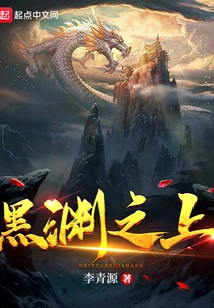
Above the Black Abyss
Xianxia黑渊之上
Li Qingyuan
[Not the Holy Mother] [Kill decisively] [Dirty-faced] [If you can take revenge on the same day, you will never take revenge tomorrow] Underneath the black abyss is despairing endless darkness and ominous weirdness. This is the restricted area of life. Above the black abyss are the gods beating drums and the gods patrolling the great sun. But it is also another kind of restricted area. Ning Chuan stared into the abyss, as if someone had said that the abyss would also stare at him at this moment. "Then break the abyss and kill them all."
[Not the Holy Mother] [Kill decisively] [Dirty-faced] [If you can take revenge on the same day, you will never take revenge tomorrow] Underneath the black abyss is despairing endless darkness and ominous weirdness. This is the restricted area of life. Above the black abyss are the gods beating drums and the gods patrolling the great sun. But it is also another kind of restricted area. Ning Chuan stared into the abyss, as if someone had said that the abyss would also stare at him at this moment. "Then break the abyss and kill them all."
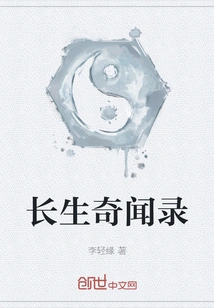
Anecdotes About Immortality
Xianxia长生奇闻录
Li Qingyuan
Come to China Literature's website to read more of my works!
Come to China Literature's website to read more of my works!
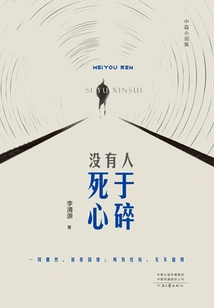
No One Dies of a Broken Heart
General Fiction没有人死于心碎
Li Qingyuan
"No One Dies from a Heartbreak" is a collection of novellas by the famous writer Li Qingyuan, which includes six of his recent or representative novellas. The works are based on the lives of young people today, telling their respective situations in life: in ordinary long years, a series of betrayals and abandonments lead to huge losses and difficulty in breaking out; big crises caused by accidental small misfortunes; unknown truths and sudden and unexpected situations. The tragedy of human relations; the gap between middle-aged people and young children, as well as the embarrassment of their own lives; the young urban sojourner reached a reconciliation with his father and girlfriend during the extremely difficult process of returning to his hometown to "fish" his father from the public security bureau; twenty years have allowed a man to grow into a skilled doctor, an unhappy temporary settler. During a relationship and career crisis, he gained insights into others and himself.
"No One Dies from a Heartbreak" is a collection of novellas by the famous writer Li Qingyuan, which includes six of his recent or representative novellas. The works are based on the lives of young people today, telling their respective situations in life: in ordinary long years, a series of betrayals and abandonments lead to huge losses and difficulty in breaking out; big crises caused by accidental small misfortunes; unknown truths and sudden and unexpected situations. The tragedy of human relations; the gap between middle-aged people and young children, as well as the embarrassment of their own lives; the young urban sojourner reached a reconciliation with his father and girlfriend during the extremely difficult process of returning to his hometown to "fish" his father from the public security bureau; twenty years have allowed a man to grow into a skilled doctor, an unhappy temporary settler. During a relationship and career crisis, he gained insights into others and himself.
Evening Festival
General Fiction晚节
Li Qingyuan
Except for Lao Qin, everything in the ward is white: the walls, ceiling, curtains on both sides, the liftable hospital bed, and the radiator that continuously emits heat. Even the woman in the next bed is white and fat, like a pampered mature silkworm. The sheets and quilt were as white as snow, and the quilt was light, warm and comfortable. In comparison, the quilt at home was just a pile of dirty, rusty iron. Lao Qin was wearing a black cotton-padded jacket and nestled uneasily on the snow-white hospital bed. He felt like an old dog that had gotten into a pile of cotton, enjoying treatment that he shouldn't have, and might be kicked out at any time. Through the clean window glass, he saw the bamboos and palm trees in the garden outside the ward building swaying wildly, and the roar of the north wind could be clearly heard. It must be very cold outside. Lao Qin thought of home.
Except for Lao Qin, everything in the ward is white: the walls, ceiling, curtains on both sides, the liftable hospital bed, and the radiator that continuously emits heat. Even the woman in the next bed is white and fat, like a pampered mature silkworm. The sheets and quilt were as white as snow, and the quilt was light, warm and comfortable. In comparison, the quilt at home was just a pile of dirty, rusty iron. Lao Qin was wearing a black cotton-padded jacket and nestled uneasily on the snow-white hospital bed. He felt like an old dog that had gotten into a pile of cotton, enjoying treatment that he shouldn't have, and might be kicked out at any time. Through the clean window glass, he saw the bamboos and palm trees in the garden outside the ward building swaying wildly, and the roar of the north wind could be clearly heard. It must be very cold outside. Lao Qin thought of home.
Monkey Show
General Fiction猴戏
Li Qingyuan
So boring, what to do? "First I want you to learn to stand up, then learn to stand, and then learn to walk with somersaults. Learn to push boxes, learn to show off your face, learn to run on horseback, and we will walk in the rivers and lakes..." Lao Qiao hummed a song. This song is very old. I don't know who sang it first. Ever since he learned it from his father, I heard that it has been passed down through many dynasties and generations. He and his father went to various places to play monkeys. On the way to move the show, his father led the monkeys and walked gracefully, most likely singing this song. His father's voice was a bit hoarse, probably from playing monkey for too long, and his voice was broken. When he sang those old songs, there was an indescribable sense of vicissitudes, as if the stories of thousands of winters and summers had turned into the autumn wind, blowing slowly across the hills and wilderness. He followed behind with a quilt on his back, listening to his father's music, from this village to that town, from this county to that city.
So boring, what to do? "First I want you to learn to stand up, then learn to stand, and then learn to walk with somersaults. Learn to push boxes, learn to show off your face, learn to run on horseback, and we will walk in the rivers and lakes..." Lao Qiao hummed a song. This song is very old. I don't know who sang it first. Ever since he learned it from his father, I heard that it has been passed down through many dynasties and generations. He and his father went to various places to play monkeys. On the way to move the show, his father led the monkeys and walked gracefully, most likely singing this song. His father's voice was a bit hoarse, probably from playing monkey for too long, and his voice was broken. When he sang those old songs, there was an indescribable sense of vicissitudes, as if the stories of thousands of winters and summers had turned into the autumn wind, blowing slowly across the hills and wilderness. He followed behind with a quilt on his back, listening to his father's music, from this village to that town, from this county to that city.
Kiln Change
General Fiction窑变
Li Qingyuan
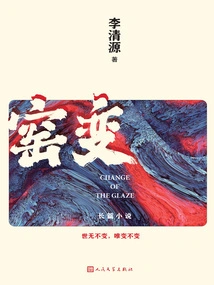
This book is a new novel by young writer Li Qingyuan. Among the writers born in the 1980s, Henan writer Li Qingyuan is one of the more eye-catching ones. His writing not only has a rich cultural heritage, but also has a keen awareness of realistic problems. At the same time, he draws on and absorbs some foreign creative techniques and has a broad vision. "Kiln Change" is a new novel he wrote over a period of five years. The novel uses time as a clue and the obsession of three generations of the Zhai family in Junzhou with Jun kiln as the main line. It tells the historical inheritance and modern changes of Jun porcelain. At the same time, it also attempts to tell the changes in modern Chinese history and the changes in the fate of the characters. The novel has both the thickness and depth of history and the complexity and edge of human nature. The image of "kiln transformation" has rich symbolic meaning.
This book is a new novel by young writer Li Qingyuan. Among the writers born in the 1980s, Henan writer Li Qingyuan is one of the more eye-catching ones. His writing not only has a rich cultural heritage, but also has a keen awareness of realistic problems. At the same time, he draws on and absorbs some foreign creative techniques and has a broad vision. "Kiln Change" is a new novel he wrote over a period of five years. The novel uses time as a clue and the obsession of three generations of the Zhai family in Junzhou with Jun kiln as the main line. It tells the historical inheritance and modern changes of Jun porcelain. At the same time, it also attempts to tell the changes in modern Chinese history and the changes in the fate of the characters. The novel has both the thickness and depth of history and the complexity and edge of human nature. The image of "kiln transformation" has rich symbolic meaning.