Library
Browse and search books
6 novels found
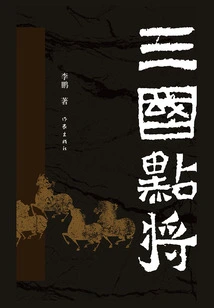
三国点将
Li Peng
In the Three Kingdoms, heroes emerged in troubled times. Since ancient times, emperors have needed the assistance of famous generals to achieve a generation of hegemony, and famous generals have also needed the emperor's discernment to achieve success. "Three Kingdoms Generals" comments on the thirty-three generals of the Three Kingdoms. They all fought for their lives, and history is wonderful because of them.
In the Three Kingdoms, heroes emerged in troubled times. Since ancient times, emperors have needed the assistance of famous generals to achieve a generation of hegemony, and famous generals have also needed the emperor's discernment to achieve success. "Three Kingdoms Generals" comments on the thirty-three generals of the Three Kingdoms. They all fought for their lives, and history is wonderful because of them.
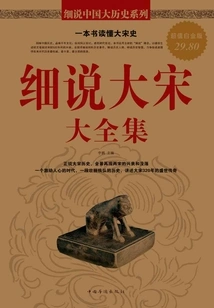
细说大宋大全集
Li Peng
This book selects major historical events and important historical figures from the Song Dynasty, and divides it into two parts, the Northern Song Dynasty and the Southern Song Dynasty, in chronological order, giving a wonderful description of the history of the Song Dynasty.
This book selects major historical events and important historical figures from the Song Dynasty, and divides it into two parts, the Northern Song Dynasty and the Southern Song Dynasty, in chronological order, giving a wonderful description of the history of the Song Dynasty.
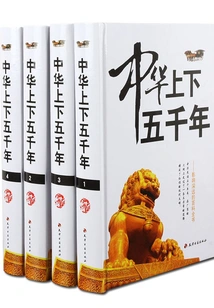
中国上下五千年
Li Peng
From the creation of Pangu to the founding of the People's Republic of China, the Chinese nation has experienced five thousand years of great historical changes. This book explains five thousand years of China for you.
From the creation of Pangu to the founding of the People's Republic of China, the Chinese nation has experienced five thousand years of great historical changes. This book explains five thousand years of China for you.

Visit
General Fiction息访
Li Peng
In the past, Jia Lianming would go back to the county town every Friday afternoon. But this week is different. Developer Jin Weizhang wants to invite several leaders of the town to dinner. Jia Lianming is the party secretary of Jinbao Town, so naturally he cannot be absent. In fact, eating is too ordinary for Jia Lianming, and he may not agree to someone else's invitation at this time, but Jin Weizhang is different. After he has dinner, he usually finds a lady in the Shenglong Hotel to sober up. Jia Lianming's wife is nearly fifty years old. If he drinks outside, not only will he not be able to sober up, but he will also complain all over. He thinks that Jia Lianming is also the head of the town after all. He is so powerful in Jinbao Town, how can he tolerate the idleness of an old woman? Comparing the two, this naturally became Jia Lianming's reason to stay. He even wished that others would treat him like this every Friday.
In the past, Jia Lianming would go back to the county town every Friday afternoon. But this week is different. Developer Jin Weizhang wants to invite several leaders of the town to dinner. Jia Lianming is the party secretary of Jinbao Town, so naturally he cannot be absent. In fact, eating is too ordinary for Jia Lianming, and he may not agree to someone else's invitation at this time, but Jin Weizhang is different. After he has dinner, he usually finds a lady in the Shenglong Hotel to sober up. Jia Lianming's wife is nearly fifty years old. If he drinks outside, not only will he not be able to sober up, but he will also complain all over. He thinks that Jia Lianming is also the head of the town after all. He is so powerful in Jinbao Town, how can he tolerate the idleness of an old woman? Comparing the two, this naturally became Jia Lianming's reason to stay. He even wished that others would treat him like this every Friday.
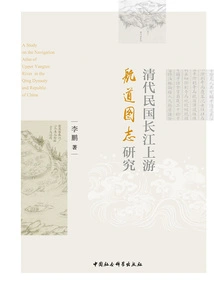
清代民国长江上游航道图志研究
Li Peng
This book starts from the perspective of "knowledge and institutional transformation in modern China" and examines the historical process of chart compilation of the upper reaches of the Yangtze River during the Qing Dynasty and the Republic of China. It re-evaluates the textual value of the traditional chart of the upper reaches of the Yangtze River, and then considers the interactive relationship between the transformation of modern waterway chart compilation and the changes in Sichuan River shipping. Research shows that modern Chinese cartography's recognition and acceptance of Western surveying and mapping technology and cartographic knowledge was a rather complex process of "localized" knowledge production involving Western cultural communicators and local mapmakers. Only by fully understanding the complexity between "tradition" and "modernity" can we truly reconstruct the interpretation system of "modernity" issues in Chinese cartographic history. At the same time, only by compromising "comprehensive modernity" and "local tradition" and paying attention to the creation process of "modern tradition" since the late Qing Dynasty can we rediscover the historical path and specific way for Chinese society to move toward "modernity."
This book starts from the perspective of "knowledge and institutional transformation in modern China" and examines the historical process of chart compilation of the upper reaches of the Yangtze River during the Qing Dynasty and the Republic of China. It re-evaluates the textual value of the traditional chart of the upper reaches of the Yangtze River, and then considers the interactive relationship between the transformation of modern waterway chart compilation and the changes in Sichuan River shipping. Research shows that modern Chinese cartography's recognition and acceptance of Western surveying and mapping technology and cartographic knowledge was a rather complex process of "localized" knowledge production involving Western cultural communicators and local mapmakers. Only by fully understanding the complexity between "tradition" and "modernity" can we truly reconstruct the interpretation system of "modernity" issues in Chinese cartographic history. At the same time, only by compromising "comprehensive modernity" and "local tradition" and paying attention to the creation process of "modern tradition" since the late Qing Dynasty can we rediscover the historical path and specific way for Chinese society to move toward "modernity."

Tenderness Trap
General Fiction温柔陷阱
Li Peng
The sun is shining brightly, and Jiang Hutian's mood is also like this bright sunshine. When he walked out of Datong Bank, he couldn't help but let out a long sigh of relief, thinking that now he could finally choose a place to live in seclusion. Suddenly, he felt something was wrong. He turned around and saw a middle-aged man with a beard not far behind him, following him closely, seemingly unintentionally or intentionally. Jiang Hutian's heart sank: Who is this person? Could it be that he has found out that he is carrying a huge amount of money? But he thought that he knew some kung fu at least, and ordinary people in the world were no match for him, so he didn't care. Jiang Hutian turned around and headed towards a barren mountain, and the bearded man followed him. Jiang Hutian looked up and saw a big banyan tree at the three-way intersection ahead, so he ran quickly; the man was caught off guard, stunned, and quickened his pace.
The sun is shining brightly, and Jiang Hutian's mood is also like this bright sunshine. When he walked out of Datong Bank, he couldn't help but let out a long sigh of relief, thinking that now he could finally choose a place to live in seclusion. Suddenly, he felt something was wrong. He turned around and saw a middle-aged man with a beard not far behind him, following him closely, seemingly unintentionally or intentionally. Jiang Hutian's heart sank: Who is this person? Could it be that he has found out that he is carrying a huge amount of money? But he thought that he knew some kung fu at least, and ordinary people in the world were no match for him, so he didn't care. Jiang Hutian turned around and headed towards a barren mountain, and the bearded man followed him. Jiang Hutian looked up and saw a big banyan tree at the three-way intersection ahead, so he ran quickly; the man was caught off guard, stunned, and quickened his pace.