Library
Browse and search books
20 novels found
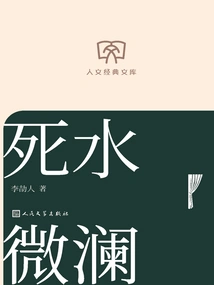
Stagnant Water
General Fiction死水微澜
Li Jieren
"Still Water" is the first of a series of three novels by Li Jieren ("Still Water", "Before the Storm" and "Big Wave"). It is set in Tianhui Town, a small rural village in the northern suburbs of Chengdu, during the historical period of Chinese society from the Sino-Japanese War of 1894 to 1998 and the signing of the Xinchou Treaty. It describes the rise and fall of the Sichuan religious people and Pao Ge at that time, and shows the dark reality of a backwater in the mainland. In terms of artistic expression techniques, the writer breaks out of the traditional Chinese novel emphasis on plot and story. Through a series of stories, he presents a vivid portrait of the "citizen class" of Tianhui Town in front of readers. The depiction of the citizens' psychology is subtle and lifelike. When this book was published in 1936, it became a sensation and attracted great attention from all walks of life. Guo Moruo even called Li Jieren "China's Zola".
"Still Water" is the first of a series of three novels by Li Jieren ("Still Water", "Before the Storm" and "Big Wave"). It is set in Tianhui Town, a small rural village in the northern suburbs of Chengdu, during the historical period of Chinese society from the Sino-Japanese War of 1894 to 1998 and the signing of the Xinchou Treaty. It describes the rise and fall of the Sichuan religious people and Pao Ge at that time, and shows the dark reality of a backwater in the mainland. In terms of artistic expression techniques, the writer breaks out of the traditional Chinese novel emphasis on plot and story. Through a series of stories, he presents a vivid portrait of the "citizen class" of Tianhui Town in front of readers. The depiction of the citizens' psychology is subtle and lifelike. When this book was published in 1936, it became a sensation and attracted great attention from all walks of life. Guo Moruo even called Li Jieren "China's Zola".
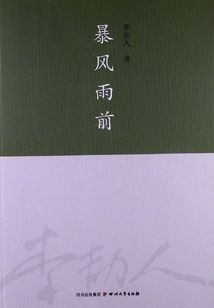
Before the Storm
General Fiction暴风雨前
Li Jieren
Mr. Li Jieren, the author of "Before the Storm", is a famous litterateur and translator in my country. He wrote five to six million words of writings and translations in his lifetime. His trilogy of Dahe novels, "Small Ripples in the Dead Water", "Before the Storm" and "The Big Wave", have become masterpieces handed down from generation to generation. Mr. Li Jieren was called "Zola of China" by his classmate Guo Moruo, and his trilogy was praised by Guo Moruo as "the modern history of novels". Starting from 1935, Mr. Li wrote three consecutive novels, "Small Waves in the Standing Water", "Before the Storm" and "The Big Wave" (Part 1), describing the social life before the Revolution of 1911. These three novels are all set in the author's hometown of Sichuan.
Mr. Li Jieren, the author of "Before the Storm", is a famous litterateur and translator in my country. He wrote five to six million words of writings and translations in his lifetime. His trilogy of Dahe novels, "Small Ripples in the Dead Water", "Before the Storm" and "The Big Wave", have become masterpieces handed down from generation to generation. Mr. Li Jieren was called "Zola of China" by his classmate Guo Moruo, and his trilogy was praised by Guo Moruo as "the modern history of novels". Starting from 1935, Mr. Li wrote three consecutive novels, "Small Waves in the Standing Water", "Before the Storm" and "The Big Wave" (Part 1), describing the social life before the Revolution of 1911. These three novels are all set in the author's hometown of Sichuan.
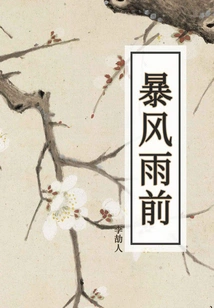
Before the Storm
General Fiction暴风雨前
Li Jieren
Mr. Li Jieren, the author of "Before the Storm", is a famous litterateur and translator in my country. He wrote five to six million words of writings and translations in his lifetime. His trilogy of Dahe novels, "Small Ripples in the Dead Water", "Before the Storm" and "The Big Wave", have become masterpieces handed down from generation to generation. Mr. Li Jieren was called "Zola of China" by his classmate Guo Moruo, and his trilogy was praised by Guo Moruo as "the modern history of novels". Starting from 1935, Mr. Li wrote three consecutive novels, "Small Waves in the Standing Water", "Before the Storm" and "The Big Wave" (Part 1), describing the social life before the Revolution of 1911. These three novels are all set in the author's hometown of Sichuan.
Mr. Li Jieren, the author of "Before the Storm", is a famous litterateur and translator in my country. He wrote five to six million words of writings and translations in his lifetime. His trilogy of Dahe novels, "Small Ripples in the Dead Water", "Before the Storm" and "The Big Wave", have become masterpieces handed down from generation to generation. Mr. Li Jieren was called "Zola of China" by his classmate Guo Moruo, and his trilogy was praised by Guo Moruo as "the modern history of novels". Starting from 1935, Mr. Li wrote three consecutive novels, "Small Waves in the Standing Water", "Before the Storm" and "The Big Wave" (Part 1), describing the social life before the Revolution of 1911. These three novels are all set in the author's hometown of Sichuan.
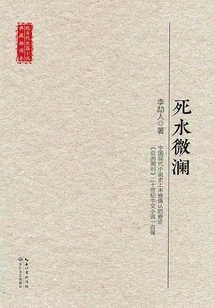
Stagnant Water
General Fiction死水微澜
Li Jieren
"Still Water Waves" is a novel by the famous modern Chinese writer Li Jieren. The novel takes Chengdu, Sichuan and the surrounding towns as the main background, and centers on the historical events where the two forces, the Catholics and the Pao Ge, were turbulent in the Chinese mainland society at that time. It describes the reality of Chinese society before and after the signing of the "Xinchou Treaty"; it gives a comprehensive and vivid portrayal of the local folk customs, the mental state and lifestyle of the citizenry at that time, and is known as "the modern history of the novel." This book is the first part of the "Big River Trilogy" created by the author. Together with Ba Jin's "The Rapids" trilogy, Mao Dun's "Midnight" and Lao She's "Camel Xiangzi", it marks the maturity of modern Chinese novels.
"Still Water Waves" is a novel by the famous modern Chinese writer Li Jieren. The novel takes Chengdu, Sichuan and the surrounding towns as the main background, and centers on the historical events where the two forces, the Catholics and the Pao Ge, were turbulent in the Chinese mainland society at that time. It describes the reality of Chinese society before and after the signing of the "Xinchou Treaty"; it gives a comprehensive and vivid portrayal of the local folk customs, the mental state and lifestyle of the citizenry at that time, and is known as "the modern history of the novel." This book is the first part of the "Big River Trilogy" created by the author. Together with Ba Jin's "The Rapids" trilogy, Mao Dun's "Midnight" and Lao She's "Camel Xiangzi", it marks the maturity of modern Chinese novels.
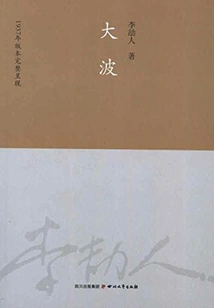
Big Wave (complete Collection)
General Fiction大波(全集)
Li Jieren
Li Jieren's book "Da Bo" is divided into two versions, one is the old version from 1937. One is the author's palimpsest in 1956 after the founding of New China. The content of the two versions is very different, and there is no repeated content in the two versions. This book is the author's 1937 version of "Big Wave". It is presented in its entirety as the 1937 version and is divided into three volumes: upper, middle and lower volumes. The main content is that in order to oppose the Qing government's selling of the road construction rights of the Sichuan-Hankou Railway, Xia Zhishi, Lin Shaoquan and others organized the Road Protection Comrades Association, which was bloody suppressed. The road protection movement developed from petitions to armed resistance. The work contains numerous events and numerous characters, reflecting the intricate struggles between various classes, strata and political factions before and after the Revolution of 1911. The novel "Big Wave", with its strong local color, reflects a turbulent era when people's hearts are floating. It describes the faces of all living beings in a tumultuous era, and is of high value for the study of dialect literature and narrative literature.
Li Jieren's book "Da Bo" is divided into two versions, one is the old version from 1937. One is the author's palimpsest in 1956 after the founding of New China. The content of the two versions is very different, and there is no repeated content in the two versions. This book is the author's 1937 version of "Big Wave". It is presented in its entirety as the 1937 version and is divided into three volumes: upper, middle and lower volumes. The main content is that in order to oppose the Qing government's selling of the road construction rights of the Sichuan-Hankou Railway, Xia Zhishi, Lin Shaoquan and others organized the Road Protection Comrades Association, which was bloody suppressed. The road protection movement developed from petitions to armed resistance. The work contains numerous events and numerous characters, reflecting the intricate struggles between various classes, strata and political factions before and after the Revolution of 1911. The novel "Big Wave", with its strong local color, reflects a turbulent era when people's hearts are floating. It describes the faces of all living beings in a tumultuous era, and is of high value for the study of dialect literature and narrative literature.
Stagnant Water
General Fiction死水微澜
Li Jieren
"Still Water Waves" mainly tells the story of ordinary people in Sichuan before and after the signing of the Xinchou Treaty.
"Still Water Waves" mainly tells the story of ordinary people in Sichuan before and after the signing of the Xinchou Treaty.
Stagnant Water
General Fiction死水微澜
Li Jieren
"Still Water Waves" is set in Tianhui Town on the outskirts of Chengdu, and revolves around the grievances, love and hatred of Deng Yaogu, Luo Waizui, and Gu Tiancheng. Deng Yaogu aspired to become a rich wife in Chengdu, but was forced to marry Cai Xingshun, a grocery store owner, due to family circumstances. Cai Xingshun's cousin Luo Waizui was the leader of Pao Ge. He often came to the store and gradually fell in love with Cai's wife and had an affair. Luo Waizui brought back a woman, Liu Sanjin, who defrauded Gu Tiancheng of money, and before leaving, he also matched up with Luo Waizui and Sister Cai. After being hit by this blow, Gu Tiancheng defected to the "foreign religion" and took advantage of the Eight-Power Allied Forces' annihilation of the Boxer Rebellion to frame Luo Waizui. Luo Waizui was forced to flee... The novel revolves around the fate and emotional trajectory of Sister Cai, showing the constraints and growth of the government, Pao Ge, foreigners and other forces. It reflects the changes in the style and customs of the times under the invasion of foreign forces at that time, and can be called a visual "modern history of novels".
"Still Water Waves" is set in Tianhui Town on the outskirts of Chengdu, and revolves around the grievances, love and hatred of Deng Yaogu, Luo Waizui, and Gu Tiancheng. Deng Yaogu aspired to become a rich wife in Chengdu, but was forced to marry Cai Xingshun, a grocery store owner, due to family circumstances. Cai Xingshun's cousin Luo Waizui was the leader of Pao Ge. He often came to the store and gradually fell in love with Cai's wife and had an affair. Luo Waizui brought back a woman, Liu Sanjin, who defrauded Gu Tiancheng of money, and before leaving, he also matched up with Luo Waizui and Sister Cai. After being hit by this blow, Gu Tiancheng defected to the "foreign religion" and took advantage of the Eight-Power Allied Forces' annihilation of the Boxer Rebellion to frame Luo Waizui. Luo Waizui was forced to flee... The novel revolves around the fate and emotional trajectory of Sister Cai, showing the constraints and growth of the government, Pao Ge, foreigners and other forces. It reflects the changes in the style and customs of the times under the invasion of foreign forces at that time, and can be called a visual "modern history of novels".
Stagnant Water
General Fiction死水微澜
Li Jieren
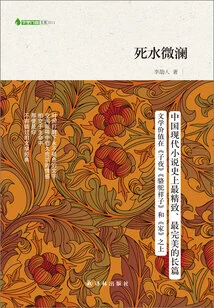
The novel "Still Water Waves" was written in 1935. As soon as it was published, it became a sensation. Guo Moruo even called Li Jieren "China's Zola". "Dead Water" has been frequently put on theater stages and film and television screens, attracting great attention from all walks of life. 70 Years after Mr. Li Jieren wrote the novel, "Dead Water Waves" was adapted for the screen. "Still Water Waves" breaks out of the traditional Chinese novel emphasis on plot and story. Through a series of stories, it presents a vivid portrait of the "citizen class" of Tianhui Town in front of readers. It depicts the psychology of the citizens in a subtle and vivid way.
The novel "Still Water Waves" was written in 1935. As soon as it was published, it became a sensation. Guo Moruo even called Li Jieren "China's Zola". "Dead Water" has been frequently put on theater stages and film and television screens, attracting great attention from all walks of life. 70 Years after Mr. Li Jieren wrote the novel, "Dead Water Waves" was adapted for the screen. "Still Water Waves" breaks out of the traditional Chinese novel emphasis on plot and story. Through a series of stories, it presents a vivid portrait of the "citizen class" of Tianhui Town in front of readers. It depicts the psychology of the citizens in a subtle and vivid way.
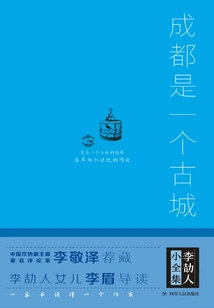
Chengdu is an Ancient City
Literature成都是一个古城
Li Jieren
"Chengdu is an Ancient City (Essence)\u002F The Complete Works of Li Jieren" is a selection of Li Jieren's prose and an introduction to Chengdu culture. The whole book is classified and arranged according to the similarities and differences in content, and within the same category, the publication date is in order. Li Jieren's prose is rich in content, covering life, culture, civil war records during the Republic of China, Chengdu folk culture and many other aspects. The language is humorous and full of profound thoughts. It is actually a high-quality prose work in literature at present. This comprehensive collection is of great significance and has important literary and historical value.
"Chengdu is an Ancient City (Essence)\u002F The Complete Works of Li Jieren" is a selection of Li Jieren's prose and an introduction to Chengdu culture. The whole book is classified and arranged according to the similarities and differences in content, and within the same category, the publication date is in order. Li Jieren's prose is rich in content, covering life, culture, civil war records during the Republic of China, Chengdu folk culture and many other aspects. The language is humorous and full of profound thoughts. It is actually a high-quality prose work in literature at present. This comprehensive collection is of great significance and has important literary and historical value.
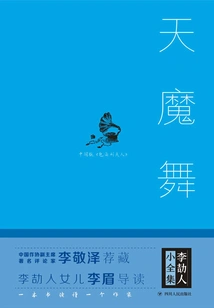
李劼人小全集:天魔舞(精装)
Li Jieren
"The Dance of the Demons" written by Li Jieren is a novel describing the social scene and human conditions of Chengdu in the rear area during the late Anti-Japanese War. The story is set in the era after the Kuomintang moved its capital to Chongqing in 1938. It describes the lives of the Kuomintang government officials, big and small, who came to Chengdu during the "National War", ordinary people who went down the river, and ordinary people living in Chengdu itself. It reflects the real life of the prostitutes in that special era. Mr. Li Jieren used his broad strokes to depict the minions and men and women of government officials who were in dire straits, such as Chen Dengyun and Chen Lihua, as well as ordinary people such as Bai Zhishi and Tang Shuzhen. At the same time, he vividly reproduced the customs and customs of Chengdu in the rear area during the Anti-Japanese War, especially the people of Chengdu. Urban life, the rural scenery of Chengdu, the patriotic enthusiasm of young students joining the army, the joining of the American Allied Forces, the precarious lives of ordinary people... "The Dance of the Demons" has a vivid story, the era scenes are like the present, with rich characteristics of the times and regional colors, distinctive language features, and lifelike characters.
"The Dance of the Demons" written by Li Jieren is a novel describing the social scene and human conditions of Chengdu in the rear area during the late Anti-Japanese War. The story is set in the era after the Kuomintang moved its capital to Chongqing in 1938. It describes the lives of the Kuomintang government officials, big and small, who came to Chengdu during the "National War", ordinary people who went down the river, and ordinary people living in Chengdu itself. It reflects the real life of the prostitutes in that special era. Mr. Li Jieren used his broad strokes to depict the minions and men and women of government officials who were in dire straits, such as Chen Dengyun and Chen Lihua, as well as ordinary people such as Bai Zhishi and Tang Shuzhen. At the same time, he vividly reproduced the customs and customs of Chengdu in the rear area during the Anti-Japanese War, especially the people of Chengdu. Urban life, the rural scenery of Chengdu, the patriotic enthusiasm of young students joining the army, the joining of the American Allied Forces, the precarious lives of ordinary people... "The Dance of the Demons" has a vivid story, the era scenes are like the present, with rich characteristics of the times and regional colors, distinctive language features, and lifelike characters.
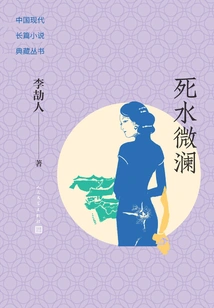
Stagnant Water
General Fiction死水微澜
Li Jieren
"Still Water" is the first of a series of three novels by Li Jieren ("Still Water", "Before the Storm" and "Big Wave"). It is set in Tianhui Town, a small rural village in the northern suburbs of Chengdu, during the historical period of Chinese society from the Sino-Japanese War of 1894 to 1998 and the signing of the Xinchou Treaty. It describes the rise and fall of the Sichuan religious people and Pao Ge at that time, and shows the dark reality of a backwater in the mainland. In terms of artistic expression techniques, the writer breaks out of the traditional Chinese novel emphasis on plot and story. Through a series of stories, he presents a vivid portrait of the "citizen class" of Tianhui Town in front of readers. The depiction of the citizens' psychology is subtle and lifelike. When this book was published in 1936, it became a sensation and attracted great attention from all walks of life. Guo Moruo even called Li Jieren "China's Zola".
"Still Water" is the first of a series of three novels by Li Jieren ("Still Water", "Before the Storm" and "Big Wave"). It is set in Tianhui Town, a small rural village in the northern suburbs of Chengdu, during the historical period of Chinese society from the Sino-Japanese War of 1894 to 1998 and the signing of the Xinchou Treaty. It describes the rise and fall of the Sichuan religious people and Pao Ge at that time, and shows the dark reality of a backwater in the mainland. In terms of artistic expression techniques, the writer breaks out of the traditional Chinese novel emphasis on plot and story. Through a series of stories, he presents a vivid portrait of the "citizen class" of Tianhui Town in front of readers. The depiction of the citizens' psychology is subtle and lifelike. When this book was published in 1936, it became a sensation and attracted great attention from all walks of life. Guo Moruo even called Li Jieren "China's Zola".
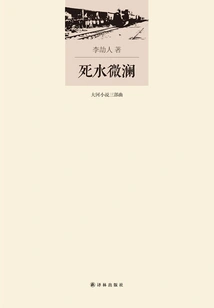
Stagnant Water
General Fiction死水微澜
Li Jieren
The novel "Still Water Waves" was written in 1935. As soon as it was published, it became a sensation. Guo Moruo even called Li Jieren "China's Zola". "Dead Water" has been frequently put on theater stages and film and television screens, attracting great attention from all walks of life. 70 Years after Mr. Li Jieren wrote the novel, "Dead Water Waves" was adapted for the screen. "Still Water Waves" breaks out of the traditional Chinese novel emphasis on plot and story. Through a series of stories, it presents a vivid portrait of the "citizen class" of Tianhui Town in front of readers. It depicts the psychology of the citizens in a subtle and vivid way.
The novel "Still Water Waves" was written in 1935. As soon as it was published, it became a sensation. Guo Moruo even called Li Jieren "China's Zola". "Dead Water" has been frequently put on theater stages and film and television screens, attracting great attention from all walks of life. 70 Years after Mr. Li Jieren wrote the novel, "Dead Water Waves" was adapted for the screen. "Still Water Waves" breaks out of the traditional Chinese novel emphasis on plot and story. Through a series of stories, it presents a vivid portrait of the "citizen class" of Tianhui Town in front of readers. It depicts the psychology of the citizens in a subtle and vivid way.
Big Wave
General Fiction大波
Li Jieren
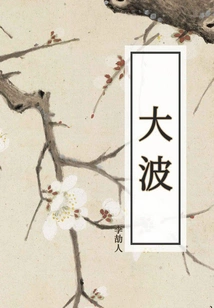
"Big Wave" is Mr. Li Jieren's most important masterpiece. It describes how the Sichuan people organized the Road Protection Comrades Association under the leadership of Luo Lun, Pu Dianjun, Deng Xiaoke and others to oppose the Qing government's selling of the Sichuan-Hankou Railway construction rights. After being brutally suppressed by Zhao Erfeng, the road protection movement developed from petitions to armed resistance. The work involves numerous events and numerous characters, reflecting the intricate struggles between various classes, strata, and political factions at that time, and depicts a large number of people with different personalities such as Huang Lansheng, Mrs. Huang, Chu Zicai, Fu Longsheng, Wang Wenbing, and Wu Fengwu.
"Big Wave" is Mr. Li Jieren's most important masterpiece. It describes how the Sichuan people organized the Road Protection Comrades Association under the leadership of Luo Lun, Pu Dianjun, Deng Xiaoke and others to oppose the Qing government's selling of the Sichuan-Hankou Railway construction rights. After being brutally suppressed by Zhao Erfeng, the road protection movement developed from petitions to armed resistance. The work involves numerous events and numerous characters, reflecting the intricate struggles between various classes, strata, and political factions at that time, and depicts a large number of people with different personalities such as Huang Lansheng, Mrs. Huang, Chu Zicai, Fu Longsheng, Wang Wenbing, and Wu Fengwu.
Before the Storm
General Fiction暴风雨前
Li Jieren
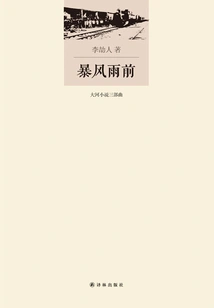
"Before the Storm" displays the overlapping of mainstream culture and secular culture in a flexible narrative, reproducing China's social conditions from 1901 to 1910 in a broader space. From the reform movement at the end of the Qing Dynasty to the folk religious movement at the beginning of the century, "Before the Storm" explains at a very in-depth level the huge historical changes that modern China is facing and is taking place, and depicts the origins of the road protection movement in Sichuan.
"Before the Storm" displays the overlapping of mainstream culture and secular culture in a flexible narrative, reproducing China's social conditions from 1901 to 1910 in a broader space. From the reform movement at the end of the Qing Dynasty to the folk religious movement at the beginning of the century, "Before the Storm" explains at a very in-depth level the huge historical changes that modern China is facing and is taking place, and depicts the origins of the road protection movement in Sichuan.
Tianmowu
General Fiction天魔舞
Li Jieren
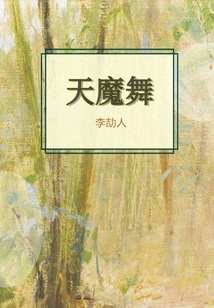
"The Dance of the Demons" is another masterpiece written by Li Jieren after the historical novels "Small Waves in the Dead Water", "Before the Storm" and "The Big Wave", which reflect historical storms.
"The Dance of the Demons" is another masterpiece written by Li Jieren after the historical novels "Small Waves in the Dead Water", "Before the Storm" and "The Big Wave", which reflect historical storms.
Li Jieren's Best Selections
Literature李劼人精品选
Li Jieren
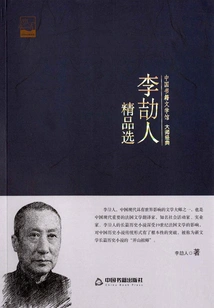
The content of this book includes mourning for the poet Wu Fangji, remembering Mr. Liu Shizhi, paying homage to Mr. Liu Yubo, recalling Wang Guangqi during the May Fourth Movement, remembering the martyr Zhao Shiyan, recalling Weicheng, recalling Dongxiang County, exactly the day before last year, a street in Chengdu, visiting Korea, the past and future of "Sunday", alas! Lectures, miscellaneous memories of Jiayou, three pieces of "Random Talk", notes in the excitement, Spring Festival couplets, etc.
The content of this book includes mourning for the poet Wu Fangji, remembering Mr. Liu Shizhi, paying homage to Mr. Liu Yubo, recalling Wang Guangqi during the May Fourth Movement, remembering the martyr Zhao Shiyan, recalling Weicheng, recalling Dongxiang County, exactly the day before last year, a street in Chengdu, visiting Korea, the past and future of "Sunday", alas! Lectures, miscellaneous memories of Jiayou, three pieces of "Random Talk", notes in the excitement, Spring Festival couplets, etc.
Tianmowu
General Fiction天魔舞
Li Jieren
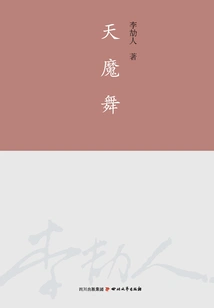
"The Dance of the Demons" is a novel that describes the social scene and human conditions of Chengdu in the rear area during the late Anti-Japanese War. The story is set in the era after the Kuomintang moved its capital to Chongqing in 1938. It describes the lives of the Kuomintang government officials and officials who came to Chengdu during the "National War", ordinary people living on the river, and ordinary people living in Chengdu. It reflects the real life of the prostitutes in that special era. Mr. Li Jieren used his broad strokes to depict the minions and men and women of government officials who were in dire straits, such as Chen Dengyun and Chen Lihua, as well as ordinary people such as Bai Zhishi and Tang Shuzhen. At the same time, he vividly reproduced the customs and customs of Chengdu in the rear area during the Anti-Japanese War, especially the urban life in Chengdu and the rural style of Chengdu. Scenes include the patriotic enthusiasm of young students joining the army, the joining of the American Allied Forces, and the precarious lives of ordinary people.
"The Dance of the Demons" is a novel that describes the social scene and human conditions of Chengdu in the rear area during the late Anti-Japanese War. The story is set in the era after the Kuomintang moved its capital to Chongqing in 1938. It describes the lives of the Kuomintang government officials and officials who came to Chengdu during the "National War", ordinary people living on the river, and ordinary people living in Chengdu. It reflects the real life of the prostitutes in that special era. Mr. Li Jieren used his broad strokes to depict the minions and men and women of government officials who were in dire straits, such as Chen Dengyun and Chen Lihua, as well as ordinary people such as Bai Zhishi and Tang Shuzhen. At the same time, he vividly reproduced the customs and customs of Chengdu in the rear area during the Anti-Japanese War, especially the urban life in Chengdu and the rural style of Chengdu. Scenes include the patriotic enthusiasm of young students joining the army, the joining of the American Allied Forces, and the precarious lives of ordinary people.
李劼人的经典小说:大波全集(套装共7册)
Li Jieren
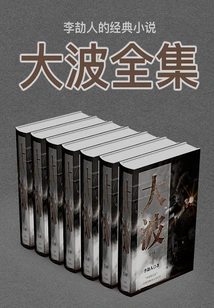
This book is a novel narrated by the author in the local characteristic language of Bashu. The content is that in order to oppose the Qing government's selling of the right to build the Sichuan-Hankou Railway, Xia Zhishi, Lin Shaoquan and others organized the Road Protection Comrades Association, but were brutally suppressed, causing an uproar among the people. As a result, the road protection movement developed from a petition to a revolutionary movement of armed resistance. This book focuses on the relationship between upper-level bureaucrats and historical figures, reproduces the road protection movement that took place in Sichuan in the early 19th century, and vividly describes to us the life under the rule of the late Qing government.
This book is a novel narrated by the author in the local characteristic language of Bashu. The content is that in order to oppose the Qing government's selling of the right to build the Sichuan-Hankou Railway, Xia Zhishi, Lin Shaoquan and others organized the Road Protection Comrades Association, but were brutally suppressed, causing an uproar among the people. As a result, the road protection movement developed from a petition to a revolutionary movement of armed resistance. This book focuses on the relationship between upper-level bureaucrats and historical figures, reproduces the road protection movement that took place in Sichuan in the early 19th century, and vividly describes to us the life under the rule of the late Qing government.
李劼人小全集:死水微澜(精装)
Li Jieren
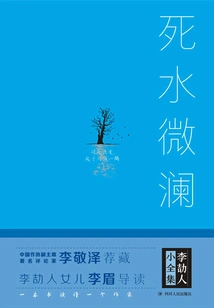
"Still Water Waves\u002F The Complete Works of Li Jieren" is set in Sichuan, focusing on the conflicts and entanglements between Luo Waizui, the leader of Brother Pao, and farmers Gu Tiancheng and Sister Cai. It also depicts a broad social picture from the Sino-Japanese War of 1884 to 1911, and highly combines the epic nature with the description of the world and human conditions, showing the author's profound literary skills. Taking this as the main line, the novel vividly depicts the local folk customs, the mental state and lifestyle of the citizens at that time, fully displaying the dark side of reality that was like a stagnant water. After the invasion of European and American material civilization, the mutual agitation and ebb and flow of the two forces, the religious people and the pao brothers, stirred up "little waves" in the "stagnant water", reflecting the historical atmosphere of imperialism's invasion of China and the humiliation and surrender of the Qing government.
"Still Water Waves\u002F The Complete Works of Li Jieren" is set in Sichuan, focusing on the conflicts and entanglements between Luo Waizui, the leader of Brother Pao, and farmers Gu Tiancheng and Sister Cai. It also depicts a broad social picture from the Sino-Japanese War of 1884 to 1911, and highly combines the epic nature with the description of the world and human conditions, showing the author's profound literary skills. Taking this as the main line, the novel vividly depicts the local folk customs, the mental state and lifestyle of the citizens at that time, fully displaying the dark side of reality that was like a stagnant water. After the invasion of European and American material civilization, the mutual agitation and ebb and flow of the two forces, the religious people and the pao brothers, stirred up "little waves" in the "stagnant water", reflecting the historical atmosphere of imperialism's invasion of China and the humiliation and surrender of the Qing government.
Dead Water Waves (red Classic)
General Fiction死水微澜(红色经典)
Li Jieren
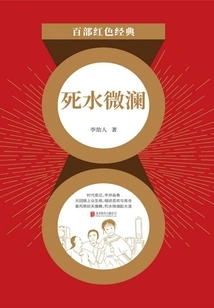
This book tells the story of what happened in a corner of Sichuan before and after the signing of the "Xinchou Treaty". Through a series of stories, the author presents a vivid group portrait of the "citizen class" in Tianhui Town. At the same time, Luo Waizui and Gu Tiancheng compete for Sister Cai, and finally Gu wins and Luo loses, which actually reflects the colonial power's defeat of the feudal power. Taking this as the main line, the novel vividly depicts the local folk customs, the mental state and lifestyle of the citizens at that time, fully displaying the dark side of reality that was like a backwater. After the invasion of European and American material civilization, the mutual agitation and ebb and flow of the two local forces stirred up "little waves" in the "backwater", which reflected the historical atmosphere of imperialism's invasion of China and the Qing government's humiliating surrender.
This book tells the story of what happened in a corner of Sichuan before and after the signing of the "Xinchou Treaty". Through a series of stories, the author presents a vivid group portrait of the "citizen class" in Tianhui Town. At the same time, Luo Waizui and Gu Tiancheng compete for Sister Cai, and finally Gu wins and Luo loses, which actually reflects the colonial power's defeat of the feudal power. Taking this as the main line, the novel vividly depicts the local folk customs, the mental state and lifestyle of the citizens at that time, fully displaying the dark side of reality that was like a backwater. After the invasion of European and American material civilization, the mutual agitation and ebb and flow of the two local forces stirred up "little waves" in the "backwater", which reflected the historical atmosphere of imperialism's invasion of China and the Qing government's humiliating surrender.