Library
Browse and search books
2 novels found
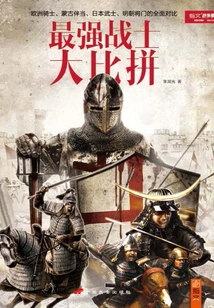
最强战士大比拼
Li Huguang
As one of the four ancient civilizations, China has a military culture that ranks first in the world. The soldiers of the ancient Chinese feudal dynasty had long used force to connect the distant East and the West. Hundreds of years before China was opened to the country by the West with strong ships and cannons, there had been large-scale collisions between the armies of the East and the West. Ancient Chinese warriors, Japanese samurai, and European knights used Eurasia as the arena and launched many thrilling competitions. European knights and Japanese samurai were both products of the feudal enfeoffment system, and such a system existed in some areas in ancient China for a long time. This is how the Mongolian companions and the Ming Dynasty generals came into being. European knights, Japanese samurai, Mongolian sidemen, and Ming Dynasty generals all have similar but distinctive military cultures, and they have also fought fiercely on the battlefield. Through a large number of historical facts, this book studies the political systems and economic foundations on which military groups in these different countries rely, compares their living habits, religious beliefs and other aspects, finds out their similarities and differences, and attempts to answer the question "who is the strongest?"
As one of the four ancient civilizations, China has a military culture that ranks first in the world. The soldiers of the ancient Chinese feudal dynasty had long used force to connect the distant East and the West. Hundreds of years before China was opened to the country by the West with strong ships and cannons, there had been large-scale collisions between the armies of the East and the West. Ancient Chinese warriors, Japanese samurai, and European knights used Eurasia as the arena and launched many thrilling competitions. European knights and Japanese samurai were both products of the feudal enfeoffment system, and such a system existed in some areas in ancient China for a long time. This is how the Mongolian companions and the Ming Dynasty generals came into being. European knights, Japanese samurai, Mongolian sidemen, and Ming Dynasty generals all have similar but distinctive military cultures, and they have also fought fiercely on the battlefield. Through a large number of historical facts, this book studies the political systems and economic foundations on which military groups in these different countries rely, compares their living habits, religious beliefs and other aspects, finds out their similarities and differences, and attempts to answer the question "who is the strongest?"
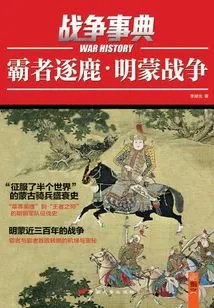
战争事典特辑001:霸者逐鹿:明蒙战争
Li Huguang
Although the Yuan Empire, which came from the Mongolian grasslands and relied on cavalry, declined in the mid-to-late fourteenth century, the cavalry was not obsolete and still played an indispensable role in the wars between the Yuan Dynasty and the Ming Dynasty. The emerging Ming Dynasty unified the Central Plains by force. Over the next half century, it sent troops to take the initiative many times, deep into the Mongolian grasslands, and launched aggressive strategic offensives against the remnants of the Yuan Dynasty who had fled back beyond the Great Wall, with few defeats. However, since Ming Renzong, the fourth emperor of the Ming Dynasty, succeeded to the throne, he turned from offense to defense. The Mongolian tribes made a comeback and went south to confront the Ming army. By the time the sixth emperor Ming Yingzong came to power, due to his incompetence in running the army, hundreds of thousands of troops in the Northern Expedition were completely defeated in the decisive battle of Tumubao. The famous minister Yu Qian was ordered to face danger and won the battle to defend Beijing. Unfortunately, he died due to internal struggles. For more than a hundred years, the Ming and Mongolian sides faced each other, sometimes at war and sometimes at peace.
Although the Yuan Empire, which came from the Mongolian grasslands and relied on cavalry, declined in the mid-to-late fourteenth century, the cavalry was not obsolete and still played an indispensable role in the wars between the Yuan Dynasty and the Ming Dynasty. The emerging Ming Dynasty unified the Central Plains by force. Over the next half century, it sent troops to take the initiative many times, deep into the Mongolian grasslands, and launched aggressive strategic offensives against the remnants of the Yuan Dynasty who had fled back beyond the Great Wall, with few defeats. However, since Ming Renzong, the fourth emperor of the Ming Dynasty, succeeded to the throne, he turned from offense to defense. The Mongolian tribes made a comeback and went south to confront the Ming army. By the time the sixth emperor Ming Yingzong came to power, due to his incompetence in running the army, hundreds of thousands of troops in the Northern Expedition were completely defeated in the decisive battle of Tumubao. The famous minister Yu Qian was ordered to face danger and won the battle to defend Beijing. Unfortunately, he died due to internal struggles. For more than a hundred years, the Ming and Mongolian sides faced each other, sometimes at war and sometimes at peace.