Library
Browse and search books
330 novels found
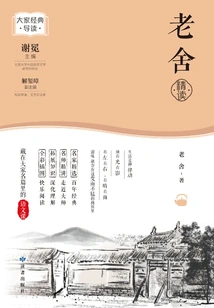
老舍精读(大家经典导读)
Lao She
This collection of Lao She's short stories includes Lao She's well-known short stories such as "Crescent Moon" and "The Soul-Breaking Gun", striving to fully demonstrate the charm of Lao She's Beijing-style novels.
This collection of Lao She's short stories includes Lao She's well-known short stories such as "Crescent Moon" and "The Soul-Breaking Gun", striving to fully demonstrate the charm of Lao She's Beijing-style novels.
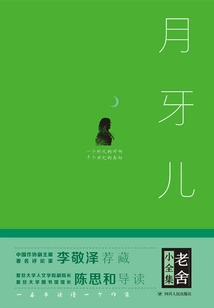
The Complete Works of Lao She: Crescent Moon (hardcover)
General Fiction老舍小全集:月牙儿(精装)
Lao She
"Crescent Moon'er\u002F Lao She's Complete Works" by Lao She selects Lao She's very representative short and medium-sized novels, such as "Crescent Moon'er", "My Life", "The Soul-Breaking Gun", "The Man Who Never Lies", etc. "Crescent Moon" describes the tragic life experiences of two generations of prostitutes, mother and daughter, and deeply reflects the living conditions of China's urban poor in the first half of the 20th century. The tragedy of a small family and a small person reflects the vicissitudes and pathos of a period of history. "My Life" describes the rough life of an ordinary patrolman in the old days. It is also the finale of Lao She's first golden period of creation, and it has a particularly progressive atmosphere that stands out from the times. "The Soul-Breaking Gun" reflects the helplessness and loneliness of ordinary people in the great historical changes through the frustrated situation of an old escort. The short page is full of desolation and sadness, which makes people have endless aftertaste.
"Crescent Moon'er\u002F Lao She's Complete Works" by Lao She selects Lao She's very representative short and medium-sized novels, such as "Crescent Moon'er", "My Life", "The Soul-Breaking Gun", "The Man Who Never Lies", etc. "Crescent Moon" describes the tragic life experiences of two generations of prostitutes, mother and daughter, and deeply reflects the living conditions of China's urban poor in the first half of the 20th century. The tragedy of a small family and a small person reflects the vicissitudes and pathos of a period of history. "My Life" describes the rough life of an ordinary patrolman in the old days. It is also the finale of Lao She's first golden period of creation, and it has a particularly progressive atmosphere that stands out from the times. "The Soul-Breaking Gun" reflects the helplessness and loneliness of ordinary people in the great historical changes through the frustrated situation of an old escort. The short page is full of desolation and sadness, which makes people have endless aftertaste.
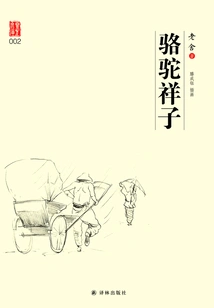
Camel Xiangzi
General Fiction骆驼祥子
Lao She
"Camel Xiangzi" is the representative work of the famous modern Chinese writer Lao She. It was first published in the magazine "Universe Wind" in 1936. "Camel Xiangzi" describes the bitter story of Xiangzi, a rickshaw driver in old Beijing in the 1920s and 1930s. This novel makes extensive use of Beijing spoken language, dialects, and some descriptions of old Beijing's customs and customs. It is a classic work of modern vernacular novels.
"Camel Xiangzi" is the representative work of the famous modern Chinese writer Lao She. It was first published in the magazine "Universe Wind" in 1936. "Camel Xiangzi" describes the bitter story of Xiangzi, a rickshaw driver in old Beijing in the 1920s and 1930s. This novel makes extensive use of Beijing spoken language, dialects, and some descriptions of old Beijing's customs and customs. It is a classic work of modern vernacular novels.
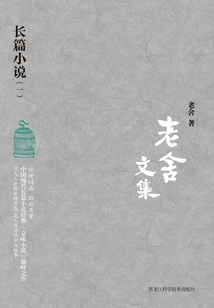
Collected Works of Lao She: Novels (1)
General Fiction老舍文集:长篇小说(一)
Lao She
This volume includes Mr. Lao She's novels "Camel Xiangzi", "Drum Calligraphy Artist" and "The Biography of Niu Tianci": "Camel Xiangzi" takes the whereabouts of Xiangzi, a rickshaw driver in Peiping (today's Beijing) as a clue, and tells the story of the 1920s in the 20th century. Taking the life of Beijing citizens at the end of the Era as the background, it describes the ups and downs and tragic experiences of Xiangzi's transformation from a human to a "beast", and shows people the picture of the poor citizens at the bottom of Beijing living in an abyss of pain under the warlords' melee and dark rule. "Artist of Drum Calligraphy" tells the story of the sufferings of Fang Baoqing, a drum calligraphy artist, and his family: Baoqing's brother Baosen was killed by the Japanese army; his daughter Xiulian was ruined by Zhang Wen after her marriage to the progressive writer Meng Liang fell through; and her married daughter Dafeng was also abandoned. Just in line with the saying: "A lifetime of making art, three lifetimes of suffering." "The Legend of Niu Tianci" tells the story of a child named Niu Tianci who became a "waste" in an abnormal businessman family and inappropriate school education.
This volume includes Mr. Lao She's novels "Camel Xiangzi", "Drum Calligraphy Artist" and "The Biography of Niu Tianci": "Camel Xiangzi" takes the whereabouts of Xiangzi, a rickshaw driver in Peiping (today's Beijing) as a clue, and tells the story of the 1920s in the 20th century. Taking the life of Beijing citizens at the end of the Era as the background, it describes the ups and downs and tragic experiences of Xiangzi's transformation from a human to a "beast", and shows people the picture of the poor citizens at the bottom of Beijing living in an abyss of pain under the warlords' melee and dark rule. "Artist of Drum Calligraphy" tells the story of the sufferings of Fang Baoqing, a drum calligraphy artist, and his family: Baoqing's brother Baosen was killed by the Japanese army; his daughter Xiulian was ruined by Zhang Wen after her marriage to the progressive writer Meng Liang fell through; and her married daughter Dafeng was also abandoned. Just in line with the saying: "A lifetime of making art, three lifetimes of suffering." "The Legend of Niu Tianci" tells the story of a child named Niu Tianci who became a "waste" in an abnormal businessman family and inappropriate school education.
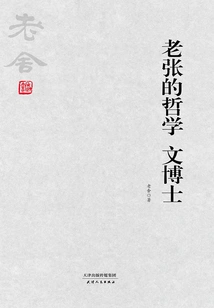
Lao Zhang's Philosophy Dr. Wen
General Fiction老张的哲学 文博士
Lao She
"Lao Zhang's Philosophy" is Lao She's early work, first published in "Novel Monthly" in 1926, and first printed by the Commercial Press in 1928. It is the starting point for the formation of Lao She's unique artistic personality. The protagonist Lao Zhang is a villain in old Beijing. He holds three professions: "soldier, scholar, and business", and believes in three religions: "Hui, Ye, and Buddhism"; he believes in the "money-based and trinity" philosophy of life. The connotation and essence of the so-called "Lao Zhang's philosophy" is naked philistine philosophy. The novel uses the main plot of Lao Zhang to seize money for himself and resorts to harsh means to break up two pairs of lovers, criticizing this philistine philosophy. "Dr. Wen" tells the story of Dr. Wen, a doctor who studied in the United States. He is a literary and ruffian politician who has no knowledge but is good at political skills. He used the foreign name of a doctor studying in the United States to cheat, curry favor with the powerful, and get a job as a "commissioner" with both fame and fortune. The philosophy of life he believes in is the two-in-one of "money standard plus official standard".
"Lao Zhang's Philosophy" is Lao She's early work, first published in "Novel Monthly" in 1926, and first printed by the Commercial Press in 1928. It is the starting point for the formation of Lao She's unique artistic personality. The protagonist Lao Zhang is a villain in old Beijing. He holds three professions: "soldier, scholar, and business", and believes in three religions: "Hui, Ye, and Buddhism"; he believes in the "money-based and trinity" philosophy of life. The connotation and essence of the so-called "Lao Zhang's philosophy" is naked philistine philosophy. The novel uses the main plot of Lao Zhang to seize money for himself and resorts to harsh means to break up two pairs of lovers, criticizing this philistine philosophy. "Dr. Wen" tells the story of Dr. Wen, a doctor who studied in the United States. He is a literary and ruffian politician who has no knowledge but is good at political skills. He used the foreign name of a doctor studying in the United States to cheat, curry favor with the powerful, and get a job as a "commissioner" with both fame and fortune. The philosophy of life he believes in is the two-in-one of "money standard plus official standard".
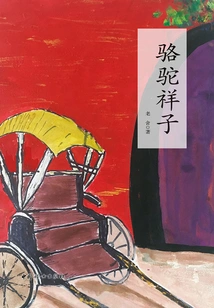
Camel Xiangzi
Literature骆驼祥子
Lao She
"Camel Xiangzi" describes the tragic experiences of Xiangzi who moved from the countryside to Beijing. It tells the story of how Xiangzi, a kind, responsible and righteous rickshaw puller, gradually deteriorated in life, personality and politics under the corrosion of the dark society, and finally became neither a human nor a ghost.
"Camel Xiangzi" describes the tragic experiences of Xiangzi who moved from the countryside to Beijing. It tells the story of how Xiangzi, a kind, responsible and righteous rickshaw puller, gradually deteriorated in life, personality and politics under the corrosion of the dark society, and finally became neither a human nor a ghost.
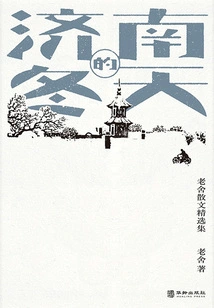
Jinan's Winter
Literature济南的冬天
Lao She
Selected articles include "Master Zongyue" read by Pu Cunxin of CCTV's "The Reader", the famous "My Ideal Family" read by Li Liqun, "Busy" read by Jin Chen of "Model Reading", and "Talk about Reading" read by Fan Deng. There are also outstanding works that have been included in the textbooks of primary and secondary schools, such as "Spring Festival in Beijing", "Cats", "Flowers", "Hens", "Winter in Jinan", "Spring Breeze", etc. The selected articles have not been deleted or edited, retaining the authentic "Beijing flavor". There are travel notes and chats, essays and essays, diary letters, descriptions of scenery, objects, people, and things, all of which are affectionate and interesting. Planting flowers and entertaining birds, raising cats and writing, he lived an ordinary life in a loving and interesting way. The writing is true and pure, and the language is plain and vivid. The simple innocence and worldly wisdom are revealed between the lines, as well as the poignant irony. It is full of thoughts about life. It is heart-warming and healing to read, and you can't bear to put it down.
Selected articles include "Master Zongyue" read by Pu Cunxin of CCTV's "The Reader", the famous "My Ideal Family" read by Li Liqun, "Busy" read by Jin Chen of "Model Reading", and "Talk about Reading" read by Fan Deng. There are also outstanding works that have been included in the textbooks of primary and secondary schools, such as "Spring Festival in Beijing", "Cats", "Flowers", "Hens", "Winter in Jinan", "Spring Breeze", etc. The selected articles have not been deleted or edited, retaining the authentic "Beijing flavor". There are travel notes and chats, essays and essays, diary letters, descriptions of scenery, objects, people, and things, all of which are affectionate and interesting. Planting flowers and entertaining birds, raising cats and writing, he lived an ordinary life in a loving and interesting way. The writing is true and pure, and the language is plain and vivid. The simple innocence and worldly wisdom are revealed between the lines, as well as the poignant irony. It is full of thoughts about life. It is heart-warming and healing to read, and you can't bear to put it down.
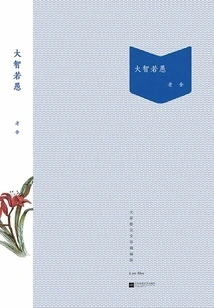
Great Wisdom but Foolishness
Literature大智若愚
Lao She
Mr. Lao She is a famous modern novelist and dramatist in my country. This book collects more than 60 long and short essays that he published sporadically, divided into seven series, roughly arranged in order of the year when the works were published. Lao She's works are known for their simple humor and colloquial language. From these prose, readers can once again appreciate Mr. Lao She's style as a folk language master.
Mr. Lao She is a famous modern novelist and dramatist in my country. This book collects more than 60 long and short essays that he published sporadically, divided into seven series, roughly arranged in order of the year when the works were published. Lao She's works are known for their simple humor and colloquial language. From these prose, readers can once again appreciate Mr. Lao She's style as a folk language master.
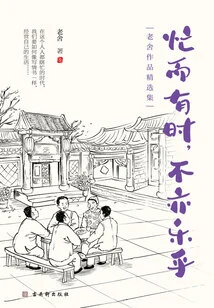
忙而有时,不亦乐乎(老舍作品精选集)
Lao She
This book is divided into four series: "Love comforts the busy years", "Writers' tips", "Come to complain occasionally", "Let's express my love through pen and ink", and selects classics such as "Literature and Carpenters", "Dance Sword at First Look and Busy Picking Up the Pen", "Description of Scenery", "How to Write Popular Literature and Art", "When Humor Becomes Grease", "Not to Die in the Examination is a God", "How to Allow a Person", "My Mother" and other classics. With an open-minded and open-minded heart, Lao She shared his personal opinions on literature, art, classical books, etc., Summarized creative techniques and thoughts, commented on life with humorous writing, and recorded the lives and events of relatives and friends, etc., Demonstrating his talent, humor, wisdom, and understanding of life and worldly affairs.
This book is divided into four series: "Love comforts the busy years", "Writers' tips", "Come to complain occasionally", "Let's express my love through pen and ink", and selects classics such as "Literature and Carpenters", "Dance Sword at First Look and Busy Picking Up the Pen", "Description of Scenery", "How to Write Popular Literature and Art", "When Humor Becomes Grease", "Not to Die in the Examination is a God", "How to Allow a Person", "My Mother" and other classics. With an open-minded and open-minded heart, Lao She shared his personal opinions on literature, art, classical books, etc., Summarized creative techniques and thoughts, commented on life with humorous writing, and recorded the lives and events of relatives and friends, etc., Demonstrating his talent, humor, wisdom, and understanding of life and worldly affairs.
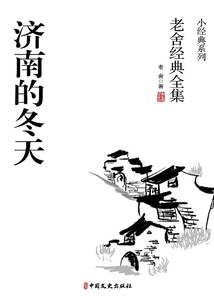
济南的冬天(老舍经典全集)
Lao She
This book is a collection of classic prose by the literary master Lao She. In order to help readers better understand the essence of Lao She's works, this anthology has screened and organized some of Mr. Lao She's outstanding prose works, including "Spring Breeze", "Thinking of Peiping", "Photograph", "Looking Up to See Joy", "Spring Breeze", "Cat", "My Mother", "Qingdao in May", "Spring Festival in Beijing", "Dialogue with Jinan", "Appreciation of Baotu Spring" and other representative classic prose works by Mr. Lao She. The details of Lao She's prose are ordinary and the writing is natural, but they are all words flowing from the bottom of his heart; and his humor is lighthearted, playful, and full of wisdom, which can be called a model of Chinese literati humor. His thoughts, wisdom and talents are worthy of continuous reading, exploration and research. Lao She's humor is light-hearted, playful, and wise. It is a pleasure to read every time and is worth collecting by readers.
This book is a collection of classic prose by the literary master Lao She. In order to help readers better understand the essence of Lao She's works, this anthology has screened and organized some of Mr. Lao She's outstanding prose works, including "Spring Breeze", "Thinking of Peiping", "Photograph", "Looking Up to See Joy", "Spring Breeze", "Cat", "My Mother", "Qingdao in May", "Spring Festival in Beijing", "Dialogue with Jinan", "Appreciation of Baotu Spring" and other representative classic prose works by Mr. Lao She. The details of Lao She's prose are ordinary and the writing is natural, but they are all words flowing from the bottom of his heart; and his humor is lighthearted, playful, and full of wisdom, which can be called a model of Chinese literati humor. His thoughts, wisdom and talents are worthy of continuous reading, exploration and research. Lao She's humor is light-hearted, playful, and wise. It is a pleasure to read every time and is worth collecting by readers.
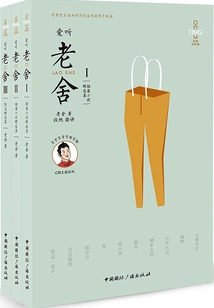
爱听老舍(全集)
Lao She
Lao She's novels mainly describe the lives and fate of citizens, especially the urban poor, with vivid and humorous writing. This book is based on selecting Lao She's most classic short stories. We have combined the selection criteria of stories that are more suitable for reading aloud, more story-telling and more interesting to conduct personalized screening. The final selection is not only Lao She's most classic short story, but also more interesting and story-telling. This set of books includes three selected collections: "Love Listening to Lao She I: Selected Short Stories", "Love Listening to Lao She II: Selected Short Stories", and "Love Listening to Lao She III: Selected Prose Collection".
Lao She's novels mainly describe the lives and fate of citizens, especially the urban poor, with vivid and humorous writing. This book is based on selecting Lao She's most classic short stories. We have combined the selection criteria of stories that are more suitable for reading aloud, more story-telling and more interesting to conduct personalized screening. The final selection is not only Lao She's most classic short story, but also more interesting and story-telling. This set of books includes three selected collections: "Love Listening to Lao She I: Selected Short Stories", "Love Listening to Lao She II: Selected Short Stories", and "Love Listening to Lao She III: Selected Prose Collection".
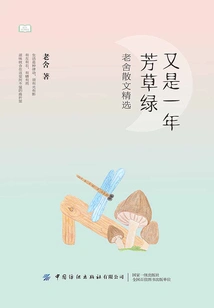
又是一年芳草绿:老舍散文精选
Lao She
"Another Year of Green Grass" is a collection of essays by Mr. Lao She. The book is divided into four series: "Hometown Everywhere", "The Grass is Green Again", "Things and People Are Different" and "God's Game", which comprehensively displays the essence of Lao She's prose. As a master of humor and language in the history of modern and contemporary literature, Lao She's prose is sincere and thought-provoking, regardless of whether he writes about people, scenes, feelings or events. Just look at how he describes small animals, how he describes children, how he joyfully and vividly describes all the trivial family matters that interest him, and you will know how much he loves life. Reading Lao She's prose will give you the power of life and the courage to love life.
"Another Year of Green Grass" is a collection of essays by Mr. Lao She. The book is divided into four series: "Hometown Everywhere", "The Grass is Green Again", "Things and People Are Different" and "God's Game", which comprehensively displays the essence of Lao She's prose. As a master of humor and language in the history of modern and contemporary literature, Lao She's prose is sincere and thought-provoking, regardless of whether he writes about people, scenes, feelings or events. Just look at how he describes small animals, how he describes children, how he joyfully and vividly describes all the trivial family matters that interest him, and you will know how much he loves life. Reading Lao She's prose will give you the power of life and the courage to love life.
老张的哲学(老舍经典全集)
Lao She
"Lao Zhang's Philosophy" describes the lives and thoughts of citizens from all walks of life in Beijing around the 1920s. The protagonist, Lao Zhang, is a rogue villain who does all kinds of evil in old Beijing. He holds three professions: soldier, scholar, and businessman, and believes in three religions: Hui, Yahya, and Buddhism; he believes in a "money-based and trinity" philosophy of life. The connotation and essence of "Lao Zhang's philosophy" is a naked philistine philosophy. "Lao Zhang's Philosophy" is the starting point for the formation of Lao She's unique artistic personality. Lao She's humor has its own characteristics. The humor in his works always has a tragic color that is difficult to hide, either thick or light, hidden or apparent. His humor is humor that makes people laugh and laugh. There is bitter humor hidden in the smile, humor that arouses people's sympathy, and humor with rich language skills.
"Lao Zhang's Philosophy" describes the lives and thoughts of citizens from all walks of life in Beijing around the 1920s. The protagonist, Lao Zhang, is a rogue villain who does all kinds of evil in old Beijing. He holds three professions: soldier, scholar, and businessman, and believes in three religions: Hui, Yahya, and Buddhism; he believes in a "money-based and trinity" philosophy of life. The connotation and essence of "Lao Zhang's philosophy" is a naked philistine philosophy. "Lao Zhang's Philosophy" is the starting point for the formation of Lao She's unique artistic personality. Lao She's humor has its own characteristics. The humor in his works always has a tragic color that is difficult to hide, either thick or light, hidden or apparent. His humor is humor that makes people laugh and laugh. There is bitter humor hidden in the smile, humor that arouses people's sympathy, and humor with rich language skills.
Four Generations under One Roof 2: Ignorant Life (complete Collection of Lao She's Classics)
Literature四世同堂2:偷生(老舍经典全集)
Lao She
This is a classic Chinese modern novel and one of Mr. Lao She's masterpieces. Against the background of the outbreak of the Marco Polo Bridge Incident and the fall of Peking, the novel takes the life of four generations of the Qi family as the main line, and vividly and vividly depicts the ups and downs, life and death of people from all walks of life and all kinds of people represented by the residents of Xiaoyangquan Hutong. The work describes the tragic experience of the vast number of civilians under the iron heel of the Japanese invaders in the abnormal state of the world after the fall of Peiping. The uneasiness, confusion and shock after the ancient and peaceful life was shattered. It lashes out the ugly souls of the perpetrators who attached themselves to the enemy, exposes the brutal crimes of Japanese militarism, and reflects the common people. The heroic and fearless resistance in the face of a powerful enemy eulogized and promoted the great patriotism and steadfast and noble national integrity of the Chinese people. It epically demonstrated the outstanding contributions made by the Chinese people to the world anti-fascist war during the Second World War. It was magnificent and evocative. Mr. Lao She used his profound and exquisite artistic skills and superb novel skills to depict a series of vivid artistic images such as Qi LaoRen, Rui Xuan, Da Chibao, Guan Xiaohe, etc., Showing a rich picture of life in Peiping, which has been widely read to this day and remains fresh for a long time...
This is a classic Chinese modern novel and one of Mr. Lao She's masterpieces. Against the background of the outbreak of the Marco Polo Bridge Incident and the fall of Peking, the novel takes the life of four generations of the Qi family as the main line, and vividly and vividly depicts the ups and downs, life and death of people from all walks of life and all kinds of people represented by the residents of Xiaoyangquan Hutong. The work describes the tragic experience of the vast number of civilians under the iron heel of the Japanese invaders in the abnormal state of the world after the fall of Peiping. The uneasiness, confusion and shock after the ancient and peaceful life was shattered. It lashes out the ugly souls of the perpetrators who attached themselves to the enemy, exposes the brutal crimes of Japanese militarism, and reflects the common people. The heroic and fearless resistance in the face of a powerful enemy eulogized and promoted the great patriotism and steadfast and noble national integrity of the Chinese people. It epically demonstrated the outstanding contributions made by the Chinese people to the world anti-fascist war during the Second World War. It was magnificent and evocative. Mr. Lao She used his profound and exquisite artistic skills and superb novel skills to depict a series of vivid artistic images such as Qi LaoRen, Rui Xuan, Da Chibao, Guan Xiaohe, etc., Showing a rich picture of life in Peiping, which has been widely read to this day and remains fresh for a long time...
Selected Prose by Lao She
Literature老舍散文精选
Lao She
"Lao She's Prose" is a classic collection of prose by Lao She, the 20th century Chinese literary master. It includes more than 40 handed down prose classics such as "My Mother", "Master Zongyue", "Cat", "Spring Festival in Beijing", "Appreciation of Baotu Spring" ("Baotu Spring") and "My Ideal Family". These works may describe the scenery of various places with meticulous details and great artistic conception; some may describe daily life, raising flowers and cats, which are full of interest; some may remember old friends and relatives, which may be sincere and touching; or some may present humorous and ironic works, which are full of Beijing flavor. These proses fully demonstrate Mr. Lao She's literary skills and rich life experience, and reflect the author's thoughts, feelings and creative style from one side. The language is suitable for both refined and popular tastes, clean and lively, simple and refined, humorous and witty, and full of Beijing's local flavor. Invite first-line famous teachers to conduct introductions to the works, refine knowledge points, expand reading horizons, explain profound things in simple terms, and help students better understand classics and apply what they have learned.
"Lao She's Prose" is a classic collection of prose by Lao She, the 20th century Chinese literary master. It includes more than 40 handed down prose classics such as "My Mother", "Master Zongyue", "Cat", "Spring Festival in Beijing", "Appreciation of Baotu Spring" ("Baotu Spring") and "My Ideal Family". These works may describe the scenery of various places with meticulous details and great artistic conception; some may describe daily life, raising flowers and cats, which are full of interest; some may remember old friends and relatives, which may be sincere and touching; or some may present humorous and ironic works, which are full of Beijing flavor. These proses fully demonstrate Mr. Lao She's literary skills and rich life experience, and reflect the author's thoughts, feelings and creative style from one side. The language is suitable for both refined and popular tastes, clean and lively, simple and refined, humorous and witty, and full of Beijing's local flavor. Invite first-line famous teachers to conduct introductions to the works, refine knowledge points, expand reading horizons, explain profound things in simple terms, and help students better understand classics and apply what they have learned.
四世同堂(下)
Lao She
"Four Generations Under One Roof" is divided into two volumes. It is a million-word novel written by the Chinese writer Lao She. The work is set in the occupied area of Peiping during the Anti-Japanese War. It describes the psychology and experiences of more than a dozen families and more than 100 people, centered on the four generations of the Qi family, in the "Little Sheep Circle" alley in Beijing. It reproduces the process of the people of Peiping from being confused and depressed, enduring humiliation and living in humiliation to gradually awakening and resisting under the brutal rule of the Japanese invaders. It praises their valuable national integrity as well as the Chinese nation's unyielding will to fight and determination to resist the war.
"Four Generations Under One Roof" is divided into two volumes. It is a million-word novel written by the Chinese writer Lao She. The work is set in the occupied area of Peiping during the Anti-Japanese War. It describes the psychology and experiences of more than a dozen families and more than 100 people, centered on the four generations of the Qi family, in the "Little Sheep Circle" alley in Beijing. It reproduces the process of the people of Peiping from being confused and depressed, enduring humiliation and living in humiliation to gradually awakening and resisting under the brutal rule of the Japanese invaders. It praises their valuable national integrity as well as the Chinese nation's unyielding will to fight and determination to resist the war.
有间文库:老舍短篇小说集
Lao She
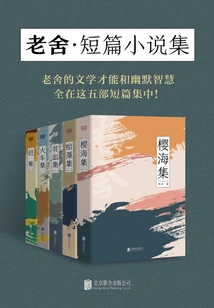
Including: Ganji, Yinghaiji, Hazaoji, Train Jiji, Anemia Jiji. "Going to the Market" contains 15 articles, including: "Five-Nine", "Hot Buns", "The Little Ghost of Love", "Outside the Great Compassion Temple", "Mr. Breeches", "Micro God", "Embrace the Grandson", "Liu Family Courtyard", "The Iron Cow and the Sick Duck", etc. This collection demonstrates Lao She's realistic style and unique Beijing charm, with coherent plots, strong storytelling, concise language, popular and clear characters, and vivid characters. Lao She mostly describes a series of images of lower-class citizens. He sympathizes with and cares for the sufferings of the lower-class people with a deep, worried and thoughtful look, showing his concern for the fate of the nation. At the same time, there is a sense of humor and irony mixed in. His works had a significant impact on modern literature. "The Collection of Yinghai" (1935, Renjian Shuwushe) This book is a collection of Lao She's short stories, including "Taking Office", "Sacrifice", "Liutun's", "The Last Dollar", "The Romance of Old Age", and "Caterpillar" The 10 works of "The Good Man", "Neighbors", "Crescent Moon" and "Sunshine" are must-sips for Lao She lovers. Most of the works in them can be regarded as the supreme model of "character sketch".
Including: Ganji, Yinghaiji, Hazaoji, Train Jiji, Anemia Jiji. "Going to the Market" contains 15 articles, including: "Five-Nine", "Hot Buns", "The Little Ghost of Love", "Outside the Great Compassion Temple", "Mr. Breeches", "Micro God", "Embrace the Grandson", "Liu Family Courtyard", "The Iron Cow and the Sick Duck", etc. This collection demonstrates Lao She's realistic style and unique Beijing charm, with coherent plots, strong storytelling, concise language, popular and clear characters, and vivid characters. Lao She mostly describes a series of images of lower-class citizens. He sympathizes with and cares for the sufferings of the lower-class people with a deep, worried and thoughtful look, showing his concern for the fate of the nation. At the same time, there is a sense of humor and irony mixed in. His works had a significant impact on modern literature. "The Collection of Yinghai" (1935, Renjian Shuwushe) This book is a collection of Lao She's short stories, including "Taking Office", "Sacrifice", "Liutun's", "The Last Dollar", "The Romance of Old Age", and "Caterpillar" The 10 works of "The Good Man", "Neighbors", "Crescent Moon" and "Sunshine" are must-sips for Lao She lovers. Most of the works in them can be regarded as the supreme model of "character sketch".
Teahouse (classic Translation)
Literature茶馆(经典译林)
Lao She
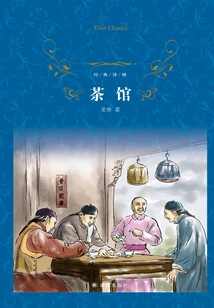
The three-act play "Teahouse" uses a teahouse called Yutai to show the social changes in the three eras of the Reform Movement of 1898, the Warlords' Melee and the eve of the founding of New China for nearly half a century, as well as all the living beings in the social background. The play has been performed many times at home and abroad, and has been adapted into movies and TV series. It is a classic work of contemporary Chinese drama creation. The three-act drama "Longxugou" is also one of Lao She's masterpieces. It describes the different experiences of four families in a small courtyard in Beijing during social changes. It shows the great changes in the old and new eras and creates unique characters such as Madman Cheng, Aunt Wang, Er Chun, Niangzi, and Sister Ding.
The three-act play "Teahouse" uses a teahouse called Yutai to show the social changes in the three eras of the Reform Movement of 1898, the Warlords' Melee and the eve of the founding of New China for nearly half a century, as well as all the living beings in the social background. The play has been performed many times at home and abroad, and has been adapted into movies and TV series. It is a classic work of contemporary Chinese drama creation. The three-act drama "Longxugou" is also one of Lao She's masterpieces. It describes the different experiences of four families in a small courtyard in Beijing during social changes. It shows the great changes in the old and new eras and creates unique characters such as Madman Cheng, Aunt Wang, Er Chun, Niangzi, and Sister Ding.
老舍经典全集套装(全10册)
Lao She
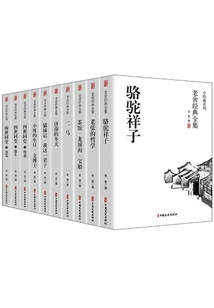
A literary giant that future generations will always admire, an eternal monument! A literary classic worth reading by every generation of Chinese, and a national memory worth cherishing by every Chinese! Lao She is a great people's artist, a literary giant that future generations will always admire, and an eternal monument! Mr. Lao She's works include discussions on the national spirit and thoughts on destiny, allowing the author to appreciate the various aspects of life and the severity and heaviness of life. Lao She (1899.2.3-1966.8.24), Whose original name was Shu Qingchun, also named Sheyu. He also has pen names such as Jie Qing, Hong Lai, and Fei Wo. Beijing Manchu Zhenghongbanner, a famous modern Chinese writer, an outstanding language master, and the first writer in New China to win the title of "People's Artist". Lao She wrote quite a lot throughout his life, and his main works include "Camel Xiangzi", "Lao Zhang's Philosophy", "Two Horses", "Four Generations Under One Roof", "My Life", and the dramas "Teahouse" and "Longxugou", etc. Lao She's literary creation is basically based on the life of the lower class people in old Beijing. It has a strong flavor of Beijing and the city. The language is humorous, but the content is serious. The characters are vivid and natural, which is impressive. The "Complete Collection of Lao She's Classics" includes "Camel Xiangzi", "The Philosophy of Lao Zhang", "Two Horses", "Winter in Jinan", "Cat City", "In My Life", "Xiaopo's Birthday", "Dr. Wen", "Teahouse", "Longxugou", "Treasure Ship" and "Four Generations Under One Roof", etc., Among which are all his classic works. 1. "Luotuo Xiangzi" a long market novel "Luotuo Xiangzi" is one of Lao She's masterpieces. The novel describes the tragic story of Xiangzi, a rickshaw puller from the countryside, who experienced three ups and downs in Beiping during the warlord war in the 1920s. After three years of struggle, he finally bought a car of his own, but his good wishes always failed time and time again. In the end, his spiritual world completely collapsed and he became an insensitive walking zombie. 2. "Teahouse" shows the social changes of nearly half a century in three eras: the Reform Movement of 1898, the warlord war, and the eve of the founding of New China. Through a teahouse called Yutai, it reveals the darkness, corruption, grotesqueness and bizarreness of Chinese society in the past half century, as well as all the living beings in this society. 3. "Longxugou" describes the different experiences of four families in a small courtyard in Beijing during social changes, and shows the tremendous changes in the old and new eras. It reflects the different destinies of the Chinese people before and after liberation, embodies the central idea of the people's government for the people and the people's support and love for the party and the government. 4. "Treasure Ship" is a children's drama created by Mr. Lao She. The play praises the beautiful souls of workers who are diligent, kind, helpful, tenacious and brave, and unite and help each other. The twists and turns of the vivid story, the fantasy-rich plot, and the innocent and childish language have made this work deeply loved by young readers since its birth. 5. "Two Horses" is Lao She's early work, written in England in 1929. The novel creates a superstitious, moderate, sloppy, and lazy slave-like character, Lao Ma. His life creed is to live in peace, which is reminiscent of Lu Xun's Ah Q. The difference is that Ah Q lives in the countryside of old China, while Lao Ma is an overseas Chinese living abroad. Lao She deliberately put Lao Ma in a foreign situation to portray him. Through the life of Ma and his son in London and their interactions with the British, he looked at the differences between Eastern and Western nations, and tried to highlight the absurdity of backward national character in the context of the comparison of Chinese and Western cultures. 6. "Summer in Jinan" is a collection of classic prose by the literary master Lao She. In order to help readers better understand the essence of Lao She's works, this anthology has screened and organized some of Mr. Lao She's outstanding prose works, including "Spring Breeze", "Thinking of Peiping", "Photograph", "Looking Up to See Joy", "Spring Breeze", "Cat", "My Mother", "Qingdao in May", "Spring Festival in Beijing", "Dialogue with Jinan", "Appreciation of Baotu Spring" and other representative classic prose works by Mr. Lao She. 7. "Lao Zhang's Philosophy" describes the lives and thoughts of citizens from all walks of life in Beijing around the 1920s. The protagonist, Lao Zhang, is a rogue villain who does all kinds of evil in old Beijing. He holds three professions: soldier, scholar, and businessman, and believes in three religions: Hui, Yahya, and Buddhism; he believes in a "money-based and trinity" philosophy of life. The connotation and essence of "Lao Zhang's philosophy" is a naked philistine philosophy. 8. "Cat City" is a novel with allegory and science fiction color written by Lao She. The plane crashed on Mars, and "I" became a drifter on Mars, accidentally entering the cat city and visiting everything. "I" is like a sad reporter, recording all kinds of strange phenomena in Cat City: cat people only eat puzzle leaves, cat soldiers rush to surrender, houses in Cat City have no doors or windows, the laws of Cat Country cannot control foreigners, students in Cat School beat teachers... As Lao She said, "Cat City" is a nightmare. It records some extremely dark pages in the history of a civilization, and also reflects the desolate background of Lao She's thoughts. 9. "My Life" is a famous novella written by Mr. Lao She in 1937 on the eve of the Anti-Japanese War. The novel uses the first-person method to describe the rough life of an ordinary patrolman in the old era. Through the protagonist's experience and ideological changes, it shows the sadness of the low-level people who are unable to control their own destiny in the outdated and turbulent social background. An ordinary little person reflects the great tragedy of the era. At that time, it had "a progressive atmosphere that stood out from the times." 10. "Four Generations Under One Roof" is a classic Chinese modern novel and one of Mr. Lao She's masterpieces. After reading the whole novel, you can not only feel the unique Beijing accent and humor in Mr. Lao She's articles, but also taste the heaviness of life from his witty and humorous writing style. 11. "Xiao Po's Birthday" is a long fairy tale created by Mr. Lao She. The work takes Xiao Po, a boy living in Nanyang (that is, Singapore), and his sister as the protagonists, and tells interesting stories in Xiao Po's life. The second half of the story is entirely Xiao Po's dream, full of wild imagination, and also implies the author's ridicule of the various practical disadvantages of Nanyang. 12. "Doctor Wen" tells the story of Wen Zhiqiang, a doctor of philosophy with evil intentions and ambitions who returned to China after studying in the United States. Dr. Wen is a ruffian politician who has no knowledge but is good at power. He used the foreign brand of studying in the United States as a doctor to cheat, curry favor with the powerful, and get a job as a "commissioner" with both fame and fortune. Although he also loves money, he knows that in order to make money, he must become an official. Therefore, the philosophy of life he believes in is the two-in-one of "money standard plus official standard". Lao She used a sharp pen of ridicule and ridicule to lash out at the ugly people among the "Confucian scholars" in old China.
A literary giant that future generations will always admire, an eternal monument! A literary classic worth reading by every generation of Chinese, and a national memory worth cherishing by every Chinese! Lao She is a great people's artist, a literary giant that future generations will always admire, and an eternal monument! Mr. Lao She's works include discussions on the national spirit and thoughts on destiny, allowing the author to appreciate the various aspects of life and the severity and heaviness of life. Lao She (1899.2.3-1966.8.24), Whose original name was Shu Qingchun, also named Sheyu. He also has pen names such as Jie Qing, Hong Lai, and Fei Wo. Beijing Manchu Zhenghongbanner, a famous modern Chinese writer, an outstanding language master, and the first writer in New China to win the title of "People's Artist". Lao She wrote quite a lot throughout his life, and his main works include "Camel Xiangzi", "Lao Zhang's Philosophy", "Two Horses", "Four Generations Under One Roof", "My Life", and the dramas "Teahouse" and "Longxugou", etc. Lao She's literary creation is basically based on the life of the lower class people in old Beijing. It has a strong flavor of Beijing and the city. The language is humorous, but the content is serious. The characters are vivid and natural, which is impressive. The "Complete Collection of Lao She's Classics" includes "Camel Xiangzi", "The Philosophy of Lao Zhang", "Two Horses", "Winter in Jinan", "Cat City", "In My Life", "Xiaopo's Birthday", "Dr. Wen", "Teahouse", "Longxugou", "Treasure Ship" and "Four Generations Under One Roof", etc., Among which are all his classic works. 1. "Luotuo Xiangzi" a long market novel "Luotuo Xiangzi" is one of Lao She's masterpieces. The novel describes the tragic story of Xiangzi, a rickshaw puller from the countryside, who experienced three ups and downs in Beiping during the warlord war in the 1920s. After three years of struggle, he finally bought a car of his own, but his good wishes always failed time and time again. In the end, his spiritual world completely collapsed and he became an insensitive walking zombie. 2. "Teahouse" shows the social changes of nearly half a century in three eras: the Reform Movement of 1898, the warlord war, and the eve of the founding of New China. Through a teahouse called Yutai, it reveals the darkness, corruption, grotesqueness and bizarreness of Chinese society in the past half century, as well as all the living beings in this society. 3. "Longxugou" describes the different experiences of four families in a small courtyard in Beijing during social changes, and shows the tremendous changes in the old and new eras. It reflects the different destinies of the Chinese people before and after liberation, embodies the central idea of the people's government for the people and the people's support and love for the party and the government. 4. "Treasure Ship" is a children's drama created by Mr. Lao She. The play praises the beautiful souls of workers who are diligent, kind, helpful, tenacious and brave, and unite and help each other. The twists and turns of the vivid story, the fantasy-rich plot, and the innocent and childish language have made this work deeply loved by young readers since its birth. 5. "Two Horses" is Lao She's early work, written in England in 1929. The novel creates a superstitious, moderate, sloppy, and lazy slave-like character, Lao Ma. His life creed is to live in peace, which is reminiscent of Lu Xun's Ah Q. The difference is that Ah Q lives in the countryside of old China, while Lao Ma is an overseas Chinese living abroad. Lao She deliberately put Lao Ma in a foreign situation to portray him. Through the life of Ma and his son in London and their interactions with the British, he looked at the differences between Eastern and Western nations, and tried to highlight the absurdity of backward national character in the context of the comparison of Chinese and Western cultures. 6. "Summer in Jinan" is a collection of classic prose by the literary master Lao She. In order to help readers better understand the essence of Lao She's works, this anthology has screened and organized some of Mr. Lao She's outstanding prose works, including "Spring Breeze", "Thinking of Peiping", "Photograph", "Looking Up to See Joy", "Spring Breeze", "Cat", "My Mother", "Qingdao in May", "Spring Festival in Beijing", "Dialogue with Jinan", "Appreciation of Baotu Spring" and other representative classic prose works by Mr. Lao She. 7. "Lao Zhang's Philosophy" describes the lives and thoughts of citizens from all walks of life in Beijing around the 1920s. The protagonist, Lao Zhang, is a rogue villain who does all kinds of evil in old Beijing. He holds three professions: soldier, scholar, and businessman, and believes in three religions: Hui, Yahya, and Buddhism; he believes in a "money-based and trinity" philosophy of life. The connotation and essence of "Lao Zhang's philosophy" is a naked philistine philosophy. 8. "Cat City" is a novel with allegory and science fiction color written by Lao She. The plane crashed on Mars, and "I" became a drifter on Mars, accidentally entering the cat city and visiting everything. "I" is like a sad reporter, recording all kinds of strange phenomena in Cat City: cat people only eat puzzle leaves, cat soldiers rush to surrender, houses in Cat City have no doors or windows, the laws of Cat Country cannot control foreigners, students in Cat School beat teachers... As Lao She said, "Cat City" is a nightmare. It records some extremely dark pages in the history of a civilization, and also reflects the desolate background of Lao She's thoughts. 9. "My Life" is a famous novella written by Mr. Lao She in 1937 on the eve of the Anti-Japanese War. The novel uses the first-person method to describe the rough life of an ordinary patrolman in the old era. Through the protagonist's experience and ideological changes, it shows the sadness of the low-level people who are unable to control their own destiny in the outdated and turbulent social background. An ordinary little person reflects the great tragedy of the era. At that time, it had "a progressive atmosphere that stood out from the times." 10. "Four Generations Under One Roof" is a classic Chinese modern novel and one of Mr. Lao She's masterpieces. After reading the whole novel, you can not only feel the unique Beijing accent and humor in Mr. Lao She's articles, but also taste the heaviness of life from his witty and humorous writing style. 11. "Xiao Po's Birthday" is a long fairy tale created by Mr. Lao She. The work takes Xiao Po, a boy living in Nanyang (that is, Singapore), and his sister as the protagonists, and tells interesting stories in Xiao Po's life. The second half of the story is entirely Xiao Po's dream, full of wild imagination, and also implies the author's ridicule of the various practical disadvantages of Nanyang. 12. "Doctor Wen" tells the story of Wen Zhiqiang, a doctor of philosophy with evil intentions and ambitions who returned to China after studying in the United States. Dr. Wen is a ruffian politician who has no knowledge but is good at power. He used the foreign brand of studying in the United States as a doctor to cheat, curry favor with the powerful, and get a job as a "commissioner" with both fame and fortune. Although he also loves money, he knows that in order to make money, he must become an official. Therefore, the philosophy of life he believes in is the two-in-one of "money standard plus official standard". Lao She used a sharp pen of ridicule and ridicule to lash out at the ugly people among the "Confucian scholars" in old China.
Selected Prose by Lao She
Literature老舍散文精选
Lao She
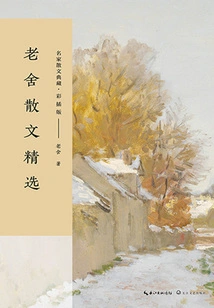
Lao She is the originator of contemporary Beijing-style literature, and his prose writing also benefits from the influence of folk literature and art. From form to content, both refined and popular people can appreciate it. This book may describe cultural landscapes and natural scenery, or capture the details of daily life and family life, or express condolences and inner emotions for teachers and friends, or introduce his own creative experience and works. It is run through Lao She's consistent humorous style, allowing people to savor life in a light and humorous way.
Lao She is the originator of contemporary Beijing-style literature, and his prose writing also benefits from the influence of folk literature and art. From form to content, both refined and popular people can appreciate it. This book may describe cultural landscapes and natural scenery, or capture the details of daily life and family life, or express condolences and inner emotions for teachers and friends, or introduce his own creative experience and works. It is run through Lao She's consistent humorous style, allowing people to savor life in a light and humorous way.
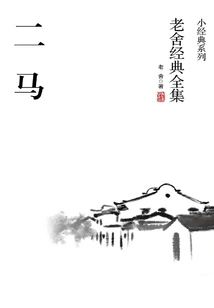
二马(老舍经典全集)
Lao She
"Two Horses" is Lao She's early work, written in England in 1929. The novel creates a superstitious, moderate, sloppy, and lazy slave-like character, Lao Ma. His life creed is to live in peace, which is reminiscent of Lu Xun's Ah Q. The difference is that Ah Q lives in the countryside of old China, while Lao Ma is an overseas Chinese living abroad. Lao She deliberately put Lao Ma in a foreign situation to portray him. Through the life of Ma and his son in London and their interactions with the British, he looked at the differences between Eastern and Western nations, and tried to highlight the absurdity of backward national character in the context of the comparison of Chinese and Western cultures.
"Two Horses" is Lao She's early work, written in England in 1929. The novel creates a superstitious, moderate, sloppy, and lazy slave-like character, Lao Ma. His life creed is to live in peace, which is reminiscent of Lu Xun's Ah Q. The difference is that Ah Q lives in the countryside of old China, while Lao Ma is an overseas Chinese living abroad. Lao She deliberately put Lao Ma in a foreign situation to portray him. Through the life of Ma and his son in London and their interactions with the British, he looked at the differences between Eastern and Western nations, and tried to highlight the absurdity of backward national character in the context of the comparison of Chinese and Western cultures.
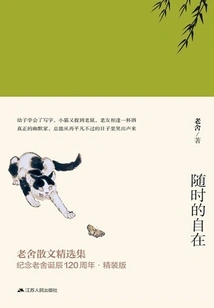
Feel Free at Any Time
Literature随时的自在
Lao She
·To commemorate the 120th anniversary of the birth of Mr. Lao She in 2019, this book selects Mr. Lao She's prose and essays to show readers the unique charm of the language master and reproduce the humorous, simple and friendly style of a "people's artist". ·Five themes: "Everywhere you go, there is scenery", "Life needs a little vitality", "People change, and the seasons are the same as usual", "The soul of humor has its own reasons", "Listening, reading and writing also seek deeper understanding", seize the fun and inspiration that appear at any time in life, and record the ordinary and interesting moments of citizens' lives. ·The text is printed on imported light-weight paper, which feels soft and comfortable; the special paper hardcover surface is framed with a large girdle design, and the binding is exquisite, making it more suitable for collection.
·To commemorate the 120th anniversary of the birth of Mr. Lao She in 2019, this book selects Mr. Lao She's prose and essays to show readers the unique charm of the language master and reproduce the humorous, simple and friendly style of a "people's artist". ·Five themes: "Everywhere you go, there is scenery", "Life needs a little vitality", "People change, and the seasons are the same as usual", "The soul of humor has its own reasons", "Listening, reading and writing also seek deeper understanding", seize the fun and inspiration that appear at any time in life, and record the ordinary and interesting moments of citizens' lives. ·The text is printed on imported light-weight paper, which feels soft and comfortable; the special paper hardcover surface is framed with a large girdle design, and the binding is exquisite, making it more suitable for collection.
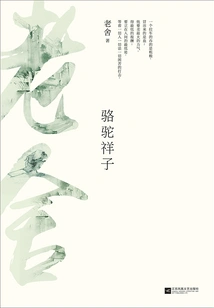
Camel Xiangzi
Literature骆驼祥子
Lao She
"Camel Xiangzi" is one of Lao She's masterpieces. The novel describes the tragic fate of a rickshaw puller during the warlord war in the 1920s. The tragic story of the rise and fall of a young, strong and energetic rickshaw puller Xiangzi in Beiping, China, in the dark Corroded by the social environment, the story of how a kind, responsible, and righteous rickshaw puller gradually deteriorated in life, personality, and politics, and finally became a human being and a ghost, reflects the suffering life of the people at the bottom of old Chinese cities. The work centers on Xiangzi, a rickshaw puller, and is intertwined with the secular customs of Beijing's poor society. The author uses realistic writing techniques and compassionate feelings to create a number of unforgettable artistic images such as Xiangzi and Huniu. This novel has an important position in the history of modern Chinese literature and has a high reputation around the world.
"Camel Xiangzi" is one of Lao She's masterpieces. The novel describes the tragic fate of a rickshaw puller during the warlord war in the 1920s. The tragic story of the rise and fall of a young, strong and energetic rickshaw puller Xiangzi in Beiping, China, in the dark Corroded by the social environment, the story of how a kind, responsible, and righteous rickshaw puller gradually deteriorated in life, personality, and politics, and finally became a human being and a ghost, reflects the suffering life of the people at the bottom of old Chinese cities. The work centers on Xiangzi, a rickshaw puller, and is intertwined with the secular customs of Beijing's poor society. The author uses realistic writing techniques and compassionate feelings to create a number of unforgettable artistic images such as Xiangzi and Huniu. This novel has an important position in the history of modern Chinese literature and has a high reputation around the world.
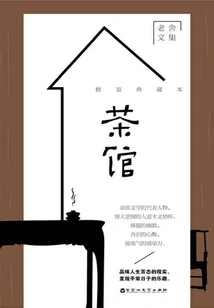
Teahouse (hardcover Collection)
Literature茶馆(精装典藏本)
Lao She
The three-act drama "Teahouse" is Mr. Lao She's masterpiece and a classic in the history of Chinese dramas. Each character's lines are designed to be very vivid, expressive, full of personality, concise and concise, with profound meaning. "Teahouse" is still a standing repertoire of modern theaters. In addition to "Teahouse", this book also collects Mr. Lao She's most representative short stories and essays. The selected articles are all representative works praised by experts and readers, allowing readers to have a more complete, concentrated and rich appreciation of Mr. Lao She's unique ideological and artistic panorama.
The three-act drama "Teahouse" is Mr. Lao She's masterpiece and a classic in the history of Chinese dramas. Each character's lines are designed to be very vivid, expressive, full of personality, concise and concise, with profound meaning. "Teahouse" is still a standing repertoire of modern theaters. In addition to "Teahouse", this book also collects Mr. Lao She's most representative short stories and essays. The selected articles are all representative works praised by experts and readers, allowing readers to have a more complete, concentrated and rich appreciation of Mr. Lao She's unique ideological and artistic panorama.
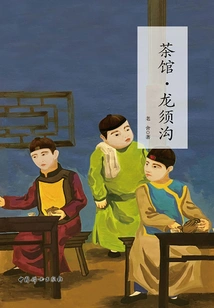
Teahouse·longxugou
Literature茶馆·龙须沟
Lao She
"Teahouse" is one of Mr. Lao She's masterpieces. Lao She condensed a time span of half a century and more than 50 characters into a teahouse, summarizing the opposition and conflicts between various classes and forces in Chinese society, and revealing the historical destiny of semi-colonial and semi-feudal society. "Longxugou" is an ode to the new socialist China, reflecting the different fates of the Chinese people before and after liberation as well as their support and love for the party and the government.
"Teahouse" is one of Mr. Lao She's masterpieces. Lao She condensed a time span of half a century and more than 50 characters into a teahouse, summarizing the opposition and conflicts between various classes and forces in Chinese society, and revealing the historical destiny of semi-colonial and semi-feudal society. "Longxugou" is an ode to the new socialist China, reflecting the different fates of the Chinese people before and after liberation as well as their support and love for the party and the government.
四世同堂3:饥荒(老舍经典全集)
Lao She
This is a classic Chinese modern novel and one of Mr. Lao She's masterpieces. Against the background of the outbreak of the Marco Polo Bridge Incident and the fall of Peking, the novel takes the life of four generations of the Qi family as the main line, and vividly and vividly depicts the ups and downs, life and death of people from all walks of life and all kinds of people represented by the residents of Xiaoyangquan Hutong. The work describes the tragic experience of the vast number of civilians under the iron heel of the Japanese invaders in the abnormal state of the world after the fall of Peiping. The uneasiness, confusion and shock after the ancient and peaceful life was shattered. It lashes out the ugly souls of the perpetrators who attached themselves to the enemy, exposes the brutal crimes of Japanese militarism, and reflects the common people. The heroic and fearless resistance in the face of a powerful enemy eulogized and promoted the great patriotism and steadfast and noble national integrity of the Chinese people. It epically demonstrated the outstanding contributions made by the Chinese people to the world anti-fascist war during the Second World War. It was magnificent and evocative. Mr. Lao She used his profound and exquisite artistic skills and superb novel skills to depict a series of vivid artistic images such as Qi LaoRen, Rui Xuan, Da Chibao, Guan Xiaohe, etc., Showing a rich picture of life in Peiping, which has been widely read to this day and remains fresh for a long time...
This is a classic Chinese modern novel and one of Mr. Lao She's masterpieces. Against the background of the outbreak of the Marco Polo Bridge Incident and the fall of Peking, the novel takes the life of four generations of the Qi family as the main line, and vividly and vividly depicts the ups and downs, life and death of people from all walks of life and all kinds of people represented by the residents of Xiaoyangquan Hutong. The work describes the tragic experience of the vast number of civilians under the iron heel of the Japanese invaders in the abnormal state of the world after the fall of Peiping. The uneasiness, confusion and shock after the ancient and peaceful life was shattered. It lashes out the ugly souls of the perpetrators who attached themselves to the enemy, exposes the brutal crimes of Japanese militarism, and reflects the common people. The heroic and fearless resistance in the face of a powerful enemy eulogized and promoted the great patriotism and steadfast and noble national integrity of the Chinese people. It epically demonstrated the outstanding contributions made by the Chinese people to the world anti-fascist war during the Second World War. It was magnificent and evocative. Mr. Lao She used his profound and exquisite artistic skills and superb novel skills to depict a series of vivid artistic images such as Qi LaoRen, Rui Xuan, Da Chibao, Guan Xiaohe, etc., Showing a rich picture of life in Peiping, which has been widely read to this day and remains fresh for a long time...
The Nameless Highland Has a Name (red Classic)
General Fiction无名高地有了名(红色经典)
Lao She
In October 1953, Lao She went to North Korea with the third condolence delegation to North Korea. "The Nameless Highlands Got a Name" describes the battle at Lao Tushan during the War to Resist U. S. Aggression and Aid Korea, and tells the glorious history of the great soldiers of the motherland who defended the motherland and fought under extremely difficult conditions during the War to Resist U. S. Aggression and Aid Korea. Through the description of this battle, it demonstrates the revolutionary spirit of the Chinese People's Volunteers who are not afraid of hardships and courage, as well as the noble custom of loving peace and supporting justice. It also praises the deep feelings between the Volunteers and the Korean people.
In October 1953, Lao She went to North Korea with the third condolence delegation to North Korea. "The Nameless Highlands Got a Name" describes the battle at Lao Tushan during the War to Resist U. S. Aggression and Aid Korea, and tells the glorious history of the great soldiers of the motherland who defended the motherland and fought under extremely difficult conditions during the War to Resist U. S. Aggression and Aid Korea. Through the description of this battle, it demonstrates the revolutionary spirit of the Chinese People's Volunteers who are not afraid of hardships and courage, as well as the noble custom of loving peace and supporting justice. It also praises the deep feelings between the Volunteers and the Korean people.
Introduction to Literature
Literature文学概论
Lao She
This book is a rare literary theory work by Mr. Lao She. It is not only his insights into creative practice, but also a summary of his studies. In the book, Mr. Lao She discusses Chinese literary theory throughout the ages and skillfully introduces important Western literary theory ideas. A comprehensive and unique interpretation of literature from the perspective of a writer, turning serious and boring theories into sparkling wisdom, talking about the characteristics, creation, origin, style, and form of literature, as well as the ethos and tendencies of literature. This book is not only an important reading for the study of Lao She's views on literature and art, but also a rare introductory book on literary theory.
This book is a rare literary theory work by Mr. Lao She. It is not only his insights into creative practice, but also a summary of his studies. In the book, Mr. Lao She discusses Chinese literary theory throughout the ages and skillfully introduces important Western literary theory ideas. A comprehensive and unique interpretation of literature from the perspective of a writer, turning serious and boring theories into sparkling wisdom, talking about the characteristics, creation, origin, style, and form of literature, as well as the ethos and tendencies of literature. This book is not only an important reading for the study of Lao She's views on literature and art, but also a rare introductory book on literary theory.
Teahouse
Literature茶馆
Lao She
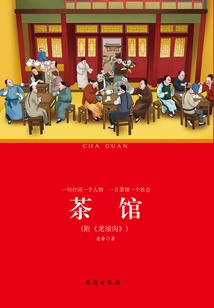
"Teahouse" is the title of a Chinese drama, one of Mr. Lao She's masterpieces. The story in the play all takes place in a teahouse in Beijing. People come and go in the teahouse, and people of all colors and religions gather together. A big teahouse is like a small society. Mr. Lao She captured the characteristics of this scene and highly concentrated the fifty-seven main and secondary characters in the teahouse over a half-century time span, showing three periods after the failure of the Reform Movement of 1898 in the late Qing Dynasty, the period of the Beiyang warlord separatism in the early years of the Republic of China, and the eve of the fall of the Kuomintang regime. The modern life scenes summarize the sharp opposition and conflicts between various classes and forces in Chinese society, and reveal the historical destiny of semi-feudal and semi-colonial China. This play is also one of the classic plays of the Beijing People's Art Theater and was later adapted into a movie and TV series of the same name.
"Teahouse" is the title of a Chinese drama, one of Mr. Lao She's masterpieces. The story in the play all takes place in a teahouse in Beijing. People come and go in the teahouse, and people of all colors and religions gather together. A big teahouse is like a small society. Mr. Lao She captured the characteristics of this scene and highly concentrated the fifty-seven main and secondary characters in the teahouse over a half-century time span, showing three periods after the failure of the Reform Movement of 1898 in the late Qing Dynasty, the period of the Beiyang warlord separatism in the early years of the Republic of China, and the eve of the fall of the Kuomintang regime. The modern life scenes summarize the sharp opposition and conflicts between various classes and forces in Chinese society, and reveal the historical destiny of semi-feudal and semi-colonial China. This play is also one of the classic plays of the Beijing People's Art Theater and was later adapted into a movie and TV series of the same name.
Teahouse
Literature茶馆
Lao She
This book is Lao She's classic drama. Friends who like Lao She's works should not miss it. "Teahouse" is structured into three acts. It takes the rise and fall of a large teahouse called Yutai in old Beijing as the background, and shows the social landscape of Beijing and the life changes of different people from all walks of life in the nearly 50 years from the late Qing Dynasty to the Beiyang Warlord period and then to the victory of the Anti-Japanese War. Each scene describes an era, with people from all walks of life in Beijing coming in and out of this big teahouse. What the whole play displays are magnificent historical pictures, vividly explaining the inevitable demise of old China and the inevitability of the birth of new China. There are nearly 50 characters appearing in the script. There are many characters but distinct personalities. You can "know the person by hearing their voice" and "outline the outline of a character in a few words." The work depicts the dismal management of the ancestral "Yutai Teahouse" by teahouse owner Wang Lifa. Although he is shrewd, tactful, and devoted, he is ultimately unable to stop the decline. It reflects the trend of Chinese society from the side.
This book is Lao She's classic drama. Friends who like Lao She's works should not miss it. "Teahouse" is structured into three acts. It takes the rise and fall of a large teahouse called Yutai in old Beijing as the background, and shows the social landscape of Beijing and the life changes of different people from all walks of life in the nearly 50 years from the late Qing Dynasty to the Beiyang Warlord period and then to the victory of the Anti-Japanese War. Each scene describes an era, with people from all walks of life in Beijing coming in and out of this big teahouse. What the whole play displays are magnificent historical pictures, vividly explaining the inevitable demise of old China and the inevitability of the birth of new China. There are nearly 50 characters appearing in the script. There are many characters but distinct personalities. You can "know the person by hearing their voice" and "outline the outline of a character in a few words." The work depicts the dismal management of the ancestral "Yutai Teahouse" by teahouse owner Wang Lifa. Although he is shrewd, tactful, and devoted, he is ultimately unable to stop the decline. It reflects the trend of Chinese society from the side.
Prestige on the Train
Literature火车上的威风
Lao She
"The Majesty on the Train" is an adaptation of the old work "Mr. Breeches" is a one-act play and is one of Lao She's complete works.
"The Majesty on the Train" is an adaptation of the old work "Mr. Breeches" is a one-act play and is one of Lao She's complete works.
老舍话剧选:秦氏三兄弟
Lao She
The predecessor of "Tea House" is "The Three Qin Brothers". In 1956, Lao She wrote a drama "The Three Qin Brothers" to promote universal suffrage. It has four acts and six scenes. It uses the four historical periods of the Reform Movement of 1898, the Revolution of 1911, the Northern Expedition, and the eve of liberation as the plot background and has many characters. The play begins in the 24th year of Guangxu's reign (1898) and ends in 1948 when the reactionaries "elected the Beijing Municipal Senate."
The predecessor of "Tea House" is "The Three Qin Brothers". In 1956, Lao She wrote a drama "The Three Qin Brothers" to promote universal suffrage. It has four acts and six scenes. It uses the four historical periods of the Reform Movement of 1898, the Revolution of 1911, the Northern Expedition, and the eve of liberation as the plot background and has many characters. The play begins in the 24th year of Guangxu's reign (1898) and ends in 1948 when the reactionaries "elected the Beijing Municipal Senate."
Who Arrived in Chongqing First?
Literature谁先到了重庆
Lao She
"Who Arrives in Chongqing First" has four scenes. The protagonist Wu Fengming helps his younger brother Feng Yu escape from the occupied areas of Peiping and go to Chongqing to participate in the Anti-Japanese War. He stays in Peiping to assassinate Japanese officers and traitors, and finally dies for his country. Before he died, he said, "I got to Chongqing first." Here, Chongqing has become the center and spiritual symbol of the Anti-Japanese War. The first thing that comes to Chongqing is to devote oneself to the Anti-Japanese War.
"Who Arrives in Chongqing First" has four scenes. The protagonist Wu Fengming helps his younger brother Feng Yu escape from the occupied areas of Peiping and go to Chongqing to participate in the Anti-Japanese War. He stays in Peiping to assassinate Japanese officers and traitors, and finally dies for his country. Before he died, he said, "I got to Chongqing first." Here, Chongqing has become the center and spiritual symbol of the Anti-Japanese War. The first thing that comes to Chongqing is to devote oneself to the Anti-Japanese War.
Frog Rider
Literature青蛙骑手
Lao She
"Frog Rider" tells the story of a girl who fell in love with a prince who descended from heaven and wore frog skin. She burned the frog skin, causing the prince to die and she herself turned into a stone in front of the grave. The story is twists and turns, vivid, euphemistic and sad, and full of romance.
"Frog Rider" tells the story of a girl who fell in love with a prince who descended from heaven and wore frog skin. She burned the frog skin, causing the prince to die and she herself turned into a stone in front of the grave. The story is twists and turns, vivid, euphemistic and sad, and full of romance.
Family Portrait
Literature全家福
Lao She
The play revolves around the joys and sorrows of several generations of a family and their neighbors in a Beijing Hutong, showing a picture of secular life.
The play revolves around the joys and sorrows of several generations of a family and their neighbors in a Beijing Hutong, showing a picture of secular life.
Qingxia Danxue
Literature青霞丹雪
Lao She
The historical drama "Qingxia Danxue" was written in 1959. It describes the story of Yan Song and his son's monopoly in the Ming Dynasty. The obedient prospered and the rebellious perished. They appointed Xiaoxiao and persecuted the loyal and good. The title of the play is taken from the names of loyal ministers Feng Qingxia and Feng Danxue.
The historical drama "Qingxia Danxue" was written in 1959. It describes the story of Yan Song and his son's monopoly in the Ming Dynasty. The obedient prospered and the rebellious perished. They appointed Xiaoxiao and persecuted the loyal and good. The title of the play is taken from the names of loyal ministers Feng Qingxia and Feng Danxue.
老舍话剧选:谁先到了重庆
Lao She
"Who Arrives in Chongqing First" has four scenes. The protagonist Wu Fengming helps his younger brother Feng Yu escape from the occupied areas of Peiping and go to Chongqing to participate in the Anti-Japanese War. He stays in Peiping to assassinate Japanese officers and traitors, and finally dies for his country. Before his death, the protagonist said, "I got to Chongqing first." Here, Chongqing has become the center and spiritual symbol of the Anti-Japanese War. The first thing that comes to Chongqing is to devote oneself to the Anti-Japanese War.
"Who Arrives in Chongqing First" has four scenes. The protagonist Wu Fengming helps his younger brother Feng Yu escape from the occupied areas of Peiping and go to Chongqing to participate in the Anti-Japanese War. He stays in Peiping to assassinate Japanese officers and traitors, and finally dies for his country. Before his death, the protagonist said, "I got to Chongqing first." Here, Chongqing has become the center and spiritual symbol of the Anti-Japanese War. The first thing that comes to Chongqing is to devote oneself to the Anti-Japanese War.
Spring and Autumn Fruits
Literature春华秋实
Lao She
Chun Hua Qiu Shi, a play written by Lao She in 1953, depicts the struggle against bourgeois wrongdoing.
Chun Hua Qiu Shi, a play written by Lao She in 1953, depicts the struggle against bourgeois wrongdoing.
The Three Qin Brothers
Literature秦氏三兄弟
Lao She
"The Three Qin Brothers" tells the story of the different destinies of the three brothers Qin Boren, Qin Zhongyi, and Qin Shuli who experienced several key periods including the 1898 Coup of 1898, the Revolution of 1911, the Northern Expedition, and the Civil War between the Kuomintang and the Communist Party.
"The Three Qin Brothers" tells the story of the different destinies of the three brothers Qin Boren, Qin Zhongyi, and Qin Shuli who experienced several key periods including the 1898 Coup of 1898, the Revolution of 1911, the Northern Expedition, and the Civil War between the Kuomintang and the Communist Party.
Earth Dragon Snake
Literature大地龙蛇
Lao She
"Dragon and Snake of the Earth" is almost the only one among Lao She's works that has not received serious attention from the research community, but it is the work that best reflects Lao She's cultural thoughts. Its heritage has great potential and necessity to be explored. This article conducts a comprehensive exploration of it from aspects such as conception, conception, and writing. This is a piece of "commissioned literature". Lao She used the Anti-Japanese War to review Chinese culture and express his own cultural ideals. This is an "ideal" rather than "conceptual" work. Lao She harvested the nation's "spiritual crop" and it is still full of enlightenment today. The main characters set up in the play have profound meanings.
"Dragon and Snake of the Earth" is almost the only one among Lao She's works that has not received serious attention from the research community, but it is the work that best reflects Lao She's cultural thoughts. Its heritage has great potential and necessity to be explored. This article conducts a comprehensive exploration of it from aspects such as conception, conception, and writing. This is a piece of "commissioned literature". Lao She used the Anti-Japanese War to review Chinese culture and express his own cultural ideals. This is an "ideal" rather than "conceptual" work. Lao She harvested the nation's "spiritual crop" and it is still full of enlightenment today. The main characters set up in the play have profound meanings.
Willow Well
Literature柳树井
Lao She
This book is a group of old artists represented by Wei Xikui who used the form of folk art to compile some works with dramatic elements. It was originally titled "Quyi Drama". Mr. Lao She found this form very attractive after watching it. He once wrote an article describing this kind of folk art as a mixture of drama, opera, Peking opera, Pingxi opera and folk art, which is a bit "four different things". Later, Lao She wrote the script "Willow Tree Well" for the folk opera. He also suggested that the word "art" should be removed from the opera and simply be named "quju". He also put forward some very pertinent opinions for the development of opera. "Willow Tree Well" is the pioneer work of Beijing Opera.
This book is a group of old artists represented by Wei Xikui who used the form of folk art to compile some works with dramatic elements. It was originally titled "Quyi Drama". Mr. Lao She found this form very attractive after watching it. He once wrote an article describing this kind of folk art as a mixture of drama, opera, Peking opera, Pingxi opera and folk art, which is a bit "four different things". Later, Lao She wrote the script "Willow Tree Well" for the folk opera. He also suggested that the word "art" should be removed from the opera and simply be named "quju". He also put forward some very pertinent opinions for the development of opera. "Willow Tree Well" is the pioneer work of Beijing Opera.
Teahouse
Literature茶馆
Lao She
This book contains six works: "Teahouse", "Longxugou", "Five Tigers' Soul-Severing Gun", "Spring and Autumn", "Red Courtyard" and "Youth Commando". "Teahouse" is Lao She's most representative work. It shows the social changes of nearly half a century before the Reform Movement of 1898, the warlord war, and the founding of the People's Republic of China. It reveals the darkness, corruption, and weirdness of Chinese society at that time, and shows the joys, sorrows, joys, and sorrows of all living beings in society. The language is plain and the flavor of Beijing is strong. It makes people cry when reading it. It is a treasure in the history of Chinese drama.
This book contains six works: "Teahouse", "Longxugou", "Five Tigers' Soul-Severing Gun", "Spring and Autumn", "Red Courtyard" and "Youth Commando". "Teahouse" is Lao She's most representative work. It shows the social changes of nearly half a century before the Reform Movement of 1898, the warlord war, and the founding of the People's Republic of China. It reveals the darkness, corruption, and weirdness of Chinese society at that time, and shows the joys, sorrows, joys, and sorrows of all living beings in society. The language is plain and the flavor of Beijing is strong. It makes people cry when reading it. It is a treasure in the history of Chinese drama.
Tea House (red Classic)
Literature茶馆(红色经典)
Lao She
"Teahouse" is Lao She's representative drama collection, which includes his famous dramas "Teahouse", "Longxugou" and "Treasure Ship". "Teahouse" is a classic in the history of Chinese drama, created in 1956. The play uses the rise and fall of a large teahouse called Yutai in old Beijing as the background, and shows the social landscape of Beijing and the life changes of different characters from all walks of life in the nearly 50 years from the late Qing Dynasty to the Beiyang Warlord period to the victory of the Anti-Japanese War. Each scene depicts an era, with people from all walks of life in Beijing coming in and out of this big teahouse. The whole play shows a series of magnificent historical pictures, vividly illustrating the demise of old China and the inevitability of the birth of new China.
"Teahouse" is Lao She's representative drama collection, which includes his famous dramas "Teahouse", "Longxugou" and "Treasure Ship". "Teahouse" is a classic in the history of Chinese drama, created in 1956. The play uses the rise and fall of a large teahouse called Yutai in old Beijing as the background, and shows the social landscape of Beijing and the life changes of different characters from all walks of life in the nearly 50 years from the late Qing Dynasty to the Beiyang Warlord period to the victory of the Anti-Japanese War. Each scene depicts an era, with people from all walks of life in Beijing coming in and out of this big teahouse. The whole play shows a series of magnificent historical pictures, vividly illustrating the demise of old China and the inevitability of the birth of new China.
Teahouse
Literature茶馆
Lao She
"Teahouse" is one of Mr. Lao She's masterpieces and one of the classic plays of the Beijing People's Art Theatre. The story in the play takes place in a large teahouse called "Yutai" in Beijing. People come and go in the teahouse, and people of all colors and religions gather together. A large teahouse is like a small society. Through the description of the life changes of various characters in the teahouse, the whole play reveals the social outlook in three specific historical periods: the late Qing Dynasty, the early Republic of China, and the victory of the Anti-Japanese War, and reveals the opposition and conflicts between various social strata and several forces at that time. The work expresses the turmoil and dark reality of the semi-colonial and semi-feudal society of old China, and is an elegy for the old society.
"Teahouse" is one of Mr. Lao She's masterpieces and one of the classic plays of the Beijing People's Art Theatre. The story in the play takes place in a large teahouse called "Yutai" in Beijing. People come and go in the teahouse, and people of all colors and religions gather together. A large teahouse is like a small society. Through the description of the life changes of various characters in the teahouse, the whole play reveals the social outlook in three specific historical periods: the late Qing Dynasty, the early Republic of China, and the victory of the Anti-Japanese War, and reveals the opposition and conflicts between various social strata and several forces at that time. The work expresses the turmoil and dark reality of the semi-colonial and semi-feudal society of old China, and is an elegy for the old society.
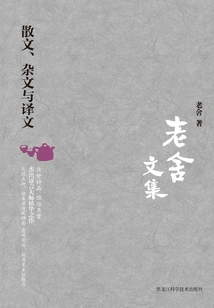
老舍文集:散文、杂文与译文
Lao She
Selects Lao She's major prose, essays and translations from various periods. An outstanding language master, whether he writes about people, scenes, feelings or events, his feelings are sincere and his love and hate are clear; he is concise, clear, short and precise, easy to understand, simple to explain, humorous, thought-provoking, and has unique characteristics. Prose: "Thinking of Peiping", "Spring of Daming Lake", "Some Impressions", "Another Year of Green Grass", "Master Rabbit", etc. Essays: "Immature Grain", "Miscellaneous Talks of Duoshuzhai", "Literature and Carpentry", "The Dangers of Humor", etc. Translations: "The Great Yao Who Gone Wrong", "Christian Ecumenism", "Trench Foot", etc.
Selects Lao She's major prose, essays and translations from various periods. An outstanding language master, whether he writes about people, scenes, feelings or events, his feelings are sincere and his love and hate are clear; he is concise, clear, short and precise, easy to understand, simple to explain, humorous, thought-provoking, and has unique characteristics. Prose: "Thinking of Peiping", "Spring of Daming Lake", "Some Impressions", "Another Year of Green Grass", "Master Rabbit", etc. Essays: "Immature Grain", "Miscellaneous Talks of Duoshuzhai", "Literature and Carpentry", "The Dangers of Humor", etc. Translations: "The Great Yao Who Gone Wrong", "Christian Ecumenism", "Trench Foot", etc.
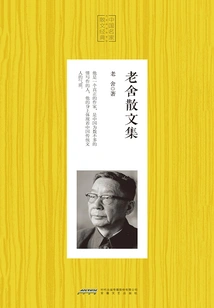
Lao She's Prose Collection
Literature老舍散文集
Lao She
This volume contains Lao She's major prose masterpieces from various periods, such as "Thinking of Peiping", "Cat", and "Appreciation of Baotu Spring". Lao She's prose, whether describing people, scenes, emotions or events, has sincere feelings and clear love and hate; it is concise, clear, short and precise, easy to understand, simple to understand, humorous and thought-provoking.
This volume contains Lao She's major prose masterpieces from various periods, such as "Thinking of Peiping", "Cat", and "Appreciation of Baotu Spring". Lao She's prose, whether describing people, scenes, emotions or events, has sincere feelings and clear love and hate; it is concise, clear, short and precise, easy to understand, simple to understand, humorous and thought-provoking.
Jianbei Chapter
Literature剑北篇
Lao She
"Jianbei Pian" is a long narrative poem written by Lao She in drum style during the Anti-Japanese War. It is also the only long poem published by Lao She during his lifetime. From here we can see a truly moving aspect of Lao She's creations.
"Jianbei Pian" is a long narrative poem written by Lao She in drum style during the Anti-Japanese War. It is also the only long poem published by Lao She during his lifetime. From here we can see a truly moving aspect of Lao She's creations.
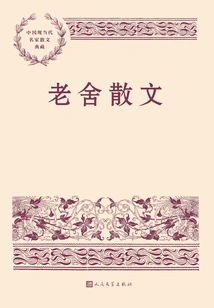
Lao She's Prose
Literature老舍散文
Lao She
This book selects 72 pieces of Lao She's prose, covering the author's diverse prose works describing scenery, scenery, characters, and human feelings. His prose may be based on citizens' life, reflect common social conflicts through ordinary scenes, and explore his thoughts on the survival and destiny of the people of old China; or describe the interesting life stories of intellectuals and the interactions of literati; or describe the scenery, customs and customs of various places at home and abroad, with meticulous details and extremely exaggerated strokes. The works are full of the interest of life and run through Lao She's consistent humorous style, allowing people to taste the severity and heaviness of life through lightness and humor. Lao She's creations benefited from the influence of folk literature and art. His prose, from form to content, is both elegant and popular. This makes his works popular, popular, and rich in national color, and is accepted and loved by the general public. Lao She is the originator of contemporary Beijing-style literature. His prose is also full of strong Beijing local color. The language comes from Beijing spoken language, which is catchy and can be recited aloud. From these works, we can see Lao She's mastery of language. Starting from modern spoken language, he evolved modern vernacular that can easily reflect modern life and express modern people's psychological activities. As a generation of language masters, Lao She has made great contributions to the development of modern Chinese vernacular.
This book selects 72 pieces of Lao She's prose, covering the author's diverse prose works describing scenery, scenery, characters, and human feelings. His prose may be based on citizens' life, reflect common social conflicts through ordinary scenes, and explore his thoughts on the survival and destiny of the people of old China; or describe the interesting life stories of intellectuals and the interactions of literati; or describe the scenery, customs and customs of various places at home and abroad, with meticulous details and extremely exaggerated strokes. The works are full of the interest of life and run through Lao She's consistent humorous style, allowing people to taste the severity and heaviness of life through lightness and humor. Lao She's creations benefited from the influence of folk literature and art. His prose, from form to content, is both elegant and popular. This makes his works popular, popular, and rich in national color, and is accepted and loved by the general public. Lao She is the originator of contemporary Beijing-style literature. His prose is also full of strong Beijing local color. The language comes from Beijing spoken language, which is catchy and can be recited aloud. From these works, we can see Lao She's mastery of language. Starting from modern spoken language, he evolved modern vernacular that can easily reflect modern life and express modern people's psychological activities. As a generation of language masters, Lao She has made great contributions to the development of modern Chinese vernacular.
Intensive Literature Reading·lao She
Literature文学精读·老舍
Lao She
Lao She is a modern novelist and dramatist in my country. He is the first writer in New China to win the title of "People's Artist". This book collects the essence of his literary creation throughout his life, divided into three volumes: prose, novels, and dramas. It includes essays such as "My Mother" and "I Love New Beijing", novels such as "No Problem" and "The Soul-Breaking Gun", as well as the famous drama "Tea House". Lao She poured his cheerfulness, humor, simplicity and enthusiasm into these works. They are all masterpieces that enter the world of Lao She's literature.
Lao She is a modern novelist and dramatist in my country. He is the first writer in New China to win the title of "People's Artist". This book collects the essence of his literary creation throughout his life, divided into three volumes: prose, novels, and dramas. It includes essays such as "My Mother" and "I Love New Beijing", novels such as "No Problem" and "The Soul-Breaking Gun", as well as the famous drama "Tea House". Lao She poured his cheerfulness, humor, simplicity and enthusiasm into these works. They are all masterpieces that enter the world of Lao She's literature.