Library
Browse and search books
330 novels found
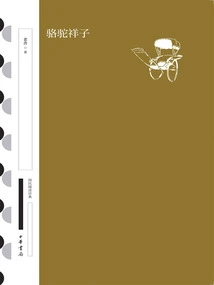
骆驼祥子(国民阅读经典·典藏版)
Lao She
"Camel Xiangzi" tells the story of the ups and downs of Xiangzi, a young, strong and energetic rickshaw puller in the city of Beiping, China. Xiangzi came from the countryside. He was a bankrupt young farmer who was diligent, simple and kind. He retained everything that the countryside had nurtured and taught him, but he never wanted to go back to the countryside. Xiangzi, who came to the city from the countryside, was eager to buy a car of his own with his honest labor. It was Xiangzi's wish, hope, and even religion to be an independent worker. With diligence and perseverance, he spent three years frugally, and finally realized his ideal and became a self-reliant first-class coachman. But just half a year after pulling the cart, the cart was kidnapped by deserters in the chaos of war. Xiangzi lost the cart and only brought back three camels. Xiangzi was not discouraged. He still stubbornly started from scratch and drove the cart more self-consciously to save money. However, before he could buy another car, all his savings were extorted and robbed by detectives, and his dream of buying a car came to nothing again. When Xiangzi pulled into his car again, it was at the expense of a deformed marriage with Huniu. The good times did not last long, because Huniu died in childbirth, and he had to sell the rickshaw to attend to the funeral. At this point, his life ideal was completely shattered. Coupled with the suicide of his beloved woman Xiao Fuzi, the last spark of hope in his heart was blown out. Suffering repeated blows from life, Xiangzi began to lose any aspirations and confidence in life. He could no longer muster the courage to live. He was no longer proud of pulling carts as before. He hated pulling carts and hated working. Xiangzi, who was teased by life, started playing games, eating, drinking, whoring and gambling. In order to drink, Xiangzi swindled money everywhere and became a "urban garbage". In the end, he made a living by working as a handyman for weddings and funerals. Xiangzi was reduced from a "decent, strong, dreamy, self-interested, personal, strong, and great" lower-class worker to a "degenerate, selfish, unfortunate, born in the womb of social disease, and the end of individualism."
"Camel Xiangzi" tells the story of the ups and downs of Xiangzi, a young, strong and energetic rickshaw puller in the city of Beiping, China. Xiangzi came from the countryside. He was a bankrupt young farmer who was diligent, simple and kind. He retained everything that the countryside had nurtured and taught him, but he never wanted to go back to the countryside. Xiangzi, who came to the city from the countryside, was eager to buy a car of his own with his honest labor. It was Xiangzi's wish, hope, and even religion to be an independent worker. With diligence and perseverance, he spent three years frugally, and finally realized his ideal and became a self-reliant first-class coachman. But just half a year after pulling the cart, the cart was kidnapped by deserters in the chaos of war. Xiangzi lost the cart and only brought back three camels. Xiangzi was not discouraged. He still stubbornly started from scratch and drove the cart more self-consciously to save money. However, before he could buy another car, all his savings were extorted and robbed by detectives, and his dream of buying a car came to nothing again. When Xiangzi pulled into his car again, it was at the expense of a deformed marriage with Huniu. The good times did not last long, because Huniu died in childbirth, and he had to sell the rickshaw to attend to the funeral. At this point, his life ideal was completely shattered. Coupled with the suicide of his beloved woman Xiao Fuzi, the last spark of hope in his heart was blown out. Suffering repeated blows from life, Xiangzi began to lose any aspirations and confidence in life. He could no longer muster the courage to live. He was no longer proud of pulling carts as before. He hated pulling carts and hated working. Xiangzi, who was teased by life, started playing games, eating, drinking, whoring and gambling. In order to drink, Xiangzi swindled money everywhere and became a "urban garbage". In the end, he made a living by working as a handyman for weddings and funerals. Xiangzi was reduced from a "decent, strong, dreamy, self-interested, personal, strong, and great" lower-class worker to a "degenerate, selfish, unfortunate, born in the womb of social disease, and the end of individualism."
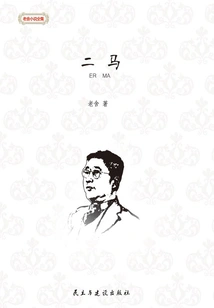
Two Horses
Literature二马
Lao She
Lao She (1899.2.3-1966.8.24), A modern Chinese literary giant, novelist and dramatist. His original name was Shu Qingchun, courtesy name Sheyu, Manchu, and a native of Beijing. He was born in a poor family and lost his father when he was young. He graduated from Beijing Normal School and served as the principal of a primary school and encouraged students in his early years. In 1924, he went to England to teach Chinese at the Oriental College of the University of London and began to write. He published novels "Lao Zhang's Philosophy", "Zhao Ziyue" and "Two Horses" in the "Novel Monthly", becoming one of the founders of modern novels in my country. After returning to China, he taught at Qilu University and Shandong University and engaged in writing at the same time. His representative works include the novels "Cat City", "Divorce", "Camel Xiangzi", the novellas "Crescent Moon" and "My Life", and the short stories "Micro God", "Soul-Breaking Gun", etc. After the outbreak of the Anti-Japanese War, he went to Wuhan and Chongqing to organize the All-China Association of Literary and Art Circles to Resist the Enemy, which dealt with the Prime Minister's meetings internally and represented the "Literary Association" externally. He wrote the novel "Four Generations Under One Roof" and improved modern folk arts. In 1946, he went to the United States to give lectures and returned to China four years later. He was mainly engaged in drama script creation. His representative works include "Longxugou" and "Teahouse". He was awarded the title of "People's Artist" and was known as a language master. He once served as Vice Chairman of the National Federation of Literary and Art Circles, Vice Chairman of the National Writers Association and Chairman of the Beijing Federation of Literary and Art Circles. After suffering severe persecution during the Cultural Revolution in 1966, he drowned himself in Taiping Lake. "The Complete Works of Lao She's Novels" collects Mr. Lao She's classic works. The content of this volume is "Two Horses".
Lao She (1899.2.3-1966.8.24), A modern Chinese literary giant, novelist and dramatist. His original name was Shu Qingchun, courtesy name Sheyu, Manchu, and a native of Beijing. He was born in a poor family and lost his father when he was young. He graduated from Beijing Normal School and served as the principal of a primary school and encouraged students in his early years. In 1924, he went to England to teach Chinese at the Oriental College of the University of London and began to write. He published novels "Lao Zhang's Philosophy", "Zhao Ziyue" and "Two Horses" in the "Novel Monthly", becoming one of the founders of modern novels in my country. After returning to China, he taught at Qilu University and Shandong University and engaged in writing at the same time. His representative works include the novels "Cat City", "Divorce", "Camel Xiangzi", the novellas "Crescent Moon" and "My Life", and the short stories "Micro God", "Soul-Breaking Gun", etc. After the outbreak of the Anti-Japanese War, he went to Wuhan and Chongqing to organize the All-China Association of Literary and Art Circles to Resist the Enemy, which dealt with the Prime Minister's meetings internally and represented the "Literary Association" externally. He wrote the novel "Four Generations Under One Roof" and improved modern folk arts. In 1946, he went to the United States to give lectures and returned to China four years later. He was mainly engaged in drama script creation. His representative works include "Longxugou" and "Teahouse". He was awarded the title of "People's Artist" and was known as a language master. He once served as Vice Chairman of the National Federation of Literary and Art Circles, Vice Chairman of the National Writers Association and Chairman of the Beijing Federation of Literary and Art Circles. After suffering severe persecution during the Cultural Revolution in 1966, he drowned himself in Taiping Lake. "The Complete Works of Lao She's Novels" collects Mr. Lao She's classic works. The content of this volume is "Two Horses".
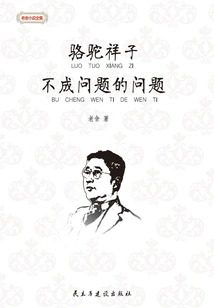
Luotuo Xiangzi·no Problem
Literature骆驼祥子·不成问题的问题
Lao She
Lao She (1899.2.3-1966.8.24), A modern Chinese literary giant, novelist and dramatist. His original name was Shu Qingchun, courtesy name Sheyu, Manchu, and a native of Beijing. He was born in a poor family and lost his father when he was young. He graduated from Beijing Normal School and served as the principal of a primary school and encouraged students in his early years. In 1924, he went to England to teach Chinese at the Oriental College of the University of London and began to write. He published novels "Lao Zhang's Philosophy", "Zhao Ziyue" and "Two Horses" in the "Novel Monthly", becoming one of the founders of modern novels in my country. After returning to China, he taught at Qilu University and Shandong University and engaged in writing at the same time. His representative works include the novels "Cat City", "Divorce", "Camel Xiangzi", the novellas "Crescent Moon" and "My Life", and the short stories "Micro God", "Soul-Breaking Gun", etc. After the outbreak of the Anti-Japanese War, he went to Wuhan and Chongqing to organize the All-China Association of Literary and Art Circles to Resist the Enemy, which dealt with the Prime Minister's meetings internally and represented the "Literary Association" externally. He wrote the novel "Four Generations Under One Roof" and improved modern folk arts. In 1946, he went to the United States to give lectures and returned to China four years later. He was mainly engaged in drama script creation. His representative works include "Longxugou" and "Teahouse". He was awarded the title of "People's Artist" and was known as a language master. He once served as Vice Chairman of the National Federation of Literary and Art Circles, Vice Chairman of the National Writers Association and Chairman of the Beijing Federation of Literary and Art Circles. After suffering severe persecution during the Cultural Revolution in 1966, he drowned himself in Taiping Lake. "The Complete Works of Lao She's Novels" collects Mr. Lao She's classic works. The content of this volume is "Camel Xiangzi" and "The Problem That Is Not a Problem".
Lao She (1899.2.3-1966.8.24), A modern Chinese literary giant, novelist and dramatist. His original name was Shu Qingchun, courtesy name Sheyu, Manchu, and a native of Beijing. He was born in a poor family and lost his father when he was young. He graduated from Beijing Normal School and served as the principal of a primary school and encouraged students in his early years. In 1924, he went to England to teach Chinese at the Oriental College of the University of London and began to write. He published novels "Lao Zhang's Philosophy", "Zhao Ziyue" and "Two Horses" in the "Novel Monthly", becoming one of the founders of modern novels in my country. After returning to China, he taught at Qilu University and Shandong University and engaged in writing at the same time. His representative works include the novels "Cat City", "Divorce", "Camel Xiangzi", the novellas "Crescent Moon" and "My Life", and the short stories "Micro God", "Soul-Breaking Gun", etc. After the outbreak of the Anti-Japanese War, he went to Wuhan and Chongqing to organize the All-China Association of Literary and Art Circles to Resist the Enemy, which dealt with the Prime Minister's meetings internally and represented the "Literary Association" externally. He wrote the novel "Four Generations Under One Roof" and improved modern folk arts. In 1946, he went to the United States to give lectures and returned to China four years later. He was mainly engaged in drama script creation. His representative works include "Longxugou" and "Teahouse". He was awarded the title of "People's Artist" and was known as a language master. He once served as Vice Chairman of the National Federation of Literary and Art Circles, Vice Chairman of the National Writers Association and Chairman of the Beijing Federation of Literary and Art Circles. After suffering severe persecution during the Cultural Revolution in 1966, he drowned himself in Taiping Lake. "The Complete Works of Lao She's Novels" collects Mr. Lao She's classic works. The content of this volume is "Camel Xiangzi" and "The Problem That Is Not a Problem".
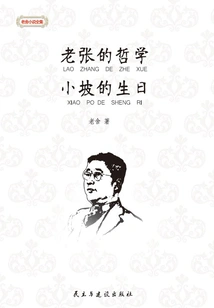
老张的哲学·小坡的生日
Lao She
Lao She (1899.2.3-1966.8.24), A modern Chinese literary giant, novelist and dramatist. His original name was Shu Qingchun, courtesy name Sheyu, Manchu, and a native of Beijing. He was born in a poor family and lost his father when he was young. He graduated from Beijing Normal School and served as the principal of a primary school and encouraged students in his early years. In 1924, he went to England to teach Chinese at the Oriental College of the University of London and began to write. He published novels "Lao Zhang's Philosophy", "Zhao Ziyue" and "Two Horses" in the "Novel Monthly", becoming one of the founders of modern novels in my country. After returning to China, he taught at Qilu University and Shandong University and engaged in writing at the same time. His representative works include the novels "Cat City", "Divorce", "Camel Xiangzi", the novellas "Crescent Moon" and "My Life", and the short stories "Micro God", "Soul-Breaking Gun", etc. After the outbreak of the Anti-Japanese War, he went to Wuhan and Chongqing to organize the All-China Association of Literary and Art Circles to Resist the Enemy, which dealt with the Prime Minister's meetings internally and represented the "Literary Association" externally. He wrote the novel "Four Generations Under One Roof" and improved modern folk arts. In 1946, he went to the United States to give lectures and returned to China four years later. He was mainly engaged in drama script creation. His representative works include "Longxugou" and "Teahouse". He was awarded the title of "People's Artist" and was known as a language master. He once served as Vice Chairman of the National Federation of Literary and Art Circles, Vice Chairman of the National Writers Association and Chairman of the Beijing Federation of Literary and Art Circles. After suffering severe persecution during the Cultural Revolution in 1966, he drowned himself in Taiping Lake. "The Complete Works of Lao She's Novels" collects Mr. Lao She's classic works. The content of this volume is "Lao Zhang's Philosophy" and "Xiao Po's Birthday".
Lao She (1899.2.3-1966.8.24), A modern Chinese literary giant, novelist and dramatist. His original name was Shu Qingchun, courtesy name Sheyu, Manchu, and a native of Beijing. He was born in a poor family and lost his father when he was young. He graduated from Beijing Normal School and served as the principal of a primary school and encouraged students in his early years. In 1924, he went to England to teach Chinese at the Oriental College of the University of London and began to write. He published novels "Lao Zhang's Philosophy", "Zhao Ziyue" and "Two Horses" in the "Novel Monthly", becoming one of the founders of modern novels in my country. After returning to China, he taught at Qilu University and Shandong University and engaged in writing at the same time. His representative works include the novels "Cat City", "Divorce", "Camel Xiangzi", the novellas "Crescent Moon" and "My Life", and the short stories "Micro God", "Soul-Breaking Gun", etc. After the outbreak of the Anti-Japanese War, he went to Wuhan and Chongqing to organize the All-China Association of Literary and Art Circles to Resist the Enemy, which dealt with the Prime Minister's meetings internally and represented the "Literary Association" externally. He wrote the novel "Four Generations Under One Roof" and improved modern folk arts. In 1946, he went to the United States to give lectures and returned to China four years later. He was mainly engaged in drama script creation. His representative works include "Longxugou" and "Teahouse". He was awarded the title of "People's Artist" and was known as a language master. He once served as Vice Chairman of the National Federation of Literary and Art Circles, Vice Chairman of the National Writers Association and Chairman of the Beijing Federation of Literary and Art Circles. After suffering severe persecution during the Cultural Revolution in 1966, he drowned himself in Taiping Lake. "The Complete Works of Lao She's Novels" collects Mr. Lao She's classic works. The content of this volume is "Lao Zhang's Philosophy" and "Xiao Po's Birthday".
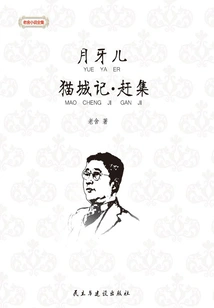
月牙儿·猫城记·赶集
Lao She
Lao She (1899.2.3-1966.8.24), A modern Chinese literary giant, novelist and dramatist. His original name was Shu Qingchun, courtesy name Sheyu, Manchu, and a native of Beijing. He was born in a poor family and lost his father when he was young. He graduated from Beijing Normal School and served as the principal of a primary school and encouraged students in his early years. In 1924, he went to England to teach Chinese at the Oriental College of the University of London and began to write. He published novels "Lao Zhang's Philosophy", "Zhao Ziyue" and "Two Horses" in the "Novel Monthly", becoming one of the founders of modern novels in my country. After returning to China, he taught at Qilu University and Shandong University and engaged in writing at the same time. His representative works include the novels "Cat City", "Divorce", "Camel Xiangzi", the novellas "Crescent Moon" and "My Life", and the short stories "Micro God", "Soul-Breaking Gun", etc. After the outbreak of the Anti-Japanese War, he went to Wuhan and Chongqing to organize the All-China Association of Literary and Art Circles to Resist the Enemy, which dealt with the Prime Minister's meetings internally and represented the "Literary Association" externally. He wrote the novel "Four Generations Under One Roof" and improved modern folk arts. In 1946, he went to the United States to give lectures and returned to China four years later. He was mainly engaged in drama script creation. His representative works include "Longxugou" and "Teahouse". He was awarded the title of "People's Artist" and was known as a language master. He once served as Vice Chairman of the National Federation of Literary and Art Circles, Vice Chairman of the National Writers Association and Chairman of the Beijing Federation of Literary and Art Circles. After suffering severe persecution during the Cultural Revolution in 1966, he drowned himself in Taiping Lake. "The Complete Works of Lao She's Novels" collects Mr. Lao She's classic works. This volume includes "Crescent Moon", "Cat City" and "Going to the Market".
Lao She (1899.2.3-1966.8.24), A modern Chinese literary giant, novelist and dramatist. His original name was Shu Qingchun, courtesy name Sheyu, Manchu, and a native of Beijing. He was born in a poor family and lost his father when he was young. He graduated from Beijing Normal School and served as the principal of a primary school and encouraged students in his early years. In 1924, he went to England to teach Chinese at the Oriental College of the University of London and began to write. He published novels "Lao Zhang's Philosophy", "Zhao Ziyue" and "Two Horses" in the "Novel Monthly", becoming one of the founders of modern novels in my country. After returning to China, he taught at Qilu University and Shandong University and engaged in writing at the same time. His representative works include the novels "Cat City", "Divorce", "Camel Xiangzi", the novellas "Crescent Moon" and "My Life", and the short stories "Micro God", "Soul-Breaking Gun", etc. After the outbreak of the Anti-Japanese War, he went to Wuhan and Chongqing to organize the All-China Association of Literary and Art Circles to Resist the Enemy, which dealt with the Prime Minister's meetings internally and represented the "Literary Association" externally. He wrote the novel "Four Generations Under One Roof" and improved modern folk arts. In 1946, he went to the United States to give lectures and returned to China four years later. He was mainly engaged in drama script creation. His representative works include "Longxugou" and "Teahouse". He was awarded the title of "People's Artist" and was known as a language master. He once served as Vice Chairman of the National Federation of Literary and Art Circles, Vice Chairman of the National Writers Association and Chairman of the Beijing Federation of Literary and Art Circles. After suffering severe persecution during the Cultural Revolution in 1966, he drowned himself in Taiping Lake. "The Complete Works of Lao She's Novels" collects Mr. Lao She's classic works. This volume includes "Crescent Moon", "Cat City" and "Going to the Market".
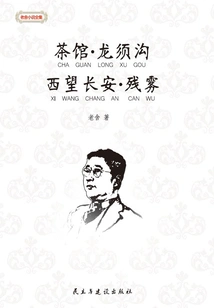
茶馆·龙须沟·西望长安·残雾
Lao She
Lao She (1899.2.3-1966.8.24), A modern Chinese literary giant, novelist and dramatist. His original name was Shu Qingchun, courtesy name Sheyu, Manchu, and a native of Beijing. He was born in a poor family and lost his father when he was young. He graduated from Beijing Normal School and served as the principal of a primary school and encouraged students in his early years. In 1924, he went to England to teach Chinese at the Oriental College of the University of London and began to write. He published novels "Lao Zhang's Philosophy", "Zhao Ziyue" and "Two Horses" in the "Novel Monthly", becoming one of the founders of modern novels in my country. After returning to China, he taught at Qilu University and Shandong University and engaged in writing at the same time. His representative works include the novels "Cat City", "Divorce", "Camel Xiangzi", the novellas "Crescent Moon" and "My Life", and the short stories "Micro God", "Soul-Breaking Gun", etc. After the outbreak of the Anti-Japanese War, he went to Wuhan and Chongqing to organize the All-China Association of Literary and Art Circles to Resist the Enemy, which dealt with the Prime Minister's meetings internally and represented the "Literary Association" externally. He wrote the novel "Four Generations Under One Roof" and improved modern folk arts. In 1946, he went to the United States to give lectures and returned to China four years later. He was mainly engaged in drama script creation. His representative works include "Longxugou" and "Teahouse". He was awarded the title of "People's Artist" and was known as a language master. He once served as Vice Chairman of the National Federation of Literary and Art Circles, Vice Chairman of the National Writers Association and Chairman of the Beijing Federation of Literary and Art Circles. After suffering severe persecution during the Cultural Revolution in 1966, he drowned himself in Taiping Lake. "The Complete Works of Lao She's Novels" collects Mr. Lao She's classic works. This volume includes the dramas "Teahouse", "Longxugou", "Looking West to Chang'an" and "Remnant Fog".
Lao She (1899.2.3-1966.8.24), A modern Chinese literary giant, novelist and dramatist. His original name was Shu Qingchun, courtesy name Sheyu, Manchu, and a native of Beijing. He was born in a poor family and lost his father when he was young. He graduated from Beijing Normal School and served as the principal of a primary school and encouraged students in his early years. In 1924, he went to England to teach Chinese at the Oriental College of the University of London and began to write. He published novels "Lao Zhang's Philosophy", "Zhao Ziyue" and "Two Horses" in the "Novel Monthly", becoming one of the founders of modern novels in my country. After returning to China, he taught at Qilu University and Shandong University and engaged in writing at the same time. His representative works include the novels "Cat City", "Divorce", "Camel Xiangzi", the novellas "Crescent Moon" and "My Life", and the short stories "Micro God", "Soul-Breaking Gun", etc. After the outbreak of the Anti-Japanese War, he went to Wuhan and Chongqing to organize the All-China Association of Literary and Art Circles to Resist the Enemy, which dealt with the Prime Minister's meetings internally and represented the "Literary Association" externally. He wrote the novel "Four Generations Under One Roof" and improved modern folk arts. In 1946, he went to the United States to give lectures and returned to China four years later. He was mainly engaged in drama script creation. His representative works include "Longxugou" and "Teahouse". He was awarded the title of "People's Artist" and was known as a language master. He once served as Vice Chairman of the National Federation of Literary and Art Circles, Vice Chairman of the National Writers Association and Chairman of the Beijing Federation of Literary and Art Circles. After suffering severe persecution during the Cultural Revolution in 1966, he drowned himself in Taiping Lake. "The Complete Works of Lao She's Novels" collects Mr. Lao She's classic works. This volume includes the dramas "Teahouse", "Longxugou", "Looking West to Chang'an" and "Remnant Fog".
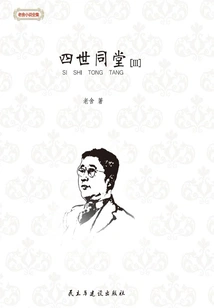
Four Generations under One Roof Iii
Literature四世同堂Ⅲ
Lao She
Lao She (1899.2.3-1966.8.24), A modern Chinese literary giant, novelist and dramatist. His original name was Shu Qingchun, courtesy name Sheyu, Manchu, and a native of Beijing. He was born in a poor family and lost his father when he was young. He graduated from Beijing Normal School and served as the principal of a primary school and encouraged students in his early years. In 1924, he went to England to teach Chinese at the Oriental College of the University of London and began to write. He published novels "Lao Zhang's Philosophy", "Zhao Ziyue" and "Two Horses" in the "Novel Monthly", becoming one of the founders of modern novels in my country. After returning to China, he taught at Qilu University and Shandong University and engaged in writing at the same time. His representative works include the novels "Cat City", "Divorce", "Camel Xiangzi", the novellas "Crescent Moon" and "My Life", and the short stories "Micro God", "Soul-Breaking Gun", etc. After the outbreak of the Anti-Japanese War, he went to Wuhan and Chongqing to organize the All-China Association of Literary and Art Circles to Resist the Enemy, which dealt with the Prime Minister's meetings internally and represented the "Literary Association" externally. He wrote the novel "Four Generations Under One Roof" and improved modern folk arts. In 1946, he went to the United States to give lectures and returned to China four years later. He was mainly engaged in drama script creation. His representative works include "Longxugou" and "Teahouse". He was awarded the title of "People's Artist" and was known as a language master. He once served as Vice Chairman of the National Federation of Literary and Art Circles, Vice Chairman of the National Writers Association and Chairman of the Beijing Federation of Literary and Art Circles. After suffering severe persecution during the Cultural Revolution in 1966, he drowned himself in Taiping Lake. "The Complete Works of Lao She's Novels" contains Mr. Lao She's classic works. This volume is the third volume of "Four Generations Under One Roof".
Lao She (1899.2.3-1966.8.24), A modern Chinese literary giant, novelist and dramatist. His original name was Shu Qingchun, courtesy name Sheyu, Manchu, and a native of Beijing. He was born in a poor family and lost his father when he was young. He graduated from Beijing Normal School and served as the principal of a primary school and encouraged students in his early years. In 1924, he went to England to teach Chinese at the Oriental College of the University of London and began to write. He published novels "Lao Zhang's Philosophy", "Zhao Ziyue" and "Two Horses" in the "Novel Monthly", becoming one of the founders of modern novels in my country. After returning to China, he taught at Qilu University and Shandong University and engaged in writing at the same time. His representative works include the novels "Cat City", "Divorce", "Camel Xiangzi", the novellas "Crescent Moon" and "My Life", and the short stories "Micro God", "Soul-Breaking Gun", etc. After the outbreak of the Anti-Japanese War, he went to Wuhan and Chongqing to organize the All-China Association of Literary and Art Circles to Resist the Enemy, which dealt with the Prime Minister's meetings internally and represented the "Literary Association" externally. He wrote the novel "Four Generations Under One Roof" and improved modern folk arts. In 1946, he went to the United States to give lectures and returned to China four years later. He was mainly engaged in drama script creation. His representative works include "Longxugou" and "Teahouse". He was awarded the title of "People's Artist" and was known as a language master. He once served as Vice Chairman of the National Federation of Literary and Art Circles, Vice Chairman of the National Writers Association and Chairman of the Beijing Federation of Literary and Art Circles. After suffering severe persecution during the Cultural Revolution in 1966, he drowned himself in Taiping Lake. "The Complete Works of Lao She's Novels" contains Mr. Lao She's classic works. This volume is the third volume of "Four Generations Under One Roof".
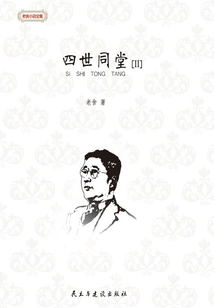
Four Generations under One Roof Ⅱ
Literature四世同堂Ⅱ
Lao She
Lao She (1899.2.3-1966.8.24), A modern Chinese literary giant, novelist and dramatist. His original name was Shu Qingchun, courtesy name Sheyu, Manchu, and a native of Beijing. He was born in a poor family and lost his father when he was young. He graduated from Beijing Normal School and served as the principal of a primary school and encouraged students in his early years. In 1924, he went to England to teach Chinese at the Oriental College of the University of London and began to write. He published novels "Lao Zhang's Philosophy", "Zhao Ziyue" and "Two Horses" in the "Novel Monthly", becoming one of the founders of modern novels in my country. After returning to China, he taught at Qilu University and Shandong University and engaged in writing at the same time. His representative works include the novels "Cat City", "Divorce", "Camel Xiangzi", the novellas "Crescent Moon" and "My Life", and the short stories "Micro God", "Soul-Breaking Gun", etc. After the outbreak of the Anti-Japanese War, he went to Wuhan and Chongqing to organize the All-China Association of Literary and Art Circles to Resist the Enemy, which dealt with the Prime Minister's meetings internally and represented the "Literary Association" externally. He wrote the novel "Four Generations Under One Roof" and improved modern folk arts. In 1946, he went to the United States to give lectures and returned to China four years later. He was mainly engaged in drama script creation. His representative works include "Longxugou" and "Teahouse". He was awarded the title of "People's Artist" and was known as a language master. He once served as Vice Chairman of the National Federation of Literary and Art Circles, Vice Chairman of the National Writers Association and Chairman of the Beijing Federation of Literary and Art Circles. After suffering severe persecution during the Cultural Revolution in 1966, he drowned himself in Taiping Lake. "The Complete Works of Lao She's Novels" contains Mr. Lao She's classic works, and this volume is the second volume of "Four Generations Under One Roof".
Lao She (1899.2.3-1966.8.24), A modern Chinese literary giant, novelist and dramatist. His original name was Shu Qingchun, courtesy name Sheyu, Manchu, and a native of Beijing. He was born in a poor family and lost his father when he was young. He graduated from Beijing Normal School and served as the principal of a primary school and encouraged students in his early years. In 1924, he went to England to teach Chinese at the Oriental College of the University of London and began to write. He published novels "Lao Zhang's Philosophy", "Zhao Ziyue" and "Two Horses" in the "Novel Monthly", becoming one of the founders of modern novels in my country. After returning to China, he taught at Qilu University and Shandong University and engaged in writing at the same time. His representative works include the novels "Cat City", "Divorce", "Camel Xiangzi", the novellas "Crescent Moon" and "My Life", and the short stories "Micro God", "Soul-Breaking Gun", etc. After the outbreak of the Anti-Japanese War, he went to Wuhan and Chongqing to organize the All-China Association of Literary and Art Circles to Resist the Enemy, which dealt with the Prime Minister's meetings internally and represented the "Literary Association" externally. He wrote the novel "Four Generations Under One Roof" and improved modern folk arts. In 1946, he went to the United States to give lectures and returned to China four years later. He was mainly engaged in drama script creation. His representative works include "Longxugou" and "Teahouse". He was awarded the title of "People's Artist" and was known as a language master. He once served as Vice Chairman of the National Federation of Literary and Art Circles, Vice Chairman of the National Writers Association and Chairman of the Beijing Federation of Literary and Art Circles. After suffering severe persecution during the Cultural Revolution in 1966, he drowned himself in Taiping Lake. "The Complete Works of Lao She's Novels" contains Mr. Lao She's classic works, and this volume is the second volume of "Four Generations Under One Roof".
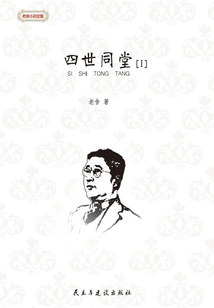
Four Generations Living under One Roofⅰ
Literature四世同堂Ⅰ
Lao She
Lao She (1899.2.3-1966.8.24), A modern Chinese literary giant, novelist and dramatist. His original name was Shu Qingchun, courtesy name Sheyu, Manchu, and a native of Beijing. He was born in a poor family and lost his father when he was young. He graduated from Beijing Normal School and served as the principal of a primary school and encouraged students in his early years. In 1924, he went to England to teach Chinese at the Oriental College of the University of London and began to write. He published novels "Lao Zhang's Philosophy", "Zhao Ziyue" and "Two Horses" in the "Novel Monthly", becoming one of the founders of modern novels in my country. After returning to China, he taught at Qilu University and Shandong University and engaged in writing at the same time. His representative works include the novels "Cat City", "Divorce", "Camel Xiangzi", the novellas "Crescent Moon" and "My Life", and the short stories "Micro God", "Soul-Breaking Gun", etc. After the outbreak of the Anti-Japanese War, he went to Wuhan and Chongqing to organize the All-China Association of Literary and Art Circles to Resist the Enemy, which dealt with the Prime Minister's meetings internally and represented the "Literary Association" externally. He wrote the novel "Four Generations Under One Roof" and improved modern folk arts. In 1946, he went to the United States to give lectures and returned to China four years later. He was mainly engaged in drama script creation. His representative works include "Longxugou" and "Teahouse". He was awarded the title of "People's Artist" and was known as a language master. He once served as Vice Chairman of the National Federation of Literary and Art Circles, Vice Chairman of the National Writers Association and Chairman of the Beijing Federation of Literary and Art Circles. After suffering severe persecution during the Cultural Revolution in 1966, he drowned himself in Taiping Lake. "The Complete Works of Lao She's Novels" contains Mr. Lao She's classic works. This volume is the first volume of "Four Generations Under One Roof".
Lao She (1899.2.3-1966.8.24), A modern Chinese literary giant, novelist and dramatist. His original name was Shu Qingchun, courtesy name Sheyu, Manchu, and a native of Beijing. He was born in a poor family and lost his father when he was young. He graduated from Beijing Normal School and served as the principal of a primary school and encouraged students in his early years. In 1924, he went to England to teach Chinese at the Oriental College of the University of London and began to write. He published novels "Lao Zhang's Philosophy", "Zhao Ziyue" and "Two Horses" in the "Novel Monthly", becoming one of the founders of modern novels in my country. After returning to China, he taught at Qilu University and Shandong University and engaged in writing at the same time. His representative works include the novels "Cat City", "Divorce", "Camel Xiangzi", the novellas "Crescent Moon" and "My Life", and the short stories "Micro God", "Soul-Breaking Gun", etc. After the outbreak of the Anti-Japanese War, he went to Wuhan and Chongqing to organize the All-China Association of Literary and Art Circles to Resist the Enemy, which dealt with the Prime Minister's meetings internally and represented the "Literary Association" externally. He wrote the novel "Four Generations Under One Roof" and improved modern folk arts. In 1946, he went to the United States to give lectures and returned to China four years later. He was mainly engaged in drama script creation. His representative works include "Longxugou" and "Teahouse". He was awarded the title of "People's Artist" and was known as a language master. He once served as Vice Chairman of the National Federation of Literary and Art Circles, Vice Chairman of the National Writers Association and Chairman of the Beijing Federation of Literary and Art Circles. After suffering severe persecution during the Cultural Revolution in 1966, he drowned himself in Taiping Lake. "The Complete Works of Lao She's Novels" contains Mr. Lao She's classic works. This volume is the first volume of "Four Generations Under One Roof".
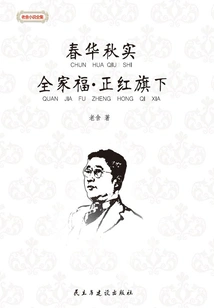
春华秋实·全家福·正红旗下
Lao She
Lao She (1899.2.3-1966.8.24), A modern Chinese literary giant, novelist and dramatist. His original name was Shu Qingchun, courtesy name Sheyu, Manchu, and a native of Beijing. He was born in a poor family and lost his father when he was young. He graduated from Beijing Normal School and served as the principal of a primary school and encouraged students in his early years. In 1924, he went to England to teach Chinese at the Oriental College of the University of London and began to write. He published novels "Lao Zhang's Philosophy", "Zhao Ziyue" and "Two Horses" in the "Novel Monthly", becoming one of the founders of modern novels in my country. After returning to China, he taught at Qilu University and Shandong University and engaged in writing at the same time. His representative works include the novels "Cat City", "Divorce", "Camel Xiangzi", the novellas "Crescent Moon" and "My Life", and the short stories "Micro God", "Soul-Breaking Gun", etc. After the outbreak of the Anti-Japanese War, he went to Wuhan and Chongqing to organize the All-China Association of Literary and Art Circles to Resist the Enemy, which dealt with the Prime Minister's meetings internally and represented the "Literary Association" externally. He wrote the novel "Four Generations Under One Roof" and improved modern folk arts. In 1946, he went to the United States to give lectures and returned to China four years later. He was mainly engaged in drama script creation. His representative works include "Longxugou" and "Teahouse". He was awarded the title of "People's Artist" and was known as a language master. He once served as Vice Chairman of the National Federation of Literary and Art Circles, Vice Chairman of the National Writers Association and Chairman of the Beijing Federation of Literary and Art Circles. After suffering severe persecution during the Cultural Revolution in 1966, he drowned himself in Taiping Lake. "The Complete Works of Lao She's Novels" collects Mr. Lao She's classic works. This volume includes "Spring and Autumn Facts", "Family Portrait" and "Under the Red Flag".
Lao She (1899.2.3-1966.8.24), A modern Chinese literary giant, novelist and dramatist. His original name was Shu Qingchun, courtesy name Sheyu, Manchu, and a native of Beijing. He was born in a poor family and lost his father when he was young. He graduated from Beijing Normal School and served as the principal of a primary school and encouraged students in his early years. In 1924, he went to England to teach Chinese at the Oriental College of the University of London and began to write. He published novels "Lao Zhang's Philosophy", "Zhao Ziyue" and "Two Horses" in the "Novel Monthly", becoming one of the founders of modern novels in my country. After returning to China, he taught at Qilu University and Shandong University and engaged in writing at the same time. His representative works include the novels "Cat City", "Divorce", "Camel Xiangzi", the novellas "Crescent Moon" and "My Life", and the short stories "Micro God", "Soul-Breaking Gun", etc. After the outbreak of the Anti-Japanese War, he went to Wuhan and Chongqing to organize the All-China Association of Literary and Art Circles to Resist the Enemy, which dealt with the Prime Minister's meetings internally and represented the "Literary Association" externally. He wrote the novel "Four Generations Under One Roof" and improved modern folk arts. In 1946, he went to the United States to give lectures and returned to China four years later. He was mainly engaged in drama script creation. His representative works include "Longxugou" and "Teahouse". He was awarded the title of "People's Artist" and was known as a language master. He once served as Vice Chairman of the National Federation of Literary and Art Circles, Vice Chairman of the National Writers Association and Chairman of the Beijing Federation of Literary and Art Circles. After suffering severe persecution during the Cultural Revolution in 1966, he drowned himself in Taiping Lake. "The Complete Works of Lao She's Novels" collects Mr. Lao She's classic works. This volume includes "Spring and Autumn Facts", "Family Portrait" and "Under the Red Flag".
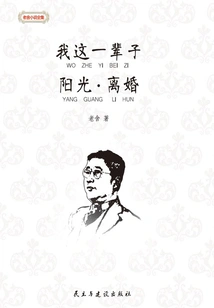
My Life·sunshine·divorce
Literature我这一辈子·阳光·离婚
Lao She
Lao She (1899.2.3-1966.8.24), A modern Chinese literary giant, novelist and dramatist. His original name was Shu Qingchun, courtesy name Sheyu, Manchu, and a native of Beijing. He was born in a poor family and lost his father when he was young. He graduated from Beijing Normal School and served as the principal of a primary school and encouraged students in his early years. In 1924, he went to England to teach Chinese at the Oriental College of the University of London and began to write. He published novels "Lao Zhang's Philosophy", "Zhao Ziyue" and "Two Horses" in the "Novel Monthly", becoming one of the founders of modern novels in my country. After returning to China, he taught at Qilu University and Shandong University and engaged in writing at the same time. His representative works include the novels "Cat City", "Divorce", "Camel Xiangzi", the novellas "Crescent Moon" and "My Life", and the short stories "Micro God", "Soul-Breaking Gun", etc. After the outbreak of the Anti-Japanese War, he went to Wuhan and Chongqing to organize the All-China Association of Literary and Art Circles to Resist the Enemy, which dealt with the Prime Minister's meetings internally and represented the "Literary Association" externally. He wrote the novel "Four Generations Under One Roof" and improved modern folk arts. In 1946, he went to the United States to give lectures and returned to China four years later. He was mainly engaged in drama script creation. His representative works include "Longxugou" and "Teahouse". He was awarded the title of "People's Artist" and was known as a language master. He once served as Vice Chairman of the National Federation of Literary and Art Circles, Vice Chairman of the National Writers Association and Chairman of the Beijing Federation of Literary and Art Circles. After suffering severe persecution during the Cultural Revolution in 1966, he drowned himself in Taiping Lake. "The Complete Works of Lao She's Novels" collects Mr. Lao She's classic works. This volume includes "My Life", "Sunshine" and "Divorce".
Lao She (1899.2.3-1966.8.24), A modern Chinese literary giant, novelist and dramatist. His original name was Shu Qingchun, courtesy name Sheyu, Manchu, and a native of Beijing. He was born in a poor family and lost his father when he was young. He graduated from Beijing Normal School and served as the principal of a primary school and encouraged students in his early years. In 1924, he went to England to teach Chinese at the Oriental College of the University of London and began to write. He published novels "Lao Zhang's Philosophy", "Zhao Ziyue" and "Two Horses" in the "Novel Monthly", becoming one of the founders of modern novels in my country. After returning to China, he taught at Qilu University and Shandong University and engaged in writing at the same time. His representative works include the novels "Cat City", "Divorce", "Camel Xiangzi", the novellas "Crescent Moon" and "My Life", and the short stories "Micro God", "Soul-Breaking Gun", etc. After the outbreak of the Anti-Japanese War, he went to Wuhan and Chongqing to organize the All-China Association of Literary and Art Circles to Resist the Enemy, which dealt with the Prime Minister's meetings internally and represented the "Literary Association" externally. He wrote the novel "Four Generations Under One Roof" and improved modern folk arts. In 1946, he went to the United States to give lectures and returned to China four years later. He was mainly engaged in drama script creation. His representative works include "Longxugou" and "Teahouse". He was awarded the title of "People's Artist" and was known as a language master. He once served as Vice Chairman of the National Federation of Literary and Art Circles, Vice Chairman of the National Writers Association and Chairman of the Beijing Federation of Literary and Art Circles. After suffering severe persecution during the Cultural Revolution in 1966, he drowned himself in Taiping Lake. "The Complete Works of Lao She's Novels" collects Mr. Lao She's classic works. This volume includes "My Life", "Sunshine" and "Divorce".
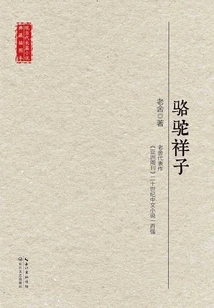
骆驼祥子(现当代长篇小说典藏插图本)
Lao She
"Camel Xiangzi" is based on the life of Beijing citizens in the late 1920s, and takes the bumpy and tragic life experience of rickshaw driver Xiangzi as the main line, showing readers a picture of the poor citizens at the bottom trying to change their destiny but running into obstacles everywhere. The work uses Beijing dialect extensively, deeply exposes the darkness of old China, accuses the ruling class of the exploitation and oppression of the working people at the bottom, and expresses the author's deep sympathy for the working people. This work is Lao She's masterpiece and an important harvest in the history of modern Chinese literature.
"Camel Xiangzi" is based on the life of Beijing citizens in the late 1920s, and takes the bumpy and tragic life experience of rickshaw driver Xiangzi as the main line, showing readers a picture of the poor citizens at the bottom trying to change their destiny but running into obstacles everywhere. The work uses Beijing dialect extensively, deeply exposes the darkness of old China, accuses the ruling class of the exploitation and oppression of the working people at the bottom, and expresses the author's deep sympathy for the working people. This work is Lao She's masterpiece and an important harvest in the history of modern Chinese literature.
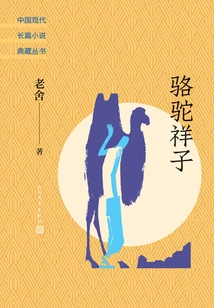
Camel Xiangzi
General Fiction骆驼祥子
Lao She
"Camel Xiangzi" tells the tragic story of Xiangzi, a rickshaw driver in the old city of Beiping, China. Xiangzi comes from the countryside, and the increasingly declining and declining countryside makes it impossible for him to survive. He fights against life with his tenacious character and stubborn attitude, which constitutes the main plot content of the novel. The fight ended with Xiangzi's failure, and he eventually became a jobless vagrant like a walking zombie. The profound realism of this novel lies in the fact that it not only describes the material deprivation of Xiangzi by the harsh living environment, but also depicts Xiangzi's spiritual decadence after his life ideals were destroyed. The novel's artistic structure is simple and clear, inheriting the excellent tradition of my country's classical novels.
"Camel Xiangzi" tells the tragic story of Xiangzi, a rickshaw driver in the old city of Beiping, China. Xiangzi comes from the countryside, and the increasingly declining and declining countryside makes it impossible for him to survive. He fights against life with his tenacious character and stubborn attitude, which constitutes the main plot content of the novel. The fight ended with Xiangzi's failure, and he eventually became a jobless vagrant like a walking zombie. The profound realism of this novel lies in the fact that it not only describes the material deprivation of Xiangzi by the harsh living environment, but also depicts Xiangzi's spiritual decadence after his life ideals were destroyed. The novel's artistic structure is simple and clear, inheriting the excellent tradition of my country's classical novels.
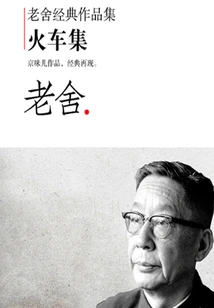
Collection of Lao She's Classic Works: Train Collection
General Fiction老舍经典作品集:火车集
Lao She
This book is a collection of Lao She's short stories, including "The Fire Car", "The East and West", "People Are of the Same Mind", "Killing the Dog", "A Letter from Home", "A Piece of Pork Liver", "The Bathing Slave", "Rabbit" and other works. Readers who like Lao She's works should not miss it. Each of the works is wonderful, written with thousands of twists and turns, and three sighs at every step. Whether it's character dialogue or inner monologue, the author's narration is exquisite, but the ending is unexpected. The work profoundly displays the characteristics of realism, and has a distinct artistic personality from language and style to content and theme.
This book is a collection of Lao She's short stories, including "The Fire Car", "The East and West", "People Are of the Same Mind", "Killing the Dog", "A Letter from Home", "A Piece of Pork Liver", "The Bathing Slave", "Rabbit" and other works. Readers who like Lao She's works should not miss it. Each of the works is wonderful, written with thousands of twists and turns, and three sighs at every step. Whether it's character dialogue or inner monologue, the author's narration is exquisite, but the ending is unexpected. The work profoundly displays the characteristics of realism, and has a distinct artistic personality from language and style to content and theme.
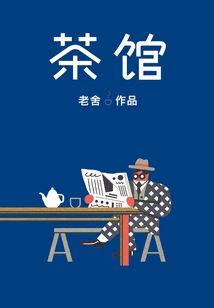
Teahouse
Literature茶馆
Lao She
At the turn of the century, Yutai Tea House was in Beijing. Sons of the Eight Banners, Chang Si Ye and Song Er Ye, gang boss Huang Fatty, Headquarters Director Shen, Eunuch Pang who wants to marry a wife, Tang Tiezui who makes a living as a face teller, Qin Er Ye who is enthusiastic about national salvation, waitress Xiao Ding Bao, human trafficker Liu Mazi... All kinds of people are welcome to come. The young shopkeeper Wang Lifa welcomes them every day and takes care of them. All living beings and all kinds of situations in the world are taking turns to be staged in this small teahouse, until everyone is overwhelmed by the huge waves of the times...
At the turn of the century, Yutai Tea House was in Beijing. Sons of the Eight Banners, Chang Si Ye and Song Er Ye, gang boss Huang Fatty, Headquarters Director Shen, Eunuch Pang who wants to marry a wife, Tang Tiezui who makes a living as a face teller, Qin Er Ye who is enthusiastic about national salvation, waitress Xiao Ding Bao, human trafficker Liu Mazi... All kinds of people are welcome to come. The young shopkeeper Wang Lifa welcomes them every day and takes care of them. All living beings and all kinds of situations in the world are taking turns to be staged in this small teahouse, until everyone is overwhelmed by the huge waves of the times...
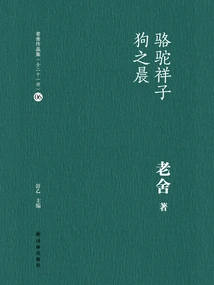
Camel Xiangzi Dog's Morning (Lao She's Works Collection 06)
General Fiction骆驼祥子 狗之晨(老舍作品集06)
Lao She
"Camel Xiangzi: Dog's Morning" contains five novels written by Mr. Lao She: "Camel Xiangzi", "Dog's Morning", "Fan Biao", "Master Niu's Spittoon" and "Enemy and Friend". The work mainly describes the picture of the poor citizens at the bottom living in the abyss of pain under the warlords' melee and dark rule.
"Camel Xiangzi: Dog's Morning" contains five novels written by Mr. Lao She: "Camel Xiangzi", "Dog's Morning", "Fan Biao", "Master Niu's Spittoon" and "Enemy and Friend". The work mainly describes the picture of the poor citizens at the bottom living in the abyss of pain under the warlords' melee and dark rule.
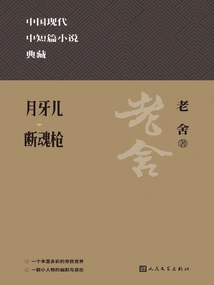
Crescent Moon's Soul-destroying Gun
General Fiction月牙儿 断魂枪
Lao She
In addition to writing novels, Lao She also published several collections of short and medium stories, such as "Crescent Moon", "Sunshine", "Going to the Market", "Yinghai Collection", "Clam Algae Collection", "Train Collection", "Anemia Collection", "Collection Outside", etc. He is good at describing the lives of Beijing citizens, especially the lower class poor, with a strong urban flavor and local Beijing color. He can shape and describe characters, grasp their characteristics, outline their appearance and demeanor, and is good at psychological description. He often uses the description of scenery to express the specific feelings of the characters. His works have a simple structure, simple clues, irony and humor, and are unique. This book is a selection of Lao She's short stories and short stories, including "Crescent Moon", "Taking Office", "Sacrifice", "Black and White Li", "Soul-Breaking Gun", etc.
In addition to writing novels, Lao She also published several collections of short and medium stories, such as "Crescent Moon", "Sunshine", "Going to the Market", "Yinghai Collection", "Clam Algae Collection", "Train Collection", "Anemia Collection", "Collection Outside", etc. He is good at describing the lives of Beijing citizens, especially the lower class poor, with a strong urban flavor and local Beijing color. He can shape and describe characters, grasp their characteristics, outline their appearance and demeanor, and is good at psychological description. He often uses the description of scenery to express the specific feelings of the characters. His works have a simple structure, simple clues, irony and humor, and are unique. This book is a selection of Lao She's short stories and short stories, including "Crescent Moon", "Taking Office", "Sacrifice", "Black and White Li", "Soul-Breaking Gun", etc.
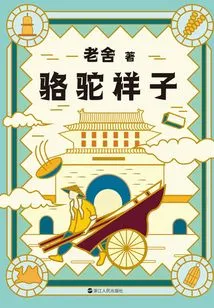
Collected Works of Lao She: Luo Tuo Xiangzi (New Edition)
General Fiction老舍典藏文集:骆驼祥子(新版)
Lao She
Xiangzi is a countryman who has nothing but a fighting spirit. He is diligent, kind and has his own dreams. He believes that sweating his own sweat, eating his own food, and having a car of his own are the best things in the world. But the cruel reality made him buy cars several times and lose them several times... Youth is beautiful, but struggle is bitter. In that cruel era, what is the meaning of hard work? There is a Xiangzi who wants to be strong in everyone's heart, and he is both painful and happy.
Xiangzi is a countryman who has nothing but a fighting spirit. He is diligent, kind and has his own dreams. He believes that sweating his own sweat, eating his own food, and having a car of his own are the best things in the world. But the cruel reality made him buy cars several times and lose them several times... Youth is beautiful, but struggle is bitter. In that cruel era, what is the meaning of hard work? There is a Xiangzi who wants to be strong in everyone's heart, and he is both painful and happy.
Four Generations under One Roof (Part 2): Ignorant Life (Lao She's Works Collection 02)
General Fiction四世同堂(第二部):偷生(老舍作品集02)
Lao She
This book is Lao She's masterpiece novel. It takes the life of four generations of the Qi family as the main line and vividly and vividly depicts the ups and downs, life and death of people from all walks of life and all kinds of people represented by the residents of Xiaoyangquan Hutong. The work describes the tragic experience of the vast number of civilians under the iron heel of the Japanese invaders in the abnormal world situation after the fall of Peiping.
This book is Lao She's masterpiece novel. It takes the life of four generations of the Qi family as the main line and vividly and vividly depicts the ups and downs, life and death of people from all walks of life and all kinds of people represented by the residents of Xiaoyangquan Hutong. The work describes the tragic experience of the vast number of civilians under the iron heel of the Japanese invaders in the abnormal world situation after the fall of Peiping.
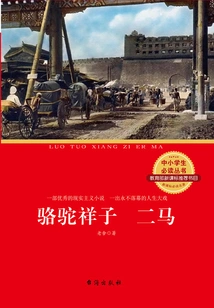
Camel Xiangzi Two Horses
General Fiction骆驼祥子 二马
Lao She
"Camel Xiangzi" is Lao She's masterpiece. It tells the tragic story of Xiangzi, a rickshaw puller in the old city of Beiping, China. The young Xiangzi came to the city from the countryside, eager to create his own new life through his honesty and labor. But in the dark old society, his ideal was ultimately not realized, and he fell in despair. "Camel Xiangzi" successfully created flesh-and-blood characters such as Xiangzi, Huniu, and Liu Siye, and painfully criticized the dark social reality, becoming one of the great realist works of the 20th century. For more than half a century, it has attracted countless readers with its unique artistic charm and is one of the literary classics loved by the Chinese people. "Two Horses" is the last novel Lao She wrote while living in London. Turning our attention to the oppression and humiliation of the Chinese people by imperialism. The center of "Two Horses" is to describe the life and experiences of Ma Zeren and Ma Wei and his son when they were running an antique shop in London. It also exposes the racial discrimination of imperialism and the reality that money dominates everything. In particular, it deeply describes the pain and humiliation brought to the Chinese people due to the weakness of the motherland, and demonstrates the author's deep patriotism.
"Camel Xiangzi" is Lao She's masterpiece. It tells the tragic story of Xiangzi, a rickshaw puller in the old city of Beiping, China. The young Xiangzi came to the city from the countryside, eager to create his own new life through his honesty and labor. But in the dark old society, his ideal was ultimately not realized, and he fell in despair. "Camel Xiangzi" successfully created flesh-and-blood characters such as Xiangzi, Huniu, and Liu Siye, and painfully criticized the dark social reality, becoming one of the great realist works of the 20th century. For more than half a century, it has attracted countless readers with its unique artistic charm and is one of the literary classics loved by the Chinese people. "Two Horses" is the last novel Lao She wrote while living in London. Turning our attention to the oppression and humiliation of the Chinese people by imperialism. The center of "Two Horses" is to describe the life and experiences of Ma Zeren and Ma Wei and his son when they were running an antique shop in London. It also exposes the racial discrimination of imperialism and the reality that money dominates everything. In particular, it deeply describes the pain and humiliation brought to the Chinese people due to the weakness of the motherland, and demonstrates the author's deep patriotism.
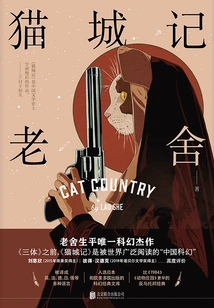
Cat City
General Fiction猫城记
Lao She
"Cat City" tells the story of the protagonist "I" and my friends driving a spacecraft to Mars, but the spacecraft crashed during landing, and only "I" survived. Unexpectedly, "I" was brought into Cat City by Martians with cat faces. "I" struggled to adapt to life in this strange foreign country, and made profound social observations about these cat people. Here, money is called the "soul of the country", political parties are called "coaxing", benefiting oneself at the expense of others is "freedom", and drug addicts are designated as the "national food"... Cat people are hypocritical, cunning, greedy, and cowardly. The civilization and culture of Cat City are degrading. They tend to fight internally but cannot resist foreign aggression. In the end, they ushered in the complete destruction of civilization in the war with foreign nations.
"Cat City" tells the story of the protagonist "I" and my friends driving a spacecraft to Mars, but the spacecraft crashed during landing, and only "I" survived. Unexpectedly, "I" was brought into Cat City by Martians with cat faces. "I" struggled to adapt to life in this strange foreign country, and made profound social observations about these cat people. Here, money is called the "soul of the country", political parties are called "coaxing", benefiting oneself at the expense of others is "freedom", and drug addicts are designated as the "national food"... Cat people are hypocritical, cunning, greedy, and cowardly. The civilization and culture of Cat City are degrading. They tend to fight internally but cannot resist foreign aggression. In the end, they ushered in the complete destruction of civilization in the war with foreign nations.
正红旗下 小型的复活(老舍作品集10)
Lao She
In "The Red Flag: A Small Resurrection", Lao She uses his autobiography as a clue to express social customs and historical changes. With Lao She's pen, vivid characters appear on the stage - a gentle and honest father, a thrifty and simple mother, a sharp and arrogant aunt, the eldest brother-in-law who eats, drinks and hass fun, the eldest sister-in-law who is unreasonable, the eldest sister-in-law who is nothing but a blessing, the smart and capable second brother Fuhai, the cunning and scheming elder brother, the straightforward and honest elder brother, the upright elder brother. The kind-hearted shopkeeper Lao Wang, the stubborn and upright Wang Shicheng, the pampered Uncle Ding, the carefree Bo Shengzhi, the arrogant Pastor Niu... Once the people, they all lived happily and carefree in their own world, but when the Qing Dynasty on which they relied was crumbling and falling apart, their fate was equally bad.
In "The Red Flag: A Small Resurrection", Lao She uses his autobiography as a clue to express social customs and historical changes. With Lao She's pen, vivid characters appear on the stage - a gentle and honest father, a thrifty and simple mother, a sharp and arrogant aunt, the eldest brother-in-law who eats, drinks and hass fun, the eldest sister-in-law who is unreasonable, the eldest sister-in-law who is nothing but a blessing, the smart and capable second brother Fuhai, the cunning and scheming elder brother, the straightforward and honest elder brother, the upright elder brother. The kind-hearted shopkeeper Lao Wang, the stubborn and upright Wang Shicheng, the pampered Uncle Ding, the carefree Bo Shengzhi, the arrogant Pastor Niu... Once the people, they all lived happily and carefree in their own world, but when the Qing Dynasty on which they relied was crumbling and falling apart, their fate was equally bad.
Youjian Library: Zhao Zi Said
General Fiction有间文库:赵子曰
Lao She
"Zhao Ziyue" depicts the chaotic, depressed and vulgar life of a group of college students in the rooftop apartment of Drum Tower in Beijing in the 1920s. The protagonist Zhao Zi said that he did not study hard and made trouble everywhere, so he was expelled from the university. He played mahjong all night long and spent all day at the banquet, drunk and dreaming. At the critical moment of life and death, thanks to the persuasion of his best friend Li Jingchun, he finally woke up, changed his ways, and started a new life.
"Zhao Ziyue" depicts the chaotic, depressed and vulgar life of a group of college students in the rooftop apartment of Drum Tower in Beijing in the 1920s. The protagonist Zhao Zi said that he did not study hard and made trouble everywhere, so he was expelled from the university. He played mahjong all night long and spent all day at the banquet, drunk and dreaming. At the critical moment of life and death, thanks to the persuasion of his best friend Li Jingchun, he finally woke up, changed his ways, and started a new life.
Teahouse
Literature茶馆
Lao She
"Teahouse" is a landmark masterpiece of Chinese drama and is hailed by Westerners as "the miracle of the Oriental stage". It tells the tragedy of a large teahouse that, under the hard work of the smart and capable shopkeeper Wang, gradually shrank in size until it disappeared. Life is like a play, with moments of joy and moments of sadness. A small teahouse is a microcosm of a large society. Here, what you taste is not tea, but a taste of life.
"Teahouse" is a landmark masterpiece of Chinese drama and is hailed by Westerners as "the miracle of the Oriental stage". It tells the tragedy of a large teahouse that, under the hard work of the smart and capable shopkeeper Wang, gradually shrank in size until it disappeared. Life is like a play, with moments of joy and moments of sadness. A small teahouse is a microcosm of a large society. Here, what you taste is not tea, but a taste of life.
Zhang Zizhong
Literature张自忠
Lao She
The four-act drama "Zhang Zizhong" was created during the Anti-Japanese War in 1940. It focuses on Zhang Zizhong, a general of the Anti-Japanese War, who led by example, strictly enforced military discipline, understood the situation, and won the hearts of the people. It particularly highlights his bravery and fearlessness, fighting the invaders to the end and dying on the battlefield, in order to inspire the people during the Anti-Japanese War.
The four-act drama "Zhang Zizhong" was created during the Anti-Japanese War in 1940. It focuses on Zhang Zizhong, a general of the Anti-Japanese War, who led by example, strictly enforced military discipline, understood the situation, and won the hearts of the people. It particularly highlights his bravery and fearlessness, fighting the invaders to the end and dying on the battlefield, in order to inspire the people during the Anti-Japanese War.
Camel Xiangzi
Literature骆驼祥子
Lao She
Learn how to read the punctuated annotation version of "Luotuo Xiangzi" for the high school entrance examination and master all the test points of "Luotuo Xiangzi"! Senior middle school Chinese teachers were specially invited to compile the "Luotuo Xiangzi" High School Entrance Examination Study Manual and provide punctuation in the full text! Keeping up with the new trends in reading classics for the High School Entrance Examination, we will guide you step by step in learning the reading methods of punctuation and annotation, and fully grasp the test points of "Luotuo Xiangzi" for the High School Entrance Examination. The entire text has not been deleted! Preserve the original appearance of Lao She's works. "Camel Xiangzi" is the most important book to read in the high school entrance examination! Five core added values help the reading of the whole book: 1) In-depth analysis of the 2019-2020 high school entrance examination real questions 2) Full-text bullet points 3) Reading method guidance 4) 24 chapter introductions 5) 24 test points sorting out Special bonuses: literary knowledge expansion, high school entrance examination simulation exercises. Teachers can use it to explain, students can use it for self-study, and parents can use it for tutoring. Three Circles for Reading Classics, Complete Introduction and Interpretation (Duke Classic Library)
Learn how to read the punctuated annotation version of "Luotuo Xiangzi" for the high school entrance examination and master all the test points of "Luotuo Xiangzi"! Senior middle school Chinese teachers were specially invited to compile the "Luotuo Xiangzi" High School Entrance Examination Study Manual and provide punctuation in the full text! Keeping up with the new trends in reading classics for the High School Entrance Examination, we will guide you step by step in learning the reading methods of punctuation and annotation, and fully grasp the test points of "Luotuo Xiangzi" for the High School Entrance Examination. The entire text has not been deleted! Preserve the original appearance of Lao She's works. "Camel Xiangzi" is the most important book to read in the high school entrance examination! Five core added values help the reading of the whole book: 1) In-depth analysis of the 2019-2020 high school entrance examination real questions 2) Full-text bullet points 3) Reading method guidance 4) 24 chapter introductions 5) 24 test points sorting out Special bonuses: literary knowledge expansion, high school entrance examination simulation exercises. Teachers can use it to explain, students can use it for self-study, and parents can use it for tutoring. Three Circles for Reading Classics, Complete Introduction and Interpretation (Duke Classic Library)
Camel Xiangzi
General Fiction骆驼祥子
Lao She
Xiangzi, a bankrupt young farmer who came to the city from the countryside, is eager to buy a foreign car of his own with his honest labor. With hard work and perseverance, he spent three years frugally and finally realized this ideal and became a self-reliant first-class coachman. But at that time, the social environment of Chinese warlords did not allow him to have the slightest personal illusion. Within half a year, Che was abducted by deserters in the chaos of war. Xiangzi was not discouraged, he still stubbornly started from the beginning. But before he could buy another car, all his savings were extorted by detectives, and his dream of buying a car came to nothing again. He pulled up his car again at the expense of a deformed marriage with Huniu. But the good times did not last long, Huniu died in childbirth, and Xiangzi was left empty-handed. At this point, his life ideals were completely shattered, and the suicide of his beloved woman, Xiao Fuzi, blew out the last spark of hope in his heart. He began to play games with life, eating, drinking, whoring and gambling, and turned into a walking zombie without a soul. "Camel Xiangzi" is a peak in all Lao She's creations. It is Lao She's representative work describing the tragic fate of the urban poor. It is also one of the best novels in the history of modern literature. It truly reflects the suffering life of the people at the bottom of old Chinese cities, and reveals the process of how a bankrupt farmer becomes a citizen and is thrown into the ranks of the lumpen proletariat by society, as well as the tragedy of spiritual destruction experienced in this process.
Xiangzi, a bankrupt young farmer who came to the city from the countryside, is eager to buy a foreign car of his own with his honest labor. With hard work and perseverance, he spent three years frugally and finally realized this ideal and became a self-reliant first-class coachman. But at that time, the social environment of Chinese warlords did not allow him to have the slightest personal illusion. Within half a year, Che was abducted by deserters in the chaos of war. Xiangzi was not discouraged, he still stubbornly started from the beginning. But before he could buy another car, all his savings were extorted by detectives, and his dream of buying a car came to nothing again. He pulled up his car again at the expense of a deformed marriage with Huniu. But the good times did not last long, Huniu died in childbirth, and Xiangzi was left empty-handed. At this point, his life ideals were completely shattered, and the suicide of his beloved woman, Xiao Fuzi, blew out the last spark of hope in his heart. He began to play games with life, eating, drinking, whoring and gambling, and turned into a walking zombie without a soul. "Camel Xiangzi" is a peak in all Lao She's creations. It is Lao She's representative work describing the tragic fate of the urban poor. It is also one of the best novels in the history of modern literature. It truly reflects the suffering life of the people at the bottom of old Chinese cities, and reveals the process of how a bankrupt farmer becomes a citizen and is thrown into the ranks of the lumpen proletariat by society, as well as the tragedy of spiritual destruction experienced in this process.
Essay Collection 1
Literature杂文集1
Lao She
A collection of Lao She's essays. Lao She (1899-1966), whose original name was Shu Qingchun, also had the pen names Jie Qing, Hong Lai, Fei Wo, etc., With the courtesy name She Yu. Chinese modern novelist, famous writer, outstanding language master, people's artist, the first writer in New China to win the title of "people's artist". His representative works include "Camel Xiangzi", "Four Generations Under One Roof" and the play "Teahouse". Lao She always worked selflessly throughout his life. He was a well-deserved "model worker" in the literary and art circles.
A collection of Lao She's essays. Lao She (1899-1966), whose original name was Shu Qingchun, also had the pen names Jie Qing, Hong Lai, Fei Wo, etc., With the courtesy name She Yu. Chinese modern novelist, famous writer, outstanding language master, people's artist, the first writer in New China to win the title of "people's artist". His representative works include "Camel Xiangzi", "Four Generations Under One Roof" and the play "Teahouse". Lao She always worked selflessly throughout his life. He was a well-deserved "model worker" in the literary and art circles.
Mountains and Seas Are so Common, Everything is Lovely (selected Collection of Lao She's Works)
Literature俗常山海,莫不可爱(老舍作品精选集)
Lao She
The book is divided into five series: "Seven small houses, happy children", "Look at this bustling world", "There is an antidote to all troubles", "Everything is lovely", "Appreciating the landscape of the world", and selected "Look Up to See Joy" and "My Ideal Family" ", "Glorious Loneliness", "Another Year of Green Grass", "So Happy to Fly", "I Have a Will", "Little Sparrow", "Little Animals", "Informal Park", "Spring of Daming Lake", "Remembering Guangzhou in Spring" and other classic works. Talking about family, life, dreams, and paying attention to the interesting aspects of life and world affairs. Such a wide range of materials, rich content, sincere emotions and unique language taste constitute the unique charm of Lao She's prose, showing Lao She's love and attachment to nature, and his eulogy and praise of life.
The book is divided into five series: "Seven small houses, happy children", "Look at this bustling world", "There is an antidote to all troubles", "Everything is lovely", "Appreciating the landscape of the world", and selected "Look Up to See Joy" and "My Ideal Family" ", "Glorious Loneliness", "Another Year of Green Grass", "So Happy to Fly", "I Have a Will", "Little Sparrow", "Little Animals", "Informal Park", "Spring of Daming Lake", "Remembering Guangzhou in Spring" and other classic works. Talking about family, life, dreams, and paying attention to the interesting aspects of life and world affairs. Such a wide range of materials, rich content, sincere emotions and unique language taste constitute the unique charm of Lao She's prose, showing Lao She's love and attachment to nature, and his eulogy and praise of life.
生活不在别处 当下即是全部
Lao She
"Living in the present" is an attitude in life, a way of life that is devoted to life. Only by letting go of the inner burden can you have more strength to compete with the future and discover more possibilities in life. This book is a classic collection of essays by Lao She. In the book, he writes about his own life, as well as world conditions and customs, faithfully recording the true picture of an era. He discovers the fun and poetry of life in ordinary trivial things, appreciates the flavors of life, savors the fireworks of the world slowly, and uses the depth of his life and knowledge to inspire contemporary young people. Although Mr. Lao She has experienced mountains and rivers, he is still full of love for life. He uses humor to resist the current difficulties and leads readers to discover the overlooked beauty of daily life.
"Living in the present" is an attitude in life, a way of life that is devoted to life. Only by letting go of the inner burden can you have more strength to compete with the future and discover more possibilities in life. This book is a classic collection of essays by Lao She. In the book, he writes about his own life, as well as world conditions and customs, faithfully recording the true picture of an era. He discovers the fun and poetry of life in ordinary trivial things, appreciates the flavors of life, savors the fireworks of the world slowly, and uses the depth of his life and knowledge to inspire contemporary young people. Although Mr. Lao She has experienced mountains and rivers, he is still full of love for life. He uses humor to resist the current difficulties and leads readers to discover the overlooked beauty of daily life.
Selected Works of Lao She
Literature老舍作品精选
Lao She
"Selected Works of Lao She" includes Mr. Lao She's representative works in different creative periods, including "Camel Xiangzi", "Teahouse", "Spring in Jinan", "My Mother", etc. He is good at using "Beijing-style" language to write about the living conditions of Beijing people from the late Qing Dynasty to the Republic of China. He uses rich brushwork to construct characters that are as real as if they were standing on paper, and uses a simple and sincere creative attitude to describe the daily lives of ordinary people.
"Selected Works of Lao She" includes Mr. Lao She's representative works in different creative periods, including "Camel Xiangzi", "Teahouse", "Spring in Jinan", "My Mother", etc. He is good at using "Beijing-style" language to write about the living conditions of Beijing people from the late Qing Dynasty to the Republic of China. He uses rich brushwork to construct characters that are as real as if they were standing on paper, and uses a simple and sincere creative attitude to describe the daily lives of ordinary people.
Crescent Moon
General Fiction月牙儿
Lao She
"Crescent Moon" is a novella written by Lao She in 1935. The author used fresh and natural pen and ink to describe the profound and dark reality of society at that time.
"Crescent Moon" is a novella written by Lao She in 1935. The author used fresh and natural pen and ink to describe the profound and dark reality of society at that time.
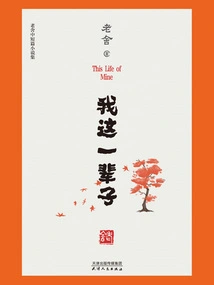
My Whole Life
General Fiction我这一辈子
Lao She
This book is a collection of short stories and short stories by Lao She. It includes ten short stories and short stories including Lao She's "Crescent Moon", "Xinhan Mulide", "In My Life", "Liu Family Courtyard", "Micro God", and "Black and White Li". These works are based on the society of the Republic of China before the outbreak of the Anti-Japanese War. They focus on describing the daily life of ordinary people. They not only describe the struggle of the bottom civilians for survival and destiny, but also write down the interesting life stories of intellectuals. They include criticism of the bureaucracy and reflection on national character. In these succinct and humorous stories, various distinct and real characters appear in turn. Some are shrewd and smooth, some are fickle, some are obedient and patient, and some are weak and pitiful. The writing is meticulous and humorous, allowing people to appreciate the philosophy of life in a light and humorous way, which also has strong practical significance today. All dialects in the old days had annotations. Get closer to Lao She's literature through short and powerful stories.
This book is a collection of short stories and short stories by Lao She. It includes ten short stories and short stories including Lao She's "Crescent Moon", "Xinhan Mulide", "In My Life", "Liu Family Courtyard", "Micro God", and "Black and White Li". These works are based on the society of the Republic of China before the outbreak of the Anti-Japanese War. They focus on describing the daily life of ordinary people. They not only describe the struggle of the bottom civilians for survival and destiny, but also write down the interesting life stories of intellectuals. They include criticism of the bureaucracy and reflection on national character. In these succinct and humorous stories, various distinct and real characters appear in turn. Some are shrewd and smooth, some are fickle, some are obedient and patient, and some are weak and pitiful. The writing is meticulous and humorous, allowing people to appreciate the philosophy of life in a light and humorous way, which also has strong practical significance today. All dialects in the old days had annotations. Get closer to Lao She's literature through short and powerful stories.
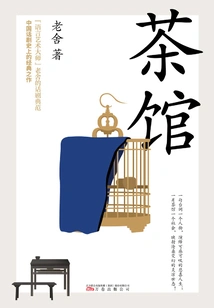
Teahouse
Literature茶馆
Lao She
"Teahouse" is Lao She's representative drama collection, which includes his famous dramas "Teahouse" and "Longxugou", as well as many classic short stories by Mr. Lao She. "Teahouse" is a classic in the history of Chinese drama. It was created in 1956. Through a teahouse called Yutai, the play shows the social changes in the three eras of the Reform Movement of 1898, the warlord war and the eve of the founding of New China for nearly half a century, as well as all the living beings in this society. There are dozens of characters in the play, but the characters all have distinct personalities and can "know the person by hearing their voice" and "outline the outline of a character in a few words." This play has been performed many times at home and abroad and has won high praise. It is a classic work of contemporary Chinese drama creation.
"Teahouse" is Lao She's representative drama collection, which includes his famous dramas "Teahouse" and "Longxugou", as well as many classic short stories by Mr. Lao She. "Teahouse" is a classic in the history of Chinese drama. It was created in 1956. Through a teahouse called Yutai, the play shows the social changes in the three eras of the Reform Movement of 1898, the warlord war and the eve of the founding of New China for nearly half a century, as well as all the living beings in this society. There are dozens of characters in the play, but the characters all have distinct personalities and can "know the person by hearing their voice" and "outline the outline of a character in a few words." This play has been performed many times at home and abroad and has won high praise. It is a classic work of contemporary Chinese drama creation.
Lao She's New Poems
Literature老舍新诗
Lao She
This book contains a number of Lao She's poetry works, such as "Protect My River and Mountains", "She Remembers", "The Empty City Strategy", "The Gift", etc. These works include sympathy and pity for the lives of the lower class people in the old society, eulogies for the happy life of the people in the new society, praises for the struggles of patriots in times of national crisis, and interesting descriptions of small things in daily life.
This book contains a number of Lao She's poetry works, such as "Protect My River and Mountains", "She Remembers", "The Empty City Strategy", "The Gift", etc. These works include sympathy and pity for the lives of the lower class people in the old society, eulogies for the happy life of the people in the new society, praises for the struggles of patriots in times of national crisis, and interesting descriptions of small things in daily life.
Characters Are Not Discounted
Literature人物不打折扣
Lao She
"Characters Without Discount" contains many classic essays and novel "Camel Xiangzi" by Mr. Lao She describing characters. These works use vivid and lively language to depict the images of some characters at that time. Within the scope of his depiction, they combine the natural scenery of the four seasons, the social atmosphere and customs of different eras, as well as the emotions, anger, sorrow, joy and subtle mentality of various characters. Let people taste the various aspects of life in history and reality.
"Characters Without Discount" contains many classic essays and novel "Camel Xiangzi" by Mr. Lao She describing characters. These works use vivid and lively language to depict the images of some characters at that time. Within the scope of his depiction, they combine the natural scenery of the four seasons, the social atmosphere and customs of different eras, as well as the emotions, anger, sorrow, joy and subtle mentality of various characters. Let people taste the various aspects of life in history and reality.
Saleswoman
Literature女店员
Lao She
After the founding of New China, Lao She returned to his hometown and witnessed with his own eyes the people's ownership of the country and the earth-shaking changes that had taken place in people's spirit. The expansion of his thoughts and life enabled him to sing praises to the new characters of New China with unprecedented enthusiasm, trying to reveal the practical ways and historical laws of building a modern national spirit, thus creating a series of drama works praising new cultural relics such as "Shop Girl".
After the founding of New China, Lao She returned to his hometown and witnessed with his own eyes the people's ownership of the country and the earth-shaking changes that had taken place in people's spirit. The expansion of his thoughts and life enabled him to sing praises to the new characters of New China with unprecedented enthusiasm, trying to reveal the practical ways and historical laws of building a modern national spirit, thus creating a series of drama works praising new cultural relics such as "Shop Girl".
老舍散文集(名家经典文集)
Lao She
This book is a collection of Mr. Lao She's prose collection, including "Master Zongyue", "Appreciation of Baotu Spring", "Some Impressions" and "Cat", etc. More than 70 excellent essays. According to the content and style characteristics, this book is divided into four series. These works may describe the scenery and people's feelings in meticulous detail and exaggerate them to the fullest; they may criticize current affairs with humor and hit the mark; they may describe family life with affection and admiration; or they may talk about literary creation, which is original and exciting.
This book is a collection of Mr. Lao She's prose collection, including "Master Zongyue", "Appreciation of Baotu Spring", "Some Impressions" and "Cat", etc. More than 70 excellent essays. According to the content and style characteristics, this book is divided into four series. These works may describe the scenery and people's feelings in meticulous detail and exaggerate them to the fullest; they may criticize current affairs with humor and hit the mark; they may describe family life with affection and admiration; or they may talk about literary creation, which is original and exciting.
又是一年芳草绿:老舍散文
Lao She
Mr. Lao She's prose is unique among modern Chinese prose. From form to content, it is both elegant and popular, breaking through the narrow circle of intellectuals. This makes his works popular, popular, and rich in national color. This book carefully selects several classic essays by Mr. Lao She and classifies them accordingly according to their content and style characteristics, restoring the image of a warm, calm and approachable Mr. Lao She. This collection of essays is typical, exquisite, and highly readable. It is a pleasure to savor it carefully.
Mr. Lao She's prose is unique among modern Chinese prose. From form to content, it is both elegant and popular, breaking through the narrow circle of intellectuals. This makes his works popular, popular, and rich in national color. This book carefully selects several classic essays by Mr. Lao She and classifies them accordingly according to their content and style characteristics, restoring the image of a warm, calm and approachable Mr. Lao She. This collection of essays is typical, exquisite, and highly readable. It is a pleasure to savor it carefully.
Biography of Niu Tianci
General Fiction牛天赐传
Lao She
Mr. Lao She humorously wrote "The Biography of Niu Tianci", a story about the adoption of an abandoned baby, and a fable about the growth of a generation of Chinese people. A childless businessman surnamed Niu picked up the abandoned baby and named it Tianci. The adoptive mother wanted Tianci to be a well-behaved and "official" child, while the adoptive father was a "free-range" child, giving him a lot of market vibes. In the collision of rules and wildness, and the influence of teachers and classmates, little Tianci has grown up. How will he face this society? Mr. Lao She poignantly writes about the struggle and confusion of the next generation of Chinese people in their first twenty years of life. The answer lies in Niu Tianci's final choice.
Mr. Lao She humorously wrote "The Biography of Niu Tianci", a story about the adoption of an abandoned baby, and a fable about the growth of a generation of Chinese people. A childless businessman surnamed Niu picked up the abandoned baby and named it Tianci. The adoptive mother wanted Tianci to be a well-behaved and "official" child, while the adoptive father was a "free-range" child, giving him a lot of market vibes. In the collision of rules and wildness, and the influence of teachers and classmates, little Tianci has grown up. How will he face this society? Mr. Lao She poignantly writes about the struggle and confusion of the next generation of Chinese people in their first twenty years of life. The answer lies in Niu Tianci's final choice.
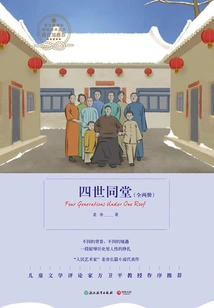
四世同堂(全集)
Lao She
"Four Generations Under One Roof" is divided into three parts: "Confusion", "Stealing Life" and "Famine". With nearly one million words, it is the longest one among Lao She's works. The entire work is set in the occupied area of Beiping during the Anti-Japanese War. It describes the psychology and experiences of more than a dozen families and more than 100 people in Xiaoyangquan Hutong, centered on the four generations of the Qi family. Their ups and downs, life and death, mental torture and deep suffering are reproduced in the story of the Japanese invaders. Under the brutal rule, the people of Peiping went from being confused and depressed, enduring humiliation to gradually awakening and resisting. This process eulogized their valuable national integrity and the Chinese nation's unyielding will to fight and determination to resist the war. It profoundly demonstrated the difficult and tortuous path that ordinary people have traveled in the historical process of the great era.
"Four Generations Under One Roof" is divided into three parts: "Confusion", "Stealing Life" and "Famine". With nearly one million words, it is the longest one among Lao She's works. The entire work is set in the occupied area of Beiping during the Anti-Japanese War. It describes the psychology and experiences of more than a dozen families and more than 100 people in Xiaoyangquan Hutong, centered on the four generations of the Qi family. Their ups and downs, life and death, mental torture and deep suffering are reproduced in the story of the Japanese invaders. Under the brutal rule, the people of Peiping went from being confused and depressed, enduring humiliation to gradually awakening and resisting. This process eulogized their valuable national integrity and the Chinese nation's unyielding will to fight and determination to resist the war. It profoundly demonstrated the difficult and tortuous path that ordinary people have traveled in the historical process of the great era.
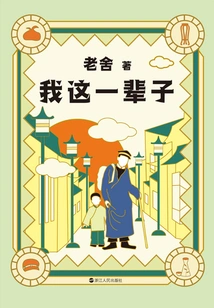
Collected Works of Lao She: My Life (new Edition)
General Fiction老舍典藏文集:我这一辈子(新版)
Lao She
This book selects 15 classic short stories and short stories by Lao She, such as "My Life" and "Crescent Moon", to fully demonstrate Lao She's artistic achievements in the field of short and medium story creation. Through ordinary little characters, it tells the great tragedies of an era and truly and vividly depicts the social style and people's psychology of modern China. It is both critical and sentimental. The writing is vivid and humorous, and full of Beijing flavor. Life is easy; life is easy; life is not easy. How should one spend his life?
This book selects 15 classic short stories and short stories by Lao She, such as "My Life" and "Crescent Moon", to fully demonstrate Lao She's artistic achievements in the field of short and medium story creation. Through ordinary little characters, it tells the great tragedies of an era and truly and vividly depicts the social style and people's psychology of modern China. It is both critical and sentimental. The writing is vivid and humorous, and full of Beijing flavor. Life is easy; life is easy; life is not easy. How should one spend his life?
Yinghaiji
General Fiction樱海集
Lao She
Lao She's unique significance in the history of modern Chinese literature lies in the fact that he constructed an all-encompassing "citizen world" through his works, and developed his criticism, ridicule, and reflection on this "citizen cultural system" by shaping different images of citizens. "The Collection of Yinghai" is Lao She's second collection of short stories, including "Crescent Moon", "Sunshine", "Neighbors" and dozens of other stories. Most of the works in "Sakukai Collection" can be called "character sketches", and the main purpose of the novel is basically centered on character portrayal.
Lao She's unique significance in the history of modern Chinese literature lies in the fact that he constructed an all-encompassing "citizen world" through his works, and developed his criticism, ridicule, and reflection on this "citizen cultural system" by shaping different images of citizens. "The Collection of Yinghai" is Lao She's second collection of short stories, including "Crescent Moon", "Sunshine", "Neighbors" and dozens of other stories. Most of the works in "Sakukai Collection" can be called "character sketches", and the main purpose of the novel is basically centered on character portrayal.
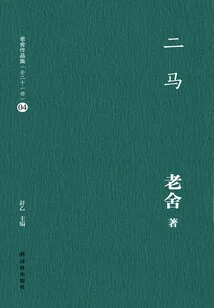
Two Horses (lao She's Works Collection 04)
General Fiction二马(老舍作品集04)
Lao She
"Two Horses" is the last novel Lao She wrote while living in England. It tells the life and love story of the Ma family and his son in England. The author used this to condemn the national and cultural prejudices in British society. At the same time, he was indignant at the laziness, insensitivity and lack of progress of the Chinese people, and expressed the strong patriotism of the young Lao She.
"Two Horses" is the last novel Lao She wrote while living in England. It tells the life and love story of the Ma family and his son in England. The author used this to condemn the national and cultural prejudices in British society. At the same time, he was indignant at the laziness, insensitivity and lack of progress of the Chinese people, and expressed the strong patriotism of the young Lao She.
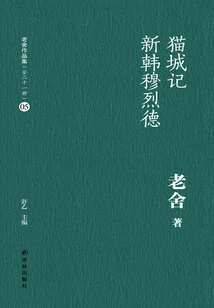
猫城记 新韩穆烈德(老舍作品集05)
Lao She
"Cat City: Shin Han Muled" tells the story of a plane flying to Mars that crashed and killed everyone at the moment of collision with Mars. Only "I" survived, but was taken to their cat city by a group of aliens with cat faces. They witnessed a war between cat people and dwarf soldiers, and ended with the annihilation of the cat city, an ancient city of alien civilization with increasingly selfish desires. The novel borrows the shell of science fiction, uses symbolism and satire, and uses the cat-people society on Mars to allude to the riddled old Chinese society.
"Cat City: Shin Han Muled" tells the story of a plane flying to Mars that crashed and killed everyone at the moment of collision with Mars. Only "I" survived, but was taken to their cat city by a group of aliens with cat faces. They witnessed a war between cat people and dwarf soldiers, and ended with the annihilation of the cat city, an ancient city of alien civilization with increasingly selfish desires. The novel borrows the shell of science fiction, uses symbolism and satire, and uses the cat-people society on Mars to allude to the riddled old Chinese society.
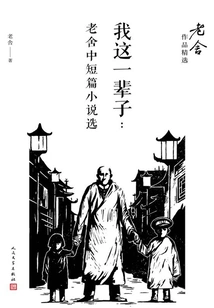
My Life: Selected Novels and Short Stories by Lao She
General Fiction我这一辈子:老舍中短篇小说选
Lao She
"My Life: Selected Novels and Novels by Lao She" includes "Crescent Moon", "The Soul-Breaking Gun", "This Life", "No Problem", "Let's Talk About the House", "Liu Family Courtyard", "Micro God", "Neighbors", "Mr. Breeches", "Taking Office", "Liu Tuen's", "Good Man", "Black and White Plum" and other famous works. While these works express the fate of lower-class citizens, they also run through the theme of criticizing and rejecting capitalist civilization. Novella - Novels - China - Modern Times The characteristics of Lao She's creation are not only reflected in his novels, but also in his short stories. This anthology has rich selections and comprehensively demonstrates Lao She's artistic achievements in the field of short story creation.
"My Life: Selected Novels and Novels by Lao She" includes "Crescent Moon", "The Soul-Breaking Gun", "This Life", "No Problem", "Let's Talk About the House", "Liu Family Courtyard", "Micro God", "Neighbors", "Mr. Breeches", "Taking Office", "Liu Tuen's", "Good Man", "Black and White Plum" and other famous works. While these works express the fate of lower-class citizens, they also run through the theme of criticizing and rejecting capitalist civilization. Novella - Novels - China - Modern Times The characteristics of Lao She's creation are not only reflected in his novels, but also in his short stories. This anthology has rich selections and comprehensively demonstrates Lao She's artistic achievements in the field of short story creation.
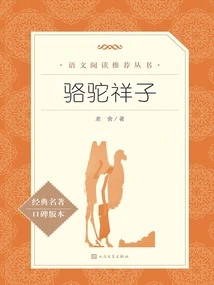
Camel Xiangzi
General Fiction骆驼祥子
Lao She
"Camel Xiangzi" tells the tragic story of Xiangzi, a rickshaw driver in the old city of Beiping, China. Xiangzi comes from the countryside, and the increasingly declining and declining countryside makes it impossible for him to survive. He fights against life with his tenacious character and stubborn attitude, which constitutes the main plot content of the novel. The outcome of the fight ended with Xiangzi's failure. The profound realism of this novel lies in the fact that it not only describes the material deprivation of Xiangzi by the harsh living environment, but also depicts Xiangzi's spiritual decadence after his life ideals were destroyed.
"Camel Xiangzi" tells the tragic story of Xiangzi, a rickshaw driver in the old city of Beiping, China. Xiangzi comes from the countryside, and the increasingly declining and declining countryside makes it impossible for him to survive. He fights against life with his tenacious character and stubborn attitude, which constitutes the main plot content of the novel. The outcome of the fight ended with Xiangzi's failure. The profound realism of this novel lies in the fact that it not only describes the material deprivation of Xiangzi by the harsh living environment, but also depicts Xiangzi's spiritual decadence after his life ideals were destroyed.
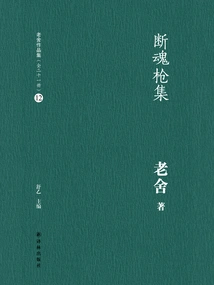
断魂枪集(老舍作品集12)
Lao She
"The Soul-Destroying Gun Collection" is a masterpiece that writes the destiny of Chinese culture in the daily life of the city. In this collection of short stories, Lao She focuses on combining small stories of personal destiny with the historical background of changing times, creating a big picture in a short space of time.
"The Soul-Destroying Gun Collection" is a masterpiece that writes the destiny of Chinese culture in the daily life of the city. In this collection of short stories, Lao She focuses on combining small stories of personal destiny with the historical background of changing times, creating a big picture in a short space of time.
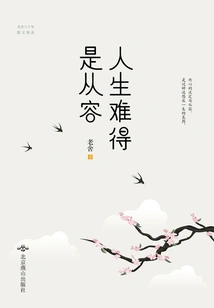
Life is Rare and Easy
Literature人生难得是从容
Lao She
Life is long, and joys and sorrows are unpredictable. We are obsessed with too much gain and loss, and are bound by external things, instead of obeying our own hearts. Only a calm life can dissolve the noise and disputes in the world; only a calm state of mind can face endless setbacks and ups and downs. In this book, the literary master Lao She writes what he sees, hears, thinks, and understands in a simple and profound way, with true feelings and sincerity, and talks like a heart-to-heart. A few words can be enlightening, and between the lines, sixty years of life experience can be reproduced. After reading this book, we will eventually understand that calmness is the true meaning of life, and life is enriched by calmness.
Life is long, and joys and sorrows are unpredictable. We are obsessed with too much gain and loss, and are bound by external things, instead of obeying our own hearts. Only a calm life can dissolve the noise and disputes in the world; only a calm state of mind can face endless setbacks and ups and downs. In this book, the literary master Lao She writes what he sees, hears, thinks, and understands in a simple and profound way, with true feelings and sincerity, and talks like a heart-to-heart. A few words can be enlightening, and between the lines, sixty years of life experience can be reproduced. After reading this book, we will eventually understand that calmness is the true meaning of life, and life is enriched by calmness.