Library
Browse and search books
5 novels found
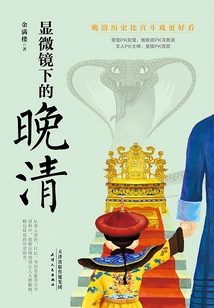
显微镜下的晚清
Jinmanlou
"Late Qing Under the Microscope" carefully extracts 74 historical fragments of the late Qing Dynasty from millions of words of Qing memorials, diaries, letters, and foreign documents, including people, events, and objects. It shows the vicissitudes of an ancient empire in a multi-angle and all-round way as it struggled and declined at the transition between the old and the new. Why can't Daoguang, who advocates simplicity, punish corruption? How did Cixi, who often made typos, use her son's enlightenment textbooks to overthrow ministers who cared about their fate and extend their lives for the Qing court? What are the amazing aspects of the imperial master Weng Tonghe and the reform leader Kang Youwei? Did Zhang Zhidong's reforms and the Hubei New Army save the late Qing Dynasty, or did they transfuse blood for the revolution? Did the revolutionary army really defeat the corrupt Qing army? ... Under the microscope, "Wan Qing Under the Microscope" presents a feast of Wan Qing's history that makes people pause, sigh, and subvert their cognition.
"Late Qing Under the Microscope" carefully extracts 74 historical fragments of the late Qing Dynasty from millions of words of Qing memorials, diaries, letters, and foreign documents, including people, events, and objects. It shows the vicissitudes of an ancient empire in a multi-angle and all-round way as it struggled and declined at the transition between the old and the new. Why can't Daoguang, who advocates simplicity, punish corruption? How did Cixi, who often made typos, use her son's enlightenment textbooks to overthrow ministers who cared about their fate and extend their lives for the Qing court? What are the amazing aspects of the imperial master Weng Tonghe and the reform leader Kang Youwei? Did Zhang Zhidong's reforms and the Hubei New Army save the late Qing Dynasty, or did they transfuse blood for the revolution? Did the revolutionary army really defeat the corrupt Qing army? ... Under the microscope, "Wan Qing Under the Microscope" presents a feast of Wan Qing's history that makes people pause, sigh, and subvert their cognition.
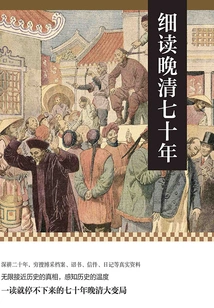
细读晚清七十年
Jinmanlou
Today's fast-paced life makes time scarce and tense, but blindly fragmented reading or shallow reading can also be boring. The author insists on exploring history with a careful reading attitude, and also presents readers with in-depth articles. The late Qing Dynasty was the period of decline of the last feudal dynasty in China. Chinese and foreign forces, old and new, were intertwined. There are many wonderful stories worth reading carefully. The author looked through archives, memoirs, "Manuscripts of Qing History", etc. To explain in popular and relaxed language, and kept the sobriety of bystanders to comment. Different aspects such as politics, military, and culture tell about the various characters who emerged and the major historical events that occurred during the turbulent period from 1840 to 1911. It strives to dig out fresh and valuable things from the boring historical materials to inspire readers to think and analyze.
Today's fast-paced life makes time scarce and tense, but blindly fragmented reading or shallow reading can also be boring. The author insists on exploring history with a careful reading attitude, and also presents readers with in-depth articles. The late Qing Dynasty was the period of decline of the last feudal dynasty in China. Chinese and foreign forces, old and new, were intertwined. There are many wonderful stories worth reading carefully. The author looked through archives, memoirs, "Manuscripts of Qing History", etc. To explain in popular and relaxed language, and kept the sobriety of bystanders to comment. Different aspects such as politics, military, and culture tell about the various characters who emerged and the major historical events that occurred during the turbulent period from 1840 to 1911. It strives to dig out fresh and valuable things from the boring historical materials to inspire readers to think and analyze.
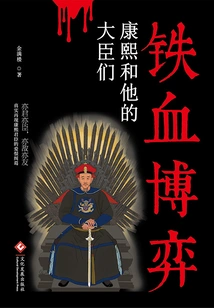
铁血博弈:康熙和他的大臣们
Jinmanlou
The book "The Iron-Blooded Game: Kangxi and His Ministers" describes the past events of the Kangxi Dynasty. Emperor Kangxi ascended the throne at the age of 8. As a young emperor, he worked hard to govern and laid an important foundation for the "Kangxi and Qianlong Dynasties" for more than 130 years. During his 61-year reign, Kangxi captured Obai, pacified the San Francisco, conquered Taiwan, and defeated Galdan, which demonstrated the inherent bravery of the banner people. On the other hand, Kangxi also advocated Confucianism, promoted enlightenment, governed the world with benevolence and filial piety, and got along well with Han people and officials. The way of civil and military affairs is relaxed and relaxed. Kangxi deeply understood and combined the essence of traditional Chinese governance. His handling of the relationship between monarch and ministers and various experiences in governance are worthy of learning and reference by future generations. A major feature of "The Game of Iron and Blood: Kangxi and His Ministers" is that it uses the plot of the TV series "Kangxi Dynasty" as an introduction, and uses time and events as the context. Each section is an independent chapter, guiding and teaching readers how to distinguish the plot structure and jokes of novels and TV series, the romance of unofficial history and the truth of history.
The book "The Iron-Blooded Game: Kangxi and His Ministers" describes the past events of the Kangxi Dynasty. Emperor Kangxi ascended the throne at the age of 8. As a young emperor, he worked hard to govern and laid an important foundation for the "Kangxi and Qianlong Dynasties" for more than 130 years. During his 61-year reign, Kangxi captured Obai, pacified the San Francisco, conquered Taiwan, and defeated Galdan, which demonstrated the inherent bravery of the banner people. On the other hand, Kangxi also advocated Confucianism, promoted enlightenment, governed the world with benevolence and filial piety, and got along well with Han people and officials. The way of civil and military affairs is relaxed and relaxed. Kangxi deeply understood and combined the essence of traditional Chinese governance. His handling of the relationship between monarch and ministers and various experiences in governance are worthy of learning and reference by future generations. A major feature of "The Game of Iron and Blood: Kangxi and His Ministers" is that it uses the plot of the TV series "Kangxi Dynasty" as an introduction, and uses time and events as the context. Each section is an independent chapter, guiding and teaching readers how to distinguish the plot structure and jokes of novels and TV series, the romance of unofficial history and the truth of history.
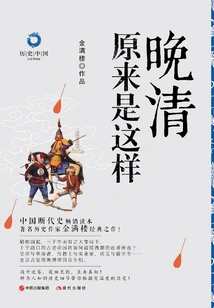
晚清原来是这样
Jinmanlou
"Historical China" (Platinum Upgraded Edition), a best-selling book on the chronological history of China, an encyclopedia-style popular history book, written by Wang Jueren, Zuiba Junshan, Jin Manlou, Jiang Lang, Zhang Cheng... Classic masterpieces by many famous writers in today's history writing world! Wonderful and rich content, a different narrative perspective, unexpected truths, and true human nature. Everything that happens today has happened before in history! From the ban on opium in Humen to the abdication of the Qing emperor, from young children studying in the United States to revolutionary scholars, from cutting braids and banning smoking to mining and road construction, this book is based on rich real historical materials and cites from multiple perspectives to restore many little-known details of late Qing history. It panoramically presents the appearances of all living beings in all strata of society in the late Qing empire as well as the magnificent world historical picture. With the smoke rising and the great changes unseen in three thousand years, how will the rigid late Qing court face the powerful ships and artillery of the great powers? How do the sleeping citizens welcome the successive impacts of the Western Wave? Where will the ancient empire at the crossroads go, and how will it break out of its cocoon and be reborn? It clears away the fog, gets to the truth directly, sees the subtle details, and makes a profound analysis of the people and events of a hundred years ago, tracing the true mysteries of modern history from the smallest details, and makes in-depth discussions and insightful reflections on the reasons for the fall of the late Qing Dynasty.
"Historical China" (Platinum Upgraded Edition), a best-selling book on the chronological history of China, an encyclopedia-style popular history book, written by Wang Jueren, Zuiba Junshan, Jin Manlou, Jiang Lang, Zhang Cheng... Classic masterpieces by many famous writers in today's history writing world! Wonderful and rich content, a different narrative perspective, unexpected truths, and true human nature. Everything that happens today has happened before in history! From the ban on opium in Humen to the abdication of the Qing emperor, from young children studying in the United States to revolutionary scholars, from cutting braids and banning smoking to mining and road construction, this book is based on rich real historical materials and cites from multiple perspectives to restore many little-known details of late Qing history. It panoramically presents the appearances of all living beings in all strata of society in the late Qing empire as well as the magnificent world historical picture. With the smoke rising and the great changes unseen in three thousand years, how will the rigid late Qing court face the powerful ships and artillery of the great powers? How do the sleeping citizens welcome the successive impacts of the Western Wave? Where will the ancient empire at the crossroads go, and how will it break out of its cocoon and be reborn? It clears away the fog, gets to the truth directly, sees the subtle details, and makes a profound analysis of the people and events of a hundred years ago, tracing the true mysteries of modern history from the smallest details, and makes in-depth discussions and insightful reflections on the reasons for the fall of the late Qing Dynasty.
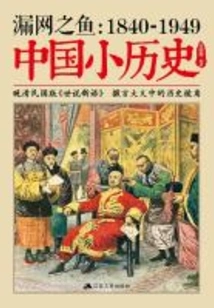
漏网之鱼:1840-1949中国小历史
Jinmanlou
"Fish Slip Through the Net: A Short History of China 1840-1949" dusts off the dust of history, and takes 1840-1949 as the time range. It carefully selects more than a thousand uncommon and thought-provoking historical passages to reproduce the historical scene of the late Qing Dynasty and the Republic of China with unprecedented clarity. What kind of performance, words and deeds did the emperors and princes, civil servants and military generals, generals of the Kingdom of Heaven, and Beiyang giants perform at the moment of historical choice between empire and republic? What are the small details of life of the reformers, royalists, and revolutionaries during major events? Although the book "A Fish Slip Through the Net: A Short History of China, 1840-1949" is only a few words, it is written from the small to the big, and the small details of history also reveal the looming context and character of the big history.
"Fish Slip Through the Net: A Short History of China 1840-1949" dusts off the dust of history, and takes 1840-1949 as the time range. It carefully selects more than a thousand uncommon and thought-provoking historical passages to reproduce the historical scene of the late Qing Dynasty and the Republic of China with unprecedented clarity. What kind of performance, words and deeds did the emperors and princes, civil servants and military generals, generals of the Kingdom of Heaven, and Beiyang giants perform at the moment of historical choice between empire and republic? What are the small details of life of the reformers, royalists, and revolutionaries during major events? Although the book "A Fish Slip Through the Net: A Short History of China, 1840-1949" is only a few words, it is written from the small to the big, and the small details of history also reveal the looming context and character of the big history.