Library
Browse and search books
27 novels found
明代:最后的汉家王朝
Jin Kaicheng
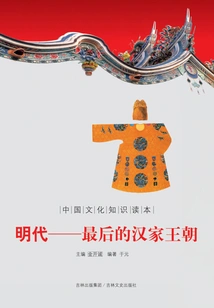
It tells the story of the Ming Dynasty (1368-1644), which was established by Ming Taizu Zhu Yuanzhang. It went through 12 generations, 16 emperors, and 17 dynasties. It was the last feudal dynasty established by the Han people in Chinese history.
It tells the story of the Ming Dynasty (1368-1644), which was established by Ming Taizu Zhu Yuanzhang. It went through 12 generations, 16 emperors, and 17 dynasties. It was the last feudal dynasty established by the Han people in Chinese history.
The Rule of Zhenguan
History贞观之治
Jin Kaicheng
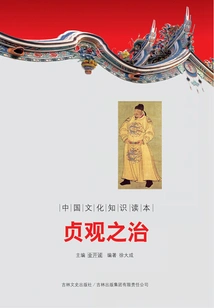
The beautiful and vivid text, concise and popular language, and rich illustrations in "The Rule of Zhenguan" comprehensively display to readers the key points of knowledge such as material culture, institutional culture, behavioral culture, and spiritual culture in Chinese culture.
The beautiful and vivid text, concise and popular language, and rich illustrations in "The Rule of Zhenguan" comprehensively display to readers the key points of knowledge such as material culture, institutional culture, behavioral culture, and spiritual culture in Chinese culture.
康乾盛世
Jin Kaicheng
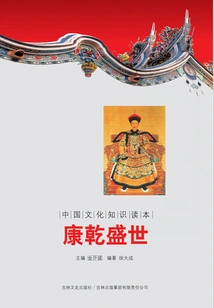
The "Chinese Cultural Knowledge Readers" series is a set of large-scale knowledge readers compiled by well-known domestic experts and scholars organized by Jilin Literature and History Publishing House and Jilin Publishing Group Co., Ltd. To spread China's five thousand years of excellent traditional culture and improve the cultural accomplishment of the entire people. "The Golden Age of Kangxi and Qianlong" edited by Xu Dacheng is one of the series of books, which introduces the relevant contents of the flourishing ages of Kangxi and Qianlong. The beautiful and vivid text, concise and popular language, and rich illustrations in "The Golden Age of Kangxi and Qianlong" comprehensively display to readers the key points of knowledge such as material culture, institutional culture, behavioral culture, and spiritual culture in Chinese culture. Bits and pieces of cultural knowledge are like stars, forming the splendid sky of Chinese culture. It can make a modest contribution to carrying forward China's five thousand years of excellent traditional culture, strengthening the unity of all ethnic groups, and building a socialist harmonious society.
The "Chinese Cultural Knowledge Readers" series is a set of large-scale knowledge readers compiled by well-known domestic experts and scholars organized by Jilin Literature and History Publishing House and Jilin Publishing Group Co., Ltd. To spread China's five thousand years of excellent traditional culture and improve the cultural accomplishment of the entire people. "The Golden Age of Kangxi and Qianlong" edited by Xu Dacheng is one of the series of books, which introduces the relevant contents of the flourishing ages of Kangxi and Qianlong. The beautiful and vivid text, concise and popular language, and rich illustrations in "The Golden Age of Kangxi and Qianlong" comprehensively display to readers the key points of knowledge such as material culture, institutional culture, behavioral culture, and spiritual culture in Chinese culture. Bits and pieces of cultural knowledge are like stars, forming the splendid sky of Chinese culture. It can make a modest contribution to carrying forward China's five thousand years of excellent traditional culture, strengthening the unity of all ethnic groups, and building a socialist harmonious society.
Ancient Tea Sets and Purple Clay Art
Literature古代茶具与紫砂艺术
Jin Kaicheng
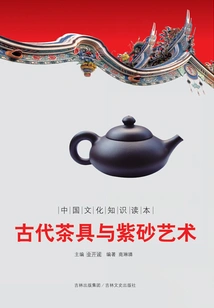
The ancients attached great importance to tea tasting and were very particular about the use of tea sets. The quality of the tea set has a direct impact on the quality of the tea soup and the mood of the drinker. Ancient Chinese tea sets are rich in types and have a long history. They are artistic treasures shared by mankind. The exquisite tea sets of various periods reflect the splendid tea-drinking culture of ancient mankind, and also reflect the overall history of tea-drinking in the Chinese nation. Tea and tea culture have shone like bright stars in the long history. "Chinese Culture Knowledge Reader: Ancient Tea Sets and Purple Clay Art" is suitable for the public to read.
The ancients attached great importance to tea tasting and were very particular about the use of tea sets. The quality of the tea set has a direct impact on the quality of the tea soup and the mood of the drinker. Ancient Chinese tea sets are rich in types and have a long history. They are artistic treasures shared by mankind. The exquisite tea sets of various periods reflect the splendid tea-drinking culture of ancient mankind, and also reflect the overall history of tea-drinking in the Chinese nation. Tea and tea culture have shone like bright stars in the long history. "Chinese Culture Knowledge Reader: Ancient Tea Sets and Purple Clay Art" is suitable for the public to read.
汉武帝与中外朝制度
Jin Kaicheng
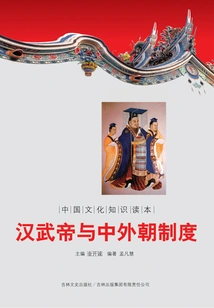
"Chinese Culture Knowledge Reader: Emperor Wu of the Han Dynasty and the Chinese and Foreign Dynasty Systems" uses beautiful and vivid words, concise and popular language, and rich pictures and texts to introduce the Huang-Lao theory and Confucianism, the establishment of the Chinese and foreign dynasty systems, the weakening of the power of the prime minister, and the merits and demerits of a generation of heroes.
"Chinese Culture Knowledge Reader: Emperor Wu of the Han Dynasty and the Chinese and Foreign Dynasty Systems" uses beautiful and vivid words, concise and popular language, and rich pictures and texts to introduce the Huang-Lao theory and Confucianism, the establishment of the Chinese and foreign dynasty systems, the weakening of the power of the prime minister, and the merits and demerits of a generation of heroes.
伟大的戏曲家关汉卿与元杂剧
Jin Kaicheng
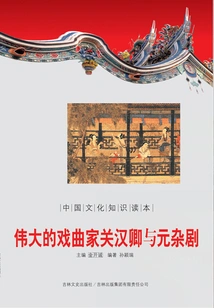
Guan Hanqing, a playwright of the Yuan Dynasty, is known as the "Four Masters of Yuan Opera" along with Ma Zhiyuan, Zheng Guangzu and Bai Pu. He is a representative figure in ancient Chinese opera creation. "The Injustice of Dou E", "Saving Feng Chen", "Wangjiang Pavilion", "Moon Worship Pavilion", etc. Are his masterpieces. The content of Guan Hanqing's dramas is highly realistic and filled with high-spirited fighting spirit. Guan Hanqing lived in an era of social turmoil, with prominent class and ethnic conflicts. His plays profoundly reproduced social reality and were full of strong flavor of the times. This book "The Great Dramatist Guan Hanqing and Yuan Zaju" written by Sun Yingrui uses fresh language and solid historical materials to discuss the culture of the Yuan Dynasty and the literati of the Yuan Dynasty, Guan Hanqing's social dramas, love dramas, historical dramas, and the artistic achievements of Guan Hanqing's Zaju.
Guan Hanqing, a playwright of the Yuan Dynasty, is known as the "Four Masters of Yuan Opera" along with Ma Zhiyuan, Zheng Guangzu and Bai Pu. He is a representative figure in ancient Chinese opera creation. "The Injustice of Dou E", "Saving Feng Chen", "Wangjiang Pavilion", "Moon Worship Pavilion", etc. Are his masterpieces. The content of Guan Hanqing's dramas is highly realistic and filled with high-spirited fighting spirit. Guan Hanqing lived in an era of social turmoil, with prominent class and ethnic conflicts. His plays profoundly reproduced social reality and were full of strong flavor of the times. This book "The Great Dramatist Guan Hanqing and Yuan Zaju" written by Sun Yingrui uses fresh language and solid historical materials to discuss the culture of the Yuan Dynasty and the literati of the Yuan Dynasty, Guan Hanqing's social dramas, love dramas, historical dramas, and the artistic achievements of Guan Hanqing's Zaju.
焚书坑儒
Jin Kaicheng
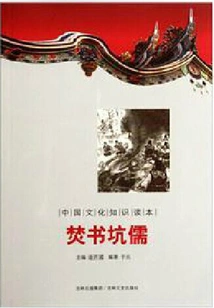
This "Chinese Cultural Knowledge Reader: Burning Books and Confucian Confucianism" has been discussed by scholars of all generations for thousands of years, and each has its own opinion. "Chinese Cultural Knowledge Reader: Burning Books and Confucianism" summarizes the different views of scholars of various generations and introduces them in detail, which can be regarded as an academic summary. In the spirit of letting a hundred flowers bloom and a hundred schools of thought contending, "Chinese Cultural Knowledge Reader: Burning Books and Entrapping Confucianism" discusses Qin Shihuang's burning of books and entrapping Confucians from different angles, and eclectically incorporates the same and opposite views of some scholars. Some of the materials in the hands of different scholars are repeated, some are inconsistent, and some are completely opposite, but they are all well-founded and worthy of attention.
This "Chinese Cultural Knowledge Reader: Burning Books and Confucian Confucianism" has been discussed by scholars of all generations for thousands of years, and each has its own opinion. "Chinese Cultural Knowledge Reader: Burning Books and Confucianism" summarizes the different views of scholars of various generations and introduces them in detail, which can be regarded as an academic summary. In the spirit of letting a hundred flowers bloom and a hundred schools of thought contending, "Chinese Cultural Knowledge Reader: Burning Books and Entrapping Confucianism" discusses Qin Shihuang's burning of books and entrapping Confucians from different angles, and eclectically incorporates the same and opposite views of some scholars. Some of the materials in the hands of different scholars are repeated, some are inconsistent, and some are completely opposite, but they are all well-founded and worthy of attention.
Battle of Feishui
History淝水之战
Jin Kaicheng
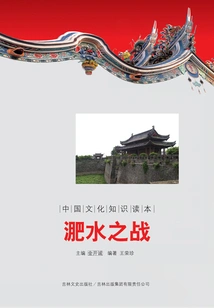
The Battle of Feishui took place in 383 AD. It was the decisive battle in a series of invasions and annexations launched by the former Qin, the unified regime in the north, to the Eastern Jin in the south during the Eastern Jin Dynasty. As a result, the former Qin, which had an absolute advantage, was defeated by the Eastern Jin. As a result, the country declined and perished. The various ethnic groups in the north broke away from the rule of the former Qin and established more than ten small countries. The Eastern Jin Dynasty took advantage of this situation to launch the Northern Expedition and pushed the border to the Yellow River. In the following decades, there was no foreign invasion in the Eastern Jin Dynasty.
The Battle of Feishui took place in 383 AD. It was the decisive battle in a series of invasions and annexations launched by the former Qin, the unified regime in the north, to the Eastern Jin in the south during the Eastern Jin Dynasty. As a result, the former Qin, which had an absolute advantage, was defeated by the Eastern Jin. As a result, the country declined and perished. The various ethnic groups in the north broke away from the rule of the former Qin and established more than ten small countries. The Eastern Jin Dynasty took advantage of this situation to launch the Northern Expedition and pushed the border to the Yellow River. In the following decades, there was no foreign invasion in the Eastern Jin Dynasty.
Biography of King Gesar
History格萨尔王传
Jin Kaicheng
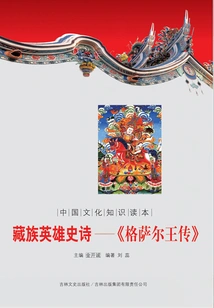
The beautiful and vivid words, concise and popular language, and pictures in "The Epic of Tibetan Heroes - The Biography of King Gesar" comprehensively display to readers the key points of knowledge such as material culture, institutional culture, behavioral culture, and spiritual culture in Chinese culture. Bits and pieces of cultural knowledge are like stars, forming the splendid sky of Chinese culture. It can make a modest contribution to carrying forward China's five thousand years of excellent traditional culture, strengthening the unity of all ethnic groups, and building a socialist harmonious society.
The beautiful and vivid words, concise and popular language, and pictures in "The Epic of Tibetan Heroes - The Biography of King Gesar" comprehensively display to readers the key points of knowledge such as material culture, institutional culture, behavioral culture, and spiritual culture in Chinese culture. Bits and pieces of cultural knowledge are like stars, forming the splendid sky of Chinese culture. It can make a modest contribution to carrying forward China's five thousand years of excellent traditional culture, strengthening the unity of all ethnic groups, and building a socialist harmonious society.
辽金西夏:边域称雄
Jin Kaicheng
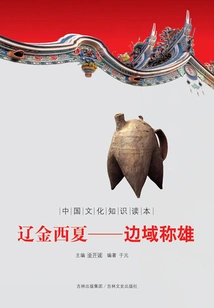
During the Song Dynasty of our country, three political regimes established by ethnic minorities appeared in the north, namely the Liao, Jin and Xixia. These three regimes dominated the border areas and contributed to the development of the Chinese nation. Liao, also known as Liao Kingdom and Khitan, was a feudal dynasty established mainly by the Khitan people during the Northern Song Dynasty of China's Five Dynasties and Ten Kingdoms. It ruled northern China. The Jin Dynasty was a political power established by the Jurchen tribe in northeastern my country. It destroyed the Liao Dynasty in 1125 and the Northern Song Dynasty in 1127. Xixia, formerly known as Daxia, was a feudal regime established in western China by the Dangxiang people in Chinese history. It lasted for 190 years and finally died in Mongolia.
During the Song Dynasty of our country, three political regimes established by ethnic minorities appeared in the north, namely the Liao, Jin and Xixia. These three regimes dominated the border areas and contributed to the development of the Chinese nation. Liao, also known as Liao Kingdom and Khitan, was a feudal dynasty established mainly by the Khitan people during the Northern Song Dynasty of China's Five Dynasties and Ten Kingdoms. It ruled northern China. The Jin Dynasty was a political power established by the Jurchen tribe in northeastern my country. It destroyed the Liao Dynasty in 1125 and the Northern Song Dynasty in 1127. Xixia, formerly known as Daxia, was a feudal regime established in western China by the Dangxiang people in Chinese history. It lasted for 190 years and finally died in Mongolia.
Wang Mang's Restructuring
History王莽改制
Jin Kaicheng
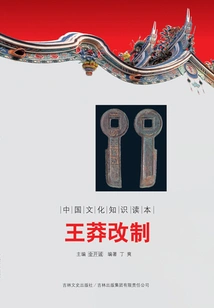
Wang Mang was a member of the Wang family, a relative of the Western Han Dynasty. He was humble, thrifty, courteous, and well-known in both the government and the public. At the end of the Western Han Dynasty, social conflicts intensified unprecedentedly. Wang Mang was regarded by the government and the public as the best candidate to save the crisis, and was regarded as "the Duke of Zhou is still alive". In AD 9, Wang Mang replaced the Han Dynasty and established the new country. Jianyuan "founded the country" and announced the implementation of the New Deal, which is known in history as "Wang Mang's Reform". At the end of Wang Mang's reign, the world was in chaos. In the fourth year of Emperor Xin Mang's reign, the Gengshi Army invaded Chang'an, and Wang Mang died in the chaos. Wang Mang reigned for 15 years and died at the age of 69. The new dynasty became one of the shortest-lived dynasties in Chinese history. "Chinese Cultural Knowledge Reader: Wang Mang's Reorganization" tells this history.
Wang Mang was a member of the Wang family, a relative of the Western Han Dynasty. He was humble, thrifty, courteous, and well-known in both the government and the public. At the end of the Western Han Dynasty, social conflicts intensified unprecedentedly. Wang Mang was regarded by the government and the public as the best candidate to save the crisis, and was regarded as "the Duke of Zhou is still alive". In AD 9, Wang Mang replaced the Han Dynasty and established the new country. Jianyuan "founded the country" and announced the implementation of the New Deal, which is known in history as "Wang Mang's Reform". At the end of Wang Mang's reign, the world was in chaos. In the fourth year of Emperor Xin Mang's reign, the Gengshi Army invaded Chang'an, and Wang Mang died in the chaos. Wang Mang reigned for 15 years and died at the age of 69. The new dynasty became one of the shortest-lived dynasties in Chinese history. "Chinese Cultural Knowledge Reader: Wang Mang's Reorganization" tells this history.
赤眉绿林起义
Jin Kaicheng
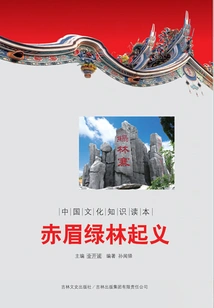
The Green Forest Red Eyebrow Uprising was a peasant uprising that occurred when Wang Mang usurped power at the end of the Western Han Dynasty. It later joined forces with Liu Yan and Liu Xiu's uprising army and became the source of the Guangwu Zhongxing. In the second year of the Emperor's reign (AD 21), Xinmang Jingzhou Mu sent 20,000 troops to attack the Green Forest Army. The Green Forest Army defeated the Mang Army and the number of troops increased to tens of thousands. The next year, an epidemic broke out in the Green Forest Mountain area, and the rebel army was divided and moved. They were led by Wang Chang and Cheng Dan and went west to Nanjun, and were called Xiajiang soldiers. They were led by Wang Kuang, Wang Feng, and Ma Wu and went north to Nanyang, and were called Xinshi soldiers.
The Green Forest Red Eyebrow Uprising was a peasant uprising that occurred when Wang Mang usurped power at the end of the Western Han Dynasty. It later joined forces with Liu Yan and Liu Xiu's uprising army and became the source of the Guangwu Zhongxing. In the second year of the Emperor's reign (AD 21), Xinmang Jingzhou Mu sent 20,000 troops to attack the Green Forest Army. The Green Forest Army defeated the Mang Army and the number of troops increased to tens of thousands. The next year, an epidemic broke out in the Green Forest Mountain area, and the rebel army was divided and moved. They were led by Wang Chang and Cheng Dan and went west to Nanjun, and were called Xiajiang soldiers. They were led by Wang Kuang, Wang Feng, and Ma Wu and went north to Nanyang, and were called Xinshi soldiers.
Wuchang Uprising
History武昌起义
Jin Kaicheng
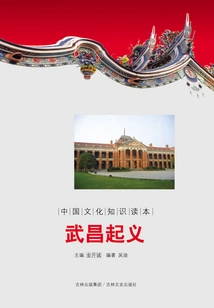
People and affairs undergo metabolism, and exchanges become ancient and modern. Whenever we open the heavy scrolls of Chinese history, the vicissitudes and magnificence of ancient China are laid out in front of us again and again. China's modern history is a history intertwined with ignorance and awakening, oppression and resistance. It is also a major turning period for ancient China to move towards a new era. The Revolution of 1911 overthrew China's feudal monarchy for more than 2,000 years and opened a new phase in China's modern history. The Wuchang Uprising, which occurred on October 10, 1911, ended the rule of the Qing Dynasty with its victory and announced the occurrence of the Revolution of 1911. Its great epoch-making significance is still remembered by future generations to this day.
People and affairs undergo metabolism, and exchanges become ancient and modern. Whenever we open the heavy scrolls of Chinese history, the vicissitudes and magnificence of ancient China are laid out in front of us again and again. China's modern history is a history intertwined with ignorance and awakening, oppression and resistance. It is also a major turning period for ancient China to move towards a new era. The Revolution of 1911 overthrew China's feudal monarchy for more than 2,000 years and opened a new phase in China's modern history. The Wuchang Uprising, which occurred on October 10, 1911, ended the rule of the Qing Dynasty with its victory and announced the occurrence of the Revolution of 1911. Its great epoch-making significance is still remembered by future generations to this day.
Battle of Guandu
History官渡之战
Jin Kaicheng
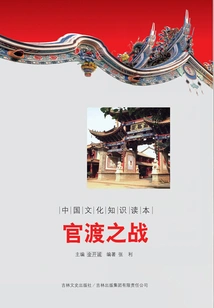
The Battle of Guandu was one of the "Three Major Battles" in the late Eastern Han Dynasty. It was also one of the famous battles in Chinese history in which the weak defeated the strong. In the fifth year of Jian'an (200) of Emperor Xian of the Eastern Han Dynasty, Cao Cao's army and Yuan Shao's army were in a stalemate in Guandu (now northeast of Zhongmou, Henan), where they launched a strategic decisive battle. Cao Cao made a surprise attack on Yuan's army's granary in Wuchao (now west of Fengqiu, Henan), and then defeated the main force of Yuan's army. This battle laid the foundation for Cao Cao's unification of northern China. "Chinese Cultural Knowledge Reader: The Battle of Guandu" introduces the relevant content of the Battle of Guandu in the form of beautiful and vivid words, concise and popular language, and pictures and texts.
The Battle of Guandu was one of the "Three Major Battles" in the late Eastern Han Dynasty. It was also one of the famous battles in Chinese history in which the weak defeated the strong. In the fifth year of Jian'an (200) of Emperor Xian of the Eastern Han Dynasty, Cao Cao's army and Yuan Shao's army were in a stalemate in Guandu (now northeast of Zhongmou, Henan), where they launched a strategic decisive battle. Cao Cao made a surprise attack on Yuan's army's granary in Wuchao (now west of Fengqiu, Henan), and then defeated the main force of Yuan's army. This battle laid the foundation for Cao Cao's unification of northern China. "Chinese Cultural Knowledge Reader: The Battle of Guandu" introduces the relevant content of the Battle of Guandu in the form of beautiful and vivid words, concise and popular language, and pictures and texts.
五代十国:乱世风雨
Jin Kaicheng
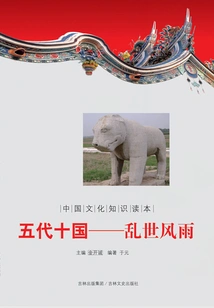
The more than fifty years from the fall of the Tang Dynasty to the establishment of the Northern Song Dynasty were known as the Five Dynasties and Ten Kingdoms in history. During this historical period, the Later Liang, Later Tang, Later Jin, Later Han, and Later Wu dynasties appeared successively. During this historical period, more than a dozen separatist regimes emerged, mainly the former Shu, the later Shu, the Wu, the Southern Tang, the Wuyue, the Fujian, the Chu, the Southern Han, the Nanping, and the Northern Han, collectively referred to as the Ten Kingdoms. Regarding the duration of the Five Dynasties and Ten Kingdoms, the general traditional view is that the Tang Dynasty fell in 907 and the Northern Song Dynasty was founded in 960. Therefore, the Five Dynasties and Ten Kingdoms existed from 907 to 960.
The more than fifty years from the fall of the Tang Dynasty to the establishment of the Northern Song Dynasty were known as the Five Dynasties and Ten Kingdoms in history. During this historical period, the Later Liang, Later Tang, Later Jin, Later Han, and Later Wu dynasties appeared successively. During this historical period, more than a dozen separatist regimes emerged, mainly the former Shu, the later Shu, the Wu, the Southern Tang, the Wuyue, the Fujian, the Chu, the Southern Han, the Nanping, and the Northern Han, collectively referred to as the Ten Kingdoms. Regarding the duration of the Five Dynasties and Ten Kingdoms, the general traditional view is that the Tang Dynasty fell in 907 and the Northern Song Dynasty was founded in 960. Therefore, the Five Dynasties and Ten Kingdoms existed from 907 to 960.
百家争鸣
Jin Kaicheng
This book "A Hundred Schools of Thought Contends" is edited by Jin Kaicheng and edited by Chen Changwen: The Hundred Schools of Thought contends refers to the emergence of different schools of thought among intellectuals during the Spring and Autumn Period and the Warring States Period, and the situation in which various schools competed for prominence.
This book "A Hundred Schools of Thought Contends" is edited by Jin Kaicheng and edited by Chen Changwen: The Hundred Schools of Thought contends refers to the emergence of different schools of thought among intellectuals during the Spring and Autumn Period and the Warring States Period, and the situation in which various schools competed for prominence.
Ming Tombs
History明十三陵
Jin Kaicheng
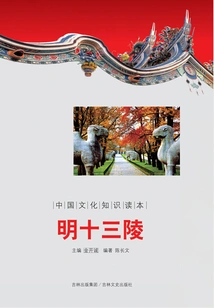
This book introduces everything from the site selection and construction of the Ming Tombs to the historical origins of the architectural style. It is a rare and good book for understanding the Ming Tombs.
This book introduces everything from the site selection and construction of the Ming Tombs to the historical origins of the architectural style. It is a rare and good book for understanding the Ming Tombs.
Second Opium War
History第二次鸦片战争
Jin Kaicheng
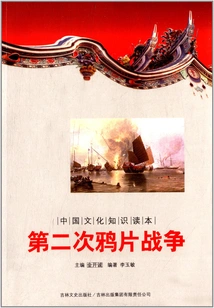
"Chinese Culture Knowledge Reader: The Second Opium War" has beautiful and vivid words, concise and popular language, and a rich illustration and text format, which comprehensively displays the material culture, institutional culture, behavioral culture, spiritual culture and other key points of knowledge in Chinese culture to readers. Bits and pieces of cultural knowledge are like stars, forming the splendid sky of Chinese culture. It can make a modest contribution to carrying forward China's five thousand years of excellent traditional culture, strengthening the unity of all ethnic groups, and building a socialist harmonious society.
"Chinese Culture Knowledge Reader: The Second Opium War" has beautiful and vivid words, concise and popular language, and a rich illustration and text format, which comprehensively displays the material culture, institutional culture, behavioral culture, spiritual culture and other key points of knowledge in Chinese culture to readers. Bits and pieces of cultural knowledge are like stars, forming the splendid sky of Chinese culture. It can make a modest contribution to carrying forward China's five thousand years of excellent traditional culture, strengthening the unity of all ethnic groups, and building a socialist harmonious society.
Red-top Businessman: Hu Xueyan
General Fiction红顶商人:胡雪岩
Jin Kaicheng
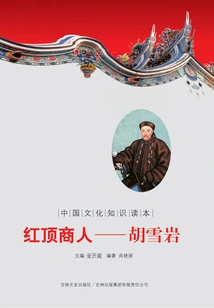
The "Chinese Cultural Knowledge Readers" series is a set of large-scale knowledge readers compiled by well-known domestic experts and scholars organized by Jilin Literature and History Publishing House and Jilin Publishing Group Co., Ltd. To spread China's five thousand years of excellent traditional culture and improve the cultural accomplishment of the entire people. "The Red-top Businessman: Hu Xueyan" is one of the series of books, which introduces the life story of the red-top businessman Hu Xueyan. The beautiful and vivid text, concise and popular language, and rich illustrations in "The Red Top Businessman: Hu Xueyan" comprehensively display to readers the key points of knowledge such as material culture, institutional culture, behavioral culture, and spiritual culture in Chinese culture. Bits and pieces of cultural knowledge are like stars, forming the splendid sky of Chinese culture. It can carry forward China's five thousand years of excellent traditional culture, enhance the unity of all ethnic groups, and build a harmonious socialist society.
The "Chinese Cultural Knowledge Readers" series is a set of large-scale knowledge readers compiled by well-known domestic experts and scholars organized by Jilin Literature and History Publishing House and Jilin Publishing Group Co., Ltd. To spread China's five thousand years of excellent traditional culture and improve the cultural accomplishment of the entire people. "The Red-top Businessman: Hu Xueyan" is one of the series of books, which introduces the life story of the red-top businessman Hu Xueyan. The beautiful and vivid text, concise and popular language, and rich illustrations in "The Red Top Businessman: Hu Xueyan" comprehensively display to readers the key points of knowledge such as material culture, institutional culture, behavioral culture, and spiritual culture in Chinese culture. Bits and pieces of cultural knowledge are like stars, forming the splendid sky of Chinese culture. It can carry forward China's five thousand years of excellent traditional culture, enhance the unity of all ethnic groups, and build a harmonious socialist society.
Chenqiao Mutiny
History陈桥兵变
Jin Kaicheng
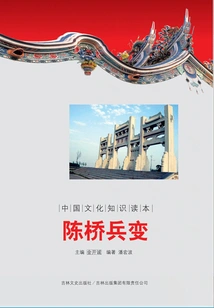
The Chenqiao Mutiny was a coup by Zhao Kuangyin to establish the Song Dynasty. After 960 AD, Zhou general Zhao Kuangyin used the excuse of the Northern Han and Liao alliance to invade the south and led his army out of Daliang (now Kaifeng, Henan). He went to Chenqiaoyi (now northeast of Kaifeng) and ordered the soldiers to put on him a yellow robe and support him as emperor. This mutiny ultimately led to the demise of the Later Zhou Dynasty and the establishment of the Song Dynasty, and promoted the development of history.
The Chenqiao Mutiny was a coup by Zhao Kuangyin to establish the Song Dynasty. After 960 AD, Zhou general Zhao Kuangyin used the excuse of the Northern Han and Liao alliance to invade the south and led his army out of Daliang (now Kaifeng, Henan). He went to Chenqiaoyi (now northeast of Kaifeng) and ordered the soldiers to put on him a yellow robe and support him as emperor. This mutiny ultimately led to the demise of the Later Zhou Dynasty and the establishment of the Song Dynasty, and promoted the development of history.
楚汉之争
Jin Kaicheng
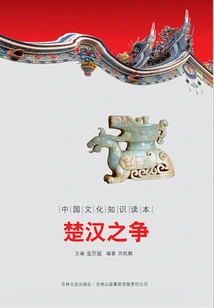
"The Controversy between Chu and Han" not only deeply excavates and organizes the achievements of China's excellent traditional culture, but also integrates social development and injects the spirit of the times. The book's beautiful and vivid text, concise and popular language, and the form of pictures and texts comprehensively display to readers the key points of knowledge such as material culture, institutional culture, behavioral culture, and spiritual culture in Chinese culture. Bits and pieces of cultural knowledge are like stars, forming the splendid sky of Chinese culture.
"The Controversy between Chu and Han" not only deeply excavates and organizes the achievements of China's excellent traditional culture, but also integrates social development and injects the spirit of the times. The book's beautiful and vivid text, concise and popular language, and the form of pictures and texts comprehensively display to readers the key points of knowledge such as material culture, institutional culture, behavioral culture, and spiritual culture in Chinese culture. Bits and pieces of cultural knowledge are like stars, forming the splendid sky of Chinese culture.
May 4th Movement
History五四运动
Jin Kaicheng
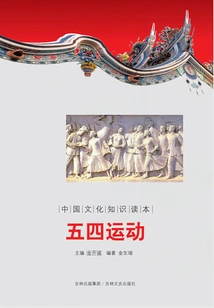
The May 4th Movement was a patriotic movement of the Chinese people that broke out in Beijing on May 4, 1919, to completely oppose imperialism and feudalism. The May 4th Movement was the end of China's old democratic revolution and the beginning of the new democratic revolution. The May 4th Movement was an epoch-making event in the history of the Chinese revolution and a turning point from China's old democratic revolution to the new democratic revolution. The May 4th Movement promoted the spread of Marxism in China and its integration with the workers' movement, thereby preparing the conditions for the establishment of the Communist Party of China ideologically and cadres.
The May 4th Movement was a patriotic movement of the Chinese people that broke out in Beijing on May 4, 1919, to completely oppose imperialism and feudalism. The May 4th Movement was the end of China's old democratic revolution and the beginning of the new democratic revolution. The May 4th Movement was an epoch-making event in the history of the Chinese revolution and a turning point from China's old democratic revolution to the new democratic revolution. The May 4th Movement promoted the spread of Marxism in China and its integration with the workers' movement, thereby preparing the conditions for the establishment of the Communist Party of China ideologically and cadres.
汉武帝北击匈奴
Jin Kaicheng
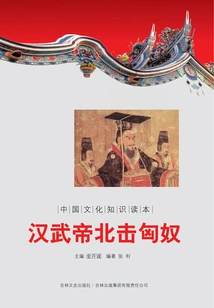
"Chinese Cultural Knowledge Reader" is a set of large-scale knowledge readers designed to spread China's five thousand years of excellent traditional culture and improve the cultural accomplishment of the entire people. "Chinese Cultural Knowledge Reader: Emperor Wu of the Han Dynasty's Northern Attack on the Huns" uses beautiful and vivid words, concise and popular language, and pictures and texts to introduce you to the recuperation policy in the early Han Dynasty and the relationship between the Han and the Huns, the appeasement policy after Emperor Wu of the Han Dynasty, the impact of Han culture on the Huns, and other related content.
"Chinese Cultural Knowledge Reader" is a set of large-scale knowledge readers designed to spread China's five thousand years of excellent traditional culture and improve the cultural accomplishment of the entire people. "Chinese Cultural Knowledge Reader: Emperor Wu of the Han Dynasty's Northern Attack on the Huns" uses beautiful and vivid words, concise and popular language, and pictures and texts to introduce you to the recuperation policy in the early Han Dynasty and the relationship between the Han and the Huns, the appeasement policy after Emperor Wu of the Han Dynasty, the impact of Han culture on the Huns, and other related content.
元代:武功第一
Jin Kaicheng
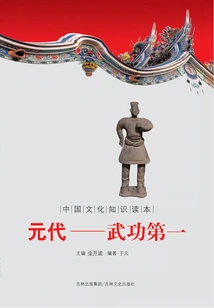
"Yuan Dynasty - The First in Martial Arts" not only deeply excavates and organizes the achievements of China's excellent traditional culture, but also combines social development and injects the spirit of the times. The book's beautiful and vivid text, concise and popular language, and the form of pictures and texts comprehensively display to readers the key points of knowledge such as material culture, institutional culture, behavioral culture, and spiritual culture in Chinese culture.
"Yuan Dynasty - The First in Martial Arts" not only deeply excavates and organizes the achievements of China's excellent traditional culture, but also combines social development and injects the spirit of the times. The book's beautiful and vivid text, concise and popular language, and the form of pictures and texts comprehensively display to readers the key points of knowledge such as material culture, institutional culture, behavioral culture, and spiritual culture in Chinese culture.
春秋战国:风起云涌
Jin Kaicheng
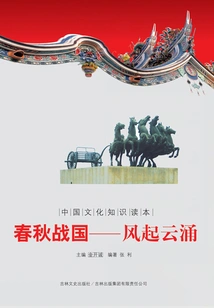
"Spring and Autumn and Warring States - The Rising Storm" provides a relatively comprehensive description of all aspects of the Spring and Autumn and Warring States periods, which can give readers a relatively complete impression.
"Spring and Autumn and Warring States - The Rising Storm" provides a relatively comprehensive description of all aspects of the Spring and Autumn and Warring States periods, which can give readers a relatively complete impression.
Tongcheng School Prose
Literature桐城派散文
Jin Kaicheng
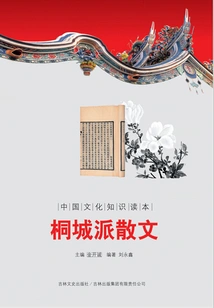
"Tongcheng School Prose" edited by Jin Kaicheng and Liu Yongxin tells the story: Tongcheng School, also known as Tongcheng Ancient Prose School, was the largest literary school in the Qing Dynasty. It was founded by Dai Mingshi and Fang Bao. It was promoted by Liu Dahuai and its influence gradually increased. By the time of Yao Nai, it developed to the Dingzhan period. Fang Bao, Liu Dahuai and Yao Nai are called the "Three Ancestors of Tongcheng" by later generations. In "Tongcheng School Prose", the development of the Tongcheng School almost always coincided with the national destiny of the Qing Dynasty, and it lasted until the May Fourth New Culture Movement before it completely disappeared. The time span spanned more than 200 years. The Tongcheng School's long-lasting influence, wide spread, and prominent momentum are rare in the history of Chinese literature and Chinese literary criticism.
"Tongcheng School Prose" edited by Jin Kaicheng and Liu Yongxin tells the story: Tongcheng School, also known as Tongcheng Ancient Prose School, was the largest literary school in the Qing Dynasty. It was founded by Dai Mingshi and Fang Bao. It was promoted by Liu Dahuai and its influence gradually increased. By the time of Yao Nai, it developed to the Dingzhan period. Fang Bao, Liu Dahuai and Yao Nai are called the "Three Ancestors of Tongcheng" by later generations. In "Tongcheng School Prose", the development of the Tongcheng School almost always coincided with the national destiny of the Qing Dynasty, and it lasted until the May Fourth New Culture Movement before it completely disappeared. The time span spanned more than 200 years. The Tongcheng School's long-lasting influence, wide spread, and prominent momentum are rare in the history of Chinese literature and Chinese literary criticism.
Twenty-four Histories
History二十四史
Jin Kaicheng
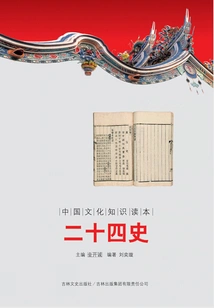
The contents of this book include: historical books describing the pre-Qin and Han dynasties, historical books describing the Three Kingdoms, Jin, Southern and Northern Dynasties, Sui, Tang, and Five Dynasties, and historical books describing the Song, Liao, Jin, Yuan, Ming and Qing dynasties, etc.
The contents of this book include: historical books describing the pre-Qin and Han dynasties, historical books describing the Three Kingdoms, Jin, Southern and Northern Dynasties, Sui, Tang, and Five Dynasties, and historical books describing the Song, Liao, Jin, Yuan, Ming and Qing dynasties, etc.