Library
Browse and search books
4 novels found
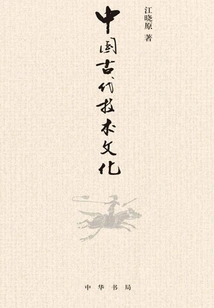
Ancient Chinese Technological Culture
Literature中国古代技术文化
Jiang Xiaoyuan
"Ancient Chinese Technical Culture" is a systematic reflection and exposition on ancient Chinese technical culture from the aspects of engineering technology, astronomy, geography, and medical culture based on decades of in-depth research on the history of science and technology at home and abroad by Mr. Jiang Xiaoyuan, a professor at Shanghai Jiao Tong University and a master of history of science and technology. Through systematic research, Professor Jiang Xiaoyuan not only proposed that "Joseph Needham's question is a false proposition", but also discussed with readers what "technical culture in ancient China" is with a dialectical attitude of seeking truth from facts and a truth-seeking spirit of using one piece of evidence to speak one word. This book uses a perspective that connects China and the West, blends ancient and modern knowledge, and starts from various interesting events in history - Why does the "Zhou Bi Suan Jing" contain amazing cosmological theories? Who told the Chinese people about the five zones of cold and heat? Who blew up the knight class to pieces? Did ancient China have a round earth theory? What exactly is Chinese medicine? --Reflect on the great achievements of ancient China, analyze them carefully, eliminate falsehoods and retain the truth, and enlighten readers on what is the proper attitude towards traditional culture. \U003Cdiv\u003E\u003C\u002Fdiv\u003E
"Ancient Chinese Technical Culture" is a systematic reflection and exposition on ancient Chinese technical culture from the aspects of engineering technology, astronomy, geography, and medical culture based on decades of in-depth research on the history of science and technology at home and abroad by Mr. Jiang Xiaoyuan, a professor at Shanghai Jiao Tong University and a master of history of science and technology. Through systematic research, Professor Jiang Xiaoyuan not only proposed that "Joseph Needham's question is a false proposition", but also discussed with readers what "technical culture in ancient China" is with a dialectical attitude of seeking truth from facts and a truth-seeking spirit of using one piece of evidence to speak one word. This book uses a perspective that connects China and the West, blends ancient and modern knowledge, and starts from various interesting events in history - Why does the "Zhou Bi Suan Jing" contain amazing cosmological theories? Who told the Chinese people about the five zones of cold and heat? Who blew up the knight class to pieces? Did ancient China have a round earth theory? What exactly is Chinese medicine? --Reflect on the great achievements of ancient China, analyze them carefully, eliminate falsehoods and retain the truth, and enlighten readers on what is the proper attitude towards traditional culture. \U003Cdiv\u003E\u003C\u002Fdiv\u003E
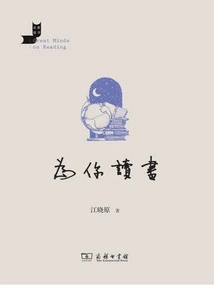
Reading for You
Literature为你读书
Jiang Xiaoyuan
This book tells the story of Professor Jiang Xiaoyuan, a famous bibliophile and book critic, about his reading, reviewing and writing process. The book contains 33 relevant articles recently published by the author, divided into four series, including Jiang Xiaoyuan's personal stories and experiences of reading, his thoughts and questions while reading, as well as his academic book reviews, film reviews and appreciation comments. It not only analyzes the methodological nature of reading, but also demonstrates Jiang Xiaoyuan's rich and extensive reading scope and professional evaluation. He uses his own example and personal demonstration to tell readers how to read, covering world history and geography, science fiction film and television works, scientism, Chinese classical literature, world literary masterpieces, literary criticism, etc.
This book tells the story of Professor Jiang Xiaoyuan, a famous bibliophile and book critic, about his reading, reviewing and writing process. The book contains 33 relevant articles recently published by the author, divided into four series, including Jiang Xiaoyuan's personal stories and experiences of reading, his thoughts and questions while reading, as well as his academic book reviews, film reviews and appreciation comments. It not only analyzes the methodological nature of reading, but also demonstrates Jiang Xiaoyuan's rich and extensive reading scope and professional evaluation. He uses his own example and personal demonstration to tell readers how to read, covering world history and geography, science fiction film and television works, scientism, Chinese classical literature, world literary masterpieces, literary criticism, etc.
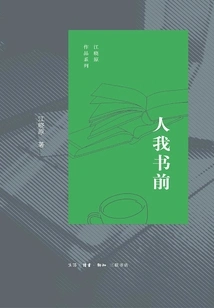
In Front of My Book
Literature人我书前
Jiang Xiaoyuan
This anthology is composed of two parts. The first part, "Ji Shou Mo Shen", is the preface Jiang Xiaoyuan wrote for other people's books (41 articles were selected), and the second part, "My Broom Is Precious", is the preface he wrote for his own book (34 articles were selected). The contents of these prefaces mainly involve the history of science, science fiction, science communication, society of science, sexology, literature, etc. They not only witness the development of these disciplines, but also explain their own mental journey. The author has written prefaces to many international famous authors or well-known figures, and the comments and opinions in these prefaces have become wonderful introductions to those works. When writing prefaces to close friends, especially close disciples, it is also interesting for readers to experience the careful attitude of not only praising but also being well-founded and not offending the readers. The author thought about it a lot and came up with the neutral and neutral title "Ren Wo Shu Qian".
This anthology is composed of two parts. The first part, "Ji Shou Mo Shen", is the preface Jiang Xiaoyuan wrote for other people's books (41 articles were selected), and the second part, "My Broom Is Precious", is the preface he wrote for his own book (34 articles were selected). The contents of these prefaces mainly involve the history of science, science fiction, science communication, society of science, sexology, literature, etc. They not only witness the development of these disciplines, but also explain their own mental journey. The author has written prefaces to many international famous authors or well-known figures, and the comments and opinions in these prefaces have become wonderful introductions to those works. When writing prefaces to close friends, especially close disciples, it is also interesting for readers to experience the careful attitude of not only praising but also being well-founded and not offending the readers. The author thought about it a lot and came up with the neutral and neutral title "Ren Wo Shu Qian".
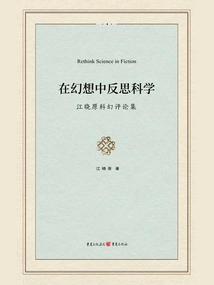
在幻想中反思科学:江晓原科幻评论集
Jiang Xiaoyuan
A collection of reviews of the latest science fiction works by Professor Jiang Xiaoyuan, who founded China's first science history department. This book contains in-depth analysis of famous science fiction works, reviews of some science fiction films and television works, and science fiction novels. It also includes several critical reviews, including "Imagination and Science: The Prospect of the Earth Destroyed by Nuclear Radiation", "Soul and Brain: Which Is Perfect Faster?" "Clara and the Sun: Elegy for Selfless Robots" "The Runaway Player: Who Needs to Worry More About Losing Control" and "Interstellar Voyage: An Exciting Course" Wonderful articles such as "The Frustrating Arithmetic Lesson" not only provide in-depth reflections on various science fiction-themed works, but also propose that the most important value of science fiction works lies in their ideological nature and reflection on science. They also point out that one of the definitions of science fiction works and popular science works lies in "humanistic care". They also analyze the differences between Chinese science fiction and Western science fiction and how science fiction participates in and affects scientific activities.
A collection of reviews of the latest science fiction works by Professor Jiang Xiaoyuan, who founded China's first science history department. This book contains in-depth analysis of famous science fiction works, reviews of some science fiction films and television works, and science fiction novels. It also includes several critical reviews, including "Imagination and Science: The Prospect of the Earth Destroyed by Nuclear Radiation", "Soul and Brain: Which Is Perfect Faster?" "Clara and the Sun: Elegy for Selfless Robots" "The Runaway Player: Who Needs to Worry More About Losing Control" and "Interstellar Voyage: An Exciting Course" Wonderful articles such as "The Frustrating Arithmetic Lesson" not only provide in-depth reflections on various science fiction-themed works, but also propose that the most important value of science fiction works lies in their ideological nature and reflection on science. They also point out that one of the definitions of science fiction works and popular science works lies in "humanistic care". They also analyze the differences between Chinese science fiction and Western science fiction and how science fiction participates in and affects scientific activities.