Library
Browse and search books
1 novel found
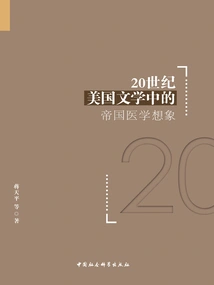
20世纪美国文学中的帝国医学想象
Jiang Tianping
Medicine is an important indicator of the development of civilization and an important driving force for social evolution. Modern Western medicine represents Western culture and social systems and is an important part of imperial ideology. At the end of the 19th century and the beginning of the 20th century, modern medicine from both sides became the paradigm of power rule within the empire, and had a profound impact on imperial expansion and centralized rule throughout the 20th century. As medical historian Anderson said: "The declaration of universalism and modernity by Western medical discourse has always influenced the imperial aspirations from the past to the present." This book uses the history of medicine from both parties as a starting point, analyzes American works in the 20th century from a post-colonial perspective, and explores how natural science medicine evolved into social medicine, how medical terminology was transformed into medical discourse, and how it participated in the construction of imperial politics. The author also focuses on the identity and creative intentions of imperial writers, confirming Said's view that "the goal of every literature and art in the culture of the metropolitan country is to maintain the empire."
Medicine is an important indicator of the development of civilization and an important driving force for social evolution. Modern Western medicine represents Western culture and social systems and is an important part of imperial ideology. At the end of the 19th century and the beginning of the 20th century, modern medicine from both sides became the paradigm of power rule within the empire, and had a profound impact on imperial expansion and centralized rule throughout the 20th century. As medical historian Anderson said: "The declaration of universalism and modernity by Western medical discourse has always influenced the imperial aspirations from the past to the present." This book uses the history of medicine from both parties as a starting point, analyzes American works in the 20th century from a post-colonial perspective, and explores how natural science medicine evolved into social medicine, how medical terminology was transformed into medical discourse, and how it participated in the construction of imperial politics. The author also focuses on the identity and creative intentions of imperial writers, confirming Said's view that "the goal of every literature and art in the culture of the metropolitan country is to maintain the empire."