Library
Browse and search books
21 novels found
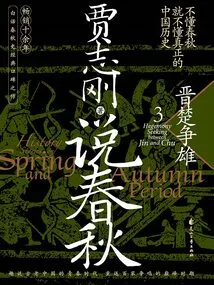
说春秋3:晋楚争雄
Jia Zhigang
The Spring and Autumn Period was the explosive period of Chinese culture. It was a rare golden age in Chinese history when hundreds of schools of thought contended and ideas were active. Confucianism, Taoism, Legalism, Yin-Yang School, etc. Took turns to appear, accumulating the essence of Chinese civilization and representing the height of Chinese civilization. The Spring and Autumn Period was also an era of great changes. The pursuit of desires led to intrigues and fratricide, which was accompanied by the destruction of rules and the outbreak of the evil side of human nature. The Spring and Autumn Period was a process in which the old order was broken and a new order was built. This order is not only between countries, but also between people. This set of books uses solid and rich historical materials and easy-to-understand language to restore such an era of great change and great contention. Volume One: The Rise of Qi and Chu: King You plays with the princes with beacon fire, King Ping is forced to move his capital to Luoyi, and the Spring and Autumn Period begins. The state of Qi was a fiefdom of Jiang Taigong, and it quickly became powerful due to its simple customs and simple etiquette. Duke Huan of Qi united the nine princes and became hegemonic first. The Chu State became increasingly powerful in the south, annexing small countries and expanding its territory to thousands of miles. Qi and Chu, two "incompatible" countries, finally faced each other head-on. The royal family declines, rituals and music collapse, princes rise together, and great powers compete with each other. Righteousness, selfish desires, wisdom, and intrigues, countless bizarre historical stories are about to take place...
The Spring and Autumn Period was the explosive period of Chinese culture. It was a rare golden age in Chinese history when hundreds of schools of thought contended and ideas were active. Confucianism, Taoism, Legalism, Yin-Yang School, etc. Took turns to appear, accumulating the essence of Chinese civilization and representing the height of Chinese civilization. The Spring and Autumn Period was also an era of great changes. The pursuit of desires led to intrigues and fratricide, which was accompanied by the destruction of rules and the outbreak of the evil side of human nature. The Spring and Autumn Period was a process in which the old order was broken and a new order was built. This order is not only between countries, but also between people. This set of books uses solid and rich historical materials and easy-to-understand language to restore such an era of great change and great contention. Volume One: The Rise of Qi and Chu: King You plays with the princes with beacon fire, King Ping is forced to move his capital to Luoyi, and the Spring and Autumn Period begins. The state of Qi was a fiefdom of Jiang Taigong, and it quickly became powerful due to its simple customs and simple etiquette. Duke Huan of Qi united the nine princes and became hegemonic first. The Chu State became increasingly powerful in the south, annexing small countries and expanding its territory to thousands of miles. Qi and Chu, two "incompatible" countries, finally faced each other head-on. The royal family declines, rituals and music collapse, princes rise together, and great powers compete with each other. Righteousness, selfish desires, wisdom, and intrigues, countless bizarre historical stories are about to take place...
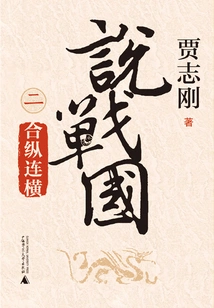
说战国2:合纵连横
Jia Zhigang
Jia Zhigang's "Warring States" is broadcast in seasons, and there are many good shows. In Chinese history, there is a famous magical figure-Guiguzi. Who are Guiguzi's disciples? Is his "vertical and horizontal manipulation" technique really so superb? It depends on the changes in the major vassal states during the Warring States Period, what kind of talented people the new situation calls for, and what new gameplay is needed. The representatives of this stage are Pang Juan, Sun Bin, Su Qin and Zhang Yi. It was these people who played the familiar tricks of besieging Wei and rescuing Zhao, increasing troops and reducing the number of enemies, and joining forces to push the military, political, and diplomatic struggles of the Warring States period to a climax. At the same time, don't forget that while military strategists and political strategists were showing off their skills, King Qi Wei silently did something unique in Chinese history, which was the creation of Jixia Academy. Jixia Academy accommodates many schools of thought. They argue with each other, and the trend of a hundred schools of thought contending is gradually taking shape...
Jia Zhigang's "Warring States" is broadcast in seasons, and there are many good shows. In Chinese history, there is a famous magical figure-Guiguzi. Who are Guiguzi's disciples? Is his "vertical and horizontal manipulation" technique really so superb? It depends on the changes in the major vassal states during the Warring States Period, what kind of talented people the new situation calls for, and what new gameplay is needed. The representatives of this stage are Pang Juan, Sun Bin, Su Qin and Zhang Yi. It was these people who played the familiar tricks of besieging Wei and rescuing Zhao, increasing troops and reducing the number of enemies, and joining forces to push the military, political, and diplomatic struggles of the Warring States period to a climax. At the same time, don't forget that while military strategists and political strategists were showing off their skills, King Qi Wei silently did something unique in Chinese history, which was the creation of Jixia Academy. Jixia Academy accommodates many schools of thought. They argue with each other, and the trend of a hundred schools of thought contending is gradually taking shape...
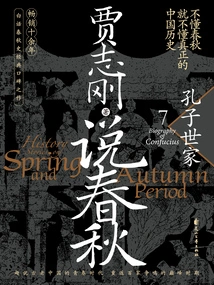
说春秋7:孔子世家
Jia Zhigang
The Spring and Autumn Period was the explosive period of Chinese culture. It was a rare golden age in Chinese history when hundreds of schools of thought contended and ideas were active. Confucianism, Taoism, Legalism, Yin-Yang School, etc. Took turns to appear, accumulating the essence of Chinese civilization and representing the height of Chinese civilization. The Spring and Autumn Period was also an era of great changes. The pursuit of desires led to intrigues and fratricide, which was accompanied by the destruction of rules and the outbreak of the evil side of human nature. The Spring and Autumn Period was a process in which the old order was broken and a new order was built. This order is not only between countries, but also between people. This set of books uses solid and rich historical materials and easy-to-understand language to restore such an era of great change and great contention. Volume One: The Rise of Qi and Chu: King You plays with the princes with beacon fire, King Ping is forced to move his capital to Luoyi, and the Spring and Autumn Period begins. The state of Qi was a fiefdom of Jiang Taigong, and it quickly became powerful due to its simple customs and simple etiquette. Duke Huan of Qi united the nine princes and became hegemonic first. The Chu State became increasingly powerful in the south, annexing small countries and expanding its territory to thousands of miles. Qi and Chu, two "incompatible" countries, finally faced each other head-on. The royal family declines, rituals and music collapse, princes rise together, and great powers compete with each other. Righteousness, selfish desires, wisdom, and intrigues, countless bizarre historical stories are about to take place...
The Spring and Autumn Period was the explosive period of Chinese culture. It was a rare golden age in Chinese history when hundreds of schools of thought contended and ideas were active. Confucianism, Taoism, Legalism, Yin-Yang School, etc. Took turns to appear, accumulating the essence of Chinese civilization and representing the height of Chinese civilization. The Spring and Autumn Period was also an era of great changes. The pursuit of desires led to intrigues and fratricide, which was accompanied by the destruction of rules and the outbreak of the evil side of human nature. The Spring and Autumn Period was a process in which the old order was broken and a new order was built. This order is not only between countries, but also between people. This set of books uses solid and rich historical materials and easy-to-understand language to restore such an era of great change and great contention. Volume One: The Rise of Qi and Chu: King You plays with the princes with beacon fire, King Ping is forced to move his capital to Luoyi, and the Spring and Autumn Period begins. The state of Qi was a fiefdom of Jiang Taigong, and it quickly became powerful due to its simple customs and simple etiquette. Duke Huan of Qi united the nine princes and became hegemonic first. The Chu State became increasingly powerful in the south, annexing small countries and expanding its territory to thousands of miles. Qi and Chu, two "incompatible" countries, finally faced each other head-on. The royal family declines, rituals and music collapse, princes rise together, and great powers compete with each other. Righteousness, selfish desires, wisdom, and intrigues, countless bizarre historical stories are about to take place...
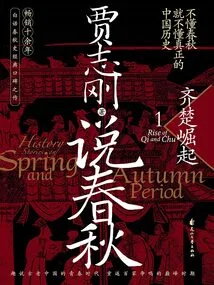
说春秋1:齐楚崛起
Jia Zhigang
The Spring and Autumn Period was the explosive period of Chinese culture. It was a rare golden age in Chinese history when hundreds of schools of thought contended and ideas were active. Confucianism, Taoism, Legalism, Yin-Yang School, etc. Took turns to appear, accumulating the essence of Chinese civilization and representing the height of Chinese civilization. The Spring and Autumn Period was also an era of great changes. The pursuit of desires led to intrigues and fratricide, which was accompanied by the destruction of rules and the outbreak of the evil side of human nature. The Spring and Autumn Period was a process in which the old order was broken and a new order was built. This order is not only between countries, but also between people. This set of books uses solid and rich historical materials and easy-to-understand language to restore such an era of great change and great contention. Volume One: The Rise of Qi and Chu: King You plays with the princes with beacon fire, King Ping is forced to move his capital to Luoyi, and the Spring and Autumn Period begins. The state of Qi was a fiefdom of Jiang Taigong, and it quickly became powerful due to its simple customs and simple etiquette. Duke Huan of Qi united the nine princes and became hegemonic first. The Chu State became increasingly powerful in the south, annexing small countries and expanding its territory to thousands of miles. Qi and Chu, two "incompatible" countries, finally faced each other head-on. The royal family declines, rituals and music collapse, princes rise together, and great powers compete with each other. Righteousness, selfish desires, wisdom, and intrigues, countless bizarre historical stories are about to take place...
The Spring and Autumn Period was the explosive period of Chinese culture. It was a rare golden age in Chinese history when hundreds of schools of thought contended and ideas were active. Confucianism, Taoism, Legalism, Yin-Yang School, etc. Took turns to appear, accumulating the essence of Chinese civilization and representing the height of Chinese civilization. The Spring and Autumn Period was also an era of great changes. The pursuit of desires led to intrigues and fratricide, which was accompanied by the destruction of rules and the outbreak of the evil side of human nature. The Spring and Autumn Period was a process in which the old order was broken and a new order was built. This order is not only between countries, but also between people. This set of books uses solid and rich historical materials and easy-to-understand language to restore such an era of great change and great contention. Volume One: The Rise of Qi and Chu: King You plays with the princes with beacon fire, King Ping is forced to move his capital to Luoyi, and the Spring and Autumn Period begins. The state of Qi was a fiefdom of Jiang Taigong, and it quickly became powerful due to its simple customs and simple etiquette. Duke Huan of Qi united the nine princes and became hegemonic first. The Chu State became increasingly powerful in the south, annexing small countries and expanding its territory to thousands of miles. Qi and Chu, two "incompatible" countries, finally faced each other head-on. The royal family declines, rituals and music collapse, princes rise together, and great powers compete with each other. Righteousness, selfish desires, wisdom, and intrigues, countless bizarre historical stories are about to take place...
说春秋4:天下大乱
Jia Zhigang
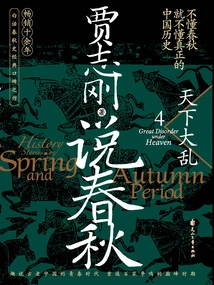
The Spring and Autumn Period was the explosive period of Chinese culture. It was a rare golden age in Chinese history when hundreds of schools of thought contended and ideas were active. Confucianism, Taoism, Legalism, Yin-Yang School, etc. Took turns to appear, accumulating the essence of Chinese civilization and representing the height of Chinese civilization. The Spring and Autumn Period was also an era of great changes. The pursuit of desires led to intrigues and fratricide, which was accompanied by the destruction of rules and the outbreak of the evil side of human nature. The Spring and Autumn Period was a process in which the old order was broken and a new order was built. This order is not only between countries, but also between people. This set of books uses solid and rich historical materials and easy-to-understand language to restore such an era of great change and great contention. Volume One: The Rise of Qi and Chu: King You plays with the princes with beacon fire, King Ping is forced to move his capital to Luoyi, and the Spring and Autumn Period begins. The state of Qi was a fiefdom of Jiang Taigong, and it quickly became powerful due to its simple customs and simple etiquette. Duke Huan of Qi united the nine princes and became hegemonic first. The Chu State became increasingly powerful in the south, annexing small countries and expanding its territory to thousands of miles. Qi and Chu, two "incompatible" countries, finally faced each other head-on. The royal family declines, rituals and music collapse, princes rise together, and great powers compete with each other. Righteousness, selfish desires, wisdom, and intrigues, countless bizarre historical stories are about to take place...
The Spring and Autumn Period was the explosive period of Chinese culture. It was a rare golden age in Chinese history when hundreds of schools of thought contended and ideas were active. Confucianism, Taoism, Legalism, Yin-Yang School, etc. Took turns to appear, accumulating the essence of Chinese civilization and representing the height of Chinese civilization. The Spring and Autumn Period was also an era of great changes. The pursuit of desires led to intrigues and fratricide, which was accompanied by the destruction of rules and the outbreak of the evil side of human nature. The Spring and Autumn Period was a process in which the old order was broken and a new order was built. This order is not only between countries, but also between people. This set of books uses solid and rich historical materials and easy-to-understand language to restore such an era of great change and great contention. Volume One: The Rise of Qi and Chu: King You plays with the princes with beacon fire, King Ping is forced to move his capital to Luoyi, and the Spring and Autumn Period begins. The state of Qi was a fiefdom of Jiang Taigong, and it quickly became powerful due to its simple customs and simple etiquette. Duke Huan of Qi united the nine princes and became hegemonic first. The Chu State became increasingly powerful in the south, annexing small countries and expanding its territory to thousands of miles. Qi and Chu, two "incompatible" countries, finally faced each other head-on. The royal family declines, rituals and music collapse, princes rise together, and great powers compete with each other. Righteousness, selfish desires, wisdom, and intrigues, countless bizarre historical stories are about to take place...
贾志刚说春秋之五:吴越兴亡
Jia Zhigang
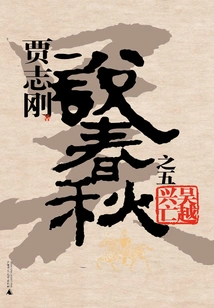
The two major families of Qi State, Cui and Qing, were fighting each other, and Jin and Chu were unable to escape the whirlpool of corruption and internal strife. When the established powers were doing nothing, the barbarian country in the south entered the stage of history. Wu State and Yue State, two barbarian countries in the southeast during the Spring and Autumn Period, rose to prominence in a short period of time, but soon perished. The rise of these two countries is the result of the fermentation of hatred; when the hatred goes away, the bubble bursts and everything becomes silent. In this bloody history, two famous revenge figures appeared one after another, Wu Zixu and King Gou Jian of Yue. One had hatred for his family and the other had hatred for his country. Their perseverance and humiliation were breathtaking. Their revenge process has become a legend that has been passed down for thousands of years.
The two major families of Qi State, Cui and Qing, were fighting each other, and Jin and Chu were unable to escape the whirlpool of corruption and internal strife. When the established powers were doing nothing, the barbarian country in the south entered the stage of history. Wu State and Yue State, two barbarian countries in the southeast during the Spring and Autumn Period, rose to prominence in a short period of time, but soon perished. The rise of these two countries is the result of the fermentation of hatred; when the hatred goes away, the bubble bursts and everything becomes silent. In this bloody history, two famous revenge figures appeared one after another, Wu Zixu and King Gou Jian of Yue. One had hatred for his family and the other had hatred for his country. Their perseverance and humiliation were breathtaking. Their revenge process has become a legend that has been passed down for thousands of years.
贾志刚说战国(全集)
Jia Zhigang
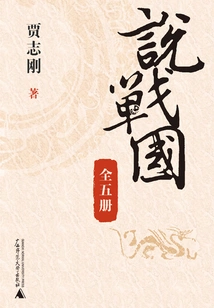
Countries compete for supremacy, hundreds of schools of thought contend, and Taoism divides the world. "The Warring States Period" is full of great dramas, and history has never been so exciting! Following the best-selling series "Spring and Autumn", Jia Zhigang once again opens the curtain on the Warring States Period, peeking into the changes in human nature from the turbulent history, letting the gods and men of the Warring States Period take turns to perform an addictive historical drama. Jia Zhigang's "The Warring States Period" recounts a period of history like a dramatic drama, recreating a golden age in which outstanding people emerged in large numbers!
Countries compete for supremacy, hundreds of schools of thought contend, and Taoism divides the world. "The Warring States Period" is full of great dramas, and history has never been so exciting! Following the best-selling series "Spring and Autumn", Jia Zhigang once again opens the curtain on the Warring States Period, peeking into the changes in human nature from the turbulent history, letting the gods and men of the Warring States Period take turns to perform an addictive historical drama. Jia Zhigang's "The Warring States Period" recounts a period of history like a dramatic drama, recreating a golden age in which outstanding people emerged in large numbers!
贾志刚说春秋之六:圣贤本色
Jia Zhigang
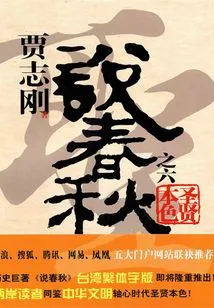
"Jia Zhigang Talks about Spring and Autumn Period No. 6: The True Character of Saints" shifts from "hero" to "sage", showing the appearances of "Sage of Harmony" Liu Xiahui, "Sage of Thieves" Zhan Xiong, "Sage of Love" Wu Chen, "Sage of Joy" Shi Kuang, and "Sage of the Universe" Laozi in an era rich in sages in the Spring and Autumn Period. He and Uncle Xiang, the virtuous minister of the Jin Dynasty with the surname Yang, are the ancestors of the state protector, Yan Ying, the great reformer of Zheng Guo, the great reformer who protects the family and property of the country, Qi Xiang Yan Ying, the "most powerful householder in history", Ji Zha, the musical genius and the ancestor of the Wu surname who sees through the world, and Jin, the young genius and the ancestor of the Wang surname who have become immortals, appear on the stage. Amid the flames of war, intrigues, poems, rituals and singing, let's see how they speak, act and live...
"Jia Zhigang Talks about Spring and Autumn Period No. 6: The True Character of Saints" shifts from "hero" to "sage", showing the appearances of "Sage of Harmony" Liu Xiahui, "Sage of Thieves" Zhan Xiong, "Sage of Love" Wu Chen, "Sage of Joy" Shi Kuang, and "Sage of the Universe" Laozi in an era rich in sages in the Spring and Autumn Period. He and Uncle Xiang, the virtuous minister of the Jin Dynasty with the surname Yang, are the ancestors of the state protector, Yan Ying, the great reformer of Zheng Guo, the great reformer who protects the family and property of the country, Qi Xiang Yan Ying, the "most powerful householder in history", Ji Zha, the musical genius and the ancestor of the Wu surname who sees through the world, and Jin, the young genius and the ancestor of the Wang surname who have become immortals, appear on the stage. Amid the flames of war, intrigues, poems, rituals and singing, let's see how they speak, act and live...
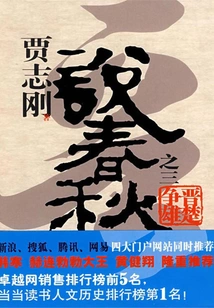
Jia Zhigang Talks About Spring and Autumn Part 3: the Struggle between Jin and Chu for Supremacy
History贾志刚说春秋之三:晋楚争雄
Jia Zhigang
The two countries of Jin and Chu competed in the Central Plains, and the Spring and Autumn Period scrolls were splendid. Fighting vertically and horizontally, attacking and making plans. Three battles between Jin and Chu, three classic battles. In the battle of Chengpu, the Jin army retreated and lured the enemy deep, and won a complete victory; the Chu army hastily divided its troops, underestimated the enemy and advanced rashly, and suffered heavy losses. In the Battle of Bi, the commander-in-chief of the Jin army was hesitant and undecided in the battle. He was unprepared for the battle and was controlled by others, which led to failure. The commander-in-chief of the Chu army strives to take the initiative in the war, uses circumstances to mislead the enemy, and pre-empts the enemy to win decisively. As a result, the Jin State lost its hegemony, and the Chu State gained hegemony in the Central Plains. In the Battle of Yanling, the Jin army was good at observing opportunities and commanding cleverly, defeating the Chu State and consolidating its hegemony. The battlefield in the Central Plains began to fall silent. "Jia Zhigang Talks about the Spring and Autumn Period Part 3: The Struggle between Jin and Chu" reproduces the thrilling scenes of the Spring and Autumn Period with a unique perspective, grand narrative, and humorous writing style, providing a convenient way for every reader to enter the Spring and Autumn Period scene.
The two countries of Jin and Chu competed in the Central Plains, and the Spring and Autumn Period scrolls were splendid. Fighting vertically and horizontally, attacking and making plans. Three battles between Jin and Chu, three classic battles. In the battle of Chengpu, the Jin army retreated and lured the enemy deep, and won a complete victory; the Chu army hastily divided its troops, underestimated the enemy and advanced rashly, and suffered heavy losses. In the Battle of Bi, the commander-in-chief of the Jin army was hesitant and undecided in the battle. He was unprepared for the battle and was controlled by others, which led to failure. The commander-in-chief of the Chu army strives to take the initiative in the war, uses circumstances to mislead the enemy, and pre-empts the enemy to win decisively. As a result, the Jin State lost its hegemony, and the Chu State gained hegemony in the Central Plains. In the Battle of Yanling, the Jin army was good at observing opportunities and commanding cleverly, defeating the Chu State and consolidating its hegemony. The battlefield in the Central Plains began to fall silent. "Jia Zhigang Talks about the Spring and Autumn Period Part 3: The Struggle between Jin and Chu" reproduces the thrilling scenes of the Spring and Autumn Period with a unique perspective, grand narrative, and humorous writing style, providing a convenient way for every reader to enter the Spring and Autumn Period scene.
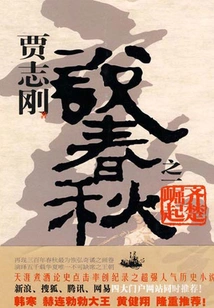
贾志刚说春秋之一:齐楚崛起
Jia Zhigang
The Qishan earthquake, King Zhou You's beacon fire play on the princes, and King Zhou Ping moved the capital to Luoyi, the spring and Autumn period began... Qi State was a fiefdom of Jiang Taigong. Due to its simple customs and simple etiquette, it quickly became powerful. Later, it gained the power of conquest by "five princes and nine uncles, and women were able to conquer it"; with the assistance of "Guan Paopao" Guan Zhong, Qi Huan Gong's "nine princes" became hegemonic first; Chu State became increasingly powerful in the south, wrapped in Threatening the surrounding small countries to establish the "Southern Alliance", in an attempt to establish "one country, two systems" in the Zhou Dynasty, Qi and Chu, two "incompatible" countries, will eventually come into direct contact... The royal family declined, etiquette collapsed, and under the struggle of the great powers, there were countless strange and strange historical stories, righteousness, selfish desires, wisdom, and power... The most exciting drama in Chinese history was staged.
The Qishan earthquake, King Zhou You's beacon fire play on the princes, and King Zhou Ping moved the capital to Luoyi, the spring and Autumn period began... Qi State was a fiefdom of Jiang Taigong. Due to its simple customs and simple etiquette, it quickly became powerful. Later, it gained the power of conquest by "five princes and nine uncles, and women were able to conquer it"; with the assistance of "Guan Paopao" Guan Zhong, Qi Huan Gong's "nine princes" became hegemonic first; Chu State became increasingly powerful in the south, wrapped in Threatening the surrounding small countries to establish the "Southern Alliance", in an attempt to establish "one country, two systems" in the Zhou Dynasty, Qi and Chu, two "incompatible" countries, will eventually come into direct contact... The royal family declined, etiquette collapsed, and under the struggle of the great powers, there were countless strange and strange historical stories, righteousness, selfish desires, wisdom, and power... The most exciting drama in Chinese history was staged.
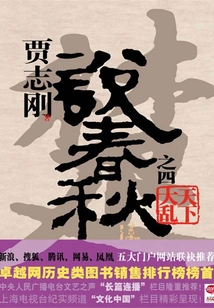
贾志刚说春秋之四:天下大乱
Jia Zhigang
"Jia Zhigang Talks about the Spring and Autumn Period IV: Chaos in the World" has reached a turning point in the history of the Spring and Autumn Period. With the destruction of the Three Kingdoms of Jin, the 14-year-old boy Sun Zhou returned to the country and ascended the throne, becoming another generation of heroes in the Spring and Autumn Period after Jin Wengong. The power struggle within the Jin State finally gradually subsided, and a rare harmonious situation emerged. However, the power of Jin and Chu for hegemony gradually declined, and the world was still in chaos, and could even be called "the world is in chaos." While Jin and Chu are competing for hegemony, medium-sized and small countries are also seeking survival and development. If they want to live a more prosperous life, they must find a correct position for themselves and know how to stand in a team. Should they stick to one team or be ready to change teams at any time? Are you committed to joining one superpower, or are you trying to sow discord between the two sides and reap the benefits? One wrong step after another, or even death and destruction of the country, depends on the different diplomatic wisdom of each country.
"Jia Zhigang Talks about the Spring and Autumn Period IV: Chaos in the World" has reached a turning point in the history of the Spring and Autumn Period. With the destruction of the Three Kingdoms of Jin, the 14-year-old boy Sun Zhou returned to the country and ascended the throne, becoming another generation of heroes in the Spring and Autumn Period after Jin Wengong. The power struggle within the Jin State finally gradually subsided, and a rare harmonious situation emerged. However, the power of Jin and Chu for hegemony gradually declined, and the world was still in chaos, and could even be called "the world is in chaos." While Jin and Chu are competing for hegemony, medium-sized and small countries are also seeking survival and development. If they want to live a more prosperous life, they must find a correct position for themselves and know how to stand in a team. Should they stick to one team or be ready to change teams at any time? Are you committed to joining one superpower, or are you trying to sow discord between the two sides and reap the benefits? One wrong step after another, or even death and destruction of the country, depends on the different diplomatic wisdom of each country.
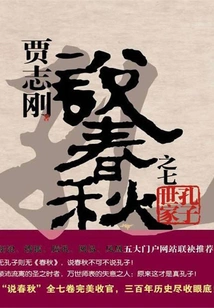
贾志刚说春秋之七:孔子世家
Jia Zhigang
"Jia Zhigang Talks about the Spring and Autumn Period, Part 7: Confucius' Family" is the perfect conclusion of Jia Zhigang's "Spring and Autumn Period". Confucius passed away on April 11, the sixteenth year of Duke Ai of Lu (479 BC), at the age of seventy-three. A physical Confucius returned to the dust, and a Confucius as a saint went to the altar. However, this symbolic Confucius saint had an ill-fated fate in China in the 20th century. In the 21st century, he has become a familiar stranger again. What kind of person was Confucius? We don't have to rush to label him as a thinker, educator, etc. Let's look at the humble dreams he once had, his growth, his joyful and sorrowful life, and how Confucius and his disciples stirred up the general trend of the Spring and Autumn Period in an era when nations were competing for supremacy. Confucius was not a perfect man, he was not a god. However, Confucius was a person who had a profound influence on Chinese history. Every Chinese may have the blood of Confucius flowing in his body, and every Chinese must have the spirit of Confucius in his bones.
"Jia Zhigang Talks about the Spring and Autumn Period, Part 7: Confucius' Family" is the perfect conclusion of Jia Zhigang's "Spring and Autumn Period". Confucius passed away on April 11, the sixteenth year of Duke Ai of Lu (479 BC), at the age of seventy-three. A physical Confucius returned to the dust, and a Confucius as a saint went to the altar. However, this symbolic Confucius saint had an ill-fated fate in China in the 20th century. In the 21st century, he has become a familiar stranger again. What kind of person was Confucius? We don't have to rush to label him as a thinker, educator, etc. Let's look at the humble dreams he once had, his growth, his joyful and sorrowful life, and how Confucius and his disciples stirred up the general trend of the Spring and Autumn Period in an era when nations were competing for supremacy. Confucius was not a perfect man, he was not a god. However, Confucius was a person who had a profound influence on Chinese history. Every Chinese may have the blood of Confucius flowing in his body, and every Chinese must have the spirit of Confucius in his bones.
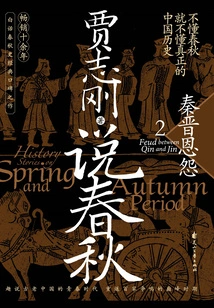
说春秋2:秦晋恩怨
Jia Zhigang
The Spring and Autumn Period was the explosive period of Chinese culture. It was a rare golden age in Chinese history when hundreds of schools of thought contended and ideas were active. Confucianism, Taoism, Legalism, Yin-Yang School, etc. Took turns to appear, accumulating the essence of Chinese civilization and representing the height of Chinese civilization. The Spring and Autumn Period was also an era of great changes. The pursuit of desires led to intrigues and fratricide, which was accompanied by the destruction of rules and the outbreak of the evil side of human nature. The Spring and Autumn Period was a process in which the old order was broken and a new order was built. This order is not only between countries, but also between people. This set of books uses solid and rich historical materials and easy-to-understand language to restore such an era of great change and great contention. Volume One: The Rise of Qi and Chu: King You plays with the princes with beacon fire, King Ping is forced to move his capital to Luoyi, and the Spring and Autumn Period begins. The state of Qi was a fiefdom of Jiang Taigong, and it quickly became powerful due to its simple customs and simple etiquette. Duke Huan of Qi united the nine princes and became hegemonic first. The Chu State became increasingly powerful in the south, annexing small countries and expanding its territory to thousands of miles. Qi and Chu, two "incompatible" countries, finally faced each other head-on. The royal family declines, rituals and music collapse, princes rise together, and great powers compete with each other. Righteousness, selfish desires, wisdom, and intrigues, countless bizarre historical stories are about to take place...
The Spring and Autumn Period was the explosive period of Chinese culture. It was a rare golden age in Chinese history when hundreds of schools of thought contended and ideas were active. Confucianism, Taoism, Legalism, Yin-Yang School, etc. Took turns to appear, accumulating the essence of Chinese civilization and representing the height of Chinese civilization. The Spring and Autumn Period was also an era of great changes. The pursuit of desires led to intrigues and fratricide, which was accompanied by the destruction of rules and the outbreak of the evil side of human nature. The Spring and Autumn Period was a process in which the old order was broken and a new order was built. This order is not only between countries, but also between people. This set of books uses solid and rich historical materials and easy-to-understand language to restore such an era of great change and great contention. Volume One: The Rise of Qi and Chu: King You plays with the princes with beacon fire, King Ping is forced to move his capital to Luoyi, and the Spring and Autumn Period begins. The state of Qi was a fiefdom of Jiang Taigong, and it quickly became powerful due to its simple customs and simple etiquette. Duke Huan of Qi united the nine princes and became hegemonic first. The Chu State became increasingly powerful in the south, annexing small countries and expanding its territory to thousands of miles. Qi and Chu, two "incompatible" countries, finally faced each other head-on. The royal family declines, rituals and music collapse, princes rise together, and great powers compete with each other. Righteousness, selfish desires, wisdom, and intrigues, countless bizarre historical stories are about to take place...
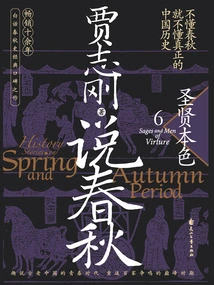
说春秋6:圣贤本色
Jia Zhigang
The Spring and Autumn Period was the explosive period of Chinese culture. It was a rare golden age in Chinese history when hundreds of schools of thought contended and ideas were active. Confucianism, Taoism, Legalism, Yin-Yang School, etc. Took turns to appear, accumulating the essence of Chinese civilization and representing the height of Chinese civilization. The Spring and Autumn Period was also an era of great changes. The pursuit of desires led to intrigues and fratricide, which was accompanied by the destruction of rules and the outbreak of the evil side of human nature. The Spring and Autumn Period was a process in which the old order was broken and a new order was built. This order is not only between countries, but also between people. This set of books uses solid and rich historical materials and easy-to-understand language to restore such an era of great change and great contention. Volume One: The Rise of Qi and Chu: King You plays with the princes with beacon fire, King Ping is forced to move his capital to Luoyi, and the Spring and Autumn Period begins. The state of Qi was a fiefdom of Jiang Taigong, and it quickly became powerful due to its simple customs and simple etiquette. Duke Huan of Qi united the nine princes and became hegemonic first. The Chu State became increasingly powerful in the south, annexing small countries and expanding its territory to thousands of miles. Qi and Chu, two "incompatible" countries, finally faced each other head-on. The royal family declines, rituals and music collapse, princes rise together, and great powers compete with each other. Righteousness, selfish desires, wisdom, and intrigues, countless bizarre historical stories are about to take place...
The Spring and Autumn Period was the explosive period of Chinese culture. It was a rare golden age in Chinese history when hundreds of schools of thought contended and ideas were active. Confucianism, Taoism, Legalism, Yin-Yang School, etc. Took turns to appear, accumulating the essence of Chinese civilization and representing the height of Chinese civilization. The Spring and Autumn Period was also an era of great changes. The pursuit of desires led to intrigues and fratricide, which was accompanied by the destruction of rules and the outbreak of the evil side of human nature. The Spring and Autumn Period was a process in which the old order was broken and a new order was built. This order is not only between countries, but also between people. This set of books uses solid and rich historical materials and easy-to-understand language to restore such an era of great change and great contention. Volume One: The Rise of Qi and Chu: King You plays with the princes with beacon fire, King Ping is forced to move his capital to Luoyi, and the Spring and Autumn Period begins. The state of Qi was a fiefdom of Jiang Taigong, and it quickly became powerful due to its simple customs and simple etiquette. Duke Huan of Qi united the nine princes and became hegemonic first. The Chu State became increasingly powerful in the south, annexing small countries and expanding its territory to thousands of miles. Qi and Chu, two "incompatible" countries, finally faced each other head-on. The royal family declines, rituals and music collapse, princes rise together, and great powers compete with each other. Righteousness, selfish desires, wisdom, and intrigues, countless bizarre historical stories are about to take place...
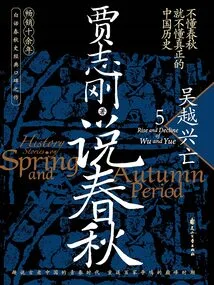
说春秋5:吴越兴亡
Jia Zhigang
The Spring and Autumn Period was the explosive period of Chinese culture. It was a rare golden age in Chinese history when hundreds of schools of thought contended and ideas were active. Confucianism, Taoism, Legalism, Yin-Yang School, etc. Took turns to appear, accumulating the essence of Chinese civilization and representing the height of Chinese civilization. The Spring and Autumn Period was also an era of great changes. The pursuit of desires led to intrigues and fratricide, which was accompanied by the destruction of rules and the outbreak of the evil side of human nature. The Spring and Autumn Period was a process in which the old order was broken and a new order was built. This order is not only between countries, but also between people. This set of books uses solid and rich historical materials and easy-to-understand language to restore such an era of great change and great contention. Volume One: The Rise of Qi and Chu: King You plays with the princes with beacon fire, King Ping is forced to move his capital to Luoyi, and the Spring and Autumn Period begins. The state of Qi was a fiefdom of Jiang Taigong, and it quickly became powerful due to its simple customs and simple etiquette. Duke Huan of Qi united the nine princes and became hegemonic first. The Chu State became increasingly powerful in the south, annexing small countries and expanding its territory to thousands of miles. Qi and Chu, two "incompatible" countries, finally faced each other head-on. The royal family declines, rituals and music collapse, princes rise together, and great powers compete with each other. Righteousness, selfish desires, wisdom, and intrigues, countless bizarre historical stories are about to take place...
The Spring and Autumn Period was the explosive period of Chinese culture. It was a rare golden age in Chinese history when hundreds of schools of thought contended and ideas were active. Confucianism, Taoism, Legalism, Yin-Yang School, etc. Took turns to appear, accumulating the essence of Chinese civilization and representing the height of Chinese civilization. The Spring and Autumn Period was also an era of great changes. The pursuit of desires led to intrigues and fratricide, which was accompanied by the destruction of rules and the outbreak of the evil side of human nature. The Spring and Autumn Period was a process in which the old order was broken and a new order was built. This order is not only between countries, but also between people. This set of books uses solid and rich historical materials and easy-to-understand language to restore such an era of great change and great contention. Volume One: The Rise of Qi and Chu: King You plays with the princes with beacon fire, King Ping is forced to move his capital to Luoyi, and the Spring and Autumn Period begins. The state of Qi was a fiefdom of Jiang Taigong, and it quickly became powerful due to its simple customs and simple etiquette. Duke Huan of Qi united the nine princes and became hegemonic first. The Chu State became increasingly powerful in the south, annexing small countries and expanding its territory to thousands of miles. Qi and Chu, two "incompatible" countries, finally faced each other head-on. The royal family declines, rituals and music collapse, princes rise together, and great powers compete with each other. Righteousness, selfish desires, wisdom, and intrigues, countless bizarre historical stories are about to take place...
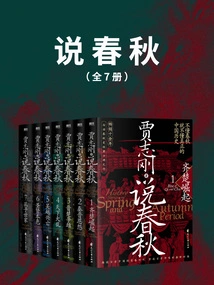
说春秋(全7册)
Jia Zhigang
The Spring and Autumn Period was the explosive period of Chinese culture. It was a rare golden age in Chinese history when hundreds of schools of thought contended and ideas were active. Confucianism, Taoism, Legalism, Yin-Yang School, etc. Took turns to appear, accumulating the essence of Chinese civilization and representing the height of Chinese civilization. The Spring and Autumn Period was also an era of great changes. The pursuit of desires led to intrigues and fratricide, which was accompanied by the destruction of rules and the outbreak of the evil side of human nature. The Spring and Autumn Period was a process in which the old order was broken and a new order was built. This order is not only between countries, but also between people. This set of books uses solid and rich historical materials and easy-to-understand language to restore such an era of great change and great contention. Volume One: The Rise of Qi and Chu: King You plays with the princes with beacon fire, King Ping is forced to move his capital to Luoyi, and the Spring and Autumn Period begins. The state of Qi was a fiefdom of Jiang Taigong, and it quickly became powerful due to its simple customs and simple etiquette. Duke Huan of Qi united the nine princes and became hegemonic first. The Chu State became increasingly powerful in the south, annexing small countries and expanding its territory to thousands of miles. Qi and Chu, two "incompatible" countries, finally faced each other head-on. The royal family declines, rituals and music collapse, princes rise together, and great powers compete with each other. Righteousness, selfish desires, wisdom, and intrigues, countless bizarre historical stories are about to take place...
The Spring and Autumn Period was the explosive period of Chinese culture. It was a rare golden age in Chinese history when hundreds of schools of thought contended and ideas were active. Confucianism, Taoism, Legalism, Yin-Yang School, etc. Took turns to appear, accumulating the essence of Chinese civilization and representing the height of Chinese civilization. The Spring and Autumn Period was also an era of great changes. The pursuit of desires led to intrigues and fratricide, which was accompanied by the destruction of rules and the outbreak of the evil side of human nature. The Spring and Autumn Period was a process in which the old order was broken and a new order was built. This order is not only between countries, but also between people. This set of books uses solid and rich historical materials and easy-to-understand language to restore such an era of great change and great contention. Volume One: The Rise of Qi and Chu: King You plays with the princes with beacon fire, King Ping is forced to move his capital to Luoyi, and the Spring and Autumn Period begins. The state of Qi was a fiefdom of Jiang Taigong, and it quickly became powerful due to its simple customs and simple etiquette. Duke Huan of Qi united the nine princes and became hegemonic first. The Chu State became increasingly powerful in the south, annexing small countries and expanding its territory to thousands of miles. Qi and Chu, two "incompatible" countries, finally faced each other head-on. The royal family declines, rituals and music collapse, princes rise together, and great powers compete with each other. Righteousness, selfish desires, wisdom, and intrigues, countless bizarre historical stories are about to take place...
说战国1:变法图强
Jia Zhigang
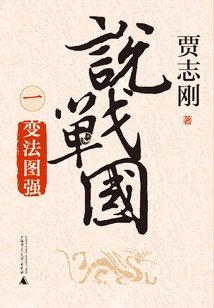
"The Warring States Period: Reform and Strengthening" is broadcast in seasons, and the show is continuous. The curtain of the Warring States Period begins with the duel between two people: Zhiyao VS Zhao Wuxie. During the brutal siege of Jinyang, Zhiyao almost forced Zhao Wuxie into a desperate situation. However, a counselor directed a reversal of victory, and finally the three families were promoted, and the world seemed to have returned to peace. In this short period of calm, a class was surging like magma underground, and that was the "shi". Scholars, the entire class is dying. They have gone from a life guaranteed by the state to one that is precarious, with life and death uncertain. Some of them sadly accept their fate, while others want to fight back. As a result, Li Kui, Wu Qi, and Shang Yang stepped onto the historical stage one after another, leading the three-season drama of reform and strengthening. The three reforms had different endings, some were successful and some failed. However, what is chilling is that the perverted reform actually succeeded...
"The Warring States Period: Reform and Strengthening" is broadcast in seasons, and the show is continuous. The curtain of the Warring States Period begins with the duel between two people: Zhiyao VS Zhao Wuxie. During the brutal siege of Jinyang, Zhiyao almost forced Zhao Wuxie into a desperate situation. However, a counselor directed a reversal of victory, and finally the three families were promoted, and the world seemed to have returned to peace. In this short period of calm, a class was surging like magma underground, and that was the "shi". Scholars, the entire class is dying. They have gone from a life guaranteed by the state to one that is precarious, with life and death uncertain. Some of them sadly accept their fate, while others want to fight back. As a result, Li Kui, Wu Qi, and Shang Yang stepped onto the historical stage one after another, leading the three-season drama of reform and strengthening. The three reforms had different endings, some were successful and some failed. However, what is chilling is that the perverted reform actually succeeded...
说战国4:天下归秦
Jia Zhigang
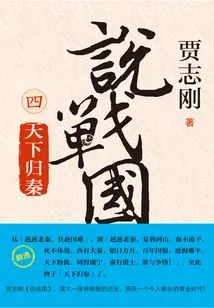
From Duke Xiao of Qin to King Zhao of Qin, from Shang Yang to Wei Ran, they never thought about unifying the world, grabbing people, money, and territory, that's all. However, things developed far beyond their imagination. Inadvertently, Wei, Han, Qi, and Chu all entered a state of "mourning". Who? Who can fight against Qin? Zhao State. The unexpected rise of Zhao State. However, at this time, a person was born in the Qin State. This person would completely destroy the self-esteem and self-confidence of the Central Plains countries and put the Qin State on the road to unifying the world. He is Bai Qi. This demonic existence set off the bloody storm in the ninth season. Fortunately, there are still good generals and ministers such as Lian Po, Lin Xiangru, and Xin Lingjun supporting the overall situation of the Six Kingdoms resisting Qin. However, in the tenth season, the Terminator will finally come. In fact, when Qin attacked Handan for the first time, this Terminator had been quietly born in Handan...
From Duke Xiao of Qin to King Zhao of Qin, from Shang Yang to Wei Ran, they never thought about unifying the world, grabbing people, money, and territory, that's all. However, things developed far beyond their imagination. Inadvertently, Wei, Han, Qi, and Chu all entered a state of "mourning". Who? Who can fight against Qin? Zhao State. The unexpected rise of Zhao State. However, at this time, a person was born in the Qin State. This person would completely destroy the self-esteem and self-confidence of the Central Plains countries and put the Qin State on the road to unifying the world. He is Bai Qi. This demonic existence set off the bloody storm in the ninth season. Fortunately, there are still good generals and ministers such as Lian Po, Lin Xiangru, and Xin Lingjun supporting the overall situation of the Six Kingdoms resisting Qin. However, in the tenth season, the Terminator will finally come. In fact, when Qin attacked Handan for the first time, this Terminator had been quietly born in Handan...
说战国5:四大宗师
Jia Zhigang
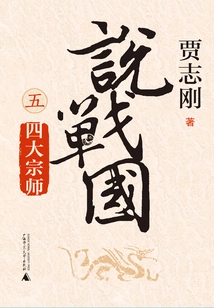
The Warring States Period was an era when rituals collapsed and wars were frequent, but it was also an era in the history of Chinese thought when hundreds of schools of thought contended and stars shone brightly. What would happen if Mozi, Zhuangzi, Mencius and Xunzi gathered in a small city? Perhaps the intensity of the ideological war here is no less intense than the troubled times outside. In "Talking about Spring and Autumn", I once traveled to the chaos of Confucius's era, and then to the Warring States Period. Not just random ones, all the masters and disciples of the schools from the Warring States Period have traveled through time. In Lanling City, the four great masters each occupy their own area, including Confucians, Taoists, Mohists, famous masters, Legalists, Yin-Yangists, novelists, peasants, etc. The founders of sects or their disciples and descendants are all here. They lived, thought, and argued freely. In this "time-travel drama" starring the scholars of the Warring States Period, the spiritual legacy left to future generations by the Warring States Period appears in its original form.
The Warring States Period was an era when rituals collapsed and wars were frequent, but it was also an era in the history of Chinese thought when hundreds of schools of thought contended and stars shone brightly. What would happen if Mozi, Zhuangzi, Mencius and Xunzi gathered in a small city? Perhaps the intensity of the ideological war here is no less intense than the troubled times outside. In "Talking about Spring and Autumn", I once traveled to the chaos of Confucius's era, and then to the Warring States Period. Not just random ones, all the masters and disciples of the schools from the Warring States Period have traveled through time. In Lanling City, the four great masters each occupy their own area, including Confucians, Taoists, Mohists, famous masters, Legalists, Yin-Yangists, novelists, peasants, etc. The founders of sects or their disciples and descendants are all here. They lived, thought, and argued freely. In this "time-travel drama" starring the scholars of the Warring States Period, the spiritual legacy left to future generations by the Warring States Period appears in its original form.
贾志刚说春秋之二:秦晋恩怨
Jia Zhigang
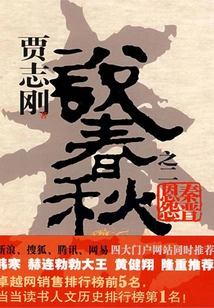
"Jia Zhigang Talks about Spring and Autumn Part 2: Qin and Jin Dynasties" continues the vivid and humorous language style of the first part, takes the character portrayal to a higher level, and interprets the great wisdom of the Spring and Autumn Period with a concise and smooth narrative. The good drama of "poaching" and "teamwork" in modern social competition has already been staged more than 2,000 years ago! Let's see how Qin Mu Gong proposes marriage to Jin while poaching his father-in-law, introducing a group of talents from the Central Plains into the legendary border country where birds have no shit and wolves are everywhere... How the exiled Jin Gongzi Chong'er formed a super team: the treacherous Hu Yan, the selfless Zhao Shui, the knowledgeable ministers, the brave and fearless Xian Zhen... What was the most precious thing in the Spring and Autumn Period? Talent! Highlights of this book: The narrative is smooth, the language is vivid and humorous; the Spring and Autumn Stories have a large mass base, and history is told in a popular way, which is humorous and interesting, and is very popular among the public.
"Jia Zhigang Talks about Spring and Autumn Part 2: Qin and Jin Dynasties" continues the vivid and humorous language style of the first part, takes the character portrayal to a higher level, and interprets the great wisdom of the Spring and Autumn Period with a concise and smooth narrative. The good drama of "poaching" and "teamwork" in modern social competition has already been staged more than 2,000 years ago! Let's see how Qin Mu Gong proposes marriage to Jin while poaching his father-in-law, introducing a group of talents from the Central Plains into the legendary border country where birds have no shit and wolves are everywhere... How the exiled Jin Gongzi Chong'er formed a super team: the treacherous Hu Yan, the selfless Zhao Shui, the knowledgeable ministers, the brave and fearless Xian Zhen... What was the most precious thing in the Spring and Autumn Period? Talent! Highlights of this book: The narrative is smooth, the language is vivid and humorous; the Spring and Autumn Stories have a large mass base, and history is told in a popular way, which is humorous and interesting, and is very popular among the public.
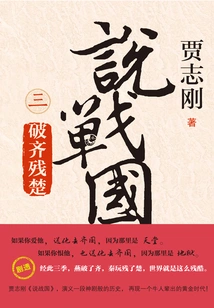
说战国3:破齐残楚
Jia Zhigang
Season 6: Three Kings and One Drama. King Wu of Qin was brave and good at fighting, but he became a bad example of seeking death through tricks; King Huai of Chu was greedy for petty gains and made one wrong step, and ended up dying in a foreign country; King Wuling of Zhao implemented the most far-sighted reforms during the Warring States Period, but unfortunately his soft-hearted personality made all his previous efforts wasted. Season 7: Qi Prime Minister Mengchang Jun Tianwen vs. Qin Prime Minister Wei Ran. In the political arena, Lord Mengchang rose and fell three times, and Wei Ran rose and fell four times. The two had surprisingly similar political experiences, and they were rivals in diplomacy, demonstrating their political wisdom behind the surface of "roosters crow, dogs robbers" and "soft rice". Season 8: Le Yi vs. Tian Dan. Le Yi led the remote and weak Yan State and conquered more than 70 cities of Qi State, almost destroying Qi State; Tian Dan led the Qi people to fight back and successfully restored Qi State. However, both of them could not escape the fate of being jealous, ostracized, and eventually fled to other countries. The unparalleled achievements were gone, and the two old men drank wine and talked freely under the sunset, fishing for the rest of their lives. After three seasons, Yan defeated Qi and Qin Wan defeated Chu. The world is so cruel.
Season 6: Three Kings and One Drama. King Wu of Qin was brave and good at fighting, but he became a bad example of seeking death through tricks; King Huai of Chu was greedy for petty gains and made one wrong step, and ended up dying in a foreign country; King Wuling of Zhao implemented the most far-sighted reforms during the Warring States Period, but unfortunately his soft-hearted personality made all his previous efforts wasted. Season 7: Qi Prime Minister Mengchang Jun Tianwen vs. Qin Prime Minister Wei Ran. In the political arena, Lord Mengchang rose and fell three times, and Wei Ran rose and fell four times. The two had surprisingly similar political experiences, and they were rivals in diplomacy, demonstrating their political wisdom behind the surface of "roosters crow, dogs robbers" and "soft rice". Season 8: Le Yi vs. Tian Dan. Le Yi led the remote and weak Yan State and conquered more than 70 cities of Qi State, almost destroying Qi State; Tian Dan led the Qi people to fight back and successfully restored Qi State. However, both of them could not escape the fate of being jealous, ostracized, and eventually fled to other countries. The unparalleled achievements were gone, and the two old men drank wine and talked freely under the sunset, fishing for the rest of their lives. After three seasons, Yan defeated Qi and Qin Wan defeated Chu. The world is so cruel.