Library
Browse and search books
3 novels found
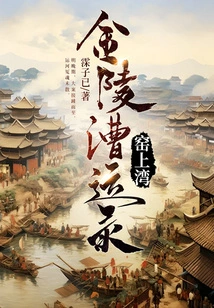
Yaoshang Bay: Records of Jinling Water Transport
General Fiction窑上湾:金陵漕运录
Ji Zi Has
The work is based on the water transport crisis in the late Ming Dynasty during the Tianqi Year, based on the construction of the Grand Canal Cultural Belt, and takes the ancient town of Yaowan as the starting point of the narrative. It recreates the prosperity and excitement of the water transport in the late Ming Dynasty through the investigative journey of border scout Song Jingshun and the young intangible cultural heritage craftsman of Yaowan. Through five major cases, the work focuses on and deeply explores the spiritual core of the water transport culture in the Grand Canal region and the history of the Ming Dynasty. As the cases deepen, it continues to integrate historical culture, politics, economy, and traditional intangible cultural wisdom such as Nuo dance, porcelain art, and water conservancy. In the end, the protagonist eliminates corruption and protects the country as a Yaowan craftsman. The work aims to promote the responsibility of the Chinese people for their country and the country, and reflects the ups and downs of the Chinese people in the Ming Dynasty. Ultimately, through what the protagonist sees and hears, it paints a picture of a historical figure who has inherited the canal's thousand-year context and demonstrated the cultural confidence of a great country. It vividly interprets the strong and solid spiritual genes of the Chinese nation and inspires cultural confidence in continuing the canal's cultural heritage!
The work is based on the water transport crisis in the late Ming Dynasty during the Tianqi Year, based on the construction of the Grand Canal Cultural Belt, and takes the ancient town of Yaowan as the starting point of the narrative. It recreates the prosperity and excitement of the water transport in the late Ming Dynasty through the investigative journey of border scout Song Jingshun and the young intangible cultural heritage craftsman of Yaowan. Through five major cases, the work focuses on and deeply explores the spiritual core of the water transport culture in the Grand Canal region and the history of the Ming Dynasty. As the cases deepen, it continues to integrate historical culture, politics, economy, and traditional intangible cultural wisdom such as Nuo dance, porcelain art, and water conservancy. In the end, the protagonist eliminates corruption and protects the country as a Yaowan craftsman. The work aims to promote the responsibility of the Chinese people for their country and the country, and reflects the ups and downs of the Chinese people in the Ming Dynasty. Ultimately, through what the protagonist sees and hears, it paints a picture of a historical figure who has inherited the canal's thousand-year context and demonstrated the cultural confidence of a great country. It vividly interprets the strong and solid spiritual genes of the Chinese nation and inspires cultural confidence in continuing the canal's cultural heritage!
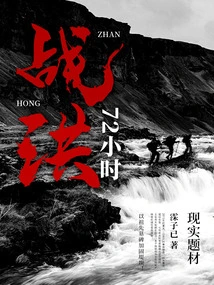
72 Hours of War
Slice of Life战洪72小时
Ji Zi Has
In the summer of 2015, heavy rains raged in Yicun, Jiangsu Province, the rivers swelled and the dams were in emergency condition. Chen Deshui, a 70-year-old water conservancy expert, adheres to tradition and advocates using wooden rollovers to fight floods; his son Chen Mingyuan, the director of a water conservancy station, advocates mechanized and efficient drainage; but his grandson Chen Xiaofeng advocates relying on technological predictions and upstream intelligent systems. The ideas of three generations collide fiercely, and the village is in danger. At a critical moment, they led the whole village to make a surprising decision: to reinforce the dam with their ancestors' tombstones! Tradition and modernity are integrated. Chen Deshui summons villagers to overturn the car, Chen Mingyuan directs the machinery, and Xiaofeng optimizes intelligent drainage. ... In the end, this flood-fighting epic is based on the integration of tradition and technology in the process of China's modernization, using tombstones as the basis to pass down wisdom and give new life to overturned cars, reflecting the courageous spirit of the Chinese people and the regenerative power of intangible cultural heritage!
In the summer of 2015, heavy rains raged in Yicun, Jiangsu Province, the rivers swelled and the dams were in emergency condition. Chen Deshui, a 70-year-old water conservancy expert, adheres to tradition and advocates using wooden rollovers to fight floods; his son Chen Mingyuan, the director of a water conservancy station, advocates mechanized and efficient drainage; but his grandson Chen Xiaofeng advocates relying on technological predictions and upstream intelligent systems. The ideas of three generations collide fiercely, and the village is in danger. At a critical moment, they led the whole village to make a surprising decision: to reinforce the dam with their ancestors' tombstones! Tradition and modernity are integrated. Chen Deshui summons villagers to overturn the car, Chen Mingyuan directs the machinery, and Xiaofeng optimizes intelligent drainage. ... In the end, this flood-fighting epic is based on the integration of tradition and technology in the process of China's modernization, using tombstones as the basis to pass down wisdom and give new life to overturned cars, reflecting the courageous spirit of the Chinese people and the regenerative power of intangible cultural heritage!
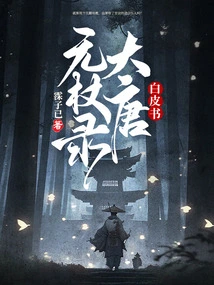
White Paper: Records of the Wu Zang of the Tang Dynasty
Ancient Romance白皮书:大唐无杖录
Ji Zi Has
[Two male protagonists, strong reasoning, except for the male protagonist who is serious about investigating the case, everyone has multiple identities] During the prosperous period of the Tang Dynasty, all nations came to the dynasty, and legends of monsters and monsters abounded. Not long after the death of the Queen, Xiao Shufei vowed to turn into a cat demon to deal with Wu Zetian. A piece of human skin as white as paper, with gorgeous peonies painted on the river, the cat demon appeared in Puzhou... He had just experienced the unjust death of his brother, and Xu Yougong joined the army before Zhaoxue, bent on overturning the case of his eldest brother. He did not believe in ghosts and gods, so when everyone could avoid the legend of the cat demon, he went to Ruchuan River on the upper reaches of the river to conduct a detailed investigation. He did not expect that the end of the human skin case would actually cause a shock in the entire court... - A clean official, an idiot, a beautiful woman with a small life, and for the common people, he voluntarily got involved in the torrent of history.
[Two male protagonists, strong reasoning, except for the male protagonist who is serious about investigating the case, everyone has multiple identities] During the prosperous period of the Tang Dynasty, all nations came to the dynasty, and legends of monsters and monsters abounded. Not long after the death of the Queen, Xiao Shufei vowed to turn into a cat demon to deal with Wu Zetian. A piece of human skin as white as paper, with gorgeous peonies painted on the river, the cat demon appeared in Puzhou... He had just experienced the unjust death of his brother, and Xu Yougong joined the army before Zhaoxue, bent on overturning the case of his eldest brother. He did not believe in ghosts and gods, so when everyone could avoid the legend of the cat demon, he went to Ruchuan River on the upper reaches of the river to conduct a detailed investigation. He did not expect that the end of the human skin case would actually cause a shock in the entire court... - A clean official, an idiot, a beautiful woman with a small life, and for the common people, he voluntarily got involved in the torrent of history.