Library
Browse and search books
25 novels found
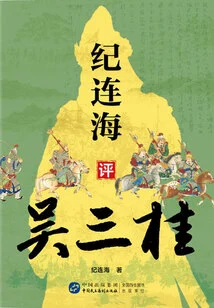
纪连海评吴三桂
Ji Lianhai
This book is based on solid historical materials, combined with the turbulent background of the late Ming and early Qing dynasties, and provides an in-depth analysis of Wu Sangui's complicated life trajectory from a famous border guard general to surrendering to the Qing Dynasty and leading troops, and finally establishing himself as emperor. Through cross-comparison of historical materials such as memorials, letters, and archives from the Ming and Qing Dynasties, the author carefully interprets the motivations and dilemmas behind Wu Sangui's every major decision, trying to break away from the narrative convention of "loyalty and traitor dualism" and restore a multi-faceted image struggling between power, family survival, and the tide of the times. The book not only reveals Wu Sangui's psychological game when he was guarding Shanhaiguan, but also shows the inevitability of Wu Sangui gradually falling into a political whirlpool after attracting Qing troops into the Shanhaiguan. It also provides an objective analysis of his ambivalent mentality of coexistence of ambition and helplessness during the "San Francisco Rebellion". Through this typical case, readers can not only get a glimpse of the difficult choices made by military generals at the crossroads of history during the revolution between the Ming and Qing dynasties, but also gain a deep understanding of the tragedy of the intertwining of personal destiny and changes in the country and the country in troubled times.
This book is based on solid historical materials, combined with the turbulent background of the late Ming and early Qing dynasties, and provides an in-depth analysis of Wu Sangui's complicated life trajectory from a famous border guard general to surrendering to the Qing Dynasty and leading troops, and finally establishing himself as emperor. Through cross-comparison of historical materials such as memorials, letters, and archives from the Ming and Qing Dynasties, the author carefully interprets the motivations and dilemmas behind Wu Sangui's every major decision, trying to break away from the narrative convention of "loyalty and traitor dualism" and restore a multi-faceted image struggling between power, family survival, and the tide of the times. The book not only reveals Wu Sangui's psychological game when he was guarding Shanhaiguan, but also shows the inevitability of Wu Sangui gradually falling into a political whirlpool after attracting Qing troops into the Shanhaiguan. It also provides an objective analysis of his ambivalent mentality of coexistence of ambition and helplessness during the "San Francisco Rebellion". Through this typical case, readers can not only get a glimpse of the difficult choices made by military generals at the crossroads of history during the revolution between the Ming and Qing dynasties, but also gain a deep understanding of the tragedy of the intertwining of personal destiny and changes in the country and the country in troubled times.
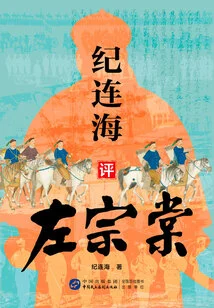
纪连海评左宗棠
Ji Lianhai
This book comprehensively analyzes Zuo Zongtang's legendary life from an ordinary peasant boy to an important minister of the country in a simple and profound way. It not only introduces in detail Zuo Zongtang's outstanding contributions in military, political, diplomatic and other aspects, such as his achievements in pacifying the Taiping Heavenly Kingdom and recovering Xinjiang, but also deeply discusses his unique personality. In addition, through a large number of historical materials and vivid narratives, the author demonstrates Zuo Zongtang's firm belief and indomitable spirit in the face of national crisis, as well as his wisdom and courage in handling national affairs. This book not only provides readers with an opportunity to fully understand Zuo Zongtang's life story, but also provides a valuable perspective for us to understand the historical changes in Chinese society during the late Qing Dynasty.
This book comprehensively analyzes Zuo Zongtang's legendary life from an ordinary peasant boy to an important minister of the country in a simple and profound way. It not only introduces in detail Zuo Zongtang's outstanding contributions in military, political, diplomatic and other aspects, such as his achievements in pacifying the Taiping Heavenly Kingdom and recovering Xinjiang, but also deeply discusses his unique personality. In addition, through a large number of historical materials and vivid narratives, the author demonstrates Zuo Zongtang's firm belief and indomitable spirit in the face of national crisis, as well as his wisdom and courage in handling national affairs. This book not only provides readers with an opportunity to fully understand Zuo Zongtang's life story, but also provides a valuable perspective for us to understand the historical changes in Chinese society during the late Qing Dynasty.
纪连海评点三国志(全2册)
Ji Lianhai
The Three Kingdoms was a fascinating era of turbulent times, vast seas, and numerous heroes. Countless heroes showed their talents there and dominated the situation. It can be said that the country is picturesque and there are so many heroes at one time. "Three Kingdoms" is a historical masterpiece written by the famous Chinese historian Chen Shou. It records the history of the three kingdoms of Wei, Shu and Wu from the first year of Emperor Wen of Wei (220) to the first year of Emperor Wu of Jin (280). It is called the "First Four Histories" together with "Historical Records", "Hanshu" and "Later Hanshu". From Cao Cao, Liu Bei, Sun Quan, to Zhuge Liang, Guan Yu, Zhou Yu, from the chronicles of the emperors to the biographies of the ministers, there is the legend of the young prodigal Cao Cao who became a tycoon in troubled times, the fateful journey of the genius Cao Zhi, the loyalty of the dedicated man, and the success of the treacherous changer... The 48 chapters not only tell the characters of nearly 100 figures from the Three Kingdoms, but also the rules of success, the art of being a person, and the methods of doing things.
The Three Kingdoms was a fascinating era of turbulent times, vast seas, and numerous heroes. Countless heroes showed their talents there and dominated the situation. It can be said that the country is picturesque and there are so many heroes at one time. "Three Kingdoms" is a historical masterpiece written by the famous Chinese historian Chen Shou. It records the history of the three kingdoms of Wei, Shu and Wu from the first year of Emperor Wen of Wei (220) to the first year of Emperor Wu of Jin (280). It is called the "First Four Histories" together with "Historical Records", "Hanshu" and "Later Hanshu". From Cao Cao, Liu Bei, Sun Quan, to Zhuge Liang, Guan Yu, Zhou Yu, from the chronicles of the emperors to the biographies of the ministers, there is the legend of the young prodigal Cao Cao who became a tycoon in troubled times, the fateful journey of the genius Cao Zhi, the loyalty of the dedicated man, and the success of the treacherous changer... The 48 chapters not only tell the characters of nearly 100 figures from the Three Kingdoms, but also the rules of success, the art of being a person, and the methods of doing things.
纪连海评点后汉书(全2册)
Ji Lianhai
"Book of the Later Han" was compiled by Fan Ye, a famous historian during the Liu and Song Dynasties in the Southern Dynasty. It is also known as the "First Four Histories" along with "Historical Records", "Han Shu" and "Three Kingdoms". The historical events recorded in it begin with Liu Xiu's rebellion and end with Emperor Xian of the Han Dynasty ascending to the Zen throne, covering the 195-year history of the rise and fall of the Eastern Han Dynasty. This book contains 10 volumes of this chronicle, commenting on more than 20 figures including Emperor Guangwu, Emperor Xiaoming, Emperor Xiaozhang, Empress Dou, Empress Yin, and Empress Liang. There are 53 volumes of biographies, commenting on more than 90 figures including Liu Xuan, Lu Fang, Wei Qi, Gongsun Shu, Dou Rong, Ma Yuan, Ban Chao, Ban Gu, Zhang Heng, Dong Zhuo, Hua Tuo, etc.
"Book of the Later Han" was compiled by Fan Ye, a famous historian during the Liu and Song Dynasties in the Southern Dynasty. It is also known as the "First Four Histories" along with "Historical Records", "Han Shu" and "Three Kingdoms". The historical events recorded in it begin with Liu Xiu's rebellion and end with Emperor Xian of the Han Dynasty ascending to the Zen throne, covering the 195-year history of the rise and fall of the Eastern Han Dynasty. This book contains 10 volumes of this chronicle, commenting on more than 20 figures including Emperor Guangwu, Emperor Xiaoming, Emperor Xiaozhang, Empress Dou, Empress Yin, and Empress Liang. There are 53 volumes of biographies, commenting on more than 90 figures including Liu Xuan, Lu Fang, Wei Qi, Gongsun Shu, Dou Rong, Ma Yuan, Ban Chao, Ban Gu, Zhang Heng, Dong Zhuo, Hua Tuo, etc.
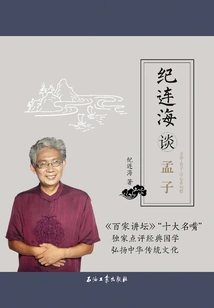
Ji Lianhai Talks About Mencius: Chapters of Ten Thousand Chapters, Gaozi, and Dedicated Chapters
Literature纪连海谈孟子:万章·告子·尽心章句篇
Ji Lianhai
China has a history of five thousand years, which is long and long. In the long history, the Chinese nation has used labor and wisdom to create a splendid civilization and accumulated a unique and charming culture. Culture is the symbol of a nation, and it is also the soul of a nation. Chinese culture is the thinking, exploration and summary of nature, life and society by countless ancient sages, romantic figures and people with lofty ideals. It is the source of wisdom and spiritual support for people of all ethnic groups in our country. It is the dignity and symbol of the Chinese nation, and it is also the image of the Chinese nation standing among the nations of the world. In order to allow more readers to benefit from the tradition, we specially invited Ji Lianhai, the famous lecturer of CCTV's "Hundred Schools Forum", to edit this series of "Famous Masters Talking about Chinese Classics", which mainly includes seven major themes and fifteen volumes: "Ji Lianhai Talks about Confucius", "Ji Lianhai Talks about Tao Te Ching", "Ji Lianhai Talks about the Internal Classics of the Yellow Emperor", "Ji Lianhai talks about Sun Tzu's Art of War", "Ji Lianhai talks about Thirty-Six Strategies", "Ji Lianhai talks about Mencius" and "Ji Lianhai talks about Zhuangzi". These classic works highly condense the essence of five thousand years of Chinese civilization and contain the great ideas and great wisdom for the survival of the Chinese nation.
China has a history of five thousand years, which is long and long. In the long history, the Chinese nation has used labor and wisdom to create a splendid civilization and accumulated a unique and charming culture. Culture is the symbol of a nation, and it is also the soul of a nation. Chinese culture is the thinking, exploration and summary of nature, life and society by countless ancient sages, romantic figures and people with lofty ideals. It is the source of wisdom and spiritual support for people of all ethnic groups in our country. It is the dignity and symbol of the Chinese nation, and it is also the image of the Chinese nation standing among the nations of the world. In order to allow more readers to benefit from the tradition, we specially invited Ji Lianhai, the famous lecturer of CCTV's "Hundred Schools Forum", to edit this series of "Famous Masters Talking about Chinese Classics", which mainly includes seven major themes and fifteen volumes: "Ji Lianhai Talks about Confucius", "Ji Lianhai Talks about Tao Te Ching", "Ji Lianhai Talks about the Internal Classics of the Yellow Emperor", "Ji Lianhai talks about Sun Tzu's Art of War", "Ji Lianhai talks about Thirty-Six Strategies", "Ji Lianhai talks about Mencius" and "Ji Lianhai talks about Zhuangzi". These classic works highly condense the essence of five thousand years of Chinese civilization and contain the great ideas and great wisdom for the survival of the Chinese nation.
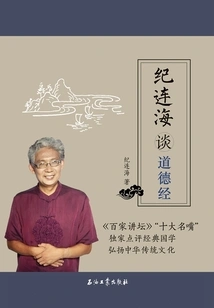
Ji Lianhai Talks About Tao Te Ching
Literature纪连海谈道德经
Ji Lianhai
China has a history of five thousand years, which is long and long. In the long history, the Chinese nation has used labor and wisdom to create a splendid civilization and accumulated a unique and charming culture. Culture is the symbol of a nation, and it is also the soul of a nation. Chinese culture is the thinking, exploration and summary of nature, life and society by countless ancient sages, romantic figures and people with lofty ideals. It is the source of wisdom and spiritual support for people of all ethnic groups in our country. It is the dignity and symbol of the Chinese nation, and it is also the image of the Chinese nation standing among the nations of the world.
China has a history of five thousand years, which is long and long. In the long history, the Chinese nation has used labor and wisdom to create a splendid civilization and accumulated a unique and charming culture. Culture is the symbol of a nation, and it is also the soul of a nation. Chinese culture is the thinking, exploration and summary of nature, life and society by countless ancient sages, romantic figures and people with lofty ideals. It is the source of wisdom and spiritual support for people of all ethnic groups in our country. It is the dignity and symbol of the Chinese nation, and it is also the image of the Chinese nation standing among the nations of the world.
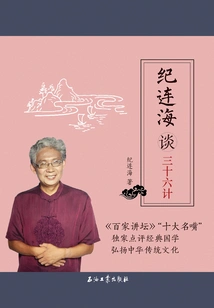
纪连海谈三十六计
Ji Lianhai
China has a history of five thousand years, which is long and long. In the long history, the Chinese nation has used labor and wisdom to create a splendid civilization and accumulated a unique and charming culture. Culture is the symbol of a nation, and it is also the soul of a nation. Chinese culture is the thinking, exploration and summary of nature, life and society by countless ancient sages, romantic figures and people with lofty ideals. It is the source of wisdom and spiritual support for people of all ethnic groups in our country. It is the dignity and symbol of the Chinese nation, and it is also the image of the Chinese nation standing among the nations of the world. In order to allow more readers to benefit from the tradition, we specially invited Ji Lianhai, the famous lecturer of CCTV's "Hundred Schools Forum", to edit this series of "Famous Masters Talking about Chinese Classics", which mainly includes seven major themes and fifteen volumes: "Ji Lianhai Talks about Confucius", "Ji Lianhai Talks about Tao Te Ching", "Ji Lianhai Talks about the Internal Classics of the Yellow Emperor", "Ji Lianhai talks about Sun Tzu's Art of War", "Ji Lianhai talks about Thirty-Six Strategies", "Ji Lianhai talks about Mencius" and "Ji Lianhai talks about Zhuangzi". These classic works highly condense the essence of five thousand years of Chinese civilization and contain the great ideas and great wisdom for the survival of the Chinese nation.
China has a history of five thousand years, which is long and long. In the long history, the Chinese nation has used labor and wisdom to create a splendid civilization and accumulated a unique and charming culture. Culture is the symbol of a nation, and it is also the soul of a nation. Chinese culture is the thinking, exploration and summary of nature, life and society by countless ancient sages, romantic figures and people with lofty ideals. It is the source of wisdom and spiritual support for people of all ethnic groups in our country. It is the dignity and symbol of the Chinese nation, and it is also the image of the Chinese nation standing among the nations of the world. In order to allow more readers to benefit from the tradition, we specially invited Ji Lianhai, the famous lecturer of CCTV's "Hundred Schools Forum", to edit this series of "Famous Masters Talking about Chinese Classics", which mainly includes seven major themes and fifteen volumes: "Ji Lianhai Talks about Confucius", "Ji Lianhai Talks about Tao Te Ching", "Ji Lianhai Talks about the Internal Classics of the Yellow Emperor", "Ji Lianhai talks about Sun Tzu's Art of War", "Ji Lianhai talks about Thirty-Six Strategies", "Ji Lianhai talks about Mencius" and "Ji Lianhai talks about Zhuangzi". These classic works highly condense the essence of five thousand years of Chinese civilization and contain the great ideas and great wisdom for the survival of the Chinese nation.
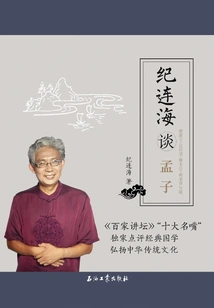
Ji Lianhai Talks About Mencius: King Hui of Liang Gongsun Chou Teng Wengong Li Lou Chapters
Literature纪连海谈孟子:梁惠王·公孙丑·滕文公·离娄章句篇
Ji Lianhai
China has a history of five thousand years, which is long and long. In the long history, the Chinese nation has used labor and wisdom to create a splendid civilization and accumulated a unique and charming culture. Culture is the symbol of a nation, and it is also the soul of a nation. Chinese culture is the thinking, exploration and summary of nature, life and society by countless ancient sages, romantic figures and people with lofty ideals. It is the source of wisdom and spiritual support for people of all ethnic groups in our country. It is the dignity and symbol of the Chinese nation, and it is also the image of the Chinese nation standing among the nations of the world. In order to allow more readers to benefit from the tradition, we specially invited Ji Lianhai, the famous lecturer of CCTV's "Hundred Schools Forum", to edit this series of "Famous Masters Talking about Chinese Classics", which mainly includes seven major themes and fifteen volumes: "Ji Lianhai Talks about Confucius", "Ji Lianhai Talks about Tao Te Ching", "Ji Lianhai Talks about the Internal Classics of the Yellow Emperor", "Ji Lianhai talks about Sun Tzu's Art of War", "Ji Lianhai talks about Thirty-Six Strategies", "Ji Lianhai talks about Mencius" and "Ji Lianhai talks about Zhuangzi". These classic works highly condense the essence of five thousand years of Chinese civilization and contain the great ideas and great wisdom for the survival of the Chinese nation.
China has a history of five thousand years, which is long and long. In the long history, the Chinese nation has used labor and wisdom to create a splendid civilization and accumulated a unique and charming culture. Culture is the symbol of a nation, and it is also the soul of a nation. Chinese culture is the thinking, exploration and summary of nature, life and society by countless ancient sages, romantic figures and people with lofty ideals. It is the source of wisdom and spiritual support for people of all ethnic groups in our country. It is the dignity and symbol of the Chinese nation, and it is also the image of the Chinese nation standing among the nations of the world. In order to allow more readers to benefit from the tradition, we specially invited Ji Lianhai, the famous lecturer of CCTV's "Hundred Schools Forum", to edit this series of "Famous Masters Talking about Chinese Classics", which mainly includes seven major themes and fifteen volumes: "Ji Lianhai Talks about Confucius", "Ji Lianhai Talks about Tao Te Ching", "Ji Lianhai Talks about the Internal Classics of the Yellow Emperor", "Ji Lianhai talks about Sun Tzu's Art of War", "Ji Lianhai talks about Thirty-Six Strategies", "Ji Lianhai talks about Mencius" and "Ji Lianhai talks about Zhuangzi". These classic works highly condense the essence of five thousand years of Chinese civilization and contain the great ideas and great wisdom for the survival of the Chinese nation.
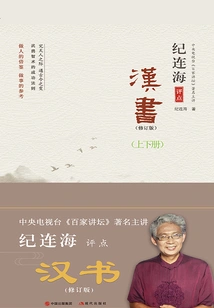
纪连海评点汉书(共2册)
Ji Lianhai
"Hanshu" was compiled by Ban Gu, a historian from the Eastern Han Dynasty in my country. It records the historical events of 230 years from the first year of Emperor Gaozu of the Han Dynasty (206 BC) in the Western Han Dynasty to the fourth year of Emperor Wangmang of the New Dynasty (23 AD). "Hanshu", "Three Kingdoms", "Historical Records" and "Houhanshu" are collectively called the "First Four Histories". This book selects 10 "Ji" chapters from the 120 volumes of "Hanshu" and comments on Liu Bang, Liu Ying, Lu Pheasant, Liu Gong, Liu Hong, Liu Heng, Liu Qi, Liu Che, Liu Fuling, Liu Xun, Liu Xi, and Liu Ao, a total of 1 2 characters; selected 41 "biographies" and commented on a total of 131 characters including Chen Sheng, Han Xin, Ji Bu, Xiao He, Zhang Liang, Jia Yi, Li Guang, Sima Xiangru, Sima Qian, Dongfang Shuo, Yang Xiong, Wang Mang, etc.
"Hanshu" was compiled by Ban Gu, a historian from the Eastern Han Dynasty in my country. It records the historical events of 230 years from the first year of Emperor Gaozu of the Han Dynasty (206 BC) in the Western Han Dynasty to the fourth year of Emperor Wangmang of the New Dynasty (23 AD). "Hanshu", "Three Kingdoms", "Historical Records" and "Houhanshu" are collectively called the "First Four Histories". This book selects 10 "Ji" chapters from the 120 volumes of "Hanshu" and comments on Liu Bang, Liu Ying, Lu Pheasant, Liu Gong, Liu Hong, Liu Heng, Liu Qi, Liu Che, Liu Fuling, Liu Xun, Liu Xi, and Liu Ao, a total of 1 2 characters; selected 41 "biographies" and commented on a total of 131 characters including Chen Sheng, Han Xin, Ji Bu, Xiao He, Zhang Liang, Jia Yi, Li Guang, Sima Xiangru, Sima Qian, Dongfang Shuo, Yang Xiong, Wang Mang, etc.
纪连海谈论语:子罕·乡党·先进·颜渊篇
Ji Lianhai
China has a history of five thousand years, which is long and long. In the long history, the Chinese nation has used labor and wisdom to create a splendid civilization and accumulated a unique and charming culture. Culture is the symbol of a nation, and it is also the soul of a nation.
China has a history of five thousand years, which is long and long. In the long history, the Chinese nation has used labor and wisdom to create a splendid civilization and accumulated a unique and charming culture. Culture is the symbol of a nation, and it is also the soul of a nation.
纪连海谈庄子:外篇
Ji Lianhai
China has a history of five thousand years, which is long and long. In the long history, the Chinese nation has used labor and wisdom to create a splendid civilization and accumulated a unique and charming culture. Culture is the symbol of a nation, and it is also the soul of a nation. Chinese culture is the thinking, exploration and summary of nature, life and society by countless ancient sages, romantic figures and people with lofty ideals. It is the source of wisdom and spiritual support for people of all ethnic groups in our country. It is the dignity and symbol of the Chinese nation, and it is also the image of the Chinese nation standing among the nations of the world. In order to allow more readers to benefit from the tradition, we specially invited Ji Lianhai, the famous lecturer of CCTV's "Hundred Schools Forum", to edit this series of "Famous Masters Talking about Chinese Classics", which mainly includes seven major themes and fifteen volumes: "Ji Lianhai Talks about Confucius", "Ji Lianhai Talks about Tao Te Ching", "Ji Lianhai Talks about the Internal Classics of the Yellow Emperor", "Ji Lianhai talks about Sun Tzu's Art of War", "Ji Lianhai talks about Thirty-Six Strategies", "Ji Lianhai talks about Mencius" and "Ji Lianhai talks about Zhuangzi". These classic works highly condense the essence of five thousand years of Chinese civilization and contain the great ideas and great wisdom for the survival of the Chinese nation.
China has a history of five thousand years, which is long and long. In the long history, the Chinese nation has used labor and wisdom to create a splendid civilization and accumulated a unique and charming culture. Culture is the symbol of a nation, and it is also the soul of a nation. Chinese culture is the thinking, exploration and summary of nature, life and society by countless ancient sages, romantic figures and people with lofty ideals. It is the source of wisdom and spiritual support for people of all ethnic groups in our country. It is the dignity and symbol of the Chinese nation, and it is also the image of the Chinese nation standing among the nations of the world. In order to allow more readers to benefit from the tradition, we specially invited Ji Lianhai, the famous lecturer of CCTV's "Hundred Schools Forum", to edit this series of "Famous Masters Talking about Chinese Classics", which mainly includes seven major themes and fifteen volumes: "Ji Lianhai Talks about Confucius", "Ji Lianhai Talks about Tao Te Ching", "Ji Lianhai Talks about the Internal Classics of the Yellow Emperor", "Ji Lianhai talks about Sun Tzu's Art of War", "Ji Lianhai talks about Thirty-Six Strategies", "Ji Lianhai talks about Mencius" and "Ji Lianhai talks about Zhuangzi". These classic works highly condense the essence of five thousand years of Chinese civilization and contain the great ideas and great wisdom for the survival of the Chinese nation.
纪连海谈论语:学而·为政·八佾·里仁篇
Ji Lianhai
China has a history of five thousand years, which is long and long. In the long history, the Chinese nation has used labor and wisdom to create a splendid civilization and accumulated a unique and charming culture. Culture is the symbol of a nation, and it is also the soul of a nation. Chinese culture is the thinking, exploration and summary of nature, life and society by countless ancient sages, romantic figures and people with lofty ideals. It is the source of wisdom and spiritual support for people of all ethnic groups in our country. It is the dignity and symbol of the Chinese nation, and it is also the image of the Chinese nation standing among the nations of the world. In order to allow more readers to benefit from the tradition, we specially invited Ji Lianhai, the famous lecturer of CCTV's "Hundred Schools Forum", to edit this series of "Famous Masters Talking about Chinese Classics", which mainly includes seven major themes and fifteen volumes: "Ji Lianhai Talks about Confucius", "Ji Lianhai Talks about Tao Te Ching", "Ji Lianhai Talks about the Internal Classics of the Yellow Emperor", "Ji Lianhai talks about Sun Tzu's Art of War", "Ji Lianhai talks about Thirty-Six Strategies", "Ji Lianhai talks about Mencius" and "Ji Lianhai talks about Zhuangzi". These classic works highly condense the essence of five thousand years of Chinese civilization and contain the great ideas and great wisdom for the survival of the Chinese nation.
China has a history of five thousand years, which is long and long. In the long history, the Chinese nation has used labor and wisdom to create a splendid civilization and accumulated a unique and charming culture. Culture is the symbol of a nation, and it is also the soul of a nation. Chinese culture is the thinking, exploration and summary of nature, life and society by countless ancient sages, romantic figures and people with lofty ideals. It is the source of wisdom and spiritual support for people of all ethnic groups in our country. It is the dignity and symbol of the Chinese nation, and it is also the image of the Chinese nation standing among the nations of the world. In order to allow more readers to benefit from the tradition, we specially invited Ji Lianhai, the famous lecturer of CCTV's "Hundred Schools Forum", to edit this series of "Famous Masters Talking about Chinese Classics", which mainly includes seven major themes and fifteen volumes: "Ji Lianhai Talks about Confucius", "Ji Lianhai Talks about Tao Te Ching", "Ji Lianhai Talks about the Internal Classics of the Yellow Emperor", "Ji Lianhai talks about Sun Tzu's Art of War", "Ji Lianhai talks about Thirty-Six Strategies", "Ji Lianhai talks about Mencius" and "Ji Lianhai talks about Zhuangzi". These classic works highly condense the essence of five thousand years of Chinese civilization and contain the great ideas and great wisdom for the survival of the Chinese nation.
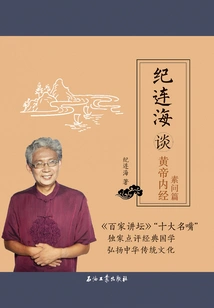
纪连海谈黄帝内经:素问篇
Ji Lianhai
China has a history of five thousand years, which is long and long. In the long history, the Chinese nation has used labor and wisdom to create a splendid civilization and accumulated a unique and charming culture. Culture is the symbol of a nation, and it is also the soul of a nation. Chinese culture is the thinking, exploration and summary of nature, life and society by countless ancient sages, romantic figures and people with lofty ideals. It is the source of wisdom and spiritual support for people of all ethnic groups in our country. It is the dignity and symbol of the Chinese nation, and it is also the image of the Chinese nation standing among the nations of the world. In order to allow more readers to benefit from the tradition, we specially invited Ji Lianhai, the famous lecturer of CCTV's "Hundred Schools Forum", to edit this series of "Famous Masters Talking about Chinese Classics", which mainly includes seven major themes and fifteen volumes: "Ji Lianhai Talks about Confucius", "Ji Lianhai Talks about Tao Te Ching", "Ji Lianhai Talks about the Internal Classics of the Yellow Emperor", "Ji Lianhai talks about Sun Tzu's Art of War", "Ji Lianhai talks about Thirty-Six Strategies", "Ji Lianhai talks about Mencius" and "Ji Lianhai talks about Zhuangzi". These classic works highly condense the essence of five thousand years of Chinese civilization and contain the great ideas and great wisdom for the survival of the Chinese nation.
China has a history of five thousand years, which is long and long. In the long history, the Chinese nation has used labor and wisdom to create a splendid civilization and accumulated a unique and charming culture. Culture is the symbol of a nation, and it is also the soul of a nation. Chinese culture is the thinking, exploration and summary of nature, life and society by countless ancient sages, romantic figures and people with lofty ideals. It is the source of wisdom and spiritual support for people of all ethnic groups in our country. It is the dignity and symbol of the Chinese nation, and it is also the image of the Chinese nation standing among the nations of the world. In order to allow more readers to benefit from the tradition, we specially invited Ji Lianhai, the famous lecturer of CCTV's "Hundred Schools Forum", to edit this series of "Famous Masters Talking about Chinese Classics", which mainly includes seven major themes and fifteen volumes: "Ji Lianhai Talks about Confucius", "Ji Lianhai Talks about Tao Te Ching", "Ji Lianhai Talks about the Internal Classics of the Yellow Emperor", "Ji Lianhai talks about Sun Tzu's Art of War", "Ji Lianhai talks about Thirty-Six Strategies", "Ji Lianhai talks about Mencius" and "Ji Lianhai talks about Zhuangzi". These classic works highly condense the essence of five thousand years of Chinese civilization and contain the great ideas and great wisdom for the survival of the Chinese nation.
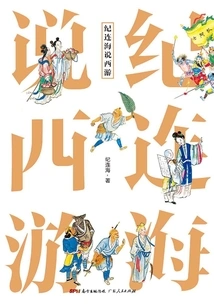
纪连海说西游
Ji Lianhai
Ji Lianhai, a famous teacher in Baijia Forum, has gone deep into literary classics with a profound perspective on history, studied mythology and stories with a rigorous and pragmatic academic attitude, and analyzed the classic "Journey to the West" in detail and humorously.
Ji Lianhai, a famous teacher in Baijia Forum, has gone deep into literary classics with a profound perspective on history, studied mythology and stories with a rigorous and pragmatic academic attitude, and analyzed the classic "Journey to the West" in detail and humorously.
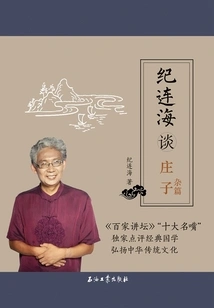
纪连海谈庄子:杂篇
Ji Lianhai
China has a history of five thousand years, which is long and long. In the long history, the Chinese nation has used labor and wisdom to create a splendid civilization and accumulated a unique and charming culture. Culture is the symbol of a nation, and it is also the soul of a nation.
China has a history of five thousand years, which is long and long. In the long history, the Chinese nation has used labor and wisdom to create a splendid civilization and accumulated a unique and charming culture. Culture is the symbol of a nation, and it is also the soul of a nation.
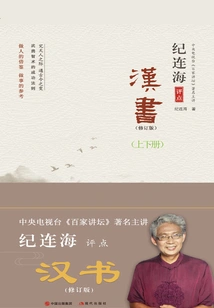
纪连海评点汉书(上下册)
Ji Lianhai
"Hanshu" was compiled by Ban Gu, a historian from the Eastern Han Dynasty in my country. It records the historical events of 230 years from the first year of Emperor Gaozu of the Han Dynasty (206 BC) in the Western Han Dynasty to the fourth year of Emperor Wangmang of the New Dynasty (23 AD). "Hanshu", "Three Kingdoms", "Historical Records" and "Houhanshu" are collectively called the "First Four Histories". This book selects 10 "Ji" chapters from the 120 volumes of "Hanshu" and comments on Liu Bang, Liu Ying, Lu Pheasant, Liu Gong, Liu Hong, Liu Heng, Liu Qi, Liu Che, Liu Fuling, Liu Xun, Liu Xi, and Liu Ao, a total of 1 2 characters; selected 41 "biographies" and commented on a total of 131 characters including Chen Sheng, Han Xin, Ji Bu, Xiao He, Zhang Liang, Jia Yi, Li Guang, Sima Xiangru, Sima Qian, Dongfang Shuo, Yang Xiong, Wang Mang, etc.
"Hanshu" was compiled by Ban Gu, a historian from the Eastern Han Dynasty in my country. It records the historical events of 230 years from the first year of Emperor Gaozu of the Han Dynasty (206 BC) in the Western Han Dynasty to the fourth year of Emperor Wangmang of the New Dynasty (23 AD). "Hanshu", "Three Kingdoms", "Historical Records" and "Houhanshu" are collectively called the "First Four Histories". This book selects 10 "Ji" chapters from the 120 volumes of "Hanshu" and comments on Liu Bang, Liu Ying, Lu Pheasant, Liu Gong, Liu Hong, Liu Heng, Liu Qi, Liu Che, Liu Fuling, Liu Xun, Liu Xi, and Liu Ao, a total of 1 2 characters; selected 41 "biographies" and commented on a total of 131 characters including Chen Sheng, Han Xin, Ji Bu, Xiao He, Zhang Liang, Jia Yi, Li Guang, Sima Xiangru, Sima Qian, Dongfang Shuo, Yang Xiong, Wang Mang, etc.
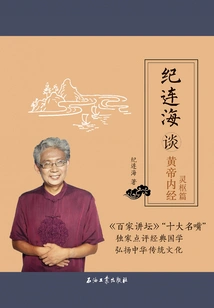
纪连海谈黄帝内经:灵枢篇
Ji Lianhai
China has a history of five thousand years, which is long and long. In the long history, the Chinese nation has used labor and wisdom to create a splendid civilization and accumulated a unique and charming culture. Culture is the symbol of a nation, and it is also the soul of a nation. Chinese culture is the thinking, exploration and summary of nature, life and society by countless ancient sages, romantic figures and people with lofty ideals. It is the source of wisdom and spiritual support for people of all ethnic groups in our country. It is the dignity and symbol of the Chinese nation, and it is also the image of the Chinese nation standing among the nations of the world. In order to allow more readers to benefit from the tradition, we specially invited Ji Lianhai, the famous lecturer of CCTV's "Hundred Schools Forum", to edit this series of "Famous Masters Talking about Chinese Classics", which mainly includes seven major themes and fifteen volumes: "Ji Lianhai Talks about Confucius", "Ji Lianhai Talks about Tao Te Ching", "Ji Lianhai Talks about the Internal Classics of the Yellow Emperor", "Ji Lianhai talks about Sun Tzu's Art of War", "Ji Lianhai talks about Thirty-Six Strategies", "Ji Lianhai talks about Mencius" and "Ji Lianhai talks about Zhuangzi". These classic works highly condense the essence of five thousand years of Chinese civilization and contain the great ideas and great wisdom for the survival of the Chinese nation.
China has a history of five thousand years, which is long and long. In the long history, the Chinese nation has used labor and wisdom to create a splendid civilization and accumulated a unique and charming culture. Culture is the symbol of a nation, and it is also the soul of a nation. Chinese culture is the thinking, exploration and summary of nature, life and society by countless ancient sages, romantic figures and people with lofty ideals. It is the source of wisdom and spiritual support for people of all ethnic groups in our country. It is the dignity and symbol of the Chinese nation, and it is also the image of the Chinese nation standing among the nations of the world. In order to allow more readers to benefit from the tradition, we specially invited Ji Lianhai, the famous lecturer of CCTV's "Hundred Schools Forum", to edit this series of "Famous Masters Talking about Chinese Classics", which mainly includes seven major themes and fifteen volumes: "Ji Lianhai Talks about Confucius", "Ji Lianhai Talks about Tao Te Ching", "Ji Lianhai Talks about the Internal Classics of the Yellow Emperor", "Ji Lianhai talks about Sun Tzu's Art of War", "Ji Lianhai talks about Thirty-Six Strategies", "Ji Lianhai talks about Mencius" and "Ji Lianhai talks about Zhuangzi". These classic works highly condense the essence of five thousand years of Chinese civilization and contain the great ideas and great wisdom for the survival of the Chinese nation.
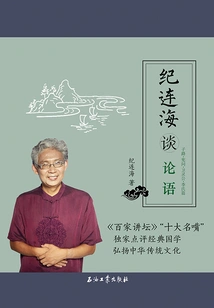
纪连海谈论语:子路·宪问·卫灵公·季氏篇
Ji Lianhai
China has a history of five thousand years, which is long and long. In the long history, the Chinese nation has used labor and wisdom to create a splendid civilization and accumulated a unique and charming culture. Culture is the symbol of a nation, and it is also the soul of a nation. Chinese culture is the thinking, exploration and summary of nature, life and society by countless ancient sages, romantic figures and people with lofty ideals. It is the source of wisdom and spiritual support for people of all ethnic groups in our country. It is the dignity and symbol of the Chinese nation, and it is also the image of the Chinese nation standing among the nations of the world. In order to allow more readers to benefit from the tradition, we specially invited Ji Lianhai, the famous lecturer of CCTV's "Hundred Schools Forum", to edit this series of "Famous Masters Talking about Chinese Classics", which mainly includes seven major themes and fifteen volumes: "Ji Lianhai Talks about Confucius", "Ji Lianhai Talks about Tao Te Ching", "Ji Lianhai Talks about the Internal Classics of the Yellow Emperor", "Ji Lianhai talks about Sun Tzu's Art of War", "Ji Lianhai talks about Thirty-Six Strategies", "Ji Lianhai talks about Mencius" and "Ji Lianhai talks about Zhuangzi". These classic works highly condense the essence of five thousand years of Chinese civilization and contain the great ideas and great wisdom for the survival of the Chinese nation.
China has a history of five thousand years, which is long and long. In the long history, the Chinese nation has used labor and wisdom to create a splendid civilization and accumulated a unique and charming culture. Culture is the symbol of a nation, and it is also the soul of a nation. Chinese culture is the thinking, exploration and summary of nature, life and society by countless ancient sages, romantic figures and people with lofty ideals. It is the source of wisdom and spiritual support for people of all ethnic groups in our country. It is the dignity and symbol of the Chinese nation, and it is also the image of the Chinese nation standing among the nations of the world. In order to allow more readers to benefit from the tradition, we specially invited Ji Lianhai, the famous lecturer of CCTV's "Hundred Schools Forum", to edit this series of "Famous Masters Talking about Chinese Classics", which mainly includes seven major themes and fifteen volumes: "Ji Lianhai Talks about Confucius", "Ji Lianhai Talks about Tao Te Ching", "Ji Lianhai Talks about the Internal Classics of the Yellow Emperor", "Ji Lianhai talks about Sun Tzu's Art of War", "Ji Lianhai talks about Thirty-Six Strategies", "Ji Lianhai talks about Mencius" and "Ji Lianhai talks about Zhuangzi". These classic works highly condense the essence of five thousand years of Chinese civilization and contain the great ideas and great wisdom for the survival of the Chinese nation.
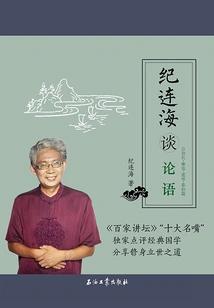
纪连海谈论语:公冶长·雍也·述而·泰伯篇
Ji Lianhai
China has a history of five thousand years, which is long and long. In the long history, the Chinese nation has used labor and wisdom to create a splendid civilization and accumulated a unique and charming culture. Culture is the symbol of a nation, and it is also the soul of a nation. Chinese culture is the thinking, exploration and summary of nature, life and society by countless ancient sages, romantic figures and people with lofty ideals. It is the source of wisdom and spiritual support for people of all ethnic groups in our country. It is the dignity and symbol of the Chinese nation, and it is also the image of the Chinese nation standing among the nations of the world. In order to allow more readers to benefit from the tradition, we specially invited Ji Lianhai, the famous lecturer of CCTV's "Hundred Schools Forum", to edit this series of "Famous Masters Talking about Chinese Classics", which mainly includes seven major themes and fifteen volumes: "Ji Lianhai Talks about Confucius", "Ji Lianhai Talks about Tao Te Ching", "Ji Lianhai Talks about the Internal Classics of the Yellow Emperor", "Ji Lianhai talks about Sun Tzu's Art of War", "Ji Lianhai talks about Thirty-Six Strategies", "Ji Lianhai talks about Mencius" and "Ji Lianhai talks about Zhuangzi". These classic works highly condense the essence of five thousand years of Chinese civilization and contain the great ideas and great wisdom for the survival of the Chinese nation.
China has a history of five thousand years, which is long and long. In the long history, the Chinese nation has used labor and wisdom to create a splendid civilization and accumulated a unique and charming culture. Culture is the symbol of a nation, and it is also the soul of a nation. Chinese culture is the thinking, exploration and summary of nature, life and society by countless ancient sages, romantic figures and people with lofty ideals. It is the source of wisdom and spiritual support for people of all ethnic groups in our country. It is the dignity and symbol of the Chinese nation, and it is also the image of the Chinese nation standing among the nations of the world. In order to allow more readers to benefit from the tradition, we specially invited Ji Lianhai, the famous lecturer of CCTV's "Hundred Schools Forum", to edit this series of "Famous Masters Talking about Chinese Classics", which mainly includes seven major themes and fifteen volumes: "Ji Lianhai Talks about Confucius", "Ji Lianhai Talks about Tao Te Ching", "Ji Lianhai Talks about the Internal Classics of the Yellow Emperor", "Ji Lianhai talks about Sun Tzu's Art of War", "Ji Lianhai talks about Thirty-Six Strategies", "Ji Lianhai talks about Mencius" and "Ji Lianhai talks about Zhuangzi". These classic works highly condense the essence of five thousand years of Chinese civilization and contain the great ideas and great wisdom for the survival of the Chinese nation.
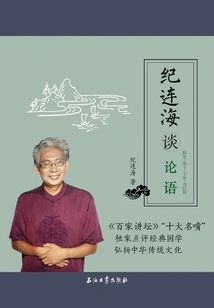
纪连海谈论语:阳货·微子·子张·尧曰篇
Ji Lianhai
China has a history of five thousand years, which is long and long. In the long history, the Chinese nation has used labor and wisdom to create a splendid civilization and accumulated a unique and charming culture. Culture is the symbol of a nation, and it is also the soul of a nation. Chinese culture is the thinking, exploration and summary of nature, life and society by countless ancient sages, romantic figures and people with lofty ideals. It is the source of wisdom and spiritual support for people of all ethnic groups in our country. It is the dignity and symbol of the Chinese nation, and it is also the image of the Chinese nation standing among the nations of the world. In order to allow more readers to benefit from the tradition, we specially invited Ji Lianhai, the famous lecturer of CCTV's "Hundred Schools Forum", to edit this series of "Famous Masters Talking about Chinese Classics", which mainly includes seven major themes and fifteen volumes: "Ji Lianhai Talks about Confucius", "Ji Lianhai Talks about Tao Te Ching", "Ji Lianhai Talks about the Internal Classics of the Yellow Emperor", "Ji Lianhai talks about Sun Tzu's Art of War", "Ji Lianhai talks about Thirty-Six Strategies", "Ji Lianhai talks about Mencius" and "Ji Lianhai talks about Zhuangzi". These classic works highly condense the essence of five thousand years of Chinese civilization and contain the great ideas and great wisdom for the survival of the Chinese nation.
China has a history of five thousand years, which is long and long. In the long history, the Chinese nation has used labor and wisdom to create a splendid civilization and accumulated a unique and charming culture. Culture is the symbol of a nation, and it is also the soul of a nation. Chinese culture is the thinking, exploration and summary of nature, life and society by countless ancient sages, romantic figures and people with lofty ideals. It is the source of wisdom and spiritual support for people of all ethnic groups in our country. It is the dignity and symbol of the Chinese nation, and it is also the image of the Chinese nation standing among the nations of the world. In order to allow more readers to benefit from the tradition, we specially invited Ji Lianhai, the famous lecturer of CCTV's "Hundred Schools Forum", to edit this series of "Famous Masters Talking about Chinese Classics", which mainly includes seven major themes and fifteen volumes: "Ji Lianhai Talks about Confucius", "Ji Lianhai Talks about Tao Te Ching", "Ji Lianhai Talks about the Internal Classics of the Yellow Emperor", "Ji Lianhai talks about Sun Tzu's Art of War", "Ji Lianhai talks about Thirty-Six Strategies", "Ji Lianhai talks about Mencius" and "Ji Lianhai talks about Zhuangzi". These classic works highly condense the essence of five thousand years of Chinese civilization and contain the great ideas and great wisdom for the survival of the Chinese nation.
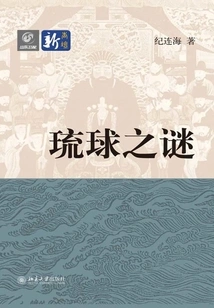
Mystery of Ryukyu
History琉球之谜
Ji Lianhai
This book has eight chapters in total, including the Mystery of Ryukyu (an overview of the history of Ryukyu), the road to tribute (the relationship between Ryukyu and China in the Ming Dynasty and the tribute system in Southeast Asia), the situation of the country's subjugation (the relationship between Ryukyu and the Qing Dynasty and the beginning and end of Ryukyu's destruction), the elegy of the last generation (the situation of Ryukyu during the Republic of China and the process by which China finally lost control over it), where is the homeland? (Analysis of Ryukyu's modern structure from several documents and treaties before and after World War II), cultural soul (Ryukyu's current situation, customs and people, and the origin of its culture and Chinese culture), contested areas (Ryukyu's maritime situation with East Asia and the competition for world political forces), and the road to restoration (the future direction of Ryukyu and the situation of the "Ryukyu Restoration Movement"). According to the historical context, it will explain clearly the beginning and end of the Ryukyu civilization and some major and minor events in international relations that occurred and unfolded around the country's history in modern times. It will integrate various perspectives of history, culture, law, and politics to think about the past and pay attention to the reality.
This book has eight chapters in total, including the Mystery of Ryukyu (an overview of the history of Ryukyu), the road to tribute (the relationship between Ryukyu and China in the Ming Dynasty and the tribute system in Southeast Asia), the situation of the country's subjugation (the relationship between Ryukyu and the Qing Dynasty and the beginning and end of Ryukyu's destruction), the elegy of the last generation (the situation of Ryukyu during the Republic of China and the process by which China finally lost control over it), where is the homeland? (Analysis of Ryukyu's modern structure from several documents and treaties before and after World War II), cultural soul (Ryukyu's current situation, customs and people, and the origin of its culture and Chinese culture), contested areas (Ryukyu's maritime situation with East Asia and the competition for world political forces), and the road to restoration (the future direction of Ryukyu and the situation of the "Ryukyu Restoration Movement"). According to the historical context, it will explain clearly the beginning and end of the Ryukyu civilization and some major and minor events in international relations that occurred and unfolded around the country's history in modern times. It will integrate various perspectives of history, culture, law, and politics to think about the past and pay attention to the reality.
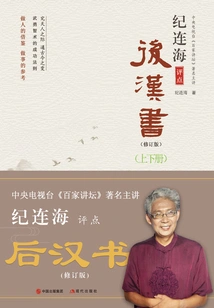
纪连海评点后汉书(上下册)
Ji Lianhai
"Book of the Later Han" was compiled by Fan Ye, a famous historian during the Liu and Song Dynasties in the Southern Dynasty. It is also known as the "First Four Histories" along with "Historical Records", "Han Shu" and "Three Kingdoms". The historical events recorded in it begin with Liu Xiu's rebellion and end with Emperor Xian of the Han Dynasty ascending to the Zen throne, covering the 195-year history of the rise and fall of the Eastern Han Dynasty. This book contains 10 volumes of this chronicle, commenting on more than 20 figures including Emperor Guangwu, Emperor Xiaoming, Emperor Xiaozhang, Empress Dou, Empress Yin, and Empress Liang. There are 53 volumes of biographies, commenting on more than 90 figures including Liu Xuan, Lu Fang, Wei Qi, Gongsun Shu, Dou Rong, Ma Yuan, Ban Chao, Ban Gu, Zhang Heng, Dong Zhuo, Hua Tuo, etc.
"Book of the Later Han" was compiled by Fan Ye, a famous historian during the Liu and Song Dynasties in the Southern Dynasty. It is also known as the "First Four Histories" along with "Historical Records", "Han Shu" and "Three Kingdoms". The historical events recorded in it begin with Liu Xiu's rebellion and end with Emperor Xian of the Han Dynasty ascending to the Zen throne, covering the 195-year history of the rise and fall of the Eastern Han Dynasty. This book contains 10 volumes of this chronicle, commenting on more than 20 figures including Emperor Guangwu, Emperor Xiaoming, Emperor Xiaozhang, Empress Dou, Empress Yin, and Empress Liang. There are 53 volumes of biographies, commenting on more than 90 figures including Liu Xuan, Lu Fang, Wei Qi, Gongsun Shu, Dou Rong, Ma Yuan, Ban Chao, Ban Gu, Zhang Heng, Dong Zhuo, Hua Tuo, etc.
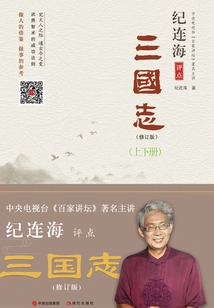
纪连海评点三国志(上下册)
Ji Lianhai
The Three Kingdoms was a fascinating era of turbulent times, vast seas, and numerous heroes. Countless heroes showed their talents there and dominated the situation. It can be said that the country is picturesque and there are so many heroes at one time. "Three Kingdoms" is a historical masterpiece written by the famous Chinese historian Chen Shou. It records the history of the three kingdoms of Wei, Shu and Wu from the first year of Emperor Wen of Wei (220) to the first year of Emperor Wu of Jin (280). It is called the "First Four Histories" together with "Historical Records", "Hanshu" and "Later Hanshu". From Cao Cao, Liu Bei, Sun Quan, to Zhuge Liang, Guan Yu, Zhou Yu, from the chronicles of the emperors to the biographies of the ministers, there is the legend of the young prodigal Cao Cao who became a hero in troubled times, the fateful journey of the genius Cao Zhi, the loyalty of the dedicated man, and the success of the treacherous changer... There are 48 chapters in total, which not only tell the characters of nearly 100 figures in the Three Kingdoms, but also the rules of success, the art of being a person and the way of doing things.
The Three Kingdoms was a fascinating era of turbulent times, vast seas, and numerous heroes. Countless heroes showed their talents there and dominated the situation. It can be said that the country is picturesque and there are so many heroes at one time. "Three Kingdoms" is a historical masterpiece written by the famous Chinese historian Chen Shou. It records the history of the three kingdoms of Wei, Shu and Wu from the first year of Emperor Wen of Wei (220) to the first year of Emperor Wu of Jin (280). It is called the "First Four Histories" together with "Historical Records", "Hanshu" and "Later Hanshu". From Cao Cao, Liu Bei, Sun Quan, to Zhuge Liang, Guan Yu, Zhou Yu, from the chronicles of the emperors to the biographies of the ministers, there is the legend of the young prodigal Cao Cao who became a hero in troubled times, the fateful journey of the genius Cao Zhi, the loyalty of the dedicated man, and the success of the treacherous changer... There are 48 chapters in total, which not only tell the characters of nearly 100 figures in the Three Kingdoms, but also the rules of success, the art of being a person and the way of doing things.
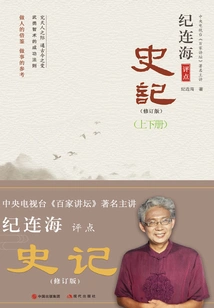
纪连海评点史记(上下册)
Ji Lianhai
"Historical Records" is a biographical general history of China. It took 18 years to write by Sima Qian during the reign of Emperor Wu of the Western Han Dynasty. It is also called the "First Four Histories" along with "Hanshu", "Later Hanshu" and "Three Kingdoms". This book contains 4 chapters of this book, commenting on the Five Emperors, Qin Shihuang, Han Gaozu, and Empress Dowager Lu. Chapter 7 of the Family, commenting on Qi Taigong, Chu Family, Yue Wang Goujian, Fan Li, Chen She, Xiao Xiangguo, and Liuhou Zhang Liang. Chapter 21 of biographies reviews more than 20 figures including Han Feizi, Waiqi, Wu Zixu, Lord Mengchang, Lord Pingyuan, Lian Po Lin Xiangru, Qu Yuan, Lu Buwei, and Huaiyin Hou Han Xin.
"Historical Records" is a biographical general history of China. It took 18 years to write by Sima Qian during the reign of Emperor Wu of the Western Han Dynasty. It is also called the "First Four Histories" along with "Hanshu", "Later Hanshu" and "Three Kingdoms". This book contains 4 chapters of this book, commenting on the Five Emperors, Qin Shihuang, Han Gaozu, and Empress Dowager Lu. Chapter 7 of the Family, commenting on Qi Taigong, Chu Family, Yue Wang Goujian, Fan Li, Chen She, Xiao Xiangguo, and Liuhou Zhang Liang. Chapter 21 of biographies reviews more than 20 figures including Han Feizi, Waiqi, Wu Zixu, Lord Mengchang, Lord Pingyuan, Lian Po Lin Xiangru, Qu Yuan, Lu Buwei, and Huaiyin Hou Han Xin.
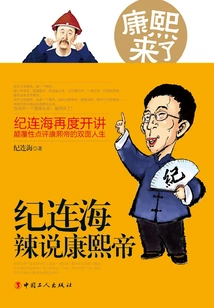
康熙来了:纪连海辣说康熙帝
Ji Lianhai
Emperor Kangxi was the longest reigning emperor among all the emperors and created the famous prosperous age of Kangxi and Qianlong in history. This book is based on historical facts. The author uses humorous language to elaborate on Emperor Kangxi's growth experience, great achievements, daily life, regrets and shortcomings, etc., Presenting readers with a full image of a thousand-year-old emperor with distinctive personality, great wisdom, courage, literary skills and military strategies. The content of the book is accurate, the writing is fluent, it is suitable for both refined and popular tastes, and it is highly readable.
Emperor Kangxi was the longest reigning emperor among all the emperors and created the famous prosperous age of Kangxi and Qianlong in history. This book is based on historical facts. The author uses humorous language to elaborate on Emperor Kangxi's growth experience, great achievements, daily life, regrets and shortcomings, etc., Presenting readers with a full image of a thousand-year-old emperor with distinctive personality, great wisdom, courage, literary skills and military strategies. The content of the book is accurate, the writing is fluent, it is suitable for both refined and popular tastes, and it is highly readable.