Library
Browse and search books
5 novels found
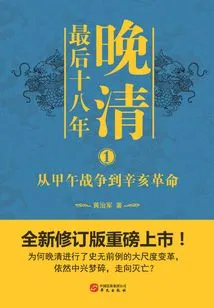
晚清最后十八年1
Huang Zhijun
This book is the first volume in a series of the same name. It begins with Yuan Shikai's deeds on the eve of the Sino-Japanese Sino-Japanese Sino-Japanese War of 1894, and ends with the failure of the Reform Movement of 1898 in October 1898, when Cixi seized power and China reached a crossroads in history. After the disastrous defeat of the Sino-Japanese War, the Westernizationist Li Hongzhang lost power, and the reformist Kang Youwei came to power. However, the attempt to strengthen the country by reform ended in a palace coup. The original intention of learning from the West unknowingly became a tool for careerists. Reform was the consensus, the biggest benefit cake of the late Qing Dynasty, and it was also the duel ground of factional politics. Whether it is the Empress Dowager Cixi, Yuan Shikai, Li Hongzhang, royalists, Manchu dignitaries, or pro-Western forces and reformists, everyone is involved and takes turns to appear. Regardless of whether they are Westernizers or reformers, conservatives or reformers, constitutionalists or revolutionaries, as long as they step into the center of power, they will without exception be transformed into a force - a vested interest group. The self-rescue reform ultimately paved the way for the changes in the late Qing Dynasty in which various forces and interest groups fought life and death and eventually perished together.
This book is the first volume in a series of the same name. It begins with Yuan Shikai's deeds on the eve of the Sino-Japanese Sino-Japanese Sino-Japanese War of 1894, and ends with the failure of the Reform Movement of 1898 in October 1898, when Cixi seized power and China reached a crossroads in history. After the disastrous defeat of the Sino-Japanese War, the Westernizationist Li Hongzhang lost power, and the reformist Kang Youwei came to power. However, the attempt to strengthen the country by reform ended in a palace coup. The original intention of learning from the West unknowingly became a tool for careerists. Reform was the consensus, the biggest benefit cake of the late Qing Dynasty, and it was also the duel ground of factional politics. Whether it is the Empress Dowager Cixi, Yuan Shikai, Li Hongzhang, royalists, Manchu dignitaries, or pro-Western forces and reformists, everyone is involved and takes turns to appear. Regardless of whether they are Westernizers or reformers, conservatives or reformers, constitutionalists or revolutionaries, as long as they step into the center of power, they will without exception be transformed into a force - a vested interest group. The self-rescue reform ultimately paved the way for the changes in the late Qing Dynasty in which various forces and interest groups fought life and death and eventually perished together.
晚清最后十八年:从甲午战争到辛亥革命(全四册)
Huang Zhijun
Reform is a consensus, the biggest benefit cake of the late Qing Dynasty, and it is also a duel ground for factional politics. Whether it is the Empress Dowager Cixi, the royalists, the Manchu dignitaries, or the pro-Western forces and the Boxer Rebellion, everyone is involved in it and takes turns to appear. In the end, the Eight-Power Allied Forces came to Beijing under the guise of protecting the embassy. The turbulent and chaotic situation of the Qing Dynasty was finally reshuffled, with some people being eliminated and others taking over. When the reform finally had to be pushed onto the fast track, the Manchu royal family and the powerful Yuan Shikai launched a desperate struggle for the leadership of the reform. With a gunshot in Wuchang City, the revolutionaries shouted exciting slogans and stepped into the center of power. A new round of intricate overt and covert struggles between Yuan Shikai, Song Jiaoren and Sun Yat-sen kicked off... Behind the seemingly absurd and strange historical events, there is an extremely clear choice of interests and power game.
Reform is a consensus, the biggest benefit cake of the late Qing Dynasty, and it is also a duel ground for factional politics. Whether it is the Empress Dowager Cixi, the royalists, the Manchu dignitaries, or the pro-Western forces and the Boxer Rebellion, everyone is involved in it and takes turns to appear. In the end, the Eight-Power Allied Forces came to Beijing under the guise of protecting the embassy. The turbulent and chaotic situation of the Qing Dynasty was finally reshuffled, with some people being eliminated and others taking over. When the reform finally had to be pushed onto the fast track, the Manchu royal family and the powerful Yuan Shikai launched a desperate struggle for the leadership of the reform. With a gunshot in Wuchang City, the revolutionaries shouted exciting slogans and stepped into the center of power. A new round of intricate overt and covert struggles between Yuan Shikai, Song Jiaoren and Sun Yat-sen kicked off... Behind the seemingly absurd and strange historical events, there is an extremely clear choice of interests and power game.
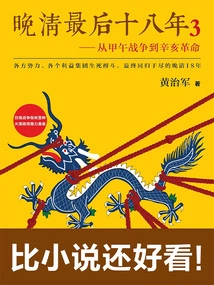
晚清最后十八年3:从甲午战争到辛亥革命
Huang Zhijun
Better than the novel! The Russo-Japanese War sounded the alarm, and there were many obstacles to the political reform of the Qing Dynasty! From the Sino-Japanese War of 1891 to the Revolution of 1911, various forces and interest groups fought life and death and finally perished together in the 18 years of the late Qing Dynasty. A Russo-Japanese War that took place in China completely stung the numb nerves of the late Qing Dynasty. Reform finally had to be pushed onto the fast track. The Manchu royal family and the powerful Yuan Shikai launched a desperate struggle for the leadership of reform. Regardless of whether they are Westernizers or reformers, conservatives or reformers, constitutionalists or revolutionaries, as long as they step into the center of power, they will without exception transform into a force - a vested interest group. Open this book and understand why the Reform Movement of 1898 turned into a coup of 1898, why Cixi bombarded the embassy first and then massacred the Boxers, why Yuan Shikai was both the promoter of reform and the key to the fall of the Qing Dynasty... See through the extremely clear logic of power behind the layers of strange historical fog.
Better than the novel! The Russo-Japanese War sounded the alarm, and there were many obstacles to the political reform of the Qing Dynasty! From the Sino-Japanese War of 1891 to the Revolution of 1911, various forces and interest groups fought life and death and finally perished together in the 18 years of the late Qing Dynasty. A Russo-Japanese War that took place in China completely stung the numb nerves of the late Qing Dynasty. Reform finally had to be pushed onto the fast track. The Manchu royal family and the powerful Yuan Shikai launched a desperate struggle for the leadership of reform. Regardless of whether they are Westernizers or reformers, conservatives or reformers, constitutionalists or revolutionaries, as long as they step into the center of power, they will without exception transform into a force - a vested interest group. Open this book and understand why the Reform Movement of 1898 turned into a coup of 1898, why Cixi bombarded the embassy first and then massacred the Boxers, why Yuan Shikai was both the promoter of reform and the key to the fall of the Qing Dynasty... See through the extremely clear logic of power behind the layers of strange historical fog.
晚清最后十八年(全4册)
Huang Zhijun
Reform is a consensus, the biggest benefit cake of the late Qing Dynasty, and it is also a duel ground for factional politics. Whether it is the Empress Dowager Cixi, the royalists, the Manchu dignitaries, or the pro-Western forces and the Boxer Rebellion, everyone is involved in it and takes turns to appear. In the end, the Eight-Power Allied Forces came to Beijing under the guise of protecting the embassy. The turbulent and chaotic situation of the Qing Dynasty was finally reshuffled, with some people being eliminated and others taking over. When the reform finally had to be pushed onto the fast track, the Manchu royal family and the powerful Yuan Shikai launched a desperate struggle for the leadership of the reform. With a gunshot in Wuchang City, the revolutionaries shouted exciting slogans and stepped into the center of power. A new round of intricate overt and covert struggles between Yuan Shikai, Song Jiaoren and Sun Yat-sen kicked off... Behind the seemingly absurd and strange historical events, there is an extremely clear choice of interests and power game.
Reform is a consensus, the biggest benefit cake of the late Qing Dynasty, and it is also a duel ground for factional politics. Whether it is the Empress Dowager Cixi, the royalists, the Manchu dignitaries, or the pro-Western forces and the Boxer Rebellion, everyone is involved in it and takes turns to appear. In the end, the Eight-Power Allied Forces came to Beijing under the guise of protecting the embassy. The turbulent and chaotic situation of the Qing Dynasty was finally reshuffled, with some people being eliminated and others taking over. When the reform finally had to be pushed onto the fast track, the Manchu royal family and the powerful Yuan Shikai launched a desperate struggle for the leadership of the reform. With a gunshot in Wuchang City, the revolutionaries shouted exciting slogans and stepped into the center of power. A new round of intricate overt and covert struggles between Yuan Shikai, Song Jiaoren and Sun Yat-sen kicked off... Behind the seemingly absurd and strange historical events, there is an extremely clear choice of interests and power game.
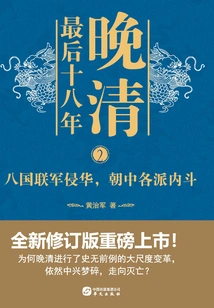
晚清最后十八年2
Huang Zhijun
After the disastrous defeat of the Sino-Japanese War, the Westernizationist Li Hongzhang lost power, and the reformist Kang Youwei came to power. However, the reform effort ended in a palace coup, and the original intention of learning from the West unknowingly became a tool for careerists. Reform is the consensus, the biggest profit cake of the late Qing Dynasty, and a duel ground for factional politics. Whether it is the Empress Dowager Cixi, the royalists, the Manchu dignitaries, or the pro-Western forces and the Boxers, everyone is involved in it and takes turns to appear. In the end, the Eight-Power Allied Forces came to Beijing under the guise of protecting the embassy. The turbulent and chaotic situation of the Qing Dynasty was finally reshuffled, with some people being eliminated and others taking over.
After the disastrous defeat of the Sino-Japanese War, the Westernizationist Li Hongzhang lost power, and the reformist Kang Youwei came to power. However, the reform effort ended in a palace coup, and the original intention of learning from the West unknowingly became a tool for careerists. Reform is the consensus, the biggest profit cake of the late Qing Dynasty, and a duel ground for factional politics. Whether it is the Empress Dowager Cixi, the royalists, the Manchu dignitaries, or the pro-Western forces and the Boxers, everyone is involved in it and takes turns to appear. In the end, the Eight-Power Allied Forces came to Beijing under the guise of protecting the embassy. The turbulent and chaotic situation of the Qing Dynasty was finally reshuffled, with some people being eliminated and others taking over.