Library
Browse and search novels
1 novel found
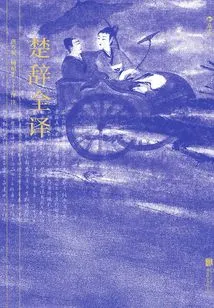
Complete Translation of Chu Ci
Literature楚辞全译
Huang Shouqi Mei Tongsheng
The Songs of Chu are the crystallization of Chu culture in the Spring and Autumn Period and the Warring States Period in my country. It is another collection of poems with far-reaching influence in ancient my country after the Book of Songs. The Songs of Chu are not only the ancestor of the Fu style literature of the Han Dynasty, but also dominated the literary and artistic trends of the Han Dynasty for more than 400 years, giving great influence to Chinese literature and art. The earliest annotated version of "Chu Ci" that we can see now is Wang Yi's "Chapter of Chu Ci". This book, "Complete Translation of Chu Ci", is based on "Chapter of Chu Ci" and annotates all his works. In addition, it also adds two famous poems by Jia Yi, "Ode to Song Bird" and "Ode to Diao Qu Yuan". For the sake of accuracy, the translation of this book mostly uses literal translation; the annotations are based on reasonable interpretations by ancient and modern scholars, and their words are well-founded.
The Songs of Chu are the crystallization of Chu culture in the Spring and Autumn Period and the Warring States Period in my country. It is another collection of poems with far-reaching influence in ancient my country after the Book of Songs. The Songs of Chu are not only the ancestor of the Fu style literature of the Han Dynasty, but also dominated the literary and artistic trends of the Han Dynasty for more than 400 years, giving great influence to Chinese literature and art. The earliest annotated version of "Chu Ci" that we can see now is Wang Yi's "Chapter of Chu Ci". This book, "Complete Translation of Chu Ci", is based on "Chapter of Chu Ci" and annotates all his works. In addition, it also adds two famous poems by Jia Yi, "Ode to Song Bird" and "Ode to Diao Qu Yuan". For the sake of accuracy, the translation of this book mostly uses literal translation; the annotations are based on reasonable interpretations by ancient and modern scholars, and their words are well-founded.