Library
Browse and search books
11 novels found
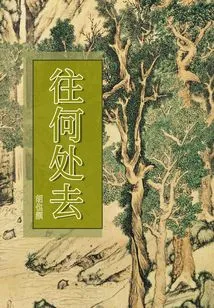
Where to Go
General Fiction往何处去
Hu Yepin
Many of Hu Yepin's short stories and short stories were collected and published during his lifetime. This "Where to Go" is a collection of his short stories published in 1928.
Many of Hu Yepin's short stories and short stories were collected and published during his lifetime. This "Where to Go" is a collection of his short stories published in 1928.
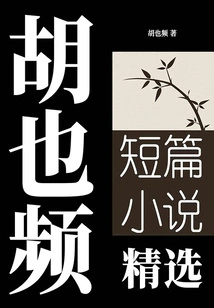
Selected Short Stories by Hu Yepin
General Fiction胡也频短篇小说精选
Hu Yepin
"Selected Short Stories by Hu Yepin" includes more than ten classic works such as "The Fool", "Live Beads", "Fighting", "Cat" and "Father", which outlines the deformed picture of the old society in old China with sharp strokes. The anthology includes the absurd tragedy of a plasterer who was killed due to superstitious rumors in "Living Beads", the tearing struggle of human nature under the violent conflicts in rural areas in "Armed Fight", and the bloody and tearful indictment of warlords trampling on the countryside in "A Village". Hu Yepin has excellent writing style and sharp perspective. He is very good at cutting in from the bottom perspective. Works such as "Parents" and "Pearl Earrings" will allow you to fully see and feel the oppression of individuals by the feudal patriarchal system; works such as "Drunk Madness", "Little Man" and "Bargain" highlight the soul trauma of those who are insulted and harmed. Hu's writing combines Lu Xun's cold irony with the revolutionary passion of left-wing literature, such as the close-up of the idiot waiter in "The Idiot" and the use of symbolic techniques to metaphor the spiritual dilemma of intellectuals in "The Snow-White Parrot". These works not only continue the realistic concerns of the May Fourth "Issue Novels", but also have a clear class consciousness and humanitarian stance, which have become a heavy blow in criticizing the old society in modern Chinese literature. They are hearty to read and full of aftertaste.
"Selected Short Stories by Hu Yepin" includes more than ten classic works such as "The Fool", "Live Beads", "Fighting", "Cat" and "Father", which outlines the deformed picture of the old society in old China with sharp strokes. The anthology includes the absurd tragedy of a plasterer who was killed due to superstitious rumors in "Living Beads", the tearing struggle of human nature under the violent conflicts in rural areas in "Armed Fight", and the bloody and tearful indictment of warlords trampling on the countryside in "A Village". Hu Yepin has excellent writing style and sharp perspective. He is very good at cutting in from the bottom perspective. Works such as "Parents" and "Pearl Earrings" will allow you to fully see and feel the oppression of individuals by the feudal patriarchal system; works such as "Drunk Madness", "Little Man" and "Bargain" highlight the soul trauma of those who are insulted and harmed. Hu's writing combines Lu Xun's cold irony with the revolutionary passion of left-wing literature, such as the close-up of the idiot waiter in "The Idiot" and the use of symbolic techniques to metaphor the spiritual dilemma of intellectuals in "The Snow-White Parrot". These works not only continue the realistic concerns of the May Fourth "Issue Novels", but also have a clear class consciousness and humanitarian stance, which have become a heavy blow in criticizing the old society in modern Chinese literature. They are hearty to read and full of aftertaste.
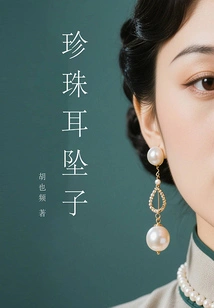
Pearl Earrings (famous Literary Classics)
General Fiction珍珠耳坠子(名家文学经典)
Hu Yepin
A selection of Hu Yepin's short stories include "Pearl Earrings", "Parents", "Snow-White Parrots", "Fighting" and "A Village". The Pearl chapter is about the concubine of a rich gentleman's family who lost her earrings. Before going to bed at night, they discovered that the pendant was missing, and the whole family went out to help his wife find the pearl pendant. Finally, the youngest and helpless boy was arrested and sent outside to be beaten. The master, his wife and all the concubines were very satisfied with this ending. The parents' chapter tells the story of the protagonist being laid off. The parrot chapter is about a parrot that is used to being kept at home and refuses to fly away no matter what. The two chapters, Fighting with Arms and A Village, are very miserable. They are the two heaviest chapters in the entire collection. They were born in an era when wars are raging and safety is worth ten thousand dollars. You have no control over your own destiny. Life and death are random. Sometimes it's a village, sometimes a village is missing. The wheel of life continues. The complete collection is arranged in a progressive manner. Life has its bitterness and sweetness, and more often than not, the bitterness is overwhelming.
A selection of Hu Yepin's short stories include "Pearl Earrings", "Parents", "Snow-White Parrots", "Fighting" and "A Village". The Pearl chapter is about the concubine of a rich gentleman's family who lost her earrings. Before going to bed at night, they discovered that the pendant was missing, and the whole family went out to help his wife find the pearl pendant. Finally, the youngest and helpless boy was arrested and sent outside to be beaten. The master, his wife and all the concubines were very satisfied with this ending. The parents' chapter tells the story of the protagonist being laid off. The parrot chapter is about a parrot that is used to being kept at home and refuses to fly away no matter what. The two chapters, Fighting with Arms and A Village, are very miserable. They are the two heaviest chapters in the entire collection. They were born in an era when wars are raging and safety is worth ten thousand dollars. You have no control over your own destiny. Life and death are random. Sometimes it's a village, sometimes a village is missing. The wheel of life continues. The complete collection is arranged in a progressive manner. Life has its bitterness and sweetness, and more often than not, the bitterness is overwhelming.
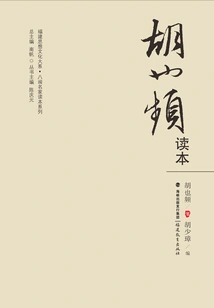
Hu Yepin Reader
Literature胡也频读本
Hu Yepin
"Hu Yepin Reader" is divided into three albums: novels, poems, and dramas. The editor Hu Shaozhang is Hu Yepin's nephew, has mastered relatively professional and precious information on Hu Yepin, and has conducted in-depth research on Hu Yepin's works. In this reader, he helps readers select the more representative parts from Hu Yepin's numerous works and present them, making Hu Yepin's excellent works known to more readers.
"Hu Yepin Reader" is divided into three albums: novels, poems, and dramas. The editor Hu Shaozhang is Hu Yepin's nephew, has mastered relatively professional and precious information on Hu Yepin, and has conducted in-depth research on Hu Yepin's works. In this reader, he helps readers select the more representative parts from Hu Yepin's numerous works and present them, making Hu Yepin's excellent works known to more readers.
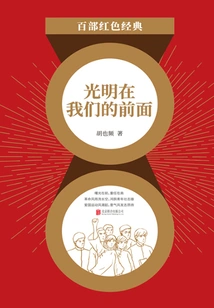
The Light is in Front of Us (red Classic)
General Fiction光明在我们的前面(红色经典)
Hu Yepin
This book is a collection of works, which mainly collects many novels by left-wing writer Hu Yepin, including "The Light Is Ahead of Us", "Mid-Autumn Festival", "In the North Wind", "The Unforgettable Shadow", "Pearl Earrings", "Confessions of First Love" and "A Little Journey". Among them, "The Light Is Ahead of Us" is a novella, and the remaining chapters are short stories. "The Light is Before Us" is the masterpiece of writer Hu Yepin. The work takes the May 30th Movement as the background and tells the story of Bai Hua, an anarchist young woman who transformed into a communist. Bai Hua's boyfriend Liu Xijian is a member of the Communist Party. At first, the two of them often argued because of their respective political beliefs. After the May 30th Movement broke out, a large number of young people were shot. The bloody lesson finally made Bai Hua recognize the reality, abandon the anarchism he had insisted on before, and then turn to communism. The novel has strong expressive power, concise and compact plot, and is exciting. It is the crystallization of the wisdom of Hu Yepin's transformation in creative thinking.
This book is a collection of works, which mainly collects many novels by left-wing writer Hu Yepin, including "The Light Is Ahead of Us", "Mid-Autumn Festival", "In the North Wind", "The Unforgettable Shadow", "Pearl Earrings", "Confessions of First Love" and "A Little Journey". Among them, "The Light Is Ahead of Us" is a novella, and the remaining chapters are short stories. "The Light is Before Us" is the masterpiece of writer Hu Yepin. The work takes the May 30th Movement as the background and tells the story of Bai Hua, an anarchist young woman who transformed into a communist. Bai Hua's boyfriend Liu Xijian is a member of the Communist Party. At first, the two of them often argued because of their respective political beliefs. After the May 30th Movement broke out, a large number of young people were shot. The bloody lesson finally made Bai Hua recognize the reality, abandon the anarchism he had insisted on before, and then turn to communism. The novel has strong expressive power, concise and compact plot, and is exciting. It is the crystallization of the wisdom of Hu Yepin's transformation in creative thinking.
On the Pasture
General Fiction牧场上
Hu Yepin
"Thief!" The voice was a bit breathy, but in the lonely night, it was sharp enough, as if it was coming from the fields to the east, straight to our patio... It was also mixed with chaotic footsteps, bamboo-pointed knives tapping straw, and the sounds of other people demonstrating; and then, the clever and restless dog barked one after another like crazy.
"Thief!" The voice was a bit breathy, but in the lonely night, it was sharp enough, as if it was coming from the fields to the east, straight to our patio... It was also mixed with chaotic footsteps, bamboo-pointed knives tapping straw, and the sounds of other people demonstrating; and then, the clever and restless dog barked one after another like crazy.
Hu Yepin's Works Collection
General Fiction胡也频作品集
Hu Yepin
In May 1925, at about three o'clock one afternoon, a twenty-six-year-old man was walking on Ma Shen Shen Street in Beijing, looking a little impatient, and walked into the aisle of Peking University. He was wearing an unfashionable navy blue suit, and it was very old. It looked as if he had bought it from a junkyard in Tianqiao. He is of medium build and strong. Walking takes a lot of effort and is fast. The pair of wide black leather boots squeaked one after another, and the soles of the boots turned up the dry soil unique to Beijing. When he reached the third house in this narrow alley, he stepped across the threshold of the Datong Apartment and turned around to the large courtyard on the left.
In May 1925, at about three o'clock one afternoon, a twenty-six-year-old man was walking on Ma Shen Shen Street in Beijing, looking a little impatient, and walked into the aisle of Peking University. He was wearing an unfashionable navy blue suit, and it was very old. It looked as if he had bought it from a junkyard in Tianqiao. He is of medium build and strong. Walking takes a lot of effort and is fast. The pair of wide black leather boots squeaked one after another, and the soles of the boots turned up the dry soil unique to Beijing. When he reached the third house in this narrow alley, he stepped across the threshold of the Datong Apartment and turned around to the large courtyard on the left.
Wandering Record
General Fiction漂泊的记录
Hu Yepin
This book is a collection of his short stories. Reading his works, we can see all the pictures of the ignorant, backward, barbaric and murderous social life in old China. The value of these works is that they sharply raise and expose serious problems in a deformed society, and provide a true portrayal of the deformed aspects of old China. Some reflect the cruel exploitation and bloody suppression of the Chinese people by imperialism and feudalism; some reveal the poison of the feudal patriarchal system on people's minds; some reveal the degeneration of "national character" under the rule of imperialism and feudalism; and some write about social deformities from the abnormal psychology of sick people, etc.
This book is a collection of his short stories. Reading his works, we can see all the pictures of the ignorant, backward, barbaric and murderous social life in old China. The value of these works is that they sharply raise and expose serious problems in a deformed society, and provide a true portrayal of the deformed aspects of old China. Some reflect the cruel exploitation and bloody suppression of the Chinese people by imperialism and feudalism; some reveal the poison of the feudal patriarchal system on people's minds; some reveal the degeneration of "national character" under the rule of imperialism and feudalism; and some write about social deformities from the abnormal psychology of sick people, etc.
Go to Moscow
General Fiction到莫斯科去
Hu Yepin
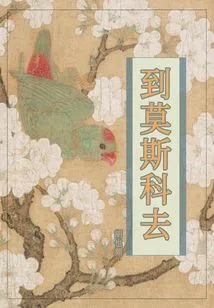
Su Shang later met Shi Xunbai, a revolutionary and Communist Party member, and found a bright way out and beautiful love. The psychological description of the characters in the novel is delicate and romantic, especially the changes in Su Chang's heart reflect the progress of the social movement.
Su Shang later met Shi Xunbai, a revolutionary and Communist Party member, and found a bright way out and beautiful love. The psychological description of the characters in the novel is delicate and romantic, especially the changes in Su Chang's heart reflect the progress of the social movement.
胡也频戏剧集精选
Hu Yepin
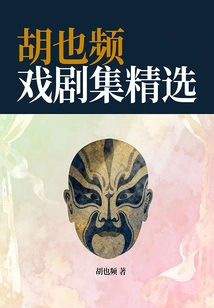
This collection includes nine excellent plays by Hu Yepin, including "Other People's Happiness", "Ghost", "Madman", "Bricklayer's House", "Capitalist", "Ghosts and Human Hearts", etc. Most of Hu Yepin's drama creations were concentrated in the two years from 1927 to 1928. Even though the time was short, he left behind many important plays. Drama styles vary, often with a strong critical spirit. For example, "The Bricklayer's House" depicts the tragic situation of the bricklayer Wang Jishun's family in a realistic way. His daughter Ahong is abused as a servant, and her parents are ignorant and depraved. In the end, the daughter's fate drifts with the tide. "Ghost" uses a dream scene to allow the souls of the dead from different classes to meet after death, and exposes social injustice through their conversations. Its grotesque style is considered to be influenced by German Expressionist drama and has become an alternative highlight in his drama creation. "Rained Buds" is a sweet style that focuses on the free love of young students and the opposition of conservative parents. It uses the plot of "the conflict escalates but unexpectedly ends successfully" to reflect on the individual liberation and free thoughts on marriage and love during the May Fourth period, and affirms the new forces' breakthrough in old ideas. The two articles "The Capitalist" and "A Gentleman's Treat" directly point to class contradictions, expose the greed of capitalists, and praise the resistance of the people at the bottom. As one of the "Five Martyrs of the Left Alliance", Hu Yepin left behind a very rich literary legacy. He was a new force in the early stage of the left-wing drama movement and occupies a unique position in the history of modern Chinese drama.
This collection includes nine excellent plays by Hu Yepin, including "Other People's Happiness", "Ghost", "Madman", "Bricklayer's House", "Capitalist", "Ghosts and Human Hearts", etc. Most of Hu Yepin's drama creations were concentrated in the two years from 1927 to 1928. Even though the time was short, he left behind many important plays. Drama styles vary, often with a strong critical spirit. For example, "The Bricklayer's House" depicts the tragic situation of the bricklayer Wang Jishun's family in a realistic way. His daughter Ahong is abused as a servant, and her parents are ignorant and depraved. In the end, the daughter's fate drifts with the tide. "Ghost" uses a dream scene to allow the souls of the dead from different classes to meet after death, and exposes social injustice through their conversations. Its grotesque style is considered to be influenced by German Expressionist drama and has become an alternative highlight in his drama creation. "Rained Buds" is a sweet style that focuses on the free love of young students and the opposition of conservative parents. It uses the plot of "the conflict escalates but unexpectedly ends successfully" to reflect on the individual liberation and free thoughts on marriage and love during the May Fourth period, and affirms the new forces' breakthrough in old ideas. The two articles "The Capitalist" and "A Gentleman's Treat" directly point to class contradictions, expose the greed of capitalists, and praise the resistance of the people at the bottom. As one of the "Five Martyrs of the Left Alliance", Hu Yepin left behind a very rich literary legacy. He was a new force in the early stage of the left-wing drama movement and occupies a unique position in the history of modern Chinese drama.
Destruction (literary Classic by Famous Writers)
Short Fiction毁灭(名家文学经典)
Hu Yepin
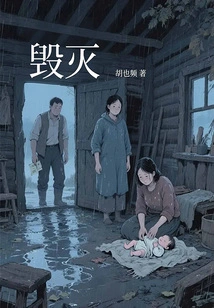
"Destruction" is a realistic short story. It tells the tragedy of a poor carpenter family. On a rainy autumn night, a carpenter came home late due to receiving his wages. When he returned home, he found his wife struggling to give birth alone. Extremely poor and unable to raise them, they abandoned the baby again. The collection also includes "Father", "Drunk Madness" and "Little Man". "Drunk Madness" is about an uncle who loses his temper after drinking. "Little Man" is about a herding girl who lives with her mother. All four articles are close-ups of characters, focusing on individual characters. Tell the story of the hardships of life with point-to-point reference.
"Destruction" is a realistic short story. It tells the tragedy of a poor carpenter family. On a rainy autumn night, a carpenter came home late due to receiving his wages. When he returned home, he found his wife struggling to give birth alone. Extremely poor and unable to raise them, they abandoned the baby again. The collection also includes "Father", "Drunk Madness" and "Little Man". "Drunk Madness" is about an uncle who loses his temper after drinking. "Little Man" is about a herding girl who lives with her mother. All four articles are close-ups of characters, focusing on individual characters. Tell the story of the hardships of life with point-to-point reference.