Library
Browse and search books
1 novel found
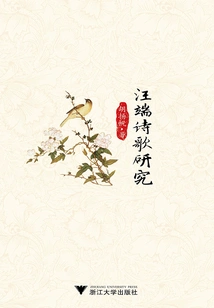
Research on Wang Duan's Poems
Literature汪端诗歌研究
Hu Yangfan
Results of key social science planning projects of Zhejiang Province. Wang Duan, courtesy name Yunzhuang, was born in Qiantang. He is the author of "The Poems of Naturally Hao Xuezhai", "Selected Poems of Thirty Schools of Ming Dynasty", "Selected Poems of Three Schools of Poetry", "Yishi of Yuan and Ming Dynasties" (discarded after learning Taoism), and compiled various anthologies. She was praised by Liang Yizhen as "the most talented woman in the Qing Dynasty" and was the only woman included in "Portraits of Scholars in the Qing Dynasty". As a scholar-type literati, Wang Duan's richness and penetrating insights were unparalleled among boudoir literati at that time, and his creations also bear a profound imprint of the Qianjia period and women's awakening consciousness. This book is divided into five chapters: the first chapter examines the family background of Wang Duan Cai Xue from the three dimensions of father's line, mother's line, and husband's line; the second chapter discusses the theme orientation of Wang Duan's poetry under the cultural background of the Qing Dynasty, mainly discussing Wang Duan's scholars' poems, painting poems, Taoist poems, and poems chanting things; the third chapter appreciates the artistic characteristics of Wang Duan's poems, including Its changeable style, rich allusions, diverse images and various attainments; the fourth chapter explores Wang Duan's "pure, elegant and upright" poetic thoughts and critical views, the poetic purpose of preserving people through poetry and improving the status of women's literature; the fifth chapter explores the "talent and fate dilemma" of women in the Qing Dynasty, and makes a general comment on Wang Duan's poetic achievements. The appendix includes two parts: one is the calligraphy and painting works related to Wang Duan; the other is an examination of Wang Duan's female intercourse. This article cites a large number of Wang Duan's works and explores the depth of Wang Duan's poetry vertically. At the same time, with Wang Duan as the center, it radiates to Wu Zao, Li Peijin and other boudoir literati who were pursuing the same spirit at that time, and horizontally expands the breadth of boudoir literature research.
Results of key social science planning projects of Zhejiang Province. Wang Duan, courtesy name Yunzhuang, was born in Qiantang. He is the author of "The Poems of Naturally Hao Xuezhai", "Selected Poems of Thirty Schools of Ming Dynasty", "Selected Poems of Three Schools of Poetry", "Yishi of Yuan and Ming Dynasties" (discarded after learning Taoism), and compiled various anthologies. She was praised by Liang Yizhen as "the most talented woman in the Qing Dynasty" and was the only woman included in "Portraits of Scholars in the Qing Dynasty". As a scholar-type literati, Wang Duan's richness and penetrating insights were unparalleled among boudoir literati at that time, and his creations also bear a profound imprint of the Qianjia period and women's awakening consciousness. This book is divided into five chapters: the first chapter examines the family background of Wang Duan Cai Xue from the three dimensions of father's line, mother's line, and husband's line; the second chapter discusses the theme orientation of Wang Duan's poetry under the cultural background of the Qing Dynasty, mainly discussing Wang Duan's scholars' poems, painting poems, Taoist poems, and poems chanting things; the third chapter appreciates the artistic characteristics of Wang Duan's poems, including Its changeable style, rich allusions, diverse images and various attainments; the fourth chapter explores Wang Duan's "pure, elegant and upright" poetic thoughts and critical views, the poetic purpose of preserving people through poetry and improving the status of women's literature; the fifth chapter explores the "talent and fate dilemma" of women in the Qing Dynasty, and makes a general comment on Wang Duan's poetic achievements. The appendix includes two parts: one is the calligraphy and painting works related to Wang Duan; the other is an examination of Wang Duan's female intercourse. This article cites a large number of Wang Duan's works and explores the depth of Wang Duan's poetry vertically. At the same time, with Wang Duan as the center, it radiates to Wu Zao, Li Peijin and other boudoir literati who were pursuing the same spirit at that time, and horizontally expands the breadth of boudoir literature research.