Library
Browse and search books
2 novels found
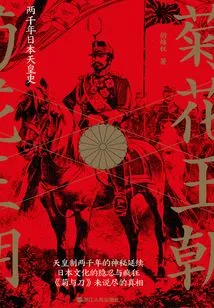
菊花王朝:两千年日本天皇史
Hu Weiquan
Japan's emperor system is the longest-lasting monarchy in the world, with a history of more than 2,000 years, stretching from Japan's mythical age to the present day. As one of the representatives of Japanese culture, the Emperor's Order is a mysterious existence. Most people cannot see through or understand the emperor system. This book sorts out 70 issues related to the emperor and the emperor system. It is divided into 10 chapters to explain in detail to readers various mysteries about the emperor and the emperor system. The first four chapters mainly elaborate on some issues related to the history of the emperor, and outline the history of the emperor and the development of the emperor system; the last six chapters answer people's questions about the daily life of the Japanese emperor from various aspects such as the emperor's religion and rituals, thoughts, arts and knowledge, daily life, image, and family. The author of this book uses profound academic skills, uses easy-to-understand language, and combines the latest academic research results to explain the history and daily life of the emperor in detail, providing public readers with the opportunity to rethink the emperor and the emperor system. Readers who want to learn more about Japanese history and culture, or are simply curious about the Japanese emperor system, can get new clues and gains from this book.
Japan's emperor system is the longest-lasting monarchy in the world, with a history of more than 2,000 years, stretching from Japan's mythical age to the present day. As one of the representatives of Japanese culture, the Emperor's Order is a mysterious existence. Most people cannot see through or understand the emperor system. This book sorts out 70 issues related to the emperor and the emperor system. It is divided into 10 chapters to explain in detail to readers various mysteries about the emperor and the emperor system. The first four chapters mainly elaborate on some issues related to the history of the emperor, and outline the history of the emperor and the development of the emperor system; the last six chapters answer people's questions about the daily life of the Japanese emperor from various aspects such as the emperor's religion and rituals, thoughts, arts and knowledge, daily life, image, and family. The author of this book uses profound academic skills, uses easy-to-understand language, and combines the latest academic research results to explain the history and daily life of the emperor in detail, providing public readers with the opportunity to rethink the emperor and the emperor system. Readers who want to learn more about Japanese history and culture, or are simply curious about the Japanese emperor system, can get new clues and gains from this book.
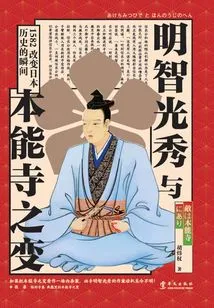
明智光秀与本能寺之变
Hu Weiquan
On June 21, 1582, an event occurred in Kyoto, Japan, which could be said to have affected Japan's Warring States Period and changed the direction of Japanese history - the "Honnoji Incident". At that time, Oda Nobunaga, who wanted to end the chaos of the Warring States Period and unify Japan, was raided by one of his most trusted retainers, Akechi Mitsuhide. Because he was outnumbered, he committed suicide in the flames of Honnoji Temple at the age of 49. Nobunaga's eldest son, Oda Nobutada, also died in the battle. In one night, the Oda father and son, who had dominated the Warring States Period, both died. However, thirteen days later, Akechi Mitsuhide was isolated and helpless, and was defeated by Hashiba Hideyoshi (later Toyotomi Hideyoshi) who rushed over immediately to lead his army to avenge Nobunaga. After the defeat, Mitsuhide was reportedly killed in an ambush on the outskirts of Kyoto Mountain. However, this most famous rebellion in Japanese history is still a puzzling topic that attracts people to study and discuss to this day. What exactly is Mitsuhide Akechi's motivation? How did he manage to remain unaware of God and ghosts? Is there a conspiracy behind this? I believe that many historians and history enthusiasts would like to explore the answer. This book is the first Chinese scholar's exploration of the twists and turns of the mystery, and is both academically rigorous and readable.
On June 21, 1582, an event occurred in Kyoto, Japan, which could be said to have affected Japan's Warring States Period and changed the direction of Japanese history - the "Honnoji Incident". At that time, Oda Nobunaga, who wanted to end the chaos of the Warring States Period and unify Japan, was raided by one of his most trusted retainers, Akechi Mitsuhide. Because he was outnumbered, he committed suicide in the flames of Honnoji Temple at the age of 49. Nobunaga's eldest son, Oda Nobutada, also died in the battle. In one night, the Oda father and son, who had dominated the Warring States Period, both died. However, thirteen days later, Akechi Mitsuhide was isolated and helpless, and was defeated by Hashiba Hideyoshi (later Toyotomi Hideyoshi) who rushed over immediately to lead his army to avenge Nobunaga. After the defeat, Mitsuhide was reportedly killed in an ambush on the outskirts of Kyoto Mountain. However, this most famous rebellion in Japanese history is still a puzzling topic that attracts people to study and discuss to this day. What exactly is Mitsuhide Akechi's motivation? How did he manage to remain unaware of God and ghosts? Is there a conspiracy behind this? I believe that many historians and history enthusiasts would like to explore the answer. This book is the first Chinese scholar's exploration of the twists and turns of the mystery, and is both academically rigorous and readable.