Library
Browse and search books
11 novels found
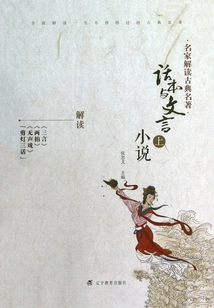
Famous Experts Interpret Classical Masterpieces, Scripts and Classical Chinese Novels (part 1)
Literature名家解读古典名著·话本与文言小说(上)
Hou Zhongyi
Interpretation of "Three Episodes of Jian Deng" and "Three Episodes of Jian Deng" are the collective name of the three novel collections "New Stories of Jian Deng", "Remaining Stories of Jian Deng" and "The Story of Looking for Deng Yin". Among them, "New Stories of Jian Deng" is a pioneering collection of novels from the enlightened era. This book provides a comprehensive interpretation of the historical status, artistic achievements, and ideological tendencies of "Three Stories of Cutting the Deng" from the perspectives of Chinese novel history, literature and art, and historical religion. Interpretation of "Three Words" When it comes to Feng Menglong's "Three Words", many people know that it includes "Mingyan to illustrate the world", "Tongyan to warn the world" and "Everlasting words to awaken the world", but they ask how it came into being. It is hard to say what kind of artistic charm it will have on later generations. This book focuses on interpreting "Three Words" and its representative chapters from the aspects of era background, ideological tendencies, characters, artistic techniques, and practical significance. Interpretation of "Two Beats" Ling Yangchu's "Two Beats" - "Surprise at the First Moment of Shooting the Case" and "Surprise at the First Moment of Shooting the Case" are as famous as Feng Menglong's "Three Words". This book brings together the results of contemporary research on "Two Beats" and interprets it in detail from various aspects such as exploring its origins, artistic analysis, comparison of works, and the relationship between the ideological tendency of the work and social life. Interpretation of "Silent Play" Li Yu not only wrote poems, lyrics, operas, novels, but also theoretical miscellaneous works. The complete categories and considerable quantity are rare in the history of Chinese literature. To be fair, Li Yu was not only the most outstanding writer in the creation of popular short stories after Feng Menglong and Ling Yangchu in the late Ming Dynasty, but he was also one of the rare generalists in ancient my country. Based on many years of research, the author of this book comprehensively and systematically interprets Li Yu and his "Silent Play" and other novels.
Interpretation of "Three Episodes of Jian Deng" and "Three Episodes of Jian Deng" are the collective name of the three novel collections "New Stories of Jian Deng", "Remaining Stories of Jian Deng" and "The Story of Looking for Deng Yin". Among them, "New Stories of Jian Deng" is a pioneering collection of novels from the enlightened era. This book provides a comprehensive interpretation of the historical status, artistic achievements, and ideological tendencies of "Three Stories of Cutting the Deng" from the perspectives of Chinese novel history, literature and art, and historical religion. Interpretation of "Three Words" When it comes to Feng Menglong's "Three Words", many people know that it includes "Mingyan to illustrate the world", "Tongyan to warn the world" and "Everlasting words to awaken the world", but they ask how it came into being. It is hard to say what kind of artistic charm it will have on later generations. This book focuses on interpreting "Three Words" and its representative chapters from the aspects of era background, ideological tendencies, characters, artistic techniques, and practical significance. Interpretation of "Two Beats" Ling Yangchu's "Two Beats" - "Surprise at the First Moment of Shooting the Case" and "Surprise at the First Moment of Shooting the Case" are as famous as Feng Menglong's "Three Words". This book brings together the results of contemporary research on "Two Beats" and interprets it in detail from various aspects such as exploring its origins, artistic analysis, comparison of works, and the relationship between the ideological tendency of the work and social life. Interpretation of "Silent Play" Li Yu not only wrote poems, lyrics, operas, novels, but also theoretical miscellaneous works. The complete categories and considerable quantity are rare in the history of Chinese literature. To be fair, Li Yu was not only the most outstanding writer in the creation of popular short stories after Feng Menglong and Ling Yangchu in the late Ming Dynasty, but he was also one of the rare generalists in ancient my country. Based on many years of research, the author of this book comprehensively and systematically interprets Li Yu and his "Silent Play" and other novels.
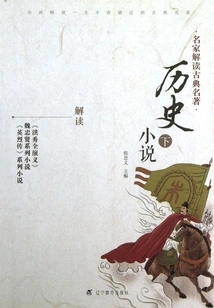
名家解读古典名著·历史小说(下)
Hou Zhongyi
"Historical Novels" Interpretation of the "Biographies of Heroes" series of novels "Masters Interpret Classical Masterpieces: Historical Novels (Part 2)", on the basis of introducing and interpreting "Biographies of Heroes" and analyzing its artistic achievements, makes a more in-depth discussion of historical novels from the aspects of the relationship between novels and historical facts and the mentality of the citizen class, and affirms its pioneering significance and creative literary value in reflecting contemporary history with novels.
"Historical Novels" Interpretation of the "Biographies of Heroes" series of novels "Masters Interpret Classical Masterpieces: Historical Novels (Part 2)", on the basis of introducing and interpreting "Biographies of Heroes" and analyzing its artistic achievements, makes a more in-depth discussion of historical novels from the aspects of the relationship between novels and historical facts and the mentality of the citizen class, and affirms its pioneering significance and creative literary value in reflecting contemporary history with novels.
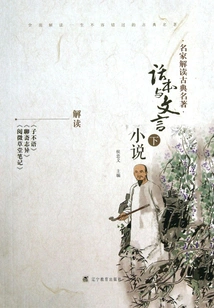
Famous Experts Interpret Classical Masterpieces, Scripts and Classical Chinese Novels (part 2)
Literature名家解读古典名著·话本与文言小说(下)
Hou Zhongyi
Interpretation of "Strange Stories from a Chinese Studio" Pu Songling and his "Strange Stories from a Chinese Studio" are almost known to everyone. "Interpretations of Classical Masterpieces by Famous Writers: Storytelling and Classical Chinese Novels (Part 2)" combines the many results of the research on "Strange Stories from a Chinese Studio" and gives a detailed interpretation of Pu Songling's "Strange Stories from a Chinese Studio". It not only gives an overview but also details the sources, helping readers to fully understand Pu Songling and his "Strange Stories from a Chinese Studio". Interpretation of "Zi Buyu" Yuan Mei was a famous litterateur in the Qing Dynasty. He had been writing poetry for fifty years and left a large number of works. The novel "Zi Buyu" reflects his humorous personality and ridicule of the world. "Famous Masters Interpret Classical Masterpieces: Storytelling and Classical Chinese Novels (Part 2)" briefly introduces Yuan Mei's life experience, ideological character and literary achievements, and then focuses on interpreting the ideological content and artistic characteristics of "Zi Buyu". Interpretation The popularity of TV series such as "Yuewei Cottage Notes" and "Iron Teeth and Bronze Teeth Ji Xiaolan" have made Ji Xiaolan (Ji Yun) a household name. Ji Yun, a famous writer in the Qing Dynasty who served as a high official and edited the "Sikuquanshu". Why did you write "Notes of Yuewei Thatched Cottage" which talks about ghosts and foxes? The author broadens his horizons and explores and interprets Ji Yun and his "Notes from Yuewei Cottage" from the perspective of the diversity of traditional Chinese culture in the context of world literature.
Interpretation of "Strange Stories from a Chinese Studio" Pu Songling and his "Strange Stories from a Chinese Studio" are almost known to everyone. "Interpretations of Classical Masterpieces by Famous Writers: Storytelling and Classical Chinese Novels (Part 2)" combines the many results of the research on "Strange Stories from a Chinese Studio" and gives a detailed interpretation of Pu Songling's "Strange Stories from a Chinese Studio". It not only gives an overview but also details the sources, helping readers to fully understand Pu Songling and his "Strange Stories from a Chinese Studio". Interpretation of "Zi Buyu" Yuan Mei was a famous litterateur in the Qing Dynasty. He had been writing poetry for fifty years and left a large number of works. The novel "Zi Buyu" reflects his humorous personality and ridicule of the world. "Famous Masters Interpret Classical Masterpieces: Storytelling and Classical Chinese Novels (Part 2)" briefly introduces Yuan Mei's life experience, ideological character and literary achievements, and then focuses on interpreting the ideological content and artistic characteristics of "Zi Buyu". Interpretation The popularity of TV series such as "Yuewei Cottage Notes" and "Iron Teeth and Bronze Teeth Ji Xiaolan" have made Ji Xiaolan (Ji Yun) a household name. Ji Yun, a famous writer in the Qing Dynasty who served as a high official and edited the "Sikuquanshu". Why did you write "Notes of Yuewei Thatched Cottage" which talks about ghosts and foxes? The author broadens his horizons and explores and interprets Ji Yun and his "Notes from Yuewei Cottage" from the perspective of the diversity of traditional Chinese culture in the context of world literature.
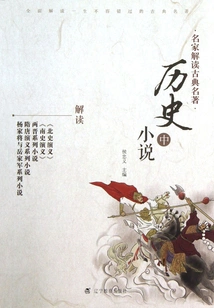
名家解读古典名著·历史小说(中)
Hou Zhongyi
"Masters' Interpretation of Classical Classics: Historical Novels (Part 2)" Interpretation of the Two Jin Series Novels In terms of historical changes, the Two Jin Dynasty followed the Three Kingdoms era. The Jin Dynasty was a feudal dynasty established by the Sima family after usurping the military and political power of Wei and defeating Shu and Wu. In this dynasty, unity was short-lived, but war and division were the characteristics of this dynasty. "Masters' Interpretation of Classical Classics: Historical Novels (Part 2)" will analyze and compare the creative ideas, content and artistic achievements of "The Romance of the Eastern and Western Jin Dynasties" and "The Romance of the Two Jin Dynasties" that reflect this period of history, and provide help for readers to understand and read these two historical romance novels.
"Masters' Interpretation of Classical Classics: Historical Novels (Part 2)" Interpretation of the Two Jin Series Novels In terms of historical changes, the Two Jin Dynasty followed the Three Kingdoms era. The Jin Dynasty was a feudal dynasty established by the Sima family after usurping the military and political power of Wei and defeating Shu and Wu. In this dynasty, unity was short-lived, but war and division were the characteristics of this dynasty. "Masters' Interpretation of Classical Classics: Historical Novels (Part 2)" will analyze and compare the creative ideas, content and artistic achievements of "The Romance of the Eastern and Western Jin Dynasties" and "The Romance of the Two Jin Dynasties" that reflect this period of history, and provide help for readers to understand and read these two historical romance novels.
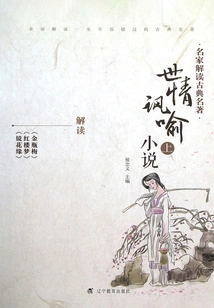
Famous Writers Interpret Classical Masterpieces and Allegorical Novels About World Affairs (part 1)
Literature名家解读古典名著·世情讽喻小说(上)
Hou Zhongyi
Interpretation of "Jin Ping Mei" When it comes to "Jin Ping Mei", many people think it is a "pornographic novel". It has been banned many times during its circulation, and it is difficult to see its original work today. In fact, in the history of Chinese novels, "The Plum in the Golden Lotus" is a famous novel from the Ming Dynasty in my country, and is known as one of the "Four Wonderful Books". Its historical status and role have long been affirmed. This book provides a comprehensive and systematic interpretation of what kind of book "Jin Ping Mei" is. To interpret "Dream of Red Mansions", why there are only 120 chapters in "Dream of Red Mansions", hundreds of articles and books have been studied, and it has even formed a discipline - Redology? Why does "Dream of Red Mansions" make people go crazy and die? This book provides a comprehensive and incisive interpretation of "A Dream of Red Mansions" from eight aspects: the author, the era, the ideological characteristics of the work, and the artistic achievements. Interpretation of "Flowers in the Mirror" "Flowers in the Mirror" tells the story of Wu Zetian's examination of the number one girl in the imperial examination, the Baihua Fairy descending to earth to meet the calamity, and the Tang scholar's journey to wonderland. People who like to read "Journey to the West", "The Romance of the Gods" and "Gulliver's Travels" will definitely be attracted by the fantasy realms and bizarre things described in "Flowers in the Mirror". This book introduces the story in detail, analyzes the artistic essence of its metaphor of reality within fantasy, and explains the origin of its special status in the history of Chinese novels.
Interpretation of "Jin Ping Mei" When it comes to "Jin Ping Mei", many people think it is a "pornographic novel". It has been banned many times during its circulation, and it is difficult to see its original work today. In fact, in the history of Chinese novels, "The Plum in the Golden Lotus" is a famous novel from the Ming Dynasty in my country, and is known as one of the "Four Wonderful Books". Its historical status and role have long been affirmed. This book provides a comprehensive and systematic interpretation of what kind of book "Jin Ping Mei" is. To interpret "Dream of Red Mansions", why there are only 120 chapters in "Dream of Red Mansions", hundreds of articles and books have been studied, and it has even formed a discipline - Redology? Why does "Dream of Red Mansions" make people go crazy and die? This book provides a comprehensive and incisive interpretation of "A Dream of Red Mansions" from eight aspects: the author, the era, the ideological characteristics of the work, and the artistic achievements. Interpretation of "Flowers in the Mirror" "Flowers in the Mirror" tells the story of Wu Zetian's examination of the number one girl in the imperial examination, the Baihua Fairy descending to earth to meet the calamity, and the Tang scholar's journey to wonderland. People who like to read "Journey to the West", "The Romance of the Gods" and "Gulliver's Travels" will definitely be attracted by the fantasy realms and bizarre things described in "Flowers in the Mirror". This book introduces the story in detail, analyzes the artistic essence of its metaphor of reality within fantasy, and explains the origin of its special status in the history of Chinese novels.
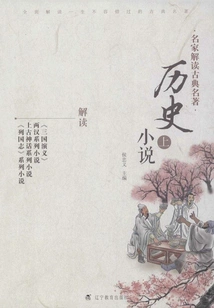
名家解读古典名著·历史小说(上)
Hou Zhongyi
"Masters Interpret Classical Classics: Historical Novels (Part 1)" uses concise, smooth and popular words to interpret the origin, evolution, historical background, ideological connotation and artistic achievements of these novels. Interpretation of the novels of the Two Han Dynasties The two Han Dynasties were an important period in the history of our country. The novels based on the historical events of the Two Han Dynasties constitute a unique series that is continuous. Through several development stages of early novels with themes of the Han Dynasty, Sewu Pinghua and popular romances of the Ming and Qing Dynasties, the author combs the development and evolution trajectory of the novels of the Han Dynasty, compares their similarities and differences with official history, and compares and analyzes the different styles and tastes of the same theme in different historical periods and written by different writers, and cannot exhaust the special rules of the creation of historical novels.
"Masters Interpret Classical Classics: Historical Novels (Part 1)" uses concise, smooth and popular words to interpret the origin, evolution, historical background, ideological connotation and artistic achievements of these novels. Interpretation of the novels of the Two Han Dynasties The two Han Dynasties were an important period in the history of our country. The novels based on the historical events of the Two Han Dynasties constitute a unique series that is continuous. Through several development stages of early novels with themes of the Han Dynasty, Sewu Pinghua and popular romances of the Ming and Qing Dynasties, the author combs the development and evolution trajectory of the novels of the Han Dynasty, compares their similarities and differences with official history, and compares and analyzes the different styles and tastes of the same theme in different historical periods and written by different writers, and cannot exhaust the special rules of the creation of historical novels.
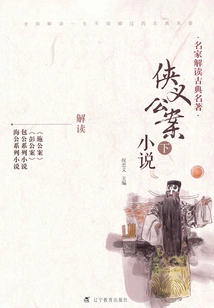
Classical Masterpieces Interpreted by Famous Experts·chivalrous Public Case Novels (part 2)
Literature名家解读古典名著·侠义公案小说(下)
Hou Zhongyi
"Celebrities' Interpretation of Classical Classics: Chivalrous Public Case Novels (Part 2)" begins with the story of Bao Gong in history, and vividly and interestingly interprets the novels describing Bao Gong - from the earliest three Sewu stories to the short collection of Bao Gong's novels, the novella "Qingfengzha" by Bao Gong, the long novel "The Romance of Wanhualou" to the most influential "Three Heroes and Five Righteousnesses". It not only introduces their contents, but also analyzes their artistic characteristics. And sorted out their origin and evolution. The story of "Hai Rui Dismissed from Office" is a household name, but what are the differences between the historical Hai Rui and the novel Hai Gangfeng? How did Hai Rui's story develop into the stories in "Big Red Robe" and "Little Red Robe"? Is there any connection between the Hai Gong case in the novel and Hai Rui's verdict and prison sentence? What is the status of Haigongan in publican novels? How is it different from other koan novels? "Celebrities' Interpretation of Classical Masterpieces: Chivalrous Public Case Novels (Part 2)" provides a detailed interpretation. The world is unfair, and people fantasize about honest officials. When things are unfair, people look forward to chivalrous people, so chivalrous and public case novels continue to flourish. Starting from "Shi Gong An" and "Peng Gong An", upright officials and chivalrous people began to cooperate, so chivalrous and public case novels began to merge. The author makes a historical and dialectical interpretation of "Shi Gongan" and "Peng Gongan" from content to form, revealing the deep cultural phenomena of "the dream of honest officials" and "the dream of knights" for thousands of years.
"Celebrities' Interpretation of Classical Classics: Chivalrous Public Case Novels (Part 2)" begins with the story of Bao Gong in history, and vividly and interestingly interprets the novels describing Bao Gong - from the earliest three Sewu stories to the short collection of Bao Gong's novels, the novella "Qingfengzha" by Bao Gong, the long novel "The Romance of Wanhualou" to the most influential "Three Heroes and Five Righteousnesses". It not only introduces their contents, but also analyzes their artistic characteristics. And sorted out their origin and evolution. The story of "Hai Rui Dismissed from Office" is a household name, but what are the differences between the historical Hai Rui and the novel Hai Gangfeng? How did Hai Rui's story develop into the stories in "Big Red Robe" and "Little Red Robe"? Is there any connection between the Hai Gong case in the novel and Hai Rui's verdict and prison sentence? What is the status of Haigongan in publican novels? How is it different from other koan novels? "Celebrities' Interpretation of Classical Masterpieces: Chivalrous Public Case Novels (Part 2)" provides a detailed interpretation. The world is unfair, and people fantasize about honest officials. When things are unfair, people look forward to chivalrous people, so chivalrous and public case novels continue to flourish. Starting from "Shi Gong An" and "Peng Gong An", upright officials and chivalrous people began to cooperate, so chivalrous and public case novels began to merge. The author makes a historical and dialectical interpretation of "Shi Gongan" and "Peng Gongan" from content to form, revealing the deep cultural phenomena of "the dream of honest officials" and "the dream of knights" for thousands of years.
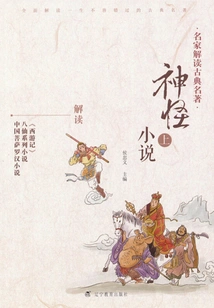
名家解读古典名著·神怪小说(上)
Hou Zhongyi
Interpret the stories of "Eight Immortals Crossing the Sea" and "Journey to the West". "Interpretations of Classical Classics by Famous Masters: Novels of Gods and Monsters (Part 1)" not only systematically interprets seven types of novels about the Eight Immortals, from novels to folk tales, until tracing the origins of the Eight Immortals, but also clarifies the influence of Taoism on Chinese novels. "Famous Masters Interpret Classical Classics: Novels of Gods and Monsters (Part 1)" not only introduces the opinions of each school, but also puts forward new insights. It also interprets the images of Sun Wukong, Zhu Bajie, Sha Seng, Tang Seng and other characters.
Interpret the stories of "Eight Immortals Crossing the Sea" and "Journey to the West". "Interpretations of Classical Classics by Famous Masters: Novels of Gods and Monsters (Part 1)" not only systematically interprets seven types of novels about the Eight Immortals, from novels to folk tales, until tracing the origins of the Eight Immortals, but also clarifies the influence of Taoism on Chinese novels. "Famous Masters Interpret Classical Classics: Novels of Gods and Monsters (Part 1)" not only introduces the opinions of each school, but also puts forward new insights. It also interprets the images of Sun Wukong, Zhu Bajie, Sha Seng, Tang Seng and other characters.
Famous Experts Interpret Classical Masterpieces and Allegorical Novels About World Affairs (part 2)
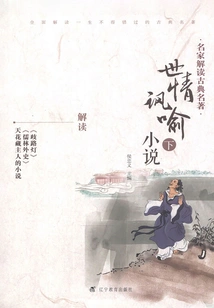
Literature名家解读古典名著·世情讽喻小说(下)
Hou Zhongyi
Interpretation of "The Scholars" "The Scholars" is the first full-length novel in the history of Chinese literature to take the life of intellectuals as its theme, and has established a monument of satirical novels. This book begins with an introduction to the era in which Wu Jingzi, the author of "The Scholars" lived, his family background, life and education, and interprets the historical background, ideological content and artistic achievements of "The Scholars" in a simple and easy-to-understand way. Interpretation of "Qilu Deng" and "Qilu Deng" In the history of ancient Chinese novels, "Qilu Deng" is the first and a vernacular novel with the theme of education. After introducing the era, family background, life and works of Li Luyuan, the author of "Qi Lu Deng" with reliable information, "Masters Interpret Classical Classics: Allegorical Novels about World Affairs (Part 2)" interprets its achievements and shortcomings from multiple angles and aspects. It also analyzes and compares its similarities and differences with "A Dream of Red Mansions" and "The Scholars". The content is substantial, the language is lively, and it is easy to understand. Interpretation of the novel "The Master of Smallpox" was once unique in the history of Chinese novels and created a genre - the novel "The Master of Smallpox" was like a dazzling star among novel writers in the early Qing Dynasty. Based on the introduction of his life, this book provides a detailed interpretation of sixteen novels related to him.
Interpretation of "The Scholars" "The Scholars" is the first full-length novel in the history of Chinese literature to take the life of intellectuals as its theme, and has established a monument of satirical novels. This book begins with an introduction to the era in which Wu Jingzi, the author of "The Scholars" lived, his family background, life and education, and interprets the historical background, ideological content and artistic achievements of "The Scholars" in a simple and easy-to-understand way. Interpretation of "Qilu Deng" and "Qilu Deng" In the history of ancient Chinese novels, "Qilu Deng" is the first and a vernacular novel with the theme of education. After introducing the era, family background, life and works of Li Luyuan, the author of "Qi Lu Deng" with reliable information, "Masters Interpret Classical Classics: Allegorical Novels about World Affairs (Part 2)" interprets its achievements and shortcomings from multiple angles and aspects. It also analyzes and compares its similarities and differences with "A Dream of Red Mansions" and "The Scholars". The content is substantial, the language is lively, and it is easy to understand. Interpretation of the novel "The Master of Smallpox" was once unique in the history of Chinese novels and created a genre - the novel "The Master of Smallpox" was like a dazzling star among novel writers in the early Qing Dynasty. Based on the introduction of his life, this book provides a detailed interpretation of sixteen novels related to him.
Famous Interpretations of Classical Classics and Allegorical Novels About World Situations (part 2)
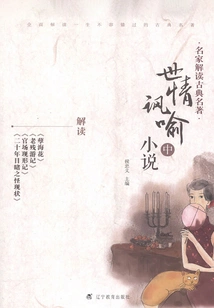
Literature名家解读古典名著·世情讽喻小说(中)
Hou Zhongyi
Interpretation of "The Travels of Lao Can" People are no strangers to "The Travels of Lao Can", but if asked what kind of novel "The Travels of Lao Can" is and why Liu E wrote "The Travels of Lao Can", few people can tell clearly. This book not only answers these two questions well, but also discusses the thought and art of "Lao Can's Travels". Interpretation of "The Emergence of Officialdom" "The Emergence of Officialdom" is the leading "officialdom" novel in the late Qing Dynasty. It caused a sensation in the "Revelation of Officialdom" craze at that time. Based on the evaluation of its author, this book analyzes its content and structure in detail, and systematically interprets its ideological characteristics, social significance and satirical art. Interpretation of "The Strange Current Situation Witnessed in Twenty Years" "The Strange Current Situation Witnessed in Twenty Years" is known as one of the "four major condemnation novels" in the late Qing Dynasty. Its author Wu Jianren is one of the "four major condemnation novelists" in the late Qing Dynasty. This book provides a comprehensive interpretation of important works such as Wu Jianren's "The Strange Current Situation Witnessed in Twenty Years". Interpretation of "Flowers of the Evil Sea" As one of the "four major condemnation novels" in the late Qing Dynasty, "Flowers of the Evil Sea" became popular all over the country immediately after its publication in 1905, and was warmly welcomed by readers. At the same time, it has always been a hot topic in the literary world, and fierce debates have almost never stopped. This book provides a comprehensive and in-depth interpretation of "Nie Haihua" and related topics, which is quite innovative.
Interpretation of "The Travels of Lao Can" People are no strangers to "The Travels of Lao Can", but if asked what kind of novel "The Travels of Lao Can" is and why Liu E wrote "The Travels of Lao Can", few people can tell clearly. This book not only answers these two questions well, but also discusses the thought and art of "Lao Can's Travels". Interpretation of "The Emergence of Officialdom" "The Emergence of Officialdom" is the leading "officialdom" novel in the late Qing Dynasty. It caused a sensation in the "Revelation of Officialdom" craze at that time. Based on the evaluation of its author, this book analyzes its content and structure in detail, and systematically interprets its ideological characteristics, social significance and satirical art. Interpretation of "The Strange Current Situation Witnessed in Twenty Years" "The Strange Current Situation Witnessed in Twenty Years" is known as one of the "four major condemnation novels" in the late Qing Dynasty. Its author Wu Jianren is one of the "four major condemnation novelists" in the late Qing Dynasty. This book provides a comprehensive interpretation of important works such as Wu Jianren's "The Strange Current Situation Witnessed in Twenty Years". Interpretation of "Flowers of the Evil Sea" As one of the "four major condemnation novels" in the late Qing Dynasty, "Flowers of the Evil Sea" became popular all over the country immediately after its publication in 1905, and was warmly welcomed by readers. At the same time, it has always been a hot topic in the literary world, and fierce debates have almost never stopped. This book provides a comprehensive and in-depth interpretation of "Nie Haihua" and related topics, which is quite innovative.
Classical Masterpieces Interpreted by Famous Experts·chivalrous Public Case Novels (part 1)
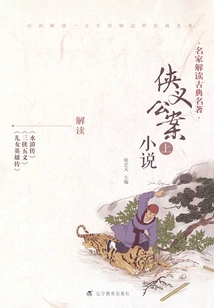
Literature名家解读古典名著·侠义公案小说(上)
Hou Zhongyi
Interpreting the profound ideological content of "Water Margin" and shaping Shangchao's artistic techniques solve the eternal mystery of why "if you don't read Water Margin, you don't know the wonders of the world" and "it is unique to "Water Margin", but I just don't get tired of watching it". Interpret what kind of novel "The Heroes of Sons and Daughters" is? Why is it said to be comparable to "Dream of Red Mansions"? What are the similarities between its content and author and "A Dream of Red Mansions"? What are its achievements and shortcomings? Interpretation of "Three Heroes and Five Righteousness" is a chivalrous public case novel with the highest artistic level. It interprets the images of Bao Gong and Zhan Zhao described in the book, analyzes the artistic characteristics of the characters in the book and their influence on later novels, and explores the writing process of the "Three Heroes and Five Righteousness" series.
Interpreting the profound ideological content of "Water Margin" and shaping Shangchao's artistic techniques solve the eternal mystery of why "if you don't read Water Margin, you don't know the wonders of the world" and "it is unique to "Water Margin", but I just don't get tired of watching it". Interpret what kind of novel "The Heroes of Sons and Daughters" is? Why is it said to be comparable to "Dream of Red Mansions"? What are the similarities between its content and author and "A Dream of Red Mansions"? What are its achievements and shortcomings? Interpretation of "Three Heroes and Five Righteousness" is a chivalrous public case novel with the highest artistic level. It interprets the images of Bao Gong and Zhan Zhao described in the book, analyzes the artistic characteristics of the characters in the book and their influence on later novels, and explores the writing process of the "Three Heroes and Five Righteousness" series.