Library
Browse and search books
1 novel found
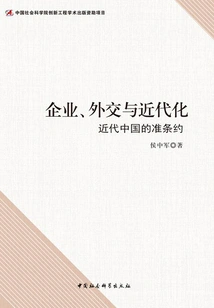
企业、外交与近代化:近代中国的准条约
Hou Zhongjun
The quasi-treaties in modern China were the product of the Westernization Movement that had developed to a certain historical stage. It initially focused on modern industries such as telecommunications, railways, and mining, and was closely related to modernization issues. Since the quasi-treaty involves foreign economic affairs, in the late Qing Dynasty when the division of diplomatic responsibilities was not clear, companies often assumed the function of foreign negotiation, and thus evolved their own characteristics of corporate social responsibility: government responsibility or national responsibility. After the Sino-Japanese War, especially after the Boxer Rebellion, the theme of quasi-treaties closely related to modernization changed. Although quasi-treaties such as telecommunications, roads, and mines still existed, political loans began to appear. During the political reform in the late Qing Dynasty, the Qing government established specialized economic management departments and tried to use institutional efforts to separate the economy from foreign affairs in order to protect interests. After the founding of the Republic of China, it fully inherited the treaties and foreign debts left by the late Qing government, and declared an integrated protection of the vested rights of all outsiders. Quasi-treaties were certainly within this scope. After World War I, the weakening trend of quasi-treaties intensified. Except for radio quasi-treaties, other types of quasi-treaties gradually disappeared. This situation lasted until the end of the Nanjing National Government.
The quasi-treaties in modern China were the product of the Westernization Movement that had developed to a certain historical stage. It initially focused on modern industries such as telecommunications, railways, and mining, and was closely related to modernization issues. Since the quasi-treaty involves foreign economic affairs, in the late Qing Dynasty when the division of diplomatic responsibilities was not clear, companies often assumed the function of foreign negotiation, and thus evolved their own characteristics of corporate social responsibility: government responsibility or national responsibility. After the Sino-Japanese War, especially after the Boxer Rebellion, the theme of quasi-treaties closely related to modernization changed. Although quasi-treaties such as telecommunications, roads, and mines still existed, political loans began to appear. During the political reform in the late Qing Dynasty, the Qing government established specialized economic management departments and tried to use institutional efforts to separate the economy from foreign affairs in order to protect interests. After the founding of the Republic of China, it fully inherited the treaties and foreign debts left by the late Qing government, and declared an integrated protection of the vested rights of all outsiders. Quasi-treaties were certainly within this scope. After World War I, the weakening trend of quasi-treaties intensified. Except for radio quasi-treaties, other types of quasi-treaties gradually disappeared. This situation lasted until the end of the Nanjing National Government.