Library
Browse and search books
12 novels found
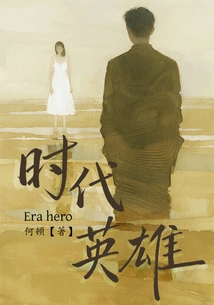
Hero of the Times
General Fiction时代英雄
Horton
The novel revolves around the two main lines of teacher Luo Ding and wealthy girl Tan Yuanyuan: the former gradually loses his moral bottom line in the ups and downs of the business world, and the latter falls into a mental dilemma due to an extramarital affair. The author uses plain writing to describe the alienation process of characters in the period of social transformation. Through the contrast between material pursuit and the collapse of ideals, he reveals the dissolution of the concept of heroism in an impetuous society.
The novel revolves around the two main lines of teacher Luo Ding and wealthy girl Tan Yuanyuan: the former gradually loses his moral bottom line in the ups and downs of the business world, and the latter falls into a mental dilemma due to an extramarital affair. The author uses plain writing to describe the alienation process of characters in the period of social transformation. Through the contrast between material pursuit and the collapse of ideals, he reveals the dissolution of the concept of heroism in an impetuous society.

My Classmates and I
General Fiction我和我的同学
Horton
In 2006, it was the 30th anniversary of our high school graduation. It seemed unreasonable not to have a gathering. After the efforts of Huang Yanxia, Dou Juan, Hu Yuejin and Huang Jianguo, we gathered on one day in October. The party was held at a farmhouse next to the county town. The farmhouse had food, fishing, and karaoke. It was of course an ideal place for old classmates to gather. We are both approaching 50 years old. Thirty years ago, we went to the countryside as soon as we graduated from high school. Later, we found jobs or went to college. When we started working, we were faced with finding a partner, getting married, and having children. Next, we had to raise children and work for survival. A series of things were waiting for our generation to complete one by one. Some classmates have never seen each other since graduation.
In 2006, it was the 30th anniversary of our high school graduation. It seemed unreasonable not to have a gathering. After the efforts of Huang Yanxia, Dou Juan, Hu Yuejin and Huang Jianguo, we gathered on one day in October. The party was held at a farmhouse next to the county town. The farmhouse had food, fishing, and karaoke. It was of course an ideal place for old classmates to gather. We are both approaching 50 years old. Thirty years ago, we went to the countryside as soon as we graduated from high school. Later, we found jobs or went to college. When we started working, we were faced with finding a partner, getting married, and having children. Next, we had to raise children and work for survival. A series of things were waiting for our generation to complete one by one. Some classmates have never seen each other since graduation.
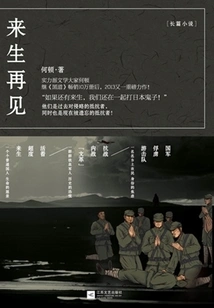
See You in the Next Life
General Fiction来生再见
Horton
If there is an afterlife, we will still fight the Japanese devils together. Huang Kangri, formerly known as Huang Shanmao, was drafted into the army in place of his older brother at the age of 20. His name was changed by a national army battalion commander that year. With a gorilla face, he participated in three battles in Changsha. Five years later, during the Battle of Changde, he was captured by the Japanese army and carried artillery shells for the Japanese army. He was later rescued by the Nationalist soldiers who recovered the lost city. Half a year later, at the end of the famous Hengyang Defense Battle, he and his brothers raised their weak hands to the Japanese army under the instructions of the regiment commander. At that time, they were starving to death. They had not eaten a grain of rice for several days, drank sewer water, and had no intention of living anymore. Huang Kangri was the platoon leader at that time, and after recuperation he was incorporated into the puppet army. A few months later, he was captured by the Shonan guerrillas, so he turned to the bright side and became a guerrilla. Five years later, he was arrested by local armed forces of the Kuomintang and imprisoned for five days. Five days later, a guerrilla force returned and liberated Huangjia Town. Huang Kangri was free again.
If there is an afterlife, we will still fight the Japanese devils together. Huang Kangri, formerly known as Huang Shanmao, was drafted into the army in place of his older brother at the age of 20. His name was changed by a national army battalion commander that year. With a gorilla face, he participated in three battles in Changsha. Five years later, during the Battle of Changde, he was captured by the Japanese army and carried artillery shells for the Japanese army. He was later rescued by the Nationalist soldiers who recovered the lost city. Half a year later, at the end of the famous Hengyang Defense Battle, he and his brothers raised their weak hands to the Japanese army under the instructions of the regiment commander. At that time, they were starving to death. They had not eaten a grain of rice for several days, drank sewer water, and had no intention of living anymore. Huang Kangri was the platoon leader at that time, and after recuperation he was incorporated into the puppet army. A few months later, he was captured by the Shonan guerrillas, so he turned to the bright side and became a guerrilla. Five years later, he was arrested by local armed forces of the Kuomintang and imprisoned for five days. Five days later, a guerrilla force returned and liberated Huangjia Town. Huang Kangri was free again.
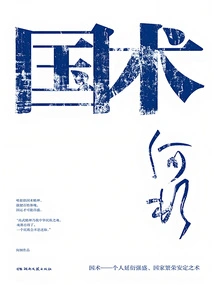
Chinese Martial Arts
General Fiction国术
Horton
"Guoshu" is a literary work that uses realistic creative techniques to restore the style of the times and the fate of the characters. The protagonist Liu Qirong has been sick since he was a child. In order to strengthen his body, he began to practice martial arts with a master at the age of 8, and he has continued to do so throughout his life. Chinese martial arts gave him a healthy body, strong will and perseverance, and also led him to pursue patriotism and serving the country as his original intention throughout his life. During the Anti-Japanese War, he participated in the Anti-Japanese War and formed an anti-Japanese guerrilla team. Later, he went to Anhui to fight against the Japanese and served as a martial arts instructor. During the labor reform period, he fought against violence and helped the people with his unique skills. He used special trauma skills and homemade Chinese herbal medicine to set bones and heal the people's injuries for free. In peacetime, he created his own sect, wrote books and taught skills, and promoted and passed down Chinese martial arts.
"Guoshu" is a literary work that uses realistic creative techniques to restore the style of the times and the fate of the characters. The protagonist Liu Qirong has been sick since he was a child. In order to strengthen his body, he began to practice martial arts with a master at the age of 8, and he has continued to do so throughout his life. Chinese martial arts gave him a healthy body, strong will and perseverance, and also led him to pursue patriotism and serving the country as his original intention throughout his life. During the Anti-Japanese War, he participated in the Anti-Japanese War and formed an anti-Japanese guerrilla team. Later, he went to Anhui to fight against the Japanese and served as a martial arts instructor. During the labor reform period, he fought against violence and helped the people with his unique skills. He used special trauma skills and homemade Chinese herbal medicine to set bones and heal the people's injuries for free. In peacetime, he created his own sect, wrote books and taught skills, and promoted and passed down Chinese martial arts.
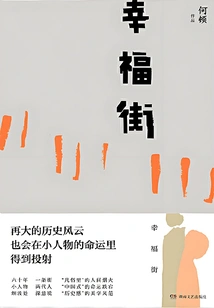
Xingfu Street
General Fiction幸福街
Horton
The work tells the story of two generations living in Xingfu Street, their experiences and emotions during the special period and nearly half a century of reform and opening up. Through the fate of the little people, it reflects the social changes of contemporary China in a broad, profound, true and vivid way. He Yong said that happiness is to live with friends and the girl you like; Lin Aya said that happiness is to look beautiful and live beautifully; Chen Manqiu said that happiness is to be able to go to college and change the destiny of oneself and his mother; Zhang Xiaoshan said that happiness is to earn money that cannot be spent in the next life; Huang Guohui said that happiness is to be valued by brothers and others...
The work tells the story of two generations living in Xingfu Street, their experiences and emotions during the special period and nearly half a century of reform and opening up. Through the fate of the little people, it reflects the social changes of contemporary China in a broad, profound, true and vivid way. He Yong said that happiness is to live with friends and the girl you like; Lin Aya said that happiness is to look beautiful and live beautifully; Chen Manqiu said that happiness is to be able to go to college and change the destiny of oneself and his mother; Zhang Xiaoshan said that happiness is to earn money that cannot be spent in the next life; Huang Guohui said that happiness is to be valued by brothers and others...
Resister
General Fiction抵抗者
Horton
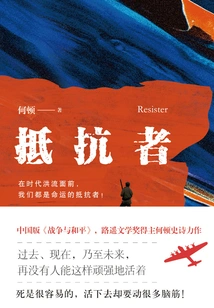
Chinese version of "War and Peace", an epic masterpiece by Luyao Literature Award winner He Dun! This is the legendary story of a group of resisters who are caught up in the great era, unable to control themselves, and whose identities are constantly changing. In 1938, twenty-year-old Huang Kangri escaped being captured, but did not escape his father's order and replaced his brother on the battlefield. He was afraid of and avoided fighting, but he fought from the three battles of Changsha, to the Battle of Anxiang, the Battle of Changde, the Defense of Hengyang, and the Battle of Huaishudian, until the end of the Liberation War... He was able to escape the bombardment, but failed to escape the Japanese patrols; he wanted to die on the battlefield, but was ordered by his superiors to surrender to the Japanese army; He was captured by the guerrillas, but became the second in command; the recruit who taught him the wisdom of battlefield survival was shot in the head; the comrades who despised his timidity were frightened by the war; during the "Cultural Revolution", he was driven crazy by the rebels, but in his later years he revealed that he had a hidden agenda... He fought for eleven years and was captured four times by three different types of troops. This strange little man, in an era when everyone wants to be a hero, has developed unique survival wisdom: don't act like a hero, don't attract attention. He escaped more than a hundred battles and the capture of death in battles, and has been living tenaciously...
Chinese version of "War and Peace", an epic masterpiece by Luyao Literature Award winner He Dun! This is the legendary story of a group of resisters who are caught up in the great era, unable to control themselves, and whose identities are constantly changing. In 1938, twenty-year-old Huang Kangri escaped being captured, but did not escape his father's order and replaced his brother on the battlefield. He was afraid of and avoided fighting, but he fought from the three battles of Changsha, to the Battle of Anxiang, the Battle of Changde, the Defense of Hengyang, and the Battle of Huaishudian, until the end of the Liberation War... He was able to escape the bombardment, but failed to escape the Japanese patrols; he wanted to die on the battlefield, but was ordered by his superiors to surrender to the Japanese army; He was captured by the guerrillas, but became the second in command; the recruit who taught him the wisdom of battlefield survival was shot in the head; the comrades who despised his timidity were frightened by the war; during the "Cultural Revolution", he was driven crazy by the rebels, but in his later years he revealed that he had a hidden agenda... He fought for eleven years and was captured four times by three different types of troops. This strange little man, in an era when everyone wants to be a hero, has developed unique survival wisdom: don't act like a hero, don't attract attention. He escaped more than a hundred battles and the capture of death in battles, and has been living tenaciously...
See You in the Next Life
General Fiction来生再见
Horton
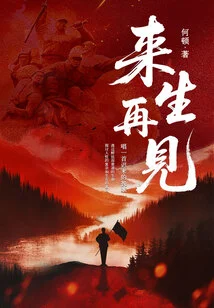
Huang Kangri, formerly known as Huang Shanmao, was drafted into the army in place of his older brother at the age of 20. His name was changed by a national army battalion commander that year. With a gorilla face, he participated in three battles in Changsha. Five years later, during the Battle of Changde, he was captured by the Japanese army and carried artillery shells for the Japanese army. He was later rescued by the Nationalist soldiers who recovered the lost city. Half a year later, at the end of the famous Hengyang Defense Battle, he and his brothers raised their weak hands to the Japanese army under the instructions of the regiment commander. At that time, they were starving to death. They had not eaten a grain of rice for several days, drank sewer water, and had no intention of living anymore. Huang Kangri was the platoon leader at that time, and after recuperation he was incorporated into the puppet army. A few months later, he was captured by the Shonan guerrillas, so he turned to the bright side and became a guerrilla. Five years later, he was arrested by local armed forces of the Kuomintang and imprisoned for five days. Five days later, a guerrilla force returned and liberated Huangjia Town. Huang Kangri was free again. Later, when Huang Kangri was locked up and writing confession materials, he wrote out these stories in detail.
Huang Kangri, formerly known as Huang Shanmao, was drafted into the army in place of his older brother at the age of 20. His name was changed by a national army battalion commander that year. With a gorilla face, he participated in three battles in Changsha. Five years later, during the Battle of Changde, he was captured by the Japanese army and carried artillery shells for the Japanese army. He was later rescued by the Nationalist soldiers who recovered the lost city. Half a year later, at the end of the famous Hengyang Defense Battle, he and his brothers raised their weak hands to the Japanese army under the instructions of the regiment commander. At that time, they were starving to death. They had not eaten a grain of rice for several days, drank sewer water, and had no intention of living anymore. Huang Kangri was the platoon leader at that time, and after recuperation he was incorporated into the puppet army. A few months later, he was captured by the Shonan guerrillas, so he turned to the bright side and became a guerrilla. Five years later, he was arrested by local armed forces of the Kuomintang and imprisoned for five days. Five days later, a guerrilla force returned and liberated Huangjia Town. Huang Kangri was free again. Later, when Huang Kangri was locked up and writing confession materials, he wrote out these stories in detail.
Ruthless Gangster
General Fiction狠·黑道
Horton
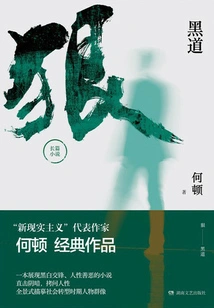
"Cruel Underworld" is an excellent novel that thinks about human nature and explores society. It records the entire process of a very small number of people accumulating wealth through criminal means during China's transformation period and eventually leading to destruction. The tragedy of a "ruthless" character's self-destructive life is presented in a realistic style. In the 1980s, Zhong Tielong, who came from a poor family, was admitted to the mathematics department of a key university, but after graduation, he went astray step by step. With their ruthless power, by the turn of the millennium, Zhong Tielong and his subordinates had become an unstable factor disrupting the normal order of Changyi City. After repeatedly violating the bottom line, Captain Chen of the Criminal Investigation Brigade vowed to arrest him and bring him to justice. Rise and fall in an instant. The work still has important practical significance for today's society and has profound enlightenment and warning effects. It is a classic worth reading.
"Cruel Underworld" is an excellent novel that thinks about human nature and explores society. It records the entire process of a very small number of people accumulating wealth through criminal means during China's transformation period and eventually leading to destruction. The tragedy of a "ruthless" character's self-destructive life is presented in a realistic style. In the 1980s, Zhong Tielong, who came from a poor family, was admitted to the mathematics department of a key university, but after graduation, he went astray step by step. With their ruthless power, by the turn of the millennium, Zhong Tielong and his subordinates had become an unstable factor disrupting the normal order of Changyi City. After repeatedly violating the bottom line, Captain Chen of the Criminal Investigation Brigade vowed to arrest him and bring him to justice. Rise and fall in an instant. The work still has important practical significance for today's society and has profound enlightenment and warning effects. It is a classic worth reading.
We Are Like Beasts
General Fiction我们像野兽
Horton
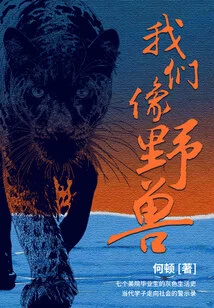
The author, who is always known for his style that is close to the public, interprets the ephemeral life of seven college students who graduated from the Academy of Fine Arts in the 1980s: from the campus dreams of the 1980s to the disillusionment of reality, from the hard work of survival to the hard work and self-satisfaction. It shows the complex entanglement of a generation with secular life during the transformation of the market economy, their erotic love and hate, their lives and careers. Through their life trajectories over the past twenty years, it projects the changes in the lifestyle and ethical concepts of a generation in the era of great changes. The rich flavor of Changsha adds color to the work. All people who came out of the 1980s and non-1980s will see the history of themselves and their own generation.
The author, who is always known for his style that is close to the public, interprets the ephemeral life of seven college students who graduated from the Academy of Fine Arts in the 1980s: from the campus dreams of the 1980s to the disillusionment of reality, from the hard work of survival to the hard work and self-satisfaction. It shows the complex entanglement of a generation with secular life during the transformation of the market economy, their erotic love and hate, their lives and careers. Through their life trajectories over the past twenty years, it projects the changes in the lifestyle and ethical concepts of a generation in the era of great changes. The rich flavor of Changsha adds color to the work. All people who came out of the 1980s and non-1980s will see the history of themselves and their own generation.
We Are Like Sunflowers
General Fiction我们像葵花
Horton
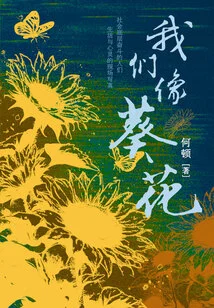
Feng Jianjun, Liu Jianguo, Li Yuejin and others are children who grew up in a special period. They think that "we are like sunflowers" and embrace the dreams and romance of heroism and idealism. However, under the impact of the surging commodity economy, their personalities and destiny have undergone drastic changes. This is a live portrait of the lives and souls of a group of people who have little capital but still refuse to give up their ideals and struggle at the bottom of society.
Feng Jianjun, Liu Jianguo, Li Yuejin and others are children who grew up in a special period. They think that "we are like sunflowers" and embrace the dreams and romance of heroism and idealism. However, under the impact of the surging commodity economy, their personalities and destiny have undergone drastic changes. This is a live portrait of the lives and souls of a group of people who have little capital but still refuse to give up their ideals and struggle at the bottom of society.
Materialistic Animal
General Fiction物欲动物
Horton
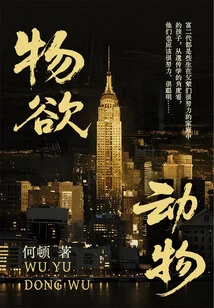
The rich second generation are children born into families where their parents worked very hard. From a genetic point of view, they should also be very hardworking and smart... The advantage of the rich second generation is that they know how to live and enjoy. In terms of pursuing material enjoyment, they surpass their parents and have more exciting games than their parents. Therefore, they are arrogant. The disadvantage is that they have low endurance and cannot withstand blows. This is a common phenomenon. There are often these reports on TV or newspapers... Not all rich second generations are people who only know how to enjoy themselves. They can also endure hardship. In the pursuit of money, wealth and ideals, they work just as hard as young people from ordinary people's families, or even harder.
The rich second generation are children born into families where their parents worked very hard. From a genetic point of view, they should also be very hardworking and smart... The advantage of the rich second generation is that they know how to live and enjoy. In terms of pursuing material enjoyment, they surpass their parents and have more exciting games than their parents. Therefore, they are arrogant. The disadvantage is that they have low endurance and cannot withstand blows. This is a common phenomenon. There are often these reports on TV or newspapers... Not all rich second generations are people who only know how to enjoy themselves. They can also endure hardship. In the pursuit of money, wealth and ideals, they work just as hard as young people from ordinary people's families, or even harder.
Hunan Mule
General Fiction湖南骡子
Horton
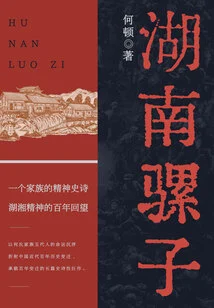
"Hunan Mules" is a novel that reflects one hundred years of modern and contemporary vicissitudes of Changsha, Hunan through five generations of the He family. Among the four brothers in the second generation of the family, there are both senior generals of the Kuomintang and senior cadres of the Communist Party. They have completely different ideals and doctrines, but they are deeply in love with each other. This book describes a series of very cruel and tragic Hunan people's lives that have disappeared, and also writes about the collective character of the Hunan people who are as tough and stubborn as mules.
"Hunan Mules" is a novel that reflects one hundred years of modern and contemporary vicissitudes of Changsha, Hunan through five generations of the He family. Among the four brothers in the second generation of the family, there are both senior generals of the Kuomintang and senior cadres of the Communist Party. They have completely different ideals and doctrines, but they are deeply in love with each other. This book describes a series of very cruel and tragic Hunan people's lives that have disappeared, and also writes about the collective character of the Hunan people who are as tough and stubborn as mules.