Library
Browse and search books
1 novel found
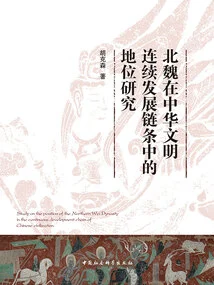
北魏在中华文明连续发展链条中的地位研究
Hookson
The Wei, Jin, Southern and Northern Dynasties were a period of long-term ethnic divisions that followed the unification of the Qin and Han dynasties. The Western Jin Dynasty fell, and the Han nationality was forced to move out of the Yellow River Basin. It was replaced by the rise of many Hu nationality regimes in the Central Plains. Chinese culture faced the danger of interrupting its development. It was the Tuoba tribe who took advantage of the time and established the Northern Wei Empire. They shouldered the historical mission of ending the Sixteen Kingdoms, unifying the Yellow River Basin, and starting a new unification of the Sui and Tang Dynasties, so that Chinese civilization could continue, enrich and develop. The Northern Wei Empire occupied a very important historical position in continuing the continuous development of Chinese civilization. The reason why the Northern Wei Empire was able to complete this historical mission was that it recognized Chinese orthodoxy, boldly carried out Sinicization reforms, bravely absorbed Han culture, and found its own historical position from traditional Chinese culture. This book collects a total of 7 articles, of which 5 were published in various journals and 2 were published for the first time. Although these articles were written and published at different times, they express the theme of the Northern Wei Dynasty's position in the continuous development of Chinese civilization with strict logic and interlocking with each other. Therefore, they were published under the title "Research on the Position of the Northern Wei Dynasty in the Chain of the Continuous Development of Chinese Civilization".
The Wei, Jin, Southern and Northern Dynasties were a period of long-term ethnic divisions that followed the unification of the Qin and Han dynasties. The Western Jin Dynasty fell, and the Han nationality was forced to move out of the Yellow River Basin. It was replaced by the rise of many Hu nationality regimes in the Central Plains. Chinese culture faced the danger of interrupting its development. It was the Tuoba tribe who took advantage of the time and established the Northern Wei Empire. They shouldered the historical mission of ending the Sixteen Kingdoms, unifying the Yellow River Basin, and starting a new unification of the Sui and Tang Dynasties, so that Chinese civilization could continue, enrich and develop. The Northern Wei Empire occupied a very important historical position in continuing the continuous development of Chinese civilization. The reason why the Northern Wei Empire was able to complete this historical mission was that it recognized Chinese orthodoxy, boldly carried out Sinicization reforms, bravely absorbed Han culture, and found its own historical position from traditional Chinese culture. This book collects a total of 7 articles, of which 5 were published in various journals and 2 were published for the first time. Although these articles were written and published at different times, they express the theme of the Northern Wei Dynasty's position in the continuous development of Chinese civilization with strict logic and interlocking with each other. Therefore, they were published under the title "Research on the Position of the Northern Wei Dynasty in the Chain of the Continuous Development of Chinese Civilization".