Library
Browse and search books
12 novels found
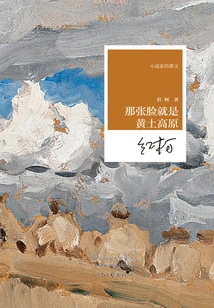
That Face is the Loess Plateau
Literature那张脸就是黄土高原
Hongke
This book is one of the series "Novelist's Prose". Hong Ke roamed at the foot of the Tianshan Mountains in Xinjiang for ten years. He has a quality of life that can only be revealed in the frontier and a life perception extracted from these ten years of in-depth experience. This is the source of life that makes his artistic creation unique and powerful. From the Loess Plateau to the lonely smoke in the desert, the milk of wisdom that Hong Ke absorbed is a combination of "Central Plains Culture" and "Horseback Culture." His prose contains the "consciousness of life" loved by the nomads in the west, a cultural atmosphere that makes readers feel inspired by the customs of the Tianshan Mountains, epic writing of the divinity of all things and humans, and pure aesthetic feelings.
This book is one of the series "Novelist's Prose". Hong Ke roamed at the foot of the Tianshan Mountains in Xinjiang for ten years. He has a quality of life that can only be revealed in the frontier and a life perception extracted from these ten years of in-depth experience. This is the source of life that makes his artistic creation unique and powerful. From the Loess Plateau to the lonely smoke in the desert, the milk of wisdom that Hong Ke absorbed is a combination of "Central Plains Culture" and "Horseback Culture." His prose contains the "consciousness of life" loved by the nomads in the west, a cultural atmosphere that makes readers feel inspired by the customs of the Tianshan Mountains, epic writing of the divinity of all things and humans, and pure aesthetic feelings.
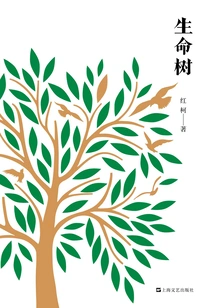
Tree of Life
General Fiction生命树
Hongke
"Singer of the Western Regions, Poet of the Soul" Hong Ke's work collection series, highly appreciated by Li Jingze and Jia Pingwa. "The Tree of Life" is the fourth novel in Hong Ke's "Tianshan Series" and tells the story of Ma Laixin and Niu Luxi, two comrades who enlisted in the army together. Many years later, Ma Laixin sent his daughter Ma Yanhong to school in the county town. An accident changed Ma Yanhong's life, and also affected the lives of class teacher Wang Lanlan and classmate Xu Lili who learned the inside story. In order to honor his mother, Niu Luxi had no choice but to divorce his wife Li Aiqin and return home, but was defrauded of all his savings by his younger brother. ... The spiritual growth of two men is the substantial source of the story of "The Tree of Life". Against the vast background of the frontier, the author incorporates myths, legends, and ballads into the narrative, describing the growth of life in a rough yet delicate way, presenting the divine atmosphere of heaven and earth, grandeur, and vigorous vitality.
"Singer of the Western Regions, Poet of the Soul" Hong Ke's work collection series, highly appreciated by Li Jingze and Jia Pingwa. "The Tree of Life" is the fourth novel in Hong Ke's "Tianshan Series" and tells the story of Ma Laixin and Niu Luxi, two comrades who enlisted in the army together. Many years later, Ma Laixin sent his daughter Ma Yanhong to school in the county town. An accident changed Ma Yanhong's life, and also affected the lives of class teacher Wang Lanlan and classmate Xu Lili who learned the inside story. In order to honor his mother, Niu Luxi had no choice but to divorce his wife Li Aiqin and return home, but was defrauded of all his savings by his younger brother. ... The spiritual growth of two men is the substantial source of the story of "The Tree of Life". Against the vast background of the frontier, the author incorporates myths, legends, and ballads into the narrative, describing the growth of life in a rough yet delicate way, presenting the divine atmosphere of heaven and earth, grandeur, and vigorous vitality.
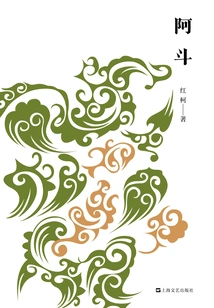
Adou
General Fiction阿斗
Hongke
"Singer of the Western Regions, Poet of the Soul" Hong Ke's work collection series, highly appreciated by Li Jingze and Jia Pingwa. In the Age of Heroes, how do fools survive? After the fall of the Shu Han Dynasty, Liu Chan and Adou were taken to Luoyang to meet General Sima Zhao of the Wei State. Sima Zhao witnessed Adou's "lack of thinking about Shu" and was very curious. He had three long conversations with Adou. Through Adou's inner monologue, the novel outlines the unique survival rules in the eyes of a loser who is labeled incompetent by the world, and provides another possible perspective for us to read the Three Kingdoms. In the troubled times of the Three Kingdoms, heroes are vying for hegemony, but only the fool is valuable. "Adou who can't help himself" also has his cute and straightforward side.
"Singer of the Western Regions, Poet of the Soul" Hong Ke's work collection series, highly appreciated by Li Jingze and Jia Pingwa. In the Age of Heroes, how do fools survive? After the fall of the Shu Han Dynasty, Liu Chan and Adou were taken to Luoyang to meet General Sima Zhao of the Wei State. Sima Zhao witnessed Adou's "lack of thinking about Shu" and was very curious. He had three long conversations with Adou. Through Adou's inner monologue, the novel outlines the unique survival rules in the eyes of a loser who is labeled incompetent by the world, and provides another possible perspective for us to read the Three Kingdoms. In the troubled times of the Three Kingdoms, heroes are vying for hegemony, but only the fool is valuable. "Adou who can't help himself" also has his cute and straightforward side.
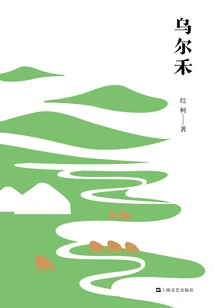
Urho
General Fiction乌尔禾
Hongke
"Singer of the Western Regions, Poet of the Soul" Hong Ke's work collection series, highly appreciated by Li Jingze and Jia Pingwa. "Urho" tells the emotional story between two men and a woman living in Urho. The bond between the three people is accompanied by local legends, which seems quite mysterious and magical: According to the legend, in order to save the herdsmen on the grassland, Hailibu, a Mongolian hunter, was willing to turn himself into stone and spread the news about the impending disaster that he heard from the birds. Ancient legends are connected with contemporary life, creating a strange chemical reaction. Hong Ke weaves the two together in a way that blends reality and imagination, legend and life, and gives the soul of Hailibu in the myth to the heroes of the new era, showing readers the unique life of the Mongolian people on the Gobi grasslands of Xinjiang.
"Singer of the Western Regions, Poet of the Soul" Hong Ke's work collection series, highly appreciated by Li Jingze and Jia Pingwa. "Urho" tells the emotional story between two men and a woman living in Urho. The bond between the three people is accompanied by local legends, which seems quite mysterious and magical: According to the legend, in order to save the herdsmen on the grassland, Hailibu, a Mongolian hunter, was willing to turn himself into stone and spread the news about the impending disaster that he heard from the birds. Ancient legends are connected with contemporary life, creating a strange chemical reaction. Hong Ke weaves the two together in a way that blends reality and imagination, legend and life, and gives the soul of Hailibu in the myth to the heroes of the new era, showing readers the unique life of the Mongolian people on the Gobi grasslands of Xinjiang.
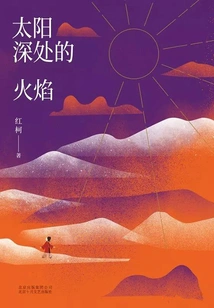
Flame Deep in the Sun
General Fiction太阳深处的火焰
Hongke
The book is developed in two lines. One focuses on the spiritual dilemma of contemporary intellectuals trapped in bookstores, and the children under their leather robes. As the saying goes, "In the past, their clothes were messy and their hearts were pure. Now they are neatly dressed and their spirits are not guarded." The author writes about contemporary academics with a cold and stern style, with humor and irony in his words, which is both introspective and profound. It can be called a vivid "new history of academics" in contemporary times. The other line tells the romantic love story between Professor Xu Jiyun of Weibei University and Xinjiang girl Wu Limei when they were young. The writer broke through the previous simple description of the relationship between man and animals, and man and nature, and wrote about the coexistence of man and man in his works, carefully describing the daily life, working conditions and inner world of folk shadow puppet artists in Guanzhong, Shaanxi Province, and observing the situation of grassroots intellectuals and folk artists. It reflects the differences between Shaanxi Guanzhong culture and the border minority culture. The two cultures learn from and complement each other in the collision, which is conducive to further integration and development of ethnic groups.
The book is developed in two lines. One focuses on the spiritual dilemma of contemporary intellectuals trapped in bookstores, and the children under their leather robes. As the saying goes, "In the past, their clothes were messy and their hearts were pure. Now they are neatly dressed and their spirits are not guarded." The author writes about contemporary academics with a cold and stern style, with humor and irony in his words, which is both introspective and profound. It can be called a vivid "new history of academics" in contemporary times. The other line tells the romantic love story between Professor Xu Jiyun of Weibei University and Xinjiang girl Wu Limei when they were young. The writer broke through the previous simple description of the relationship between man and animals, and man and nature, and wrote about the coexistence of man and man in his works, carefully describing the daily life, working conditions and inner world of folk shadow puppet artists in Guanzhong, Shaanxi Province, and observing the situation of grassroots intellectuals and folk artists. It reflects the differences between Shaanxi Guanzhong culture and the border minority culture. The two cultures learn from and complement each other in the collision, which is conducive to further integration and development of ethnic groups.
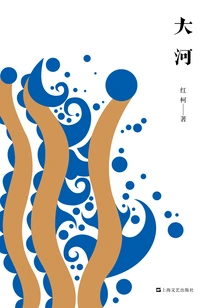
Big River
General Fiction大河
Hongke
"Singer of the Western Regions, Poet of the Soul" Hong Ke's work collection series, highly appreciated by Li Jingze and Jia Pingwa. Among the mountains, rivers, earth and animals, people truly find the foundation of life. "Big River" is a novel in Hong Ke's "Tianshan Series" and is his representative work. It tells the legendary story of Lao Jin's family in the Altai Military Reclamation Area: an unruly female soldier fell in love with a young clerk, but was considered to have violated military discipline. The young clerk was transferred to the animal husbandry class to herd sheep, but was later eaten by a white bear. The female soldier ran into the forest alone in search of her lover, and returned to the reclamation area half a year later with her child. Lao Jin later became the child's father...
"Singer of the Western Regions, Poet of the Soul" Hong Ke's work collection series, highly appreciated by Li Jingze and Jia Pingwa. Among the mountains, rivers, earth and animals, people truly find the foundation of life. "Big River" is a novel in Hong Ke's "Tianshan Series" and is his representative work. It tells the legendary story of Lao Jin's family in the Altai Military Reclamation Area: an unruly female soldier fell in love with a young clerk, but was considered to have violated military discipline. The young clerk was transferred to the animal husbandry class to herd sheep, but was later eaten by a white bear. The female soldier ran into the forest alone in search of her lover, and returned to the reclamation area half a year later with her child. Lao Jin later became the child's father...
Genesis: a Veteran's Story
General Fiction创世记:老兵的故事
Hongke
"Genesis: The Story of a Veteran" is a posthumous novel by the Lu Xun Literature Award-winning writer Hong Ke. It shows the grand history of a generation of military reclamation veterans who built their homes on the border. The pioneering spirit of Xinjiang veterans' cultivation and border garrison has been well explained and promoted in the novel. The novel tells the story of reclamation, and it is also a story of nature. It is like a majestic epic, full of wildness and spirituality, and permeated with desolation and compassion. The author writes about the harmonious coexistence of man and nature, where man, the earth and rivers are integrated. The novel is as moving as a poem, with the romantic temperament and strong and tenacious vitality inherent in Hongke's writing flowing between the lines.
"Genesis: The Story of a Veteran" is a posthumous novel by the Lu Xun Literature Award-winning writer Hong Ke. It shows the grand history of a generation of military reclamation veterans who built their homes on the border. The pioneering spirit of Xinjiang veterans' cultivation and border garrison has been well explained and promoted in the novel. The novel tells the story of reclamation, and it is also a story of nature. It is like a majestic epic, full of wildness and spirituality, and permeated with desolation and compassion. The author writes about the harmonious coexistence of man and nature, where man, the earth and rivers are integrated. The novel is as moving as a poem, with the romantic temperament and strong and tenacious vitality inherent in Hongke's writing flowing between the lines.
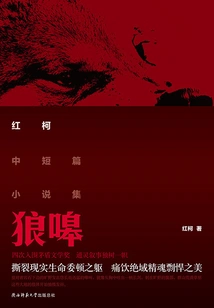
Howling
General Fiction狼嗥
Hongke
This book is a collection of Hong Ke's unique short and medium-sized novels in recent years, including 25 novels such as "Howl of the Wolf" and "Golden Altai" based on his magical imagination of the west. It reflects Hong Ke's characteristics as a "Han Chinese" who uses his "heart" to describe the "myths" and scenery of the border areas, and expresses the spirit of the world and poetic life: the atmosphere is strange, powerful and affectionate, and shocking. The appendix of the book includes interpretations and comments by Li Jingze, Cao Wenxuan, Chen Sihe, etc., Which provide an in-depth exploration of the fantasy situations of Hong Ke's "psychic" novels.
This book is a collection of Hong Ke's unique short and medium-sized novels in recent years, including 25 novels such as "Howl of the Wolf" and "Golden Altai" based on his magical imagination of the west. It reflects Hong Ke's characteristics as a "Han Chinese" who uses his "heart" to describe the "myths" and scenery of the border areas, and expresses the spirit of the world and poetic life: the atmosphere is strange, powerful and affectionate, and shocking. The appendix of the book includes interpretations and comments by Li Jingze, Cao Wenxuan, Chen Sihe, etc., Which provide an in-depth exploration of the fantasy situations of Hong Ke's "psychic" novels.
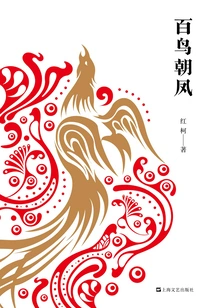
Hundreds of Birds Paying Homage to the Phoenix
General Fiction百鸟朝凤
Hongke
"Singer of the Western Regions, Poet of the Soul" Hong Ke's work collection series, highly appreciated by Li Jingze and Jia Pingwa. The so-called Birds Facing the Phoenix and Feng Ming Qishan point to the vitality that women burst out in the climax of life, which is the most essential joy and vitality of life, and the origin of all living things. Only in this kind of publicity of life can the solemn and male "dragon spirit" of the entire nation be nurtured, and the real bronze cauldron be cast. "The phoenix sings over the high hills, and the sycamore trees grow over there and the sun rises." "Birds Paying Attention to the Phoenix" uses the method of time and space dislocation to travel through the "black hole" in Chinese history. The entire Han nation and the Han Dynasty, represented by Jiang Tianzheng, have embarked on a so-called "high road" that deviates from the instinct of life since the Zhou Dynasty, and has used countless laws and ethics to firmly lock fresh life in history. A nation that has lost its vitality, no matter how beautiful it seems to be with flowers and brocade and burning oil, is still a walking corpse and vulnerable to a blow. The price of the Central Plains culture is blood loss and weakness.
"Singer of the Western Regions, Poet of the Soul" Hong Ke's work collection series, highly appreciated by Li Jingze and Jia Pingwa. The so-called Birds Facing the Phoenix and Feng Ming Qishan point to the vitality that women burst out in the climax of life, which is the most essential joy and vitality of life, and the origin of all living things. Only in this kind of publicity of life can the solemn and male "dragon spirit" of the entire nation be nurtured, and the real bronze cauldron be cast. "The phoenix sings over the high hills, and the sycamore trees grow over there and the sun rises." "Birds Paying Attention to the Phoenix" uses the method of time and space dislocation to travel through the "black hole" in Chinese history. The entire Han nation and the Han Dynasty, represented by Jiang Tianzheng, have embarked on a so-called "high road" that deviates from the instinct of life since the Zhou Dynasty, and has used countless laws and ethics to firmly lock fresh life in history. A nation that has lost its vitality, no matter how beautiful it seems to be with flowers and brocade and burning oil, is still a walking corpse and vulnerable to a blow. The price of the Central Plains culture is blood loss and weakness.
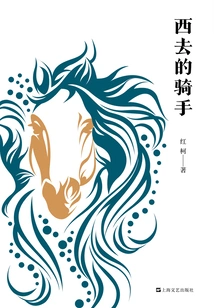
Riders Going West
General Fiction西去的骑手
Hongke
"Singer of the Western Regions, Poet of the Soul" Hong Ke's work collection series, highly appreciated by Li Jingze and Jia Pingwa. A free soul like a Cossack, a horse like the wind, and a man from the northwest like the wind, set against the vast expanse of flat desert and real mountains like the Tianshan Mountains and Qilian, telling about the heroes of the East, create the epic novel "The Rider Goes West." "The Rider Going West" is Hong Ke's masterpiece. It tells the story of Ma Zhongying, a passionate young man from Hezhou, Gansu Province in the 1920s and 1930s, who could not bear the oppression of his family and warlords and rebelled. He was only 17 years old and was known as "Commander Ga". Wherever the army went, they responded to every call and were invincible. Later, they were defeated in a fierce battle with Ji Hongchang, a famous general of the Northwest Army, and suffered heavy losses. Ma Zhongying led the rest of his troops to escape death, went through many hardships, and went on an expedition to Xinjiang in the name of the temporary 36th Division. At the same time, Sheng Shicai, a general in Japan, was rising in Xinjiang. Facing Ma Zhongying's fierce attack, Sheng Shicai, who was good at playing tricks, invited the Soviet army to enter the country to help in the war, and launched a tragic and tragic Toutun River Battle. Ma Zhongying's troops fought with horses, swords, and flesh and blood, and the Cossack Cavalry Division was completely wiped out. The Soviet army launched a retaliatory attack with air force and armored forces. Taklimakan turned into a sea of death, and tanks crushed the last western rider...
"Singer of the Western Regions, Poet of the Soul" Hong Ke's work collection series, highly appreciated by Li Jingze and Jia Pingwa. A free soul like a Cossack, a horse like the wind, and a man from the northwest like the wind, set against the vast expanse of flat desert and real mountains like the Tianshan Mountains and Qilian, telling about the heroes of the East, create the epic novel "The Rider Goes West." "The Rider Going West" is Hong Ke's masterpiece. It tells the story of Ma Zhongying, a passionate young man from Hezhou, Gansu Province in the 1920s and 1930s, who could not bear the oppression of his family and warlords and rebelled. He was only 17 years old and was known as "Commander Ga". Wherever the army went, they responded to every call and were invincible. Later, they were defeated in a fierce battle with Ji Hongchang, a famous general of the Northwest Army, and suffered heavy losses. Ma Zhongying led the rest of his troops to escape death, went through many hardships, and went on an expedition to Xinjiang in the name of the temporary 36th Division. At the same time, Sheng Shicai, a general in Japan, was rising in Xinjiang. Facing Ma Zhongying's fierce attack, Sheng Shicai, who was good at playing tricks, invited the Soviet army to enter the country to help in the war, and launched a tragic and tragic Toutun River Battle. Ma Zhongying's troops fought with horses, swords, and flesh and blood, and the Cossack Cavalry Division was completely wiped out. The Soviet army launched a retaliatory attack with air force and armored forces. Taklimakan turned into a sea of death, and tanks crushed the last western rider...
Resurrection of Manas
General Fiction复活的玛纳斯
Hongke
This book is a collection of Hong Ke's six representative novellas. "The Resurrection of Manas" takes the little-known Eta incident as the background, blends the heroic epic and the pioneering history of the military reclamation warriors who turned swords into plowshares, creating a contemporary creation myth. "Kuran" describes the story of Xinjiang governor Yang Zengxin's outsmarting the Belarusian soldiers in the early years of the Republic of China, as well as the explorer Przhevalski's five visits to China. "Guertu Wasteland" and "Moheyan" describe the real life of the lower class in the Western Regions. "Kanas Lake" is a poetic epic of forests, grasslands, lakes and mountains. "Tears of Populus euphratica" is full of reflection and critical spirit. Hong Ke's novels have a special texture and represent the model level that this series aims to achieve. His creation captures the atmosphere of the vast wilderness of the West, and is full of the wildness and masculinity of the multi-ethnic settlements in the frontier. The lines are imbued with a strong sense of epic magnificence and warmth. It is the writer's forthright and sincere song based on his personal experience of living in the West.
This book is a collection of Hong Ke's six representative novellas. "The Resurrection of Manas" takes the little-known Eta incident as the background, blends the heroic epic and the pioneering history of the military reclamation warriors who turned swords into plowshares, creating a contemporary creation myth. "Kuran" describes the story of Xinjiang governor Yang Zengxin's outsmarting the Belarusian soldiers in the early years of the Republic of China, as well as the explorer Przhevalski's five visits to China. "Guertu Wasteland" and "Moheyan" describe the real life of the lower class in the Western Regions. "Kanas Lake" is a poetic epic of forests, grasslands, lakes and mountains. "Tears of Populus euphratica" is full of reflection and critical spirit. Hong Ke's novels have a special texture and represent the model level that this series aims to achieve. His creation captures the atmosphere of the vast wilderness of the West, and is full of the wildness and masculinity of the multi-ethnic settlements in the frontier. The lines are imbued with a strong sense of epic magnificence and warmth. It is the writer's forthright and sincere song based on his personal experience of living in the West.

Home
General Fiction故乡
Hongke
The road back to my hometown is the road to visit and find my mother. In the local dialect, it means that the chicken is on the shelf and the baby is looking for (waking up) his mother. This mother is called Nia in our local people. This is the right way to pronounce it. You will become a baby, no matter how big an official you are outside, even if you become an emperor and return to your hometown, you will just be a tall baby and a baby with big balls. From far away, you will hear your Nia shouting long and short in the deep ravines of the Loess Plateau: Come back! Gouwa is back! Come back and drink bean and rice soup. Your tears rolled down in big pieces, just like the big white beans you pressed (mother) into the rice soup in the pot.
The road back to my hometown is the road to visit and find my mother. In the local dialect, it means that the chicken is on the shelf and the baby is looking for (waking up) his mother. This mother is called Nia in our local people. This is the right way to pronounce it. You will become a baby, no matter how big an official you are outside, even if you become an emperor and return to your hometown, you will just be a tall baby and a baby with big balls. From far away, you will hear your Nia shouting long and short in the deep ravines of the Loess Plateau: Come back! Gouwa is back! Come back and drink bean and rice soup. Your tears rolled down in big pieces, just like the big white beans you pressed (mother) into the rice soup in the pot.