Library
Browse and search books
4 novels found
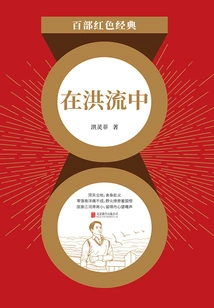
In the Torrent (red Classic)
General Fiction在洪流中(红色经典)
Hong Lingfei
"In the Torrent" includes Hong Lingfei's novels "Escape", "In the Torrent", "The Seller of Strength", etc. "Exile" is Hong Lingfei's autobiographical novel. The protagonist Shen Zhifei experienced the White Terror in Guangzhou and wanted to follow the uprising troops into Chaoshan, but failed and had no choice but to escape again. While being displaced, Shen Zhifei saw clearly the ugliness and darkness of society, discovered the inequality between people, and realized that to eliminate this situation, revolution must be carried out to achieve complete social change. In the end, he strengthened his revolutionary confidence and determined to fight for the revolution to the end. Short stories such as "In the Flood" and "The Seller of Strength" describe the class suffering of ordinary people. They work hard but do not get the rewards they deserve, but they endure the whips of landlords and capitalists.
"In the Torrent" includes Hong Lingfei's novels "Escape", "In the Torrent", "The Seller of Strength", etc. "Exile" is Hong Lingfei's autobiographical novel. The protagonist Shen Zhifei experienced the White Terror in Guangzhou and wanted to follow the uprising troops into Chaoshan, but failed and had no choice but to escape again. While being displaced, Shen Zhifei saw clearly the ugliness and darkness of society, discovered the inequality between people, and realized that to eliminate this situation, revolution must be carried out to achieve complete social change. In the end, he strengthened his revolutionary confidence and determined to fight for the revolution to the end. Short stories such as "In the Flood" and "The Seller of Strength" describe the class suffering of ordinary people. They work hard but do not get the rewards they deserve, but they endure the whips of landlords and capitalists.
Letter from Home
General Fiction家信
Hong Lingfei
From the winter of 1927 to the spring of 1930, he wrote nearly 2 million words of works, including "Escape", "Frontline", "Change", "Going Home", "Strength Seller", "Family Letters", "The Sea", "Two Stories of Broken Love", "Persimmon Garden", etc. As well as a large number of poems, essays, literary reviews, and translations. These are all precious treasures in the history of modern Chinese literature.
From the winter of 1927 to the spring of 1930, he wrote nearly 2 million words of works, including "Escape", "Frontline", "Change", "Going Home", "Strength Seller", "Family Letters", "The Sea", "Two Stories of Broken Love", "Persimmon Garden", etc. As well as a large number of poems, essays, literary reviews, and translations. These are all precious treasures in the history of modern Chinese literature.
Exile
General Fiction流亡
Hong Lingfei
In the novel "Exile", Hong Lingfei started from the "4.15" Massacre in Guangzhou and continued to follow the uprising troops into Chaoshan, but failed and had to go into exile again. The protagonist Shen Zhifei finally understood the meaning of life, strengthened his determination to revolution, and saw clearly the ugliness and darkness of society and the inequality between people. Therefore, to eliminate this situation, he must go through revolution and achieve complete social change. In the end, Shen Zhifei quietly left her family and embarked on the road of exile, "to find eternal light for mankind." Hong Lingfei completed this 100,000-word work in only one and a half months.
In the novel "Exile", Hong Lingfei started from the "4.15" Massacre in Guangzhou and continued to follow the uprising troops into Chaoshan, but failed and had to go into exile again. The protagonist Shen Zhifei finally understood the meaning of life, strengthened his determination to revolution, and saw clearly the ugliness and darkness of society and the inequality between people. Therefore, to eliminate this situation, he must go through revolution and achieve complete social change. In the end, Shen Zhifei quietly left her family and embarked on the road of exile, "to find eternal light for mankind." Hong Lingfei completed this 100,000-word work in only one and a half months.
Persimmon Garden
Literature柿园
Hong Lingfei
From the winter of 1927 to the spring of 1930, he wrote nearly 2 million words of works, including "Escape", "Frontline", "Change", "Going Home", "Strength Seller", "Family Letters", "The Sea", "Two Stories of Broken Love", "Persimmon Garden", etc. As well as a large number of poems, essays, literary reviews, and translations. These are all precious treasures in the history of modern Chinese literature.
From the winter of 1927 to the spring of 1930, he wrote nearly 2 million words of works, including "Escape", "Frontline", "Change", "Going Home", "Strength Seller", "Family Letters", "The Sea", "Two Stories of Broken Love", "Persimmon Garden", etc. As well as a large number of poems, essays, literary reviews, and translations. These are all precious treasures in the history of modern Chinese literature.