Library
Browse and search books
7 novels found
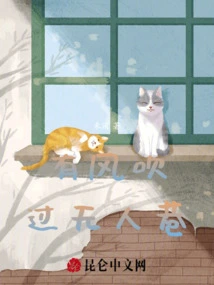
Everything is fake! ! !
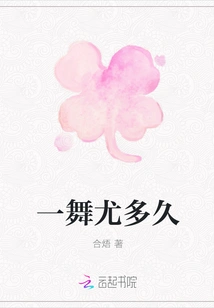
How Long Does it Take to Dance?
Young Adult一舞尤多久
He Wei
Everyone longs to stand on the stage, but how many of them stand in the middle of the stage? Especially for dancers, the story begins with a dance graduation drama at Qingyang Art School. This is a story about a group of dancers who refuse to admit defeat, are not afraid of hardship and love dancing extremely.
Everyone longs to stand on the stage, but how many of them stand in the middle of the stage? Especially for dancers, the story begins with a dance graduation drama at Qingyang Art School. This is a story about a group of dancers who refuse to admit defeat, are not afraid of hardship and love dancing extremely.
Guangxi Notes
General Fiction广西笔记
He Wei
He Wei, male, born in the 1960s. He once served as the fourth contract producer of the Hubei Provincial Writers Association's School of Literature, and the deputy director of the Prose Creation Committee of the Wuhan Writers Association. He currently works at the Hubei Writers Documentation Center. Since 1984, he has published more than one million words of poetry, prose, novels, reportage and literary criticism in more than 200 newspapers and magazines at home and abroad. His poetry works have been included in various anthologies and authoritative newspapers and periodicals such as "Selected Poems", "Selected Chinese Poems", "Selected Chinese New Poems", etc. His famous prose works such as "Prairie Roof", "Singer, Singer", "Touch is a Nutrient", "Chinese Plum Blossom" and "The Shadow of the Distant Bird" have been successively selected by high school and junior high school Chinese textbooks and college entrance examination and high school entrance examination guidance textbooks. He is the author of a collection of novels, "The City of Dog Days", a collection of essays, "The Face of Time", and a collection of reviews, "Who is Drunk in the Frost Forest at Dawn", etc. The water-based Xing'an Ling Canal is two thousand years old. Ever since the Qin Empire swept across Liuhe, Lingqu has had a popular name and an extraordinary resume.
He Wei, male, born in the 1960s. He once served as the fourth contract producer of the Hubei Provincial Writers Association's School of Literature, and the deputy director of the Prose Creation Committee of the Wuhan Writers Association. He currently works at the Hubei Writers Documentation Center. Since 1984, he has published more than one million words of poetry, prose, novels, reportage and literary criticism in more than 200 newspapers and magazines at home and abroad. His poetry works have been included in various anthologies and authoritative newspapers and periodicals such as "Selected Poems", "Selected Chinese Poems", "Selected Chinese New Poems", etc. His famous prose works such as "Prairie Roof", "Singer, Singer", "Touch is a Nutrient", "Chinese Plum Blossom" and "The Shadow of the Distant Bird" have been successively selected by high school and junior high school Chinese textbooks and college entrance examination and high school entrance examination guidance textbooks. He is the author of a collection of novels, "The City of Dog Days", a collection of essays, "The Face of Time", and a collection of reviews, "Who is Drunk in the Frost Forest at Dawn", etc. The water-based Xing'an Ling Canal is two thousand years old. Ever since the Qin Empire swept across Liuhe, Lingqu has had a popular name and an extraordinary resume.
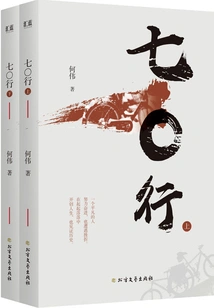
Seventy Lines (complete Collection)
General Fiction七〇行(全集)
He Wei
This book is a biographical novel, based on the author's own experience, showing the growth experience of the generation born in the 1970s. The protagonist, Lu Yunhong, was born in a peasant family and changed her destiny through studying. After experiencing a series of emotional turmoil, family changes, entrepreneurial setbacks and health crises, she gained spiritual experience and sublimation, and gained deeper thinking about life and society. This novel also reflects the changes of the times and the transformation of people in them.
This book is a biographical novel, based on the author's own experience, showing the growth experience of the generation born in the 1970s. The protagonist, Lu Yunhong, was born in a peasant family and changed her destiny through studying. After experiencing a series of emotional turmoil, family changes, entrepreneurial setbacks and health crises, she gained spiritual experience and sublimation, and gained deeper thinking about life and society. This novel also reflects the changes of the times and the transformation of people in them.
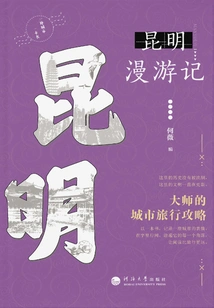
一座城市一本书:昆明漫游记
He Wei
"One City, One Book" is a collection of literary works with the theme of "city". It includes poems, prose and other works by different writers about the city. By telling different stories about the same city, it can be circulated infinitely and become a mark, generating an atlas of the city's style. Using a book to record the expression of a city allows you to travel around every corner of it between the lines, making your journey further. This book selects literary works describing the city "Kunming" from ancient times to the present, such as Wang Jingchang's "Yunjin Bridge", "Longquan Mountain Taoist Yuan", Lao She's "Short Notes of a Trip to Yunnan", Lin Huiyin's "Kunming Scenery", etc., Covering everything from the city's four-season beauty to the basic necessities, food, housing and transportation. Each article is accompanied by a short reading note, allowing those who are wandering to relieve the pain of homesickness, and those who want to travel far away to travel in words.
"One City, One Book" is a collection of literary works with the theme of "city". It includes poems, prose and other works by different writers about the city. By telling different stories about the same city, it can be circulated infinitely and become a mark, generating an atlas of the city's style. Using a book to record the expression of a city allows you to travel around every corner of it between the lines, making your journey further. This book selects literary works describing the city "Kunming" from ancient times to the present, such as Wang Jingchang's "Yunjin Bridge", "Longquan Mountain Taoist Yuan", Lao She's "Short Notes of a Trip to Yunnan", Lin Huiyin's "Kunming Scenery", etc., Covering everything from the city's four-season beauty to the basic necessities, food, housing and transportation. Each article is accompanied by a short reading note, allowing those who are wandering to relieve the pain of homesickness, and those who want to travel far away to travel in words.
Pei Ningxinglong
Light Novel裴凝星珑
He Wei
It wasn't me who picked it up from you in the first place, it was you who got stuck in the road! It's not that I want to like you, it's you who seduces me. Whee! ----Wu Xinglong
It wasn't me who picked it up from you in the first place, it was you who got stuck in the road! It's not that I want to like you, it's you who seduces me. Whee! ----Wu Xinglong
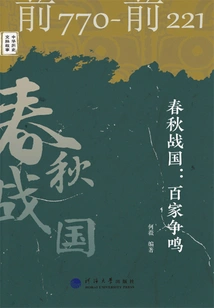
The Spring and Autumn Period and the Warring States Period: a Hundred Schools of Thought Contended
History春秋战国:百家争鸣
He Wei
This book mainly uses the form of stories to sort out the historical development of the Spring and Autumn Period and the Warring States Period. The Spring and Autumn Period and the Warring States Period were the first period of division in Chinese history. It was also a period in Chinese civilization when hundreds of schools of thought contended and a hundred flowers bloomed. It was also brewing new methods of production. During this period, many political strategists who influenced later generations were born. According to the chronological order of the development of historical events, this book presents the major events and figures that influenced the historical development of this period in the form of easy-to-understand short stories. Through this series of stories, readers can clarify the historical development of the Spring and Autumn Period and the Warring States Period, understand the rise, development and decline of various countries during this period, and understand the inevitability of the country's unification.
This book mainly uses the form of stories to sort out the historical development of the Spring and Autumn Period and the Warring States Period. The Spring and Autumn Period and the Warring States Period were the first period of division in Chinese history. It was also a period in Chinese civilization when hundreds of schools of thought contended and a hundred flowers bloomed. It was also brewing new methods of production. During this period, many political strategists who influenced later generations were born. According to the chronological order of the development of historical events, this book presents the major events and figures that influenced the historical development of this period in the form of easy-to-understand short stories. Through this series of stories, readers can clarify the historical development of the Spring and Autumn Period and the Warring States Period, understand the rise, development and decline of various countries during this period, and understand the inevitability of the country's unification.