Library
Browse and search books
24 novels found
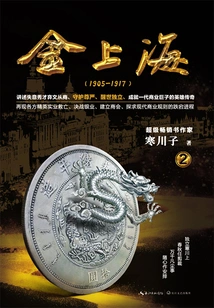
Golden Shanghai 2
General Fiction金上海2
Hanchuanzi
"Golden Shanghai" is set in the Shanghai General Chamber of Commerce at the beginning of the 20th century, with the Ningbo businessmen who dominated Shanghai as the protagonist, and the financial industry (banks, banks, stock markets) as the main battlefield. It slowly unfolds an era painting with the main lines of wealth, life, family and country, love and hatred, justice and grievances. In 1905, four promising young men, Wu Tingju, Fu Shunan, Chen Jiong, and Zhang Hu, came to Shanghai with different dreams. They chose different paths in life due to different circumstances, ambitions, and realms. Wu Jingju, a frustrated scholar, was infiltrated by the Confucian ideal of economic development and benefiting the people. After his dream of taking the imperial examination, he participated in industrial salvation, started as an apprentice in Guhang, and became a financial giant controlling Shanghai's banking industry. He wanted to make the Shanghai General Chamber of Commerce a pure business organization with dignity and benefit to the people;
"Golden Shanghai" is set in the Shanghai General Chamber of Commerce at the beginning of the 20th century, with the Ningbo businessmen who dominated Shanghai as the protagonist, and the financial industry (banks, banks, stock markets) as the main battlefield. It slowly unfolds an era painting with the main lines of wealth, life, family and country, love and hatred, justice and grievances. In 1905, four promising young men, Wu Tingju, Fu Shunan, Chen Jiong, and Zhang Hu, came to Shanghai with different dreams. They chose different paths in life due to different circumstances, ambitions, and realms. Wu Jingju, a frustrated scholar, was infiltrated by the Confucian ideal of economic development and benefiting the people. After his dream of taking the imperial examination, he participated in industrial salvation, started as an apprentice in Guhang, and became a financial giant controlling Shanghai's banking industry. He wanted to make the Shanghai General Chamber of Commerce a pure business organization with dignity and benefit to the people;
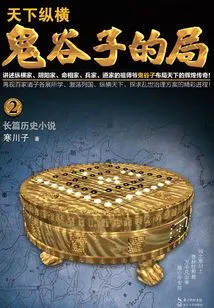
Guiguzi's Bureau·volume 2
General Fiction鬼谷子的局·卷二
Hanchuanzi
The "Game of Wisdom" series "Guiguzi's Bureau" has ten volumes and is a full-length historical novel. It tells the glorious legend of Gui Guzi, the founder of the strategist, yin-yang family, fortune teller, military strategist, and Taoist family, who organized the world! During the Warring States Period, in a mountain called Qingxi Guigu (today's Hebi City, Henan), there lived an old man (whose real name was Wang Xu) who was respectfully called Guiguzi. He read, meditated, and meditated on the mountain every day. He did not interact with the world and lived an isolated life. This book is the second volume of the long historical novel "Guiguzi's Bureau". In this volume, the soldiers of the Wei Dynasty guarded the three cities, and Song Jian and Sui Chaozi visited Guiguzi; the king of Wei fell into a treacherous plot, and disasters in Pingyang City never happened alone; Zhang Yi was the prime minister of Qin, teasing the princes of the world with his unshakable tongue, causing Su Qin to fail; Wei Xian defeated Hulu Valley, and finally Qin and Wei had no intention of fighting again and signed a peace treaty.
The "Game of Wisdom" series "Guiguzi's Bureau" has ten volumes and is a full-length historical novel. It tells the glorious legend of Gui Guzi, the founder of the strategist, yin-yang family, fortune teller, military strategist, and Taoist family, who organized the world! During the Warring States Period, in a mountain called Qingxi Guigu (today's Hebi City, Henan), there lived an old man (whose real name was Wang Xu) who was respectfully called Guiguzi. He read, meditated, and meditated on the mountain every day. He did not interact with the world and lived an isolated life. This book is the second volume of the long historical novel "Guiguzi's Bureau". In this volume, the soldiers of the Wei Dynasty guarded the three cities, and Song Jian and Sui Chaozi visited Guiguzi; the king of Wei fell into a treacherous plot, and disasters in Pingyang City never happened alone; Zhang Yi was the prime minister of Qin, teasing the princes of the world with his unshakable tongue, causing Su Qin to fail; Wei Xian defeated Hulu Valley, and finally Qin and Wei had no intention of fighting again and signed a peace treaty.
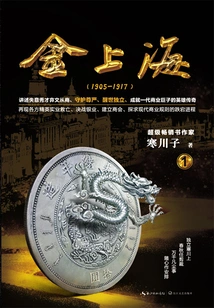
Golden Shanghai 1
General Fiction金上海1
Hanchuanzi
"Golden Shanghai" is set in the Shanghai General Chamber of Commerce at the beginning of the 20th century, with the Ningbo businessmen who dominated Shanghai as the protagonist, and the financial industry (banks, banks, stock markets) as the main battlefield. It slowly unfolds an era painting with the main lines of wealth, life, family and country, love and hatred, justice and grievances. In 1905, four promising young men, Wu Tingju, Fu Shunan, Chen Jiong, and Zhang Hu, came to Shanghai with different dreams. They chose different paths in life due to different circumstances, ambitions, and realms. Wu Jingju, a frustrated scholar, was infiltrated by the Confucian ideal of economic development and benefiting the people. After his dream of taking the imperial examination, he participated in industrial salvation, started as an apprentice in Guhang, and became a financial giant controlling Shanghai's banking industry. He wanted to make the Shanghai General Chamber of Commerce a pure business organization with dignity and benefit to the people;
"Golden Shanghai" is set in the Shanghai General Chamber of Commerce at the beginning of the 20th century, with the Ningbo businessmen who dominated Shanghai as the protagonist, and the financial industry (banks, banks, stock markets) as the main battlefield. It slowly unfolds an era painting with the main lines of wealth, life, family and country, love and hatred, justice and grievances. In 1905, four promising young men, Wu Tingju, Fu Shunan, Chen Jiong, and Zhang Hu, came to Shanghai with different dreams. They chose different paths in life due to different circumstances, ambitions, and realms. Wu Jingju, a frustrated scholar, was infiltrated by the Confucian ideal of economic development and benefiting the people. After his dream of taking the imperial examination, he participated in industrial salvation, started as an apprentice in Guhang, and became a financial giant controlling Shanghai's banking industry. He wanted to make the Shanghai General Chamber of Commerce a pure business organization with dignity and benefit to the people;
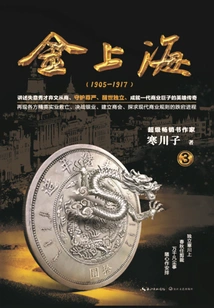
Golden Shanghai 3
General Fiction金上海3
Hanchuanzi
"Golden Shanghai" is set in the Shanghai General Chamber of Commerce at the beginning of the 20th century, with the Ningbo businessmen who dominated Shanghai as the protagonist, and the financial industry (banks, banks, stock markets) as the main battlefield. It slowly unfolds an era painting with the main lines of wealth, life, family and country, love and hatred, justice and grievances. In 1905, four promising young men, Wu Tingju, Fu Shunan, Chen Jiong, and Zhang Hu, came to Shanghai with different dreams. They chose different paths in life due to different circumstances, ambitions, and realms. Frustrated scholar Wu Jingju was infiltrated by the Confucian ideal of economic development and benefiting the people. After his dream of taking the imperial examination, he participated in the industrial rescue. He started as an apprentice in Guhang and became a financial giant who controlled Shanghai's banking industry. He wanted to make the Shanghai General Chamber of Commerce a pure business organization with dignity and benefit to the people. Fu Shun'an abandoned his dignity in order to get rid of his origins in Lingchang. The evil-minded Zhang Hu worships the Chinese inspector from the concession as his master, shows off his fists in Shanghai, opens up a world, and wants to establish a gangster system that can do whatever he wants; Chen Jiong is committed to the revolutionary feat of overthrowing the Manchu Qing Dynasty, regaining Shanghai, and building a new world dominated by revolutionaries... As time goes by, ten years later, have their dreams come true? Have their goals been achieved?
"Golden Shanghai" is set in the Shanghai General Chamber of Commerce at the beginning of the 20th century, with the Ningbo businessmen who dominated Shanghai as the protagonist, and the financial industry (banks, banks, stock markets) as the main battlefield. It slowly unfolds an era painting with the main lines of wealth, life, family and country, love and hatred, justice and grievances. In 1905, four promising young men, Wu Tingju, Fu Shunan, Chen Jiong, and Zhang Hu, came to Shanghai with different dreams. They chose different paths in life due to different circumstances, ambitions, and realms. Frustrated scholar Wu Jingju was infiltrated by the Confucian ideal of economic development and benefiting the people. After his dream of taking the imperial examination, he participated in the industrial rescue. He started as an apprentice in Guhang and became a financial giant who controlled Shanghai's banking industry. He wanted to make the Shanghai General Chamber of Commerce a pure business organization with dignity and benefit to the people. Fu Shun'an abandoned his dignity in order to get rid of his origins in Lingchang. The evil-minded Zhang Hu worships the Chinese inspector from the concession as his master, shows off his fists in Shanghai, opens up a world, and wants to establish a gangster system that can do whatever he wants; Chen Jiong is committed to the revolutionary feat of overthrowing the Manchu Qing Dynasty, regaining Shanghai, and building a new world dominated by revolutionaries... As time goes by, ten years later, have their dreams come true? Have their goals been achieved?
Guiguzi's Bureau·volume 11
General Fiction鬼谷子的局·卷十一
Hanchuanzi
This book is the eleventh volume of Guiguzi's Game. Millions of fans have been waiting for it for 5 years. The original novel has been translated into English, Thai, Vietnamese and other languages. The film and television series of the same name is in preparation! Qi and Chu were at odds, saying that Chen Zhen in Zhaoyang was superfluous; the situation was in danger, and Zhang Yi, who pretended to be benevolent and righteous, attacked far away; etiquette collapsed, and Mencius advocated benevolence and righteousness, Mencius carved a boat and asked for a sword; public and private, he respected himself and discussed Yang Zhudao to break the mystery; in the battle of Sangqiu, the Qin division Kuang Zhang became famous in one battle; trouble arose in the palace, and all the wise men who guarded the situation drove away the guests.
This book is the eleventh volume of Guiguzi's Game. Millions of fans have been waiting for it for 5 years. The original novel has been translated into English, Thai, Vietnamese and other languages. The film and television series of the same name is in preparation! Qi and Chu were at odds, saying that Chen Zhen in Zhaoyang was superfluous; the situation was in danger, and Zhang Yi, who pretended to be benevolent and righteous, attacked far away; etiquette collapsed, and Mencius advocated benevolence and righteousness, Mencius carved a boat and asked for a sword; public and private, he respected himself and discussed Yang Zhudao to break the mystery; in the battle of Sangqiu, the Qin division Kuang Zhang became famous in one battle; trouble arose in the palace, and all the wise men who guarded the situation drove away the guests.
Guiguzi's Game·volume 9
General Fiction鬼谷子的局·卷九
Hanchuanzi
In the middle of the Warring States Period, an old man, respectfully known as Guiguzi, lived in seclusion in the valley of Yunmeng Mountain. In the more than two thousand years after his death, strategists regarded him as their ancestor, military strategists regarded him as a saint, politicians regarded him as their ancestor, prime ministers worshiped him as their ancestor, and immortal Taoists respected him as a true man. The Chinese regard him as the embodiment of wisdom and respect him as an omnipotent dragon. He is isolated from the world and does not care about world affairs, but he cares about the common people. He takes Su Qin, Zhang Yi, Sun Bin, and Pang Juan as his disciples, guiding his four sons to travel around the world, and each achieve unparalleled achievements. Pang Juan went to Wei, Sun Bin went to Qi, Zhang Yi went to Qin, and Su Qin came to the Six Kingdoms. Pang Juan entered Wei, and Wei rose from the dead. Sun Bin came to Qi, and Qi was proud of all other countries. Zhang Yi was in Chu, and Chu destroyed Yue; Zhang Yi entered Qin, and Qin destroyed Bashu, weakening Chu, and fighting against the six kingdoms. The six kingdoms of Su and Qin paid homage to their prime ministers, so that Qiang Qin did not dare to step out of Hangu Pass. The four sons of Guigu were paired up, and they were in conflict with each other. They were like-minded but at odds with each other. In the end, they ended up fighting in the same sect, fighting each other, brothers turning against each other, and intrigues...
In the middle of the Warring States Period, an old man, respectfully known as Guiguzi, lived in seclusion in the valley of Yunmeng Mountain. In the more than two thousand years after his death, strategists regarded him as their ancestor, military strategists regarded him as a saint, politicians regarded him as their ancestor, prime ministers worshiped him as their ancestor, and immortal Taoists respected him as a true man. The Chinese regard him as the embodiment of wisdom and respect him as an omnipotent dragon. He is isolated from the world and does not care about world affairs, but he cares about the common people. He takes Su Qin, Zhang Yi, Sun Bin, and Pang Juan as his disciples, guiding his four sons to travel around the world, and each achieve unparalleled achievements. Pang Juan went to Wei, Sun Bin went to Qi, Zhang Yi went to Qin, and Su Qin came to the Six Kingdoms. Pang Juan entered Wei, and Wei rose from the dead. Sun Bin came to Qi, and Qi was proud of all other countries. Zhang Yi was in Chu, and Chu destroyed Yue; Zhang Yi entered Qin, and Qin destroyed Bashu, weakening Chu, and fighting against the six kingdoms. The six kingdoms of Su and Qin paid homage to their prime ministers, so that Qiang Qin did not dare to step out of Hangu Pass. The four sons of Guigu were paired up, and they were in conflict with each other. They were like-minded but at odds with each other. In the end, they ended up fighting in the same sect, fighting each other, brothers turning against each other, and intrigues...
Guiguzi's Bureau·volume 10
General Fiction鬼谷子的局·卷十
Hanchuanzi
In the middle of the Warring States Period, an old man who was honored as Guiguzi lived in seclusion in the valley of Yunmeng Mountain. In the more than two thousand years after his death, strategists regarded him as their ancestor, military strategists regarded him as a saint, politicians regarded him as their ancestor, prime ministers worshiped him as their ancestor, and immortal Taoists respected him as a true man. The Chinese regard him as the embodiment of wisdom and respect him as an omnipotent dragon. He is isolated from the world and does not care about world affairs, but he cares about the common people. He takes Su Qin, Zhang Yi, Sun Bin, and Pang Juan as his disciples, guiding his four sons to travel around the world, and each achieve unparalleled achievements. Pang Juan went to Wei, Sun Bin went to Qi, Zhang Yi went to Qin, and Su Qin came to the Six Kingdoms. Pang Juan entered Wei, and Wei rose from the dead. Sun Bin came to Qi, and Qi was proud of all other countries. Zhang Yi was in Chu, and Chu destroyed Yue; Zhang Yi entered Qin, and Qin destroyed Bashu, weakening Chu, and fighting against the six kingdoms. The six kingdoms of Su and Qin paid homage to their prime ministers, so that Qiang Qin did not dare to step out of Hangu Pass. The four sons of Guigu were paired up, and they were in conflict with each other. They were like-minded but at odds with each other. In the end, they ended up fighting in the same sect, fighting each other, brothers turning against each other, and intrigues...
In the middle of the Warring States Period, an old man who was honored as Guiguzi lived in seclusion in the valley of Yunmeng Mountain. In the more than two thousand years after his death, strategists regarded him as their ancestor, military strategists regarded him as a saint, politicians regarded him as their ancestor, prime ministers worshiped him as their ancestor, and immortal Taoists respected him as a true man. The Chinese regard him as the embodiment of wisdom and respect him as an omnipotent dragon. He is isolated from the world and does not care about world affairs, but he cares about the common people. He takes Su Qin, Zhang Yi, Sun Bin, and Pang Juan as his disciples, guiding his four sons to travel around the world, and each achieve unparalleled achievements. Pang Juan went to Wei, Sun Bin went to Qi, Zhang Yi went to Qin, and Su Qin came to the Six Kingdoms. Pang Juan entered Wei, and Wei rose from the dead. Sun Bin came to Qi, and Qi was proud of all other countries. Zhang Yi was in Chu, and Chu destroyed Yue; Zhang Yi entered Qin, and Qin destroyed Bashu, weakening Chu, and fighting against the six kingdoms. The six kingdoms of Su and Qin paid homage to their prime ministers, so that Qiang Qin did not dare to step out of Hangu Pass. The four sons of Guigu were paired up, and they were in conflict with each other. They were like-minded but at odds with each other. In the end, they ended up fighting in the same sect, fighting each other, brothers turning against each other, and intrigues...
Guiguzi's Bureau·volume 4
General Fiction鬼谷子的局·卷四
Hanchuanzi
The "Game of Wisdom" series "Guiguzi's Bureau" has ten volumes and is a full-length historical novel. This book is the fourth volume of "Guiguzi's Bureau". In this volume, four people, including Sun Bin, Pang Juan, Su Qin, and Zhang Yi, also entered the mountain one after another. They were either seeking fame, profit, revenge, or seeking advice, and each had their own concerns to practice in Ghost Valley. Guiguzi had an insight into everything, followed the trend, taught the disciples according to their different talents, and secretly fulfilled their wishes. At the same time, the situation outside has also undergone earth-shaking changes. King Hui of Wei was a villain and a virtuous minister from afar, and the state affairs were gradually failing; Duke Xiao of Qin passed away, Ying Si succeeded to the throne, and Gongsun Yang sacrificed his life for the country, so that the whole Qin country could unite. The strength of Qin and Wei gradually changed, and the other countries were ready to take action, which heralded the official start of a new round of hegemony. The general situation of the world becomes more complicated and confusing, but everyone knows that everything has already fallen into Guiguzi's plan...
The "Game of Wisdom" series "Guiguzi's Bureau" has ten volumes and is a full-length historical novel. This book is the fourth volume of "Guiguzi's Bureau". In this volume, four people, including Sun Bin, Pang Juan, Su Qin, and Zhang Yi, also entered the mountain one after another. They were either seeking fame, profit, revenge, or seeking advice, and each had their own concerns to practice in Ghost Valley. Guiguzi had an insight into everything, followed the trend, taught the disciples according to their different talents, and secretly fulfilled their wishes. At the same time, the situation outside has also undergone earth-shaking changes. King Hui of Wei was a villain and a virtuous minister from afar, and the state affairs were gradually failing; Duke Xiao of Qin passed away, Ying Si succeeded to the throne, and Gongsun Yang sacrificed his life for the country, so that the whole Qin country could unite. The strength of Qin and Wei gradually changed, and the other countries were ready to take action, which heralded the official start of a new round of hegemony. The general situation of the world becomes more complicated and confusing, but everyone knows that everything has already fallen into Guiguzi's plan...
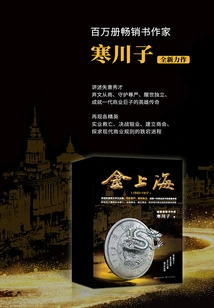
Golden Shanghai
General Fiction金上海
Hanchuanzi
"Golden Shanghai" is set in the Shanghai General Chamber of Commerce at the beginning of the 20th century, with the Ningbo businessmen who dominated Shanghai as the protagonist, and the financial industry (banks, banks, stock markets) as the main battlefield. It slowly unfolds an era painting with the main lines of wealth, life, family and country, love and hatred, justice and grievances. In 1905, four promising young men, Wu Tingju, Fu Shunan, Chen Jiong, and Zhang Hu, came to Shanghai with different dreams. They chose different paths in life due to different circumstances, ambitions, and realms. Wu Jingju, a frustrated scholar, was infiltrated by the Confucian ideal of economic development and benefiting the people. After his dream of taking the imperial examination, he participated in industrial salvation, started as an apprentice in Guhang, and became a financial giant controlling Shanghai's banking industry. He wanted to make the Shanghai General Chamber of Commerce a pure business organization with dignity and benefit to the people;
"Golden Shanghai" is set in the Shanghai General Chamber of Commerce at the beginning of the 20th century, with the Ningbo businessmen who dominated Shanghai as the protagonist, and the financial industry (banks, banks, stock markets) as the main battlefield. It slowly unfolds an era painting with the main lines of wealth, life, family and country, love and hatred, justice and grievances. In 1905, four promising young men, Wu Tingju, Fu Shunan, Chen Jiong, and Zhang Hu, came to Shanghai with different dreams. They chose different paths in life due to different circumstances, ambitions, and realms. Wu Jingju, a frustrated scholar, was infiltrated by the Confucian ideal of economic development and benefiting the people. After his dream of taking the imperial examination, he participated in industrial salvation, started as an apprentice in Guhang, and became a financial giant controlling Shanghai's banking industry. He wanted to make the Shanghai General Chamber of Commerce a pure business organization with dignity and benefit to the people;
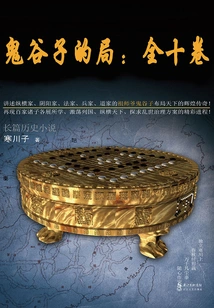
Guiguzi's Game (ten Volumes in Total)
General Fiction鬼谷子的局(全十卷)
Hanchuanzi
The "Game of Wisdom" series "Guiguzi's Game: Ten Volumes" is a full-length historical novel. It tells the glorious legend of Gui Guzi, the founder of the strategist, yin-yang family, fortune teller, military strategist, and Taoist family, who organized the world! During the Warring States Period, in a mountain called Qingxi Guigu (today's Hebi City, Henan), there lived an old man (whose real name was Wang Xu) who was respectfully called Guiguzi. He read, meditated, and meditated on the mountain every day. He did not interact with the world and lived an isolated life. However, for more than two thousand years, military strategists have respected him as a saint, political strategists have respected him as the ancestor, fortune tellers and fortune tellers have respected him as the ancestor, and Taoism has ranked him with Laozi and respected him as the ancestor of Wang Chan.
The "Game of Wisdom" series "Guiguzi's Game: Ten Volumes" is a full-length historical novel. It tells the glorious legend of Gui Guzi, the founder of the strategist, yin-yang family, fortune teller, military strategist, and Taoist family, who organized the world! During the Warring States Period, in a mountain called Qingxi Guigu (today's Hebi City, Henan), there lived an old man (whose real name was Wang Xu) who was respectfully called Guiguzi. He read, meditated, and meditated on the mountain every day. He did not interact with the world and lived an isolated life. However, for more than two thousand years, military strategists have respected him as a saint, political strategists have respected him as the ancestor, fortune tellers and fortune tellers have respected him as the ancestor, and Taoism has ranked him with Laozi and respected him as the ancestor of Wang Chan.
Guiguzi's Bureau·volume 1
General Fiction鬼谷子的局·卷一
Hanchuanzi
The "Game of Wisdom" series "Guiguzi's Bureau" has ten volumes and is a full-length historical novel. It tells the glorious legend of Gui Guzi, the founder of the strategist, yin-yang family, fortune teller, military strategist, and Taoist family, who organized the world! During the Warring States Period, in a mountain called Qingxi Guigu (today's Hebi City, Henan), there lived an old man (whose real name was Wang Xu) who was respectfully called Guiguzi. He read, meditated, and meditated on the mountain every day. He did not interact with the world and lived an isolated life. However, for more than two thousand years, military strategists have respected him as a saint, political strategists have respected him as the ancestor, fortune tellers and fortune tellers have respected him as the ancestor, and Taoism has ranked him with Laozi and respected him as the ancestor of Wang Chan. This book is the first volume of "Guiguzi's Bureau". The story of this volume begins with the alliance between princes during the Eastern Zhou Dynasty. The state of Wei organized an alliance between princes Mengjin, but the state of Qin did not participate. The state of Wei claimed that the state of Qin was disrespectful to the Zhou Dynasty, and forced the cowardly king of Zhou to attack the state of Qin, trapping the state of Qin in an unkind and unjust situation and being besieged on all sides.
The "Game of Wisdom" series "Guiguzi's Bureau" has ten volumes and is a full-length historical novel. It tells the glorious legend of Gui Guzi, the founder of the strategist, yin-yang family, fortune teller, military strategist, and Taoist family, who organized the world! During the Warring States Period, in a mountain called Qingxi Guigu (today's Hebi City, Henan), there lived an old man (whose real name was Wang Xu) who was respectfully called Guiguzi. He read, meditated, and meditated on the mountain every day. He did not interact with the world and lived an isolated life. However, for more than two thousand years, military strategists have respected him as a saint, political strategists have respected him as the ancestor, fortune tellers and fortune tellers have respected him as the ancestor, and Taoism has ranked him with Laozi and respected him as the ancestor of Wang Chan. This book is the first volume of "Guiguzi's Bureau". The story of this volume begins with the alliance between princes during the Eastern Zhou Dynasty. The state of Wei organized an alliance between princes Mengjin, but the state of Qin did not participate. The state of Wei claimed that the state of Qin was disrespectful to the Zhou Dynasty, and forced the cowardly king of Zhou to attack the state of Qin, trapping the state of Qin in an unkind and unjust situation and being besieged on all sides.
Guiguzi's Bureau·volume 13
General Fiction鬼谷子的局·卷十三
Hanchuanzi
When he learned that Qi's salt was about to be transported to Ying, Lord Ji Ling quickly gathered the goods to pay Qin's debt and made a huge profit. For buying salt at an inexplicable exorbitant price, Qin Chaotang criticized him one after another. Zhang Yi asked Chu to make amends. The Chu system was entrenched and it was difficult to return. Qu Yuan gained the trust of King Huai and took charge of reform matters. Regardless of the previous deception, Zhang Yi proposed to marry Mi Yue in order to marry the prince; without any plan to deal with his political enemy Qu Yuan, Zhang Yi proposed a plan and Jin Shang killed him one by one; fearing that he would fall out of favor, Zhang Yi came up with a plan and Zheng Xiu worried about the king's concerns. Wang Qin, Jin Shang, and Zheng Xiu therefore believed in Zhang Yi. At the beginning of the reform, Qu Yuan gave the first order to cut redundancies. Wang Qin and Zhang Yi joined forces to support Qu Yuan's restructuring in Zhaoyang Ding. King Huai issued an edict to implement the first constitutional decree. The prince was frightened and urged Zhang Yi to replace Zhaoyang Ling Yin. All the clans came to protest the redundancy order in person, and Zhaoyang asked Yin to resign. Because the former Qu Yuan failed to fulfill his wish to follow Qin's law, King Huai followed the trend and condescended to Zhang Yi. On the eve of the first sacrifice, Qu Yuan casually composed a poem for Wuxian Temple in Chu Palace while fasting, which became a masterpiece. During the tour of northern Xinjiang incognito, he met Le Yi, a descendant of Le Yang. King Zhao Wuling was like a fish in water and entrusted him with important tasks. He also heard about the movements of Yan Palace and was secretly happy. When the new king Kuai took office, Prince Ping and Zi Zhi of Yan formed a clique to fight against the government and the opposition. Zi Zhi sent his in-law Su Qin's younger brother to accompany Prince Ping to envoy Qi to maintain good neighborliness. In order to cause Yan to be in chaos, he took advantage of the situation and took advantage of the situation. King Xuan of Qi treated the prince as a prince. Shocked by the dramatic changes in Yan Palace, Prince Ping received support from his uncle, King Qi Xuan, and vowed to fight to the death to regain his status. King Wuling of Zhao issued an edict to enforce Hu uniforms throughout the country, but the government and the public could not agree on what to do, so he persuaded the important ministers Anyang Jun, Wang Shu Zhao Zao and others to set an example for him. The exiled son of Yan was bullied by the children of the Zhao nobles. Ji Su Feifei went to rescue him when he saw the injustice. The two sides fought, but Feifei lost to the dandies. Fortunately, Empress Yan rescued the siege in time. Knowing that Feifei was the daughter of Su Qin, the Queen of Yan came to visit with her son Zhi, expressed her sorrow and asked Su Qin to be her tutor. Su Qin knew that it was urgent to save the Yan Kingdom from the critical situation, so he agreed to leave the Empress of Yan and follow Ji Xue to Ji. Regardless of Prince Ping's advice, King Yan relinquished the country to his son, and the abdication ceremony was routine. Su Qin was delayed on the way to get sick and could not stop it. Qu Gai detailed the long-standing disadvantages of Chu and it was difficult to recover from them, and advised Qu Yuan to rein in the situation. Qu Yuan adhered to the original intention of the reform. The reform got off to a bad start, Zhaoyang listened to Chen Zhen's plan and supported Qu Yuan. Zhang Yi intended to use commerce to change the territory of Chu, destroy Qi, and unite Qin, and King Huai longed for it. Zhaoyang set up a serial bureau to make Zhaoshu confess the truth about the Qi Salt robbery. Lord Ji Ling heard the news and poisoned Zhaoshu first, and falsely accused Zhaoyang. Qu Yuan used suspicious clues to figure out the mastermind behind it, and asked King Huai to warn the prince, so as to take back the exclusive power of salt and iron. There were many flaws in the perjury and poisoning of Zhao Shu, so Zhang Yi asked Ji Lingjun to target Qu Yuan. Chen Zhen warned that the government was isolated and that the implementation of the constitution must be assisted by Zhaoyang. Qu Yuan suddenly understood and was about to enter the palace to discuss the details with Zhaoyang and King Huai. The draft of the constitution was secretly read by Jin Shang, but Qu Yuan disagreed. After stealing the information, Zhang Yi arranged for the unpromulgated constitutional order to be made public, and falsely claimed to King Huai that Qu Yuan had done it. King Huai was furious. Qu Yuan and Jin Shang confronted each other in court, but King Huai dismissed him. Lord Ji Ling preemptively mobilized clan troops to kill Zhaoyang, Zhaoyang mobilized his troops, Chen Zhen advised Zhaoyang not to cause civil strife in Chu and benefit Qin, so Qu Yuan advised Lord Ji Ling to rein in the situation. Jin Shang sent Zheng Xiu to lie to King Huai about the fact that Xiangyang City was destroyed. King Huai believed it and drove Zhaoyang away angrily. Zhaoyang left Ying with hatred and asked Chen Zhen to assist Qu Yuan in order to revive Chu. Chen Zhen proposed to assassinate Zhang Yi, but Qu Yuan refused and ordered him not to kill him. The alliance between Qin and Chu was imminent, Zhang Yi devised a plan to drive away Qu Yuan, and fought against Chen Zhen alone in the court, and finally made an agreement with Chu that Qin would send Chu territory and Chu would end the alliance simultaneously. On the way back, Zhang Yi asked Mi Yue and her sister to recognize their biological father Wei Zhang. Unfortunately, he suffered a broken bone when they arrived in Xianyang. During their wedding, Mi Yue accidentally broke into King Qin Hui's study and behaved strangely. King Qin Hui's childlike innocence sprouted and she set up a situation to make things difficult. Mi Yue dealt with it skillfully and won the king's favor. Most of the courtiers supported the prince, and the prince appealed to Wang Kuai, who went to court and announced that the new prince would purge all officials. Tai Ziping was determined to take a pre-emptive strike, causing Jiangjun City to be attacked by Jiwang City at night. Zi Zhi had already prepared, and after several rounds of strong attacks by the Prince's army, Tai Shang Wang Kuai came forward to instigate a counterattack. The city was betrayed, the prince was stabbed to death in secret, and the city died due to guilt. Su Qin persuaded his son to return the throne, but his son was perfunctory. When the prince was practicing martial arts with Ji Su Feifei, he encountered an assassin sent by his son. Fortunately, he was rescued by Mo Zhi. General Kuang Zhang of Qi was worried about attacking Yan, but Mencius gave his full support. During Zi's rebellion against Yan, King Wuling of Zhao listened to Su Qin's plan and pretended to be a good neighbor to Zhongshan. He waited for Zhongshan to compete for profits eastward and become enemies with Qi, waiting for an opportunity to use all his strength to destroy it in one fell swoop. When Zi rebelled against Yan, Zhongshan followed Qi to defeat Yan, and Zhao remained neutral. Meng Ke, the military counselor who strictly enforced military discipline, was in the lead, and the commander of the Qi army marched straight into the Yan territory. When the army approached the city, Zi's peace negotiations failed, so he held on desperately, hoping that the enemy would run out of food and reinforcements and retreat. Hearing that the Qi army had broken through the city and entered, Zi Zhi killed the Supreme Prince Wang Kuai and was killed by Meng Ke with an arrow while escaping in disguise. The Gengzi flood hit the land of Qin and Chu. The shamans of Beiming asked the main peak of Zhongnan to blame Qin's disaster on Chu. King Hui of Qin thought about it again and again and agreed. When the floods were approaching, King Huai summoned Qu Yuan and Bai Yun back to Ying to discuss matters. Qin Chi refused to hand over the land to the Shang Dynasty, so King Huai sent his envoys to deliver the goods quickly. The Gengzi flood came as expected, thundering against Chu's ancient temples. Qu Yuan and Bai Yun sacrificed their lives to protect the temples. Qin took advantage of its neighbors and blamed its neighbors on Chu. King Huai urgently ordered Qu Yuan to return to Ying. Chu's new envoy Song Yi replaced Chen Zhen and cut off Qi's friendship. The court humiliated King Xuan of Qi. King Xuan cooked him up angrily and summoned Kuang Zhang to return to his army to prepare for an attack on Chu. Chu broke off the alliance with Qi, but Qin broke the treaty and refused to separate Shang. When Qu Yuan returned to Ying in response to the imperial edict, the rain stopped, and a plague broke out. King Huai urgently ordered the city to be closed, and only Bai Yun was allowed into the palace to discuss matters. Qu Yuan was convicted of Gong Gong and suffered from the plague. His life was hanging by a thread. Bai Yun and Hei Jin made a contract, exchanging their souls for the lives of Qu Yuan and all Chu people who suffered from the plague.
When he learned that Qi's salt was about to be transported to Ying, Lord Ji Ling quickly gathered the goods to pay Qin's debt and made a huge profit. For buying salt at an inexplicable exorbitant price, Qin Chaotang criticized him one after another. Zhang Yi asked Chu to make amends. The Chu system was entrenched and it was difficult to return. Qu Yuan gained the trust of King Huai and took charge of reform matters. Regardless of the previous deception, Zhang Yi proposed to marry Mi Yue in order to marry the prince; without any plan to deal with his political enemy Qu Yuan, Zhang Yi proposed a plan and Jin Shang killed him one by one; fearing that he would fall out of favor, Zhang Yi came up with a plan and Zheng Xiu worried about the king's concerns. Wang Qin, Jin Shang, and Zheng Xiu therefore believed in Zhang Yi. At the beginning of the reform, Qu Yuan gave the first order to cut redundancies. Wang Qin and Zhang Yi joined forces to support Qu Yuan's restructuring in Zhaoyang Ding. King Huai issued an edict to implement the first constitutional decree. The prince was frightened and urged Zhang Yi to replace Zhaoyang Ling Yin. All the clans came to protest the redundancy order in person, and Zhaoyang asked Yin to resign. Because the former Qu Yuan failed to fulfill his wish to follow Qin's law, King Huai followed the trend and condescended to Zhang Yi. On the eve of the first sacrifice, Qu Yuan casually composed a poem for Wuxian Temple in Chu Palace while fasting, which became a masterpiece. During the tour of northern Xinjiang incognito, he met Le Yi, a descendant of Le Yang. King Zhao Wuling was like a fish in water and entrusted him with important tasks. He also heard about the movements of Yan Palace and was secretly happy. When the new king Kuai took office, Prince Ping and Zi Zhi of Yan formed a clique to fight against the government and the opposition. Zi Zhi sent his in-law Su Qin's younger brother to accompany Prince Ping to envoy Qi to maintain good neighborliness. In order to cause Yan to be in chaos, he took advantage of the situation and took advantage of the situation. King Xuan of Qi treated the prince as a prince. Shocked by the dramatic changes in Yan Palace, Prince Ping received support from his uncle, King Qi Xuan, and vowed to fight to the death to regain his status. King Wuling of Zhao issued an edict to enforce Hu uniforms throughout the country, but the government and the public could not agree on what to do, so he persuaded the important ministers Anyang Jun, Wang Shu Zhao Zao and others to set an example for him. The exiled son of Yan was bullied by the children of the Zhao nobles. Ji Su Feifei went to rescue him when he saw the injustice. The two sides fought, but Feifei lost to the dandies. Fortunately, Empress Yan rescued the siege in time. Knowing that Feifei was the daughter of Su Qin, the Queen of Yan came to visit with her son Zhi, expressed her sorrow and asked Su Qin to be her tutor. Su Qin knew that it was urgent to save the Yan Kingdom from the critical situation, so he agreed to leave the Empress of Yan and follow Ji Xue to Ji. Regardless of Prince Ping's advice, King Yan relinquished the country to his son, and the abdication ceremony was routine. Su Qin was delayed on the way to get sick and could not stop it. Qu Gai detailed the long-standing disadvantages of Chu and it was difficult to recover from them, and advised Qu Yuan to rein in the situation. Qu Yuan adhered to the original intention of the reform. The reform got off to a bad start, Zhaoyang listened to Chen Zhen's plan and supported Qu Yuan. Zhang Yi intended to use commerce to change the territory of Chu, destroy Qi, and unite Qin, and King Huai longed for it. Zhaoyang set up a serial bureau to make Zhaoshu confess the truth about the Qi Salt robbery. Lord Ji Ling heard the news and poisoned Zhaoshu first, and falsely accused Zhaoyang. Qu Yuan used suspicious clues to figure out the mastermind behind it, and asked King Huai to warn the prince, so as to take back the exclusive power of salt and iron. There were many flaws in the perjury and poisoning of Zhao Shu, so Zhang Yi asked Ji Lingjun to target Qu Yuan. Chen Zhen warned that the government was isolated and that the implementation of the constitution must be assisted by Zhaoyang. Qu Yuan suddenly understood and was about to enter the palace to discuss the details with Zhaoyang and King Huai. The draft of the constitution was secretly read by Jin Shang, but Qu Yuan disagreed. After stealing the information, Zhang Yi arranged for the unpromulgated constitutional order to be made public, and falsely claimed to King Huai that Qu Yuan had done it. King Huai was furious. Qu Yuan and Jin Shang confronted each other in court, but King Huai dismissed him. Lord Ji Ling preemptively mobilized clan troops to kill Zhaoyang, Zhaoyang mobilized his troops, Chen Zhen advised Zhaoyang not to cause civil strife in Chu and benefit Qin, so Qu Yuan advised Lord Ji Ling to rein in the situation. Jin Shang sent Zheng Xiu to lie to King Huai about the fact that Xiangyang City was destroyed. King Huai believed it and drove Zhaoyang away angrily. Zhaoyang left Ying with hatred and asked Chen Zhen to assist Qu Yuan in order to revive Chu. Chen Zhen proposed to assassinate Zhang Yi, but Qu Yuan refused and ordered him not to kill him. The alliance between Qin and Chu was imminent, Zhang Yi devised a plan to drive away Qu Yuan, and fought against Chen Zhen alone in the court, and finally made an agreement with Chu that Qin would send Chu territory and Chu would end the alliance simultaneously. On the way back, Zhang Yi asked Mi Yue and her sister to recognize their biological father Wei Zhang. Unfortunately, he suffered a broken bone when they arrived in Xianyang. During their wedding, Mi Yue accidentally broke into King Qin Hui's study and behaved strangely. King Qin Hui's childlike innocence sprouted and she set up a situation to make things difficult. Mi Yue dealt with it skillfully and won the king's favor. Most of the courtiers supported the prince, and the prince appealed to Wang Kuai, who went to court and announced that the new prince would purge all officials. Tai Ziping was determined to take a pre-emptive strike, causing Jiangjun City to be attacked by Jiwang City at night. Zi Zhi had already prepared, and after several rounds of strong attacks by the Prince's army, Tai Shang Wang Kuai came forward to instigate a counterattack. The city was betrayed, the prince was stabbed to death in secret, and the city died due to guilt. Su Qin persuaded his son to return the throne, but his son was perfunctory. When the prince was practicing martial arts with Ji Su Feifei, he encountered an assassin sent by his son. Fortunately, he was rescued by Mo Zhi. General Kuang Zhang of Qi was worried about attacking Yan, but Mencius gave his full support. During Zi's rebellion against Yan, King Wuling of Zhao listened to Su Qin's plan and pretended to be a good neighbor to Zhongshan. He waited for Zhongshan to compete for profits eastward and become enemies with Qi, waiting for an opportunity to use all his strength to destroy it in one fell swoop. When Zi rebelled against Yan, Zhongshan followed Qi to defeat Yan, and Zhao remained neutral. Meng Ke, the military counselor who strictly enforced military discipline, was in the lead, and the commander of the Qi army marched straight into the Yan territory. When the army approached the city, Zi's peace negotiations failed, so he held on desperately, hoping that the enemy would run out of food and reinforcements and retreat. Hearing that the Qi army had broken through the city and entered, Zi Zhi killed the Supreme Prince Wang Kuai and was killed by Meng Ke with an arrow while escaping in disguise. The Gengzi flood hit the land of Qin and Chu. The shamans of Beiming asked the main peak of Zhongnan to blame Qin's disaster on Chu. King Hui of Qin thought about it again and again and agreed. When the floods were approaching, King Huai summoned Qu Yuan and Bai Yun back to Ying to discuss matters. Qin Chi refused to hand over the land to the Shang Dynasty, so King Huai sent his envoys to deliver the goods quickly. The Gengzi flood came as expected, thundering against Chu's ancient temples. Qu Yuan and Bai Yun sacrificed their lives to protect the temples. Qin took advantage of its neighbors and blamed its neighbors on Chu. King Huai urgently ordered Qu Yuan to return to Ying. Chu's new envoy Song Yi replaced Chen Zhen and cut off Qi's friendship. The court humiliated King Xuan of Qi. King Xuan cooked him up angrily and summoned Kuang Zhang to return to his army to prepare for an attack on Chu. Chu broke off the alliance with Qi, but Qin broke the treaty and refused to separate Shang. When Qu Yuan returned to Ying in response to the imperial edict, the rain stopped, and a plague broke out. King Huai urgently ordered the city to be closed, and only Bai Yun was allowed into the palace to discuss matters. Qu Yuan was convicted of Gong Gong and suffered from the plague. His life was hanging by a thread. Bai Yun and Hei Jin made a contract, exchanging their souls for the lives of Qu Yuan and all Chu people who suffered from the plague.
Guiguzi's Bureau·volume 15
General Fiction鬼谷子的局·卷十五
Hanchuanzi
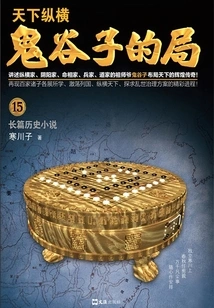
The Eastern version of "Game of Thrones" "Guiguzi's Game" is a full-length historical novel. It tells the glorious legend of Guiguzi, the common ancestor of the strategist, military strategist, strategist, Yin-Yang family, and Taoism, who organized the world! In the middle of the Warring States Period, an old man who was honored as Guiguzi lived in seclusion in the valley of Yunmeng Mountain. In the more than two thousand years after his death, strategists regarded him as their ancestor, military strategists regarded him as a saint, politicians regarded him as their ancestor, prime ministers worshiped him as their ancestor, and immortal Taoists respected him as a true man. The Chinese regard him as the embodiment of wisdom and respect him as an omnipotent dragon.
The Eastern version of "Game of Thrones" "Guiguzi's Game" is a full-length historical novel. It tells the glorious legend of Guiguzi, the common ancestor of the strategist, military strategist, strategist, Yin-Yang family, and Taoism, who organized the world! In the middle of the Warring States Period, an old man who was honored as Guiguzi lived in seclusion in the valley of Yunmeng Mountain. In the more than two thousand years after his death, strategists regarded him as their ancestor, military strategists regarded him as a saint, politicians regarded him as their ancestor, prime ministers worshiped him as their ancestor, and immortal Taoists respected him as a true man. The Chinese regard him as the embodiment of wisdom and respect him as an omnipotent dragon.
Guiguzi's Game·volume 12
History鬼谷子的局·卷十二
Hanchuanzi
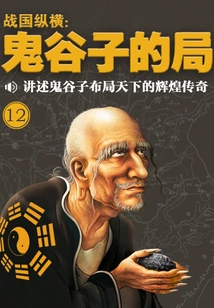
When he learned that Qi's salt was about to be transported to Ying, Lord Ji Ling quickly gathered the goods to pay Qin's debt and made a huge profit. For buying salt at an inexplicable exorbitant price, Qin Chaotang criticized him one after another. Zhang Yi asked Chu to make amends. The Chu system was entrenched and it was difficult to return. Qu Yuan gained the trust of King Huai and took charge of reform matters. Regardless of the previous deception, Zhang Yi proposed to marry Mi Yue in order to marry the prince; without any plan to deal with his political enemy Qu Yuan, Zhang Yi proposed a plan and Jin Shang killed him one by one; fearing that he would fall out of favor, Zhang Yi came up with a plan and Zheng Xiu worried about the king's concerns. Wang Qin, Jin Shang, and Zheng Xiu therefore believed in Zhang Yi. At the beginning of the reform, Qu Yuan gave the first order to cut redundancies. Wang Qin and Zhang Yi joined forces to support Qu Yuan's restructuring in Zhaoyang Ding. King Huai issued an edict to implement the first constitutional decree. The prince was frightened and urged Zhang Yi to replace Zhaoyang Ling Yin. All the clans came to protest the redundancy order in person, and Zhaoyang asked Yin to resign. Because the former Qu Yuan failed to fulfill his wish to follow Qin's law, King Huai followed the trend and condescended to Zhang Yi. On the eve of the first sacrifice, Qu Yuan casually composed a poem for Wuxian Temple in Chu Palace while fasting, which became a masterpiece.
When he learned that Qi's salt was about to be transported to Ying, Lord Ji Ling quickly gathered the goods to pay Qin's debt and made a huge profit. For buying salt at an inexplicable exorbitant price, Qin Chaotang criticized him one after another. Zhang Yi asked Chu to make amends. The Chu system was entrenched and it was difficult to return. Qu Yuan gained the trust of King Huai and took charge of reform matters. Regardless of the previous deception, Zhang Yi proposed to marry Mi Yue in order to marry the prince; without any plan to deal with his political enemy Qu Yuan, Zhang Yi proposed a plan and Jin Shang killed him one by one; fearing that he would fall out of favor, Zhang Yi came up with a plan and Zheng Xiu worried about the king's concerns. Wang Qin, Jin Shang, and Zheng Xiu therefore believed in Zhang Yi. At the beginning of the reform, Qu Yuan gave the first order to cut redundancies. Wang Qin and Zhang Yi joined forces to support Qu Yuan's restructuring in Zhaoyang Ding. King Huai issued an edict to implement the first constitutional decree. The prince was frightened and urged Zhang Yi to replace Zhaoyang Ling Yin. All the clans came to protest the redundancy order in person, and Zhaoyang asked Yin to resign. Because the former Qu Yuan failed to fulfill his wish to follow Qin's law, King Huai followed the trend and condescended to Zhang Yi. On the eve of the first sacrifice, Qu Yuan casually composed a poem for Wuxian Temple in Chu Palace while fasting, which became a masterpiece.
东方智圣鬼谷子
Hanchuanzi
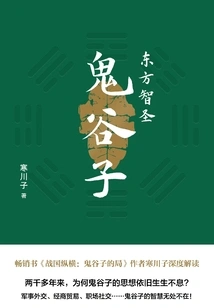
With an easy-to-understand language style, this book is written in simple language and can be understood by middle school students. It interprets one of the most difficult classics in the history of Chinese culture like telling a story. The words are rigorous, the arguments are well-founded, and the interpretation is accurate. Explore the universal cultural value of "Guiguzi" from the perspective of world civilization (the three major axes of civilization), elevate the positioning of "Guiguzi" to the level of world wisdom heritage, and propose and fully demonstrate the universal value of "Guiguzi" in five aspects, namely, "Guiguzi" is the study of the weak, the study of the gentleman, the study of success, the study of the human heart, and the study of human nature. For a clear text interpretation, the author starts from the general theoretical system of lobbying and pays attention to the logical connections throughout the text, thus forming a relatively accurate text interpretation. What you will get: 1. The most authoritative explanation of success science, ensuring you to dominate the workplace; 2. There is no real money, but it can teach you the secret technique of "turning stone into gold"; 3. A comprehensive understanding of the theoretical system of Gui Guzi and his book "Gui Guzi". Who should read this book: 1. Office workers: Being squeezed out in the workplace, they are motivated to make a comeback; 2. Entrepreneurs: They have been frustrated in their entrepreneurial journey, but they still dream of making a comeback; 3. Chinese studies researchers: There are too many academic works on the interpretation of "Guiguzi" nowadays, and they don't know what to choose.
With an easy-to-understand language style, this book is written in simple language and can be understood by middle school students. It interprets one of the most difficult classics in the history of Chinese culture like telling a story. The words are rigorous, the arguments are well-founded, and the interpretation is accurate. Explore the universal cultural value of "Guiguzi" from the perspective of world civilization (the three major axes of civilization), elevate the positioning of "Guiguzi" to the level of world wisdom heritage, and propose and fully demonstrate the universal value of "Guiguzi" in five aspects, namely, "Guiguzi" is the study of the weak, the study of the gentleman, the study of success, the study of the human heart, and the study of human nature. For a clear text interpretation, the author starts from the general theoretical system of lobbying and pays attention to the logical connections throughout the text, thus forming a relatively accurate text interpretation. What you will get: 1. The most authoritative explanation of success science, ensuring you to dominate the workplace; 2. There is no real money, but it can teach you the secret technique of "turning stone into gold"; 3. A comprehensive understanding of the theoretical system of Gui Guzi and his book "Gui Guzi". Who should read this book: 1. Office workers: Being squeezed out in the workplace, they are motivated to make a comeback; 2. Entrepreneurs: They have been frustrated in their entrepreneurial journey, but they still dream of making a comeback; 3. Chinese studies researchers: There are too many academic works on the interpretation of "Guiguzi" nowadays, and they don't know what to choose.
Chamber of Commerce Storm (volume 5)
General Fiction商会风云(卷五)
Hanchuanzi
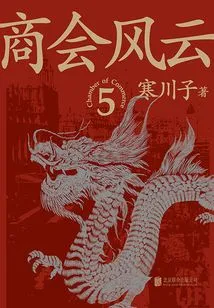
"Chamber of Commerce" closely revolves around the ups and downs of the Shanghai General Chamber of Commerce. The story originated from the Qing government's establishment of the General Chamber of Commerce on the basis of integrating various merchant guilds in Shanghai in response to pressure from the British to amend the Treaty of Xinchou according to its terms. From the beginning, this association became a platform for various business gangs in Shanghai to compete with each other. The two increasingly powerful business gangs, Guangdong merchants and Ningbo merchants, fought against each other for dominance in the chamber of commerce. In the end, they both became pawns of the Taiji merchant gang led by Lord Shang Ding, a senior official of the Qing government, and Taiji merchants. Remember that after the fall of the Qing government, we finally lost control of the Chamber of Commerce, which allowed our protagonist to integrate the Chamber of Commerce according to an ideal model that conforms to the development of the times. Eventually, the Chamber of Commerce gradually transitioned from an authoritarian platform with exclusive authority to a democratic platform where various merchant guilds coexist harmoniously. This line explains the core of the drama from beginning to end, that is, the dignity of a group does not come from the authoritarian or dictatorial power of any gang or government or individual, but from the legitimacy of the system or procedure that ties the group together. "Chamber of Commerce" focuses on shaping the four male protagonists, Wu Jingju, Fu Shun'an, Chen Jiong and Zhang Hu. The four male protagonists respectively represent the four realms of dignity: the first male represents complete dignity, which is symbolized by complete independence of personality; the second male represents the lack of dignity, which is symbolized by complete dependence of personality; the third and fourth males represent , represents the incompleteness of dignity from two extremes, one from the perspective of the revolutionary party and the other from the perspective of the underworld. What they have in common is that both have independent personalities and lack of personality, because both of them seek benefits for some people, rather than standing on a higher dimension and seeking benefits for everyone in the world like Male One.
"Chamber of Commerce" closely revolves around the ups and downs of the Shanghai General Chamber of Commerce. The story originated from the Qing government's establishment of the General Chamber of Commerce on the basis of integrating various merchant guilds in Shanghai in response to pressure from the British to amend the Treaty of Xinchou according to its terms. From the beginning, this association became a platform for various business gangs in Shanghai to compete with each other. The two increasingly powerful business gangs, Guangdong merchants and Ningbo merchants, fought against each other for dominance in the chamber of commerce. In the end, they both became pawns of the Taiji merchant gang led by Lord Shang Ding, a senior official of the Qing government, and Taiji merchants. Remember that after the fall of the Qing government, we finally lost control of the Chamber of Commerce, which allowed our protagonist to integrate the Chamber of Commerce according to an ideal model that conforms to the development of the times. Eventually, the Chamber of Commerce gradually transitioned from an authoritarian platform with exclusive authority to a democratic platform where various merchant guilds coexist harmoniously. This line explains the core of the drama from beginning to end, that is, the dignity of a group does not come from the authoritarian or dictatorial power of any gang or government or individual, but from the legitimacy of the system or procedure that ties the group together. "Chamber of Commerce" focuses on shaping the four male protagonists, Wu Jingju, Fu Shun'an, Chen Jiong and Zhang Hu. The four male protagonists respectively represent the four realms of dignity: the first male represents complete dignity, which is symbolized by complete independence of personality; the second male represents the lack of dignity, which is symbolized by complete dependence of personality; the third and fourth males represent , represents the incompleteness of dignity from two extremes, one from the perspective of the revolutionary party and the other from the perspective of the underworld. What they have in common is that both have independent personalities and lack of personality, because both of them seek benefits for some people, rather than standing on a higher dimension and seeking benefits for everyone in the world like Male One.
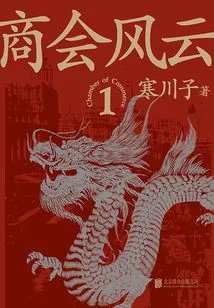
Chamber of Commerce Storm (volume 1)
General Fiction商会风云(卷一)
Hanchuanzi
"Chamber of Commerce" closely revolves around the ups and downs of the Shanghai General Chamber of Commerce. The story originated from the Qing government's establishment of the General Chamber of Commerce on the basis of integrating various merchant guilds in Shanghai in response to pressure from the British to amend the Treaty of Xinchou according to its terms. From the beginning, this association became a platform for various business gangs in Shanghai to compete with each other. The two increasingly powerful business gangs, Guangdong merchants and Ningbo merchants, fought against each other for dominance in the chamber of commerce. In the end, they both became pawns of the Taiji merchant gang led by Lord Shang Ding, a senior official of the Qing government, and Taiji merchants. Remember that after the fall of the Qing government, we finally lost control of the Chamber of Commerce, which allowed our protagonist to integrate the Chamber of Commerce according to an ideal model that conforms to the development of the times. Eventually, the Chamber of Commerce gradually transitioned from an authoritarian platform with exclusive authority to a democratic platform where various merchant guilds coexist harmoniously. This line explains the core of the drama from beginning to end, that is, the dignity of a group does not come from the authoritarian or dictatorial power of any gang or government or individual, but from the legitimacy of the system or procedure that ties the group together. "Chamber of Commerce" focuses on shaping the four male protagonists, Wu Jingju, Fu Shun'an, Chen Jiong and Zhang Hu. The four male protagonists respectively represent the four realms of dignity: the first male represents complete dignity, which is symbolized by complete independence of personality; the second male represents the lack of dignity, which is symbolized by complete dependence of personality; the third and fourth males represent , represents the incompleteness of dignity from two extremes, one from the perspective of the revolutionary party and the other from the perspective of the underworld. What they have in common is that both have independent personalities and lack of personality, because both of them seek benefits for some people, rather than standing on a higher dimension and seeking benefits for everyone in the world like Male One.
"Chamber of Commerce" closely revolves around the ups and downs of the Shanghai General Chamber of Commerce. The story originated from the Qing government's establishment of the General Chamber of Commerce on the basis of integrating various merchant guilds in Shanghai in response to pressure from the British to amend the Treaty of Xinchou according to its terms. From the beginning, this association became a platform for various business gangs in Shanghai to compete with each other. The two increasingly powerful business gangs, Guangdong merchants and Ningbo merchants, fought against each other for dominance in the chamber of commerce. In the end, they both became pawns of the Taiji merchant gang led by Lord Shang Ding, a senior official of the Qing government, and Taiji merchants. Remember that after the fall of the Qing government, we finally lost control of the Chamber of Commerce, which allowed our protagonist to integrate the Chamber of Commerce according to an ideal model that conforms to the development of the times. Eventually, the Chamber of Commerce gradually transitioned from an authoritarian platform with exclusive authority to a democratic platform where various merchant guilds coexist harmoniously. This line explains the core of the drama from beginning to end, that is, the dignity of a group does not come from the authoritarian or dictatorial power of any gang or government or individual, but from the legitimacy of the system or procedure that ties the group together. "Chamber of Commerce" focuses on shaping the four male protagonists, Wu Jingju, Fu Shun'an, Chen Jiong and Zhang Hu. The four male protagonists respectively represent the four realms of dignity: the first male represents complete dignity, which is symbolized by complete independence of personality; the second male represents the lack of dignity, which is symbolized by complete dependence of personality; the third and fourth males represent , represents the incompleteness of dignity from two extremes, one from the perspective of the revolutionary party and the other from the perspective of the underworld. What they have in common is that both have independent personalities and lack of personality, because both of them seek benefits for some people, rather than standing on a higher dimension and seeking benefits for everyone in the world like Male One.
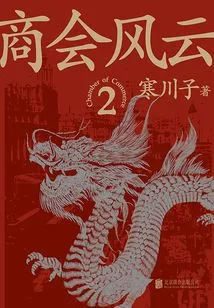
Chamber of Commerce (volume 2)
General Fiction商会风云(卷二)
Hanchuanzi
"Chamber of Commerce" closely revolves around the ups and downs of the Shanghai General Chamber of Commerce. The story originated from the Qing government's establishment of the General Chamber of Commerce on the basis of integrating various merchant guilds in Shanghai in response to pressure from the British to amend the Treaty of Xinchou according to its terms. From the beginning, this association became a platform for various business gangs in Shanghai to compete with each other. The two increasingly powerful business gangs, Guangdong merchants and Ningbo merchants, fought against each other for dominance in the chamber of commerce. In the end, they both became pawns of the Taiji merchant gang led by Lord Shang Ding, a senior official of the Qing government, and Taiji merchants. Remember that after the fall of the Qing government, we finally lost control of the Chamber of Commerce, which allowed our protagonist to integrate the Chamber of Commerce according to an ideal model that conforms to the development of the times. Eventually, the Chamber of Commerce gradually transitioned from an authoritarian platform with exclusive authority to a democratic platform where various merchant guilds coexist harmoniously. This line explains the core of the drama from beginning to end, that is, the dignity of a group does not come from the authoritarian or dictatorial power of any gang or government or individual, but from the legitimacy of the system or procedure that ties the group together. "Chamber of Commerce" focuses on shaping the four male protagonists, Wu Jingju, Fu Shun'an, Chen Jiong and Zhang Hu. The four male protagonists respectively represent the four realms of dignity: the first male represents complete dignity, which is symbolized by complete independence of personality; the second male represents the lack of dignity, which is symbolized by complete dependence of personality; the third and fourth males represent , represents the incompleteness of dignity from two extremes, one from the perspective of the revolutionary party and the other from the perspective of the underworld. What they have in common is that both have independent personalities and lack of personality, because both of them seek benefits for some people, rather than standing on a higher dimension and seeking benefits for everyone in the world like Male One.
"Chamber of Commerce" closely revolves around the ups and downs of the Shanghai General Chamber of Commerce. The story originated from the Qing government's establishment of the General Chamber of Commerce on the basis of integrating various merchant guilds in Shanghai in response to pressure from the British to amend the Treaty of Xinchou according to its terms. From the beginning, this association became a platform for various business gangs in Shanghai to compete with each other. The two increasingly powerful business gangs, Guangdong merchants and Ningbo merchants, fought against each other for dominance in the chamber of commerce. In the end, they both became pawns of the Taiji merchant gang led by Lord Shang Ding, a senior official of the Qing government, and Taiji merchants. Remember that after the fall of the Qing government, we finally lost control of the Chamber of Commerce, which allowed our protagonist to integrate the Chamber of Commerce according to an ideal model that conforms to the development of the times. Eventually, the Chamber of Commerce gradually transitioned from an authoritarian platform with exclusive authority to a democratic platform where various merchant guilds coexist harmoniously. This line explains the core of the drama from beginning to end, that is, the dignity of a group does not come from the authoritarian or dictatorial power of any gang or government or individual, but from the legitimacy of the system or procedure that ties the group together. "Chamber of Commerce" focuses on shaping the four male protagonists, Wu Jingju, Fu Shun'an, Chen Jiong and Zhang Hu. The four male protagonists respectively represent the four realms of dignity: the first male represents complete dignity, which is symbolized by complete independence of personality; the second male represents the lack of dignity, which is symbolized by complete dependence of personality; the third and fourth males represent , represents the incompleteness of dignity from two extremes, one from the perspective of the revolutionary party and the other from the perspective of the underworld. What they have in common is that both have independent personalities and lack of personality, because both of them seek benefits for some people, rather than standing on a higher dimension and seeking benefits for everyone in the world like Male One.
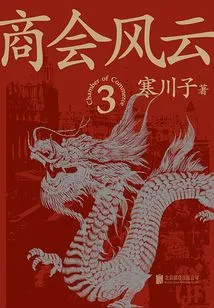
Chamber of Commerce (volume 3)
General Fiction商会风云(卷三)
Hanchuanzi
"Chamber of Commerce" closely revolves around the ups and downs of the Shanghai General Chamber of Commerce. The story originated from the Qing government's establishment of the General Chamber of Commerce on the basis of integrating various merchant guilds in Shanghai in response to pressure from the British to amend the Treaty of Xinchou according to its terms. From the beginning, this association became a platform for various business gangs in Shanghai to compete with each other. The two increasingly powerful business gangs, Guangdong merchants and Ningbo merchants, fought against each other for dominance in the chamber of commerce. In the end, they both became pawns of the Taiji merchant gang led by Lord Shang Ding, a senior official of the Qing government, and Taiji merchants. Remember that after the fall of the Qing government, we finally lost control of the Chamber of Commerce, which allowed our protagonist to integrate the Chamber of Commerce according to an ideal model that conforms to the development of the times. Eventually, the Chamber of Commerce gradually transitioned from an authoritarian platform with exclusive authority to a democratic platform where various merchant guilds coexist harmoniously. This line explains the core of the drama from beginning to end, that is, the dignity of a group does not come from the authoritarian or dictatorial power of any gang or government or individual, but from the legitimacy of the system or procedure that ties the group together. "Chamber of Commerce" focuses on shaping the four male protagonists, Wu Jingju, Fu Shun'an, Chen Jiong and Zhang Hu. The four male protagonists respectively represent the four realms of dignity: the first male represents complete dignity, which is symbolized by complete independence of personality; the second male represents the lack of dignity, which is symbolized by complete dependence of personality; the third and fourth males represent , represents the incompleteness of dignity from two extremes, one from the perspective of the revolutionary party and the other from the perspective of the underworld. What they have in common is that both have independent personalities and lack of personality, because both of them seek benefits for some people, rather than standing on a higher dimension and seeking benefits for everyone in the world like Male One.
"Chamber of Commerce" closely revolves around the ups and downs of the Shanghai General Chamber of Commerce. The story originated from the Qing government's establishment of the General Chamber of Commerce on the basis of integrating various merchant guilds in Shanghai in response to pressure from the British to amend the Treaty of Xinchou according to its terms. From the beginning, this association became a platform for various business gangs in Shanghai to compete with each other. The two increasingly powerful business gangs, Guangdong merchants and Ningbo merchants, fought against each other for dominance in the chamber of commerce. In the end, they both became pawns of the Taiji merchant gang led by Lord Shang Ding, a senior official of the Qing government, and Taiji merchants. Remember that after the fall of the Qing government, we finally lost control of the Chamber of Commerce, which allowed our protagonist to integrate the Chamber of Commerce according to an ideal model that conforms to the development of the times. Eventually, the Chamber of Commerce gradually transitioned from an authoritarian platform with exclusive authority to a democratic platform where various merchant guilds coexist harmoniously. This line explains the core of the drama from beginning to end, that is, the dignity of a group does not come from the authoritarian or dictatorial power of any gang or government or individual, but from the legitimacy of the system or procedure that ties the group together. "Chamber of Commerce" focuses on shaping the four male protagonists, Wu Jingju, Fu Shun'an, Chen Jiong and Zhang Hu. The four male protagonists respectively represent the four realms of dignity: the first male represents complete dignity, which is symbolized by complete independence of personality; the second male represents the lack of dignity, which is symbolized by complete dependence of personality; the third and fourth males represent , represents the incompleteness of dignity from two extremes, one from the perspective of the revolutionary party and the other from the perspective of the underworld. What they have in common is that both have independent personalities and lack of personality, because both of them seek benefits for some people, rather than standing on a higher dimension and seeking benefits for everyone in the world like Male One.
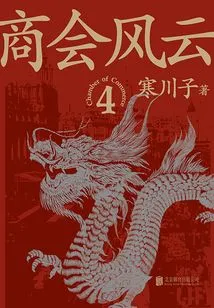
Chamber of Commerce Storm (volume 4)
General Fiction商会风云(卷四)
Hanchuanzi
"Chamber of Commerce" closely revolves around the ups and downs of the Shanghai General Chamber of Commerce. The story originated from the Qing government's establishment of the General Chamber of Commerce on the basis of integrating various merchant guilds in Shanghai in response to pressure from the British to amend the Treaty of Xinchou according to its terms. From the beginning, this association became a platform for various business gangs in Shanghai to compete with each other. The two increasingly powerful business gangs, Guangdong merchants and Ningbo merchants, fought against each other for dominance in the chamber of commerce. In the end, they both became pawns of the Taiji merchant gang led by Lord Shang Ding, a senior official of the Qing government, and Taiji merchants. Remember that after the fall of the Qing government, we finally lost control of the Chamber of Commerce, which allowed our protagonist to integrate the Chamber of Commerce according to an ideal model that conforms to the development of the times. Eventually, the Chamber of Commerce gradually transitioned from an authoritarian platform with exclusive authority to a democratic platform where various merchant guilds coexist harmoniously. This line explains the core of the drama from beginning to end, that is, the dignity of a group does not come from the authoritarian or dictatorial power of any gang or government or individual, but from the legitimacy of the system or procedure that ties the group together. "Chamber of Commerce" focuses on shaping the four male protagonists, Wu Jingju, Fu Shun'an, Chen Jiong and Zhang Hu. The four male protagonists respectively represent the four realms of dignity: the first male represents complete dignity, which is symbolized by complete independence of personality; the second male represents the lack of dignity, which is symbolized by complete dependence of personality; the third and fourth males represent , represents the incompleteness of dignity from two extremes, one from the perspective of the revolutionary party and the other from the perspective of the underworld. What they have in common is that both have independent personalities and lack of personality, because both of them seek benefits for some people, rather than standing on a higher dimension and seeking benefits for everyone in the world like Male One.
"Chamber of Commerce" closely revolves around the ups and downs of the Shanghai General Chamber of Commerce. The story originated from the Qing government's establishment of the General Chamber of Commerce on the basis of integrating various merchant guilds in Shanghai in response to pressure from the British to amend the Treaty of Xinchou according to its terms. From the beginning, this association became a platform for various business gangs in Shanghai to compete with each other. The two increasingly powerful business gangs, Guangdong merchants and Ningbo merchants, fought against each other for dominance in the chamber of commerce. In the end, they both became pawns of the Taiji merchant gang led by Lord Shang Ding, a senior official of the Qing government, and Taiji merchants. Remember that after the fall of the Qing government, we finally lost control of the Chamber of Commerce, which allowed our protagonist to integrate the Chamber of Commerce according to an ideal model that conforms to the development of the times. Eventually, the Chamber of Commerce gradually transitioned from an authoritarian platform with exclusive authority to a democratic platform where various merchant guilds coexist harmoniously. This line explains the core of the drama from beginning to end, that is, the dignity of a group does not come from the authoritarian or dictatorial power of any gang or government or individual, but from the legitimacy of the system or procedure that ties the group together. "Chamber of Commerce" focuses on shaping the four male protagonists, Wu Jingju, Fu Shun'an, Chen Jiong and Zhang Hu. The four male protagonists respectively represent the four realms of dignity: the first male represents complete dignity, which is symbolized by complete independence of personality; the second male represents the lack of dignity, which is symbolized by complete dependence of personality; the third and fourth males represent , represents the incompleteness of dignity from two extremes, one from the perspective of the revolutionary party and the other from the perspective of the underworld. What they have in common is that both have independent personalities and lack of personality, because both of them seek benefits for some people, rather than standing on a higher dimension and seeking benefits for everyone in the world like Male One.
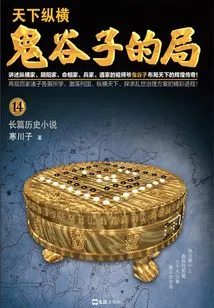
Guiguzi's Game·volume 14
General Fiction鬼谷子的局·卷十四
Hanchuanzi
The Eastern version of "Game of Thrones" "Warring States Period: Guiguzi's Game" is a full-length historical novel. It tells the glorious legend of Gui Guzi, the founder of the strategist, yin-yang family, fortune teller, military strategist, and Taoist family, who organized the world! During the Warring States Period, in a mountain called Qingxi Guigu (today's Hebi City, Henan), there lived an old man (whose real name was Wang Xu) who was respectfully called Guiguzi. He read, meditated, and meditated on the mountain every day. He did not interact with the world and lived an isolated life. However, for more than two thousand years, military strategists have respected him as a saint, political strategists have respected him as the ancestor, fortune tellers and fortune tellers have respected him as the ancestor, and Taoism has ranked him with Laozi and respected him as the ancestor of Wang Chan.
The Eastern version of "Game of Thrones" "Warring States Period: Guiguzi's Game" is a full-length historical novel. It tells the glorious legend of Gui Guzi, the founder of the strategist, yin-yang family, fortune teller, military strategist, and Taoist family, who organized the world! During the Warring States Period, in a mountain called Qingxi Guigu (today's Hebi City, Henan), there lived an old man (whose real name was Wang Xu) who was respectfully called Guiguzi. He read, meditated, and meditated on the mountain every day. He did not interact with the world and lived an isolated life. However, for more than two thousand years, military strategists have respected him as a saint, political strategists have respected him as the ancestor, fortune tellers and fortune tellers have respected him as the ancestor, and Taoism has ranked him with Laozi and respected him as the ancestor of Wang Chan.
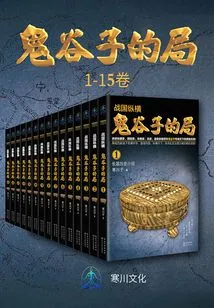
Warring States Period: Guiguzi's Game (volume 1-15)
General Fiction战国纵横:鬼谷子的局(1—15卷)
Hanchuanzi
The Eastern version of "Game of Thrones" "Guiguzi's Game" is a full-length historical novel. It tells the glorious legend of Guiguzi, the common ancestor of the strategist, military strategist, strategist, Yin-Yang family, and Taoism, who organized the world! In the middle of the Warring States Period, an old man who was honored as Guiguzi lived in seclusion in the valley of Yunmeng Mountain. In the more than two thousand years after his death, strategists regarded him as their ancestor, military strategists regarded him as a saint, politicians regarded him as their ancestor, prime ministers worshiped him as their ancestor, and immortal Taoists respected him as a true man. The Chinese regard him as the embodiment of wisdom and respect him as an omnipotent dragon.
The Eastern version of "Game of Thrones" "Guiguzi's Game" is a full-length historical novel. It tells the glorious legend of Guiguzi, the common ancestor of the strategist, military strategist, strategist, Yin-Yang family, and Taoism, who organized the world! In the middle of the Warring States Period, an old man who was honored as Guiguzi lived in seclusion in the valley of Yunmeng Mountain. In the more than two thousand years after his death, strategists regarded him as their ancestor, military strategists regarded him as a saint, politicians regarded him as their ancestor, prime ministers worshiped him as their ancestor, and immortal Taoists respected him as a true man. The Chinese regard him as the embodiment of wisdom and respect him as an omnipotent dragon.
Four Poplars
General Fiction四棵杨
Hanchuanzi
700,000 words are dedicated to the 70th anniversary of the founding of the Republic, and reflect the heroism and confusion, suffering and glory of the Central Plains in the past thirty years. Stove gate, hall gate, courtyard gate, family affairs, rural affairs, state affairs... The Great Leap Forward, big pot rice, great famine, great drought, great floods... A song dedicated to his hometown by Han Chuanzi, the author of the best-selling book "Guiguzi's Bureau". The story begins when the landowner of the Zhang family was shot during the land reform, and the whole family went crazy. The villagers were allotted fields, but before they could be happy, a wave of cooperatization was launched across the country, and they began to eat "big pot rice". The big canteen followed the Great Leap Forward, and the villagers were forced to smash pots and ladles to join the large-scale steel smelting. They neglected farming, and grain production was reduced. However, high-yield winds blew up, and grain production was falsely reported. The famine followed like a shadow, and the small villages were starved to death. Lin, a married man, starved to death on his bed, and the bald men of thousands of families ran to the graves to dig up corpses to eat...; The famine was not far away, and the Cultural Revolution struck. The Dragon Temple was smashed and the graves were leveled.
700,000 words are dedicated to the 70th anniversary of the founding of the Republic, and reflect the heroism and confusion, suffering and glory of the Central Plains in the past thirty years. Stove gate, hall gate, courtyard gate, family affairs, rural affairs, state affairs... The Great Leap Forward, big pot rice, great famine, great drought, great floods... A song dedicated to his hometown by Han Chuanzi, the author of the best-selling book "Guiguzi's Bureau". The story begins when the landowner of the Zhang family was shot during the land reform, and the whole family went crazy. The villagers were allotted fields, but before they could be happy, a wave of cooperatization was launched across the country, and they began to eat "big pot rice". The big canteen followed the Great Leap Forward, and the villagers were forced to smash pots and ladles to join the large-scale steel smelting. They neglected farming, and grain production was reduced. However, high-yield winds blew up, and grain production was falsely reported. The famine followed like a shadow, and the small villages were starved to death. Lin, a married man, starved to death on his bed, and the bald men of thousands of families ran to the graves to dig up corpses to eat...; The famine was not far away, and the Cultural Revolution struck. The Dragon Temple was smashed and the graves were leveled.
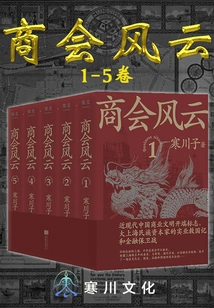
Chamber of Commerce (volume 1-5)
General Fiction商会风云(1—5卷)
Hanchuanzi
"Chamber of Commerce" closely revolves around the ups and downs of the Shanghai General Chamber of Commerce. The story originated from the Qing government's establishment of the General Chamber of Commerce on the basis of integrating various merchant guilds in Shanghai in response to pressure from the British to amend the Treaty of Xinchou according to its terms. From the beginning, this association became a platform for various business gangs in Shanghai to compete with each other. The two increasingly powerful business gangs, Guangdong merchants and Ningbo merchants, fought against each other for dominance in the chamber of commerce. In the end, they both became pawns of the Taiji merchant gang led by Lord Shang Ding, a senior official of the Qing government, and Taiji merchants. Remember that after the fall of the Qing government, we finally lost control of the Chamber of Commerce, which allowed our protagonist to integrate the Chamber of Commerce according to an ideal model that conforms to the development of the times. Eventually, the Chamber of Commerce gradually transitioned from an authoritarian platform with exclusive authority to a democratic platform where various merchant guilds coexist harmoniously. This line explains the core of the drama from beginning to end, that is, the dignity of a group does not come from the authoritarian or dictatorial power of any gang or government or individual, but from the legitimacy of the system or procedure that ties the group together. "Chamber of Commerce" focuses on shaping the four male protagonists, Wu Jingju, Fu Shun'an, Chen Jiong and Zhang Hu. The four male protagonists respectively represent the four realms of dignity: the first male represents complete dignity, which is symbolized by complete independence of personality; the second male represents the lack of dignity, which is symbolized by complete dependence of personality; the third and fourth males represent , represents the incompleteness of dignity from two extremes, one from the perspective of the revolutionary party and the other from the perspective of the underworld. What they have in common is that both have independent personalities and lack of personality, because both of them seek benefits for some people, rather than standing on a higher dimension and seeking benefits for everyone in the world like Male One.
"Chamber of Commerce" closely revolves around the ups and downs of the Shanghai General Chamber of Commerce. The story originated from the Qing government's establishment of the General Chamber of Commerce on the basis of integrating various merchant guilds in Shanghai in response to pressure from the British to amend the Treaty of Xinchou according to its terms. From the beginning, this association became a platform for various business gangs in Shanghai to compete with each other. The two increasingly powerful business gangs, Guangdong merchants and Ningbo merchants, fought against each other for dominance in the chamber of commerce. In the end, they both became pawns of the Taiji merchant gang led by Lord Shang Ding, a senior official of the Qing government, and Taiji merchants. Remember that after the fall of the Qing government, we finally lost control of the Chamber of Commerce, which allowed our protagonist to integrate the Chamber of Commerce according to an ideal model that conforms to the development of the times. Eventually, the Chamber of Commerce gradually transitioned from an authoritarian platform with exclusive authority to a democratic platform where various merchant guilds coexist harmoniously. This line explains the core of the drama from beginning to end, that is, the dignity of a group does not come from the authoritarian or dictatorial power of any gang or government or individual, but from the legitimacy of the system or procedure that ties the group together. "Chamber of Commerce" focuses on shaping the four male protagonists, Wu Jingju, Fu Shun'an, Chen Jiong and Zhang Hu. The four male protagonists respectively represent the four realms of dignity: the first male represents complete dignity, which is symbolized by complete independence of personality; the second male represents the lack of dignity, which is symbolized by complete dependence of personality; the third and fourth males represent , represents the incompleteness of dignity from two extremes, one from the perspective of the revolutionary party and the other from the perspective of the underworld. What they have in common is that both have independent personalities and lack of personality, because both of them seek benefits for some people, rather than standing on a higher dimension and seeking benefits for everyone in the world like Male One.