Library
Browse and search books
2 novels found
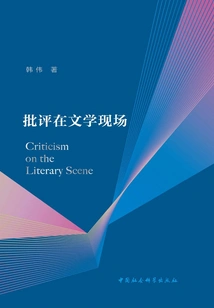
Criticism in the Literary Scene
Literature批评在文学现场
Han Wei
This book is a self-selected collection of reviews, divided into four volumes: The first volume, "The Temptation of Theory," mainly includes several essays by the author on his reflection and reconstruction of contemporary Chinese literary theory. This kind of problem-focused reflection and reconstruction has a clear boosting effect on the construction of the discourse system of contemporary Chinese literary theory. The second volume "Republic of China Literature Scene" mainly includes the author's four essays on the literature of the Republic of China, returning to the historical context in which the literature of the Republic of China occurred, and rethinking modern Chinese literature in the historical scene. The third volume of "Criticism in the Literary Scene" mainly includes the author's research on cutting-edge issues and hot issues in contemporary Chinese literature, as well as the works of important writers. This is an inquiry and pulse-checking of contemporary Chinese literature, and it is an active intervention of criticism into the literary scene. The fourth volume "Literary World Imagination" mainly includes the author's three papers on Ishiguro Kazuo. This is an academic response to the new Nobel Prize-winning writers, and it is also a Chinese imagination of world literature.
This book is a self-selected collection of reviews, divided into four volumes: The first volume, "The Temptation of Theory," mainly includes several essays by the author on his reflection and reconstruction of contemporary Chinese literary theory. This kind of problem-focused reflection and reconstruction has a clear boosting effect on the construction of the discourse system of contemporary Chinese literary theory. The second volume "Republic of China Literature Scene" mainly includes the author's four essays on the literature of the Republic of China, returning to the historical context in which the literature of the Republic of China occurred, and rethinking modern Chinese literature in the historical scene. The third volume of "Criticism in the Literary Scene" mainly includes the author's research on cutting-edge issues and hot issues in contemporary Chinese literature, as well as the works of important writers. This is an inquiry and pulse-checking of contemporary Chinese literature, and it is an active intervention of criticism into the literary scene. The fourth volume "Literary World Imagination" mainly includes the author's three papers on Ishiguro Kazuo. This is an academic response to the new Nobel Prize-winning writers, and it is also a Chinese imagination of world literature.
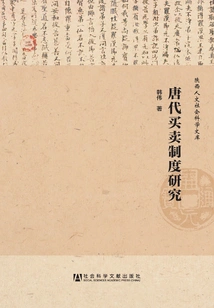
唐代买卖制度研究
Han Wei
This book mainly studies the sales system of the Tang Dynasty. It not only conducts a multi-faceted investigation from the perspective of the legal system of the Tang Dynasty as official law, but also focuses more on the local law of the sales system. That is, through the analysis and refinement of more than a hundred historical sales contract documents of the Tang Dynasty, it conducts a detailed examination of the folk customs or norms related to sales transactions. Beyond the system, the author attempts to enter the inner spirit and value of the trading system and analyze the cultural mechanism behind it, such as the analysis of the influence of Confucian culture and the analysis of the "retribution" that constitutes the effectiveness of the customary law of buying and selling, all of which reflect innovation.
This book mainly studies the sales system of the Tang Dynasty. It not only conducts a multi-faceted investigation from the perspective of the legal system of the Tang Dynasty as official law, but also focuses more on the local law of the sales system. That is, through the analysis and refinement of more than a hundred historical sales contract documents of the Tang Dynasty, it conducts a detailed examination of the folk customs or norms related to sales transactions. Beyond the system, the author attempts to enter the inner spirit and value of the trading system and analyze the cultural mechanism behind it, such as the analysis of the influence of Confucian culture and the analysis of the "retribution" that constitutes the effectiveness of the customary law of buying and selling, all of which reflect innovation.