Library
Browse and search books
14 novels found
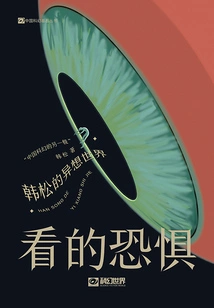
The Fear of Watching: Han Song's Fantasy World (chinese Science Fiction Cornerstone Series)
General Fiction看的恐惧:韩松的异想世界(中国科幻基石丛书)
Han Song
In 1998, Science Fiction World planned Han Song's first anthology of science fiction works, "Cosmic Tombstone". After 27 years, Science Fiction World grandly launches Han Song's collection of classic science fiction works. This book is a collection of fourteen important works by Han Song, including the Hugo Award-nominated masterpiece "The Voyage Without Answers", the dystopian black fable "The Fear of Seeing", the absurd "Chinese dystopia" "Old Age", and the "Subway Shock" that exposes cold humanity, etc. Han Song uses his pen as his sword, sharp and sharp, to depict the irony of modern civilization, the profound criticism of the ethics of science and technology, and the philosophical reflection on the ultimate destiny of mankind.
In 1998, Science Fiction World planned Han Song's first anthology of science fiction works, "Cosmic Tombstone". After 27 years, Science Fiction World grandly launches Han Song's collection of classic science fiction works. This book is a collection of fourteen important works by Han Song, including the Hugo Award-nominated masterpiece "The Voyage Without Answers", the dystopian black fable "The Fear of Seeing", the absurd "Chinese dystopia" "Old Age", and the "Subway Shock" that exposes cold humanity, etc. Han Song uses his pen as his sword, sharp and sharp, to depict the irony of modern civilization, the profound criticism of the ethics of science and technology, and the philosophical reflection on the ultimate destiny of mankind.
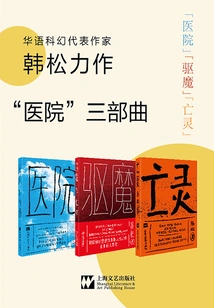
Hansol Hospital Trilogy (hospital + Exorcism + Undead)
General Fiction韩松医院三部曲(医院+驱魔+亡灵)
Han Song
Han Song is a representative Chinese science fiction writer and is known as the "Philip Dick of contemporary China". His new novel "Hospital" trilogy explores the medical secrets of the near future era of artificial intelligence and ponders the biggest changes in life and human nature. It is the culmination of Han Song's dystopian ideological system and is enough to rewrite the history of Chinese science fiction. The first "Hospital" put forward the subversive values of the "pharmaceutical era", "Seeing a doctor is first of all a matter of faith; life is a treatment package." The second part, "Exorcism," further depicts a brief history of future patients in the "drug war" and outlines the evolution of medical artificial intelligence. As the final chapter of the trilogy, "The Undead" constructs the medical society of the Mars Hospital on the Day of Resurrection. The rise and collapse of the "pharmaceutical empire" hints at the secret of life's "original death or primary death", and the end of the world must be unspeakable.
Han Song is a representative Chinese science fiction writer and is known as the "Philip Dick of contemporary China". His new novel "Hospital" trilogy explores the medical secrets of the near future era of artificial intelligence and ponders the biggest changes in life and human nature. It is the culmination of Han Song's dystopian ideological system and is enough to rewrite the history of Chinese science fiction. The first "Hospital" put forward the subversive values of the "pharmaceutical era", "Seeing a doctor is first of all a matter of faith; life is a treatment package." The second part, "Exorcism," further depicts a brief history of future patients in the "drug war" and outlines the evolution of medical artificial intelligence. As the final chapter of the trilogy, "The Undead" constructs the medical society of the Mars Hospital on the Day of Resurrection. The rise and collapse of the "pharmaceutical empire" hints at the secret of life's "original death or primary death", and the end of the world must be unspeakable.
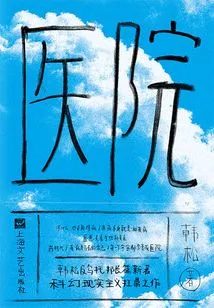
Hospital (hospital Trilogy)
General Fiction医院(医院三部曲)
Han Song
The protagonist suddenly fell ill while on a business trip to City C. He was sent to a strange hospital and experienced various absurd but meaningful events. He wanted to escape, but was forced to undergo an operation... The novel uses a distinctive "Han Song style" to construct a deep and rich "Utopia" time and space. From the current hot topic of medical and health care, it cuts into the hard-to-reach dark sides of human social systems and cultural psychology, penetrates the chaos of life, and re-examines the reality and illusion that we are blind to.
The protagonist suddenly fell ill while on a business trip to City C. He was sent to a strange hospital and experienced various absurd but meaningful events. He wanted to escape, but was forced to undergo an operation... The novel uses a distinctive "Han Song style" to construct a deep and rich "Utopia" time and space. From the current hot topic of medical and health care, it cuts into the hard-to-reach dark sides of human social systems and cultural psychology, penetrates the chaos of life, and re-examines the reality and illusion that we are blind to.
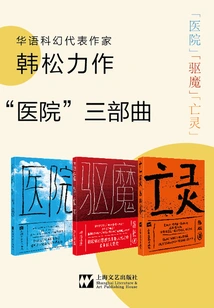
Han Song's "hospital" Trilogy
General Fiction韩松“医院”三部曲
Han Song
Han Song is a representative Chinese science fiction writer and is known as the "Philip Dick of contemporary China". His new novel "Hospital" trilogy explores the medical secrets of the near future era of artificial intelligence and ponders the biggest changes in life and human nature. It is the culmination of Han Song's dystopian ideological system and is enough to rewrite the history of Chinese science fiction. The first "Hospital" put forward the subversive values of the "pharmaceutical era", "Seeing a doctor is first of all a matter of faith; life is a treatment package." The second "Exorcism" further depicts a brief history of future patients in the "drug war" and outlines the evolution of medical artificial intelligence. As the final chapter of the trilogy, "The Undead" constructs the medical society of the Mars Hospital on the Day of Resurrection. The rise and collapse of the "pharmaceutical empire" hints at the secret of life's "original death or primary death", and the end of the world must be unspeakable. Han Song's novels are profound representations of reality, and his critical spirit and literary imagination are directly inherited from Lu Xun. This hospital trilogy, which uses disease as a metaphor, further embodies the "dark consciousness" in Chinese science fiction. "Hospital" puts forward the subversive values of the "pharmaceutical era", "Seeing a doctor is first and foremost a matter of faith; life is a treatment package." "Exorcism" depicts a brief history of future patients in the "drug war" and outlines the evolution of medical artificial intelligence. "Undead" builds the "pharmaceutical empire" of the Mars Hospital on the Day of Resurrection, and explores the secret of the "original death or primary death" of life. Science fiction reshapes the view of life and death, and the world must be unspeakable in the end. "The electronic version does not come with a postcard, I hope readers will forgive me."
Han Song is a representative Chinese science fiction writer and is known as the "Philip Dick of contemporary China". His new novel "Hospital" trilogy explores the medical secrets of the near future era of artificial intelligence and ponders the biggest changes in life and human nature. It is the culmination of Han Song's dystopian ideological system and is enough to rewrite the history of Chinese science fiction. The first "Hospital" put forward the subversive values of the "pharmaceutical era", "Seeing a doctor is first of all a matter of faith; life is a treatment package." The second "Exorcism" further depicts a brief history of future patients in the "drug war" and outlines the evolution of medical artificial intelligence. As the final chapter of the trilogy, "The Undead" constructs the medical society of the Mars Hospital on the Day of Resurrection. The rise and collapse of the "pharmaceutical empire" hints at the secret of life's "original death or primary death", and the end of the world must be unspeakable. Han Song's novels are profound representations of reality, and his critical spirit and literary imagination are directly inherited from Lu Xun. This hospital trilogy, which uses disease as a metaphor, further embodies the "dark consciousness" in Chinese science fiction. "Hospital" puts forward the subversive values of the "pharmaceutical era", "Seeing a doctor is first and foremost a matter of faith; life is a treatment package." "Exorcism" depicts a brief history of future patients in the "drug war" and outlines the evolution of medical artificial intelligence. "Undead" builds the "pharmaceutical empire" of the Mars Hospital on the Day of Resurrection, and explores the secret of the "original death or primary death" of life. Science fiction reshapes the view of life and death, and the world must be unspeakable in the end. "The electronic version does not come with a postcard, I hope readers will forgive me."
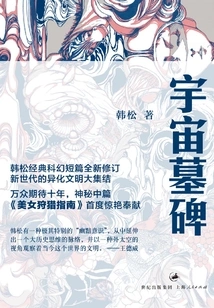
Cosmic Tombstone
General Fiction宇宙墓碑
Han Song
"Cosmic Tombstone" is a newly revised collection of Han Song's classic short stories. It can be said that it is these works that established Han Song's important position in the domestic science fiction circle. Among them, the novella "Beauty Hunting Guide" has been highly anticipated for more than ten years, but has never been officially published. This will be the first public appearance of this mysterious work.
"Cosmic Tombstone" is a newly revised collection of Han Song's classic short stories. It can be said that it is these works that established Han Song's important position in the domestic science fiction circle. Among them, the novella "Beauty Hunting Guide" has been highly anticipated for more than ten years, but has never been officially published. This will be the first public appearance of this mysterious work.
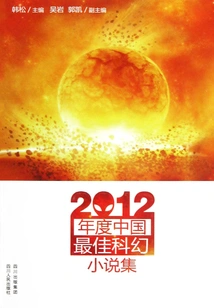
2012年度中国最佳科幻小说集
Han Song
Selects and compiles more than ten excellent science fiction novels published in various domestic media in 2012; conducts a comprehensive review of the development of Chinese science fiction literature in 2012. The collected works are mainly short and medium-sized novels, and the influential novels of the year are included in the form of excerpts or archives. Each work is accompanied by a creative statement from the author and comments from the editor.
Selects and compiles more than ten excellent science fiction novels published in various domestic media in 2012; conducts a comprehensive review of the development of Chinese science fiction literature in 2012. The collected works are mainly short and medium-sized novels, and the influential novels of the year are included in the form of excerpts or archives. Each work is accompanied by a creative statement from the author and comments from the editor.
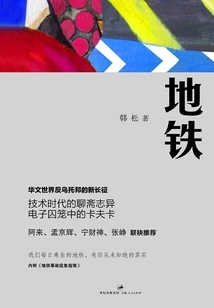
Subway
General Fiction地铁
Han Song
"Metro" is an urban suspense, thriller and fantasy work that has been hailed as "Strange Stories from a Chinese Studio in the technological age, Kafka in an electronic cage". The whole book is divided into five independent novels, with hidden clues intersecting between them, so it can also be regarded as a segmented novel.
"Metro" is an urban suspense, thriller and fantasy work that has been hailed as "Strange Stories from a Chinese Studio in the technological age, Kafka in an electronic cage". The whole book is divided into five independent novels, with hidden clues intersecting between them, so it can also be regarded as a segmented novel.

Mars Shines over America
General Fiction火星照耀美国
Han Song
The background of the story of "Mars Over America" is that in 2066, China has risen to become the world's largest country, while the United States has declined. The virtual world with the supercomputer "Armando" as the core has become the world where people live every day, and "Armando" has almost become God. The protagonist Tang Long is a Chinese Go prodigy. At the invitation of the organizer, the United States, he went with the Chinese Go delegation to participate in the World Go Competition. In the United States, Tang Long experienced dangerous and absurd encounters such as the collapse of the World Trade Center in New York, the paralysis of "Armando", joining the Children's Army in search of a "spiritual staff" that can predict the future, accompanying Newman, a genetically modified boy with a tail, in search of his father, and the second American Civil War. He was finally rescued by the Chinese rescue force.
The background of the story of "Mars Over America" is that in 2066, China has risen to become the world's largest country, while the United States has declined. The virtual world with the supercomputer "Armando" as the core has become the world where people live every day, and "Armando" has almost become God. The protagonist Tang Long is a Chinese Go prodigy. At the invitation of the organizer, the United States, he went with the Chinese Go delegation to participate in the World Go Competition. In the United States, Tang Long experienced dangerous and absurd encounters such as the collapse of the World Trade Center in New York, the paralysis of "Armando", joining the Children's Army in search of a "spiritual staff" that can predict the future, accompanying Newman, a genetically modified boy with a tail, in search of his father, and the second American Civil War. He was finally rescued by the Chinese rescue force.
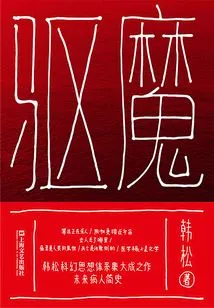
Exorcism (hospital Trilogy)
General Fiction驱魔(医院三部曲)
Han Song
In the mid-21st century, patient Yang Wei woke up on a hospital ship in the red ocean and found that the world was ruled by artificial intelligence, patients became part of the algorithm, drug war replaced nuclear war, and life became a complex of entertainment, art, pain and demonic obstacles. In order to find his lost memories, he and his fellow patients went on an adventure on the boat and visited many scenic spots like the "mandala" of the doomsday. Finally, he discovered that his previous medical and hospitalization experience was a virtual treatment process with the purpose of "exorcism" - his pain was the "disease" implanted by the enemy in the new world war...
In the mid-21st century, patient Yang Wei woke up on a hospital ship in the red ocean and found that the world was ruled by artificial intelligence, patients became part of the algorithm, drug war replaced nuclear war, and life became a complex of entertainment, art, pain and demonic obstacles. In order to find his lost memories, he and his fellow patients went on an adventure on the boat and visited many scenic spots like the "mandala" of the doomsday. Finally, he discovered that his previous medical and hospitalization experience was a virtual treatment process with the purpose of "exorcism" - his pain was the "disease" implanted by the enemy in the new world war...
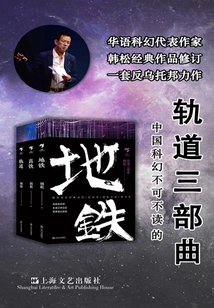
Han Song's "orbit" Trilogy
General Fiction韩松“轨道”三部曲
Han Song
Han Song, a representative Chinese science fiction writer, is known as the "Philip Dick of contemporary China". He has been writing science fiction for more than 30 years. His works are bizarre and colorful, poetic and dialectical, with unique aesthetic awareness, humanistic care and philosophical concepts. They are a profound practice of science fiction realism. The evolution of transportation reflects the changes in the country, reshapes the technological and social landscape, and also reshapes people's ideas. Han Song has revised and republished his masterpiece novels "Metro", "High-Speed Rail" and "Orbit" into the "Orbit Trilogy", which implies a rich and complex survival experience, uses allegorical texts to warn cosmic civilization, and reproduces the dystopian masterpiece of a Chinese observer and thinker.
Han Song, a representative Chinese science fiction writer, is known as the "Philip Dick of contemporary China". He has been writing science fiction for more than 30 years. His works are bizarre and colorful, poetic and dialectical, with unique aesthetic awareness, humanistic care and philosophical concepts. They are a profound practice of science fiction realism. The evolution of transportation reflects the changes in the country, reshapes the technological and social landscape, and also reshapes people's ideas. Han Song has revised and republished his masterpiece novels "Metro", "High-Speed Rail" and "Orbit" into the "Orbit Trilogy", which implies a rich and complex survival experience, uses allegorical texts to warn cosmic civilization, and reproduces the dystopian masterpiece of a Chinese observer and thinker.
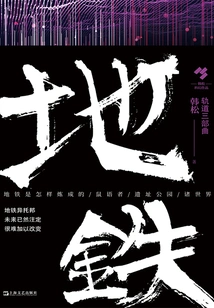
Metro (orbital Trilogy)
General Fiction地铁(轨道三部曲)
Han Song
"Subway" is the classic opening chapter of the "Orbital Trilogy" by Han Song, a representative Chinese science fiction writer. It consists of five relatively independent but echoing chapters: "The Last Shift" is about civil servant Lao Wang who glimpses many strange dwarfs in the subway and puts all the people on the train into bottles and transports them away; in "The Shock", another subway enters the endless running tunnel, and the passengers crowded in the carriage change from human to non-human, and "evolve" or "transform" into New species; "Symbol" depicts a seemingly near future. In order to explore the mystery of the subway, a group of people enter the ruined subway tunnel, and roughly understand that the "subway" project hosted by the corporatized government is actually a catastrophic event in the process of "cosmicization"; "Paradise" depicts the surviving post-human species in the subway, trying to return to the paradise on earth, but the evolved rats have already taken over the ruins of mankind...
"Subway" is the classic opening chapter of the "Orbital Trilogy" by Han Song, a representative Chinese science fiction writer. It consists of five relatively independent but echoing chapters: "The Last Shift" is about civil servant Lao Wang who glimpses many strange dwarfs in the subway and puts all the people on the train into bottles and transports them away; in "The Shock", another subway enters the endless running tunnel, and the passengers crowded in the carriage change from human to non-human, and "evolve" or "transform" into New species; "Symbol" depicts a seemingly near future. In order to explore the mystery of the subway, a group of people enter the ruined subway tunnel, and roughly understand that the "subway" project hosted by the corporatized government is actually a catastrophic event in the process of "cosmicization"; "Paradise" depicts the surviving post-human species in the subway, trying to return to the paradise on earth, but the evolved rats have already taken over the ruins of mankind...
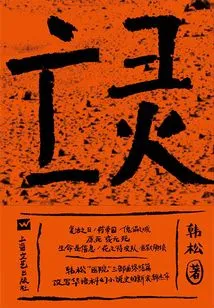
The Undead (hospital Trilogy)
General Fiction亡灵(医院三部曲)
Han Song
Han Song is a representative Chinese science fiction writer and is known as the "Philip Dick of contemporary China". His latest novel "Hospital" trilogy explores the medical secrets of the near future artificial intelligence era and ponders the cosmic changes in life and human nature. It is the culmination of Han Song's dystopian ideological system and is enough to rewrite the history of Chinese science fiction. The first "Hospital" proposed the subversive values of the "medicine age", and the second "Exorcism" further depicts the brief history of future patients in the "drug war". "The Undead", as the final chapter of the trilogy, constructs the medical society of Mars Hospital on the day of resurrection. The rise and collapse of the "medicine empire" hints at the secret of life's "original death or original death", and the world must be unspeakable in the end. The second-person narrative perspective of "The Undead" hints at the existence of a larger nested cyclic structure in the dark, like a mirror maze. The intertextually projected stories are infinitely derivative and mutated. The answers are followed by more questions, constructing a logically self-consistent and eternally expanding "cosmic hospital", and creating many original images and symbols that can be interpreted in multiple ways. Han Song's novels are profound representations of reality, and his critical spirit and literary imagination are directly inherited from Lu Xun. This hospital trilogy, which uses disease as a metaphor, further embodies the "dark consciousness" in Chinese science fiction.
Han Song is a representative Chinese science fiction writer and is known as the "Philip Dick of contemporary China". His latest novel "Hospital" trilogy explores the medical secrets of the near future artificial intelligence era and ponders the cosmic changes in life and human nature. It is the culmination of Han Song's dystopian ideological system and is enough to rewrite the history of Chinese science fiction. The first "Hospital" proposed the subversive values of the "medicine age", and the second "Exorcism" further depicts the brief history of future patients in the "drug war". "The Undead", as the final chapter of the trilogy, constructs the medical society of Mars Hospital on the day of resurrection. The rise and collapse of the "medicine empire" hints at the secret of life's "original death or original death", and the world must be unspeakable in the end. The second-person narrative perspective of "The Undead" hints at the existence of a larger nested cyclic structure in the dark, like a mirror maze. The intertextually projected stories are infinitely derivative and mutated. The answers are followed by more questions, constructing a logically self-consistent and eternally expanding "cosmic hospital", and creating many original images and symbols that can be interpreted in multiple ways. Han Song's novels are profound representations of reality, and his critical spirit and literary imagination are directly inherited from Lu Xun. This hospital trilogy, which uses disease as a metaphor, further embodies the "dark consciousness" in Chinese science fiction.
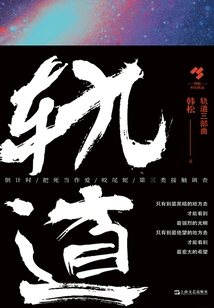
Orbit (orbit Trilogy)
General Fiction轨道(轨道三部曲)
Han Song
"Orbit" is the final chapter of the classic "Orbit Trilogy" by Han Song, a representative Chinese science fiction writer. It tells the story of three seven-day countdowns to the end of the world. The amnesiac "I" wandered around S City, which may have been projected, and participated in a UFO research meeting waiting for alien rescue. However, he was told by his girlfriend K that the city was actually in a cave or even the core of the earth. The civilization on the ground had long been destroyed by a blue blizzard; Company C, which developed a new orbit on behalf of the country, was Its popular endorsement singer Bing'er is subversive; the ownerless ghost organization of the intelligence agency "Reading" magazine hides the secret of the madness of the subway AI; and a new era of television is about to begin... This weird universe follows three major orbital laws: the law of impermanence, the law of randomness, and the law of deviation.
"Orbit" is the final chapter of the classic "Orbit Trilogy" by Han Song, a representative Chinese science fiction writer. It tells the story of three seven-day countdowns to the end of the world. The amnesiac "I" wandered around S City, which may have been projected, and participated in a UFO research meeting waiting for alien rescue. However, he was told by his girlfriend K that the city was actually in a cave or even the core of the earth. The civilization on the ground had long been destroyed by a blue blizzard; Company C, which developed a new orbit on behalf of the country, was Its popular endorsement singer Bing'er is subversive; the ownerless ghost organization of the intelligence agency "Reading" magazine hides the secret of the madness of the subway AI; and a new era of television is about to begin... This weird universe follows three major orbital laws: the law of impermanence, the law of randomness, and the law of deviation.
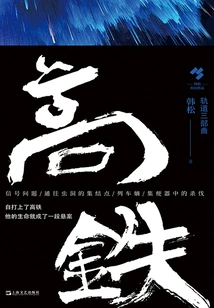
High-speed Rail (trail Trilogy)
General Fiction高铁(轨道三部曲)
Han Song
"High-Speed Rail" is the continuation of the classic "Trail Trilogy" by Han Song, a representative Chinese science fiction writer. It can be regarded as a segmented novel. In "Motor Train" and "Maternity Room", the high-speed rail control system fails and a unique artificial universe evolves. The passengers are the projection of some kind of collective consciousness. Zhou Yuan is selected as the seed character to save the train, but he runs away because of cowardice; in "Tower", Zhou Tiesheng, who was born and grew up on the high-speed rail, discovers in a new round of turmoil After discovering the secret of his father Zhou Yuan, the train is being transformed into artificial muscles, using artificial stars to establish a new biological chain; the train in "Thunder" is already a large farm, and the boys are seduced by the urban girls who infiltrated it, and discover that it is actually a mobile nuclear missile launch base in disguise; in "Dangerous Building", the explorers keep returning to the origin inexplicably on the train, until the final battle destroys all life in the train, but the train continues to move...
"High-Speed Rail" is the continuation of the classic "Trail Trilogy" by Han Song, a representative Chinese science fiction writer. It can be regarded as a segmented novel. In "Motor Train" and "Maternity Room", the high-speed rail control system fails and a unique artificial universe evolves. The passengers are the projection of some kind of collective consciousness. Zhou Yuan is selected as the seed character to save the train, but he runs away because of cowardice; in "Tower", Zhou Tiesheng, who was born and grew up on the high-speed rail, discovers in a new round of turmoil After discovering the secret of his father Zhou Yuan, the train is being transformed into artificial muscles, using artificial stars to establish a new biological chain; the train in "Thunder" is already a large farm, and the boys are seduced by the urban girls who infiltrated it, and discover that it is actually a mobile nuclear missile launch base in disguise; in "Dangerous Building", the explorers keep returning to the origin inexplicably on the train, until the final battle destroys all life in the train, but the train continues to move...