Library
Browse and search books
2 novels found
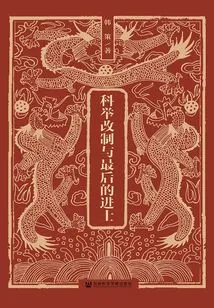
科举改制与最后的进士
Han Ce
Based on previous research, this book uses a large number of old and new historical materials such as archives, imperial examination records, diaries, letters, poetry collections, newspapers and periodicals, and proposes an overall research idea on the "two lines" of imperial examination reform, namely the reform of the imperial examination and the opening of the Jinshi Hall. First, it deeply explores the evolution, debate and decision-making process of the imperial examination reform. Then it examines the advantages and disadvantages of the imperial examination reform in the actual operation of the Guimao and Jiachen examinations and the new academic education of Jinshi. It then discusses the progress and legacy of the Jinshi groups in Guimao and Jiachen in the era of abolition of the imperial examination, preparation for the establishment of a constitution, and the dramatic changes from the monarchy to the republic.
Based on previous research, this book uses a large number of old and new historical materials such as archives, imperial examination records, diaries, letters, poetry collections, newspapers and periodicals, and proposes an overall research idea on the "two lines" of imperial examination reform, namely the reform of the imperial examination and the opening of the Jinshi Hall. First, it deeply explores the evolution, debate and decision-making process of the imperial examination reform. Then it examines the advantages and disadvantages of the imperial examination reform in the actual operation of the Guimao and Jiachen examinations and the new academic education of Jinshi. It then discusses the progress and legacy of the Jinshi groups in Guimao and Jiachen in the era of abolition of the imperial examination, preparation for the establishment of a constitution, and the dramatic changes from the monarchy to the republic.
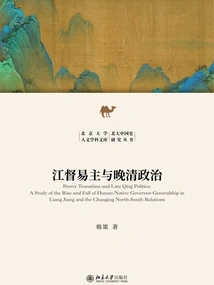
江督易主与晚清政治
Han Ce
Focusing on the two most important governors of the two rivers in the Southeast, this book explores the two concepts and processes of "Hunan River Governor Pattern" and "Beiyang to Nanyang" to reveal the three major power shifts in the southeastern region from Daoguang and Xianfeng to the early years of the Republic of China, and contributes a new explanation clue to the evolution of the political structure of the late Qing Dynasty. On this basis, it highlights the relationship between the North and the South, attempts to break through the disputes over internal and external importance, and the dictatorship of governors, and proposes a "centralized governance" pattern to understand the characteristics and solutions of late Qing politics.
Focusing on the two most important governors of the two rivers in the Southeast, this book explores the two concepts and processes of "Hunan River Governor Pattern" and "Beiyang to Nanyang" to reveal the three major power shifts in the southeastern region from Daoguang and Xianfeng to the early years of the Republic of China, and contributes a new explanation clue to the evolution of the political structure of the late Qing Dynasty. On this basis, it highlights the relationship between the North and the South, attempts to break through the disputes over internal and external importance, and the dictatorship of governors, and proposes a "centralized governance" pattern to understand the characteristics and solutions of late Qing politics.