Library
Browse and search books
7 novels found
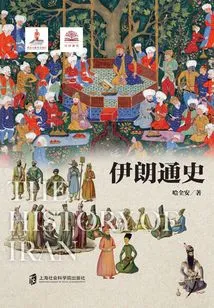
General History of Iran
History伊朗通史
Ha Quan'an
This book is intended to be based on academic research and judgment, highlight the concept of general history, follow the principle of simple and easy-to-understand expressions, sort out and interpret the civilizational context of Iran from the birth of the ancient country to today's society, and focus on examining the Persian Empire, which dominated the center of the ancient world in the pre-Islamic era, and Iran in the era of foreign conquest. The vicissitudes of the plateau, the difficult start of the modernization process under the impact of the West in the 19th century, the construction of a modern nation-state in the 20th century, and the political trend under the framework of the Islamic republic at the turn of the century, completely present Iran's 4,000-year-long and colorful historical picture in front of readers.
This book is intended to be based on academic research and judgment, highlight the concept of general history, follow the principle of simple and easy-to-understand expressions, sort out and interpret the civilizational context of Iran from the birth of the ancient country to today's society, and focus on examining the Persian Empire, which dominated the center of the ancient world in the pre-Islamic era, and Iran in the era of foreign conquest. The vicissitudes of the plateau, the difficult start of the modernization process under the impact of the West in the 19th century, the construction of a modern nation-state in the 20th century, and the political trend under the framework of the Islamic republic at the turn of the century, completely present Iran's 4,000-year-long and colorful historical picture in front of readers.
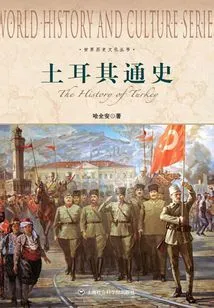
General History of Türkiye
History土耳其通史
Ha Quan'an
This book traces the ancient history of Anatolia, that is, the historical changes of Anatolia from the Hittite civilization, the Greek city-states on the eastern Aegean coast, the Roman era to the Byzantine Empire, and its historical characteristics across Europe and Asia and the blending of the East and the West. The Constitutional Movement finally discusses the development of Turkey's modern and contemporary history from the Young Turk Party revolution and the birth of the Turkish Republic to the governance of the Justice and Development Party in the 21st century, including the theory and practice of Kemalism, the difficult democratization process, the ebb and flow of secular politics and religious politics under the democratic framework, and the economic development, social changes and cultural achievements of the Turkish Republic. It is the first general history of Turkey written by Chinese scholars that runs through ancient and modern times, has a clear context, and is informative.
This book traces the ancient history of Anatolia, that is, the historical changes of Anatolia from the Hittite civilization, the Greek city-states on the eastern Aegean coast, the Roman era to the Byzantine Empire, and its historical characteristics across Europe and Asia and the blending of the East and the West. The Constitutional Movement finally discusses the development of Turkey's modern and contemporary history from the Young Turk Party revolution and the birth of the Turkish Republic to the governance of the Justice and Development Party in the 21st century, including the theory and practice of Kemalism, the difficult democratization process, the ebb and flow of secular politics and religious politics under the democratic framework, and the economic development, social changes and cultural achievements of the Turkish Republic. It is the first general history of Turkey written by Chinese scholars that runs through ancient and modern times, has a clear context, and is informative.
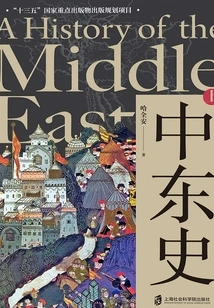
Middle East History (part 1)
History中东史(上)
Ha Quan'an
The Middle East is located in the core area of the Asian, African and European continents and has a long historical tradition and profound civilization accumulation. The birth of Islam in the early 7th century AD opened a new chapter in the history of the Middle East. The Arabs quietly emerged in the vast desert sea that seemed to have been forgotten by the noisy civilized world. As a ruling nation, they stepped onto the vast historical stage of the Middle East. Persians, Turks, Berbers and Kurds also joined the ranks of Muslims one after another. The Mongolian cavalry from the East once swept across West Asia, and the Arab Empire was shattered, but it gave rise to the sudden rise of the Ottoman Empire, which carried the traditions of Islamic civilization and the historical heritage of the Arab Empire for more than 600 years, until it came to an end under the encroachment and carving up of Western powers. In the 20th century, many emerging sovereign states sprouted and grew on the ruins of the Ottoman Empire, and the ancient Persian civilization came to life after thousands of years of ups and downs. Facing the dawn of the new century, the Middle East has finally embarked on the historical journey of modernization, but the historical road will never be smooth...
The Middle East is located in the core area of the Asian, African and European continents and has a long historical tradition and profound civilization accumulation. The birth of Islam in the early 7th century AD opened a new chapter in the history of the Middle East. The Arabs quietly emerged in the vast desert sea that seemed to have been forgotten by the noisy civilized world. As a ruling nation, they stepped onto the vast historical stage of the Middle East. Persians, Turks, Berbers and Kurds also joined the ranks of Muslims one after another. The Mongolian cavalry from the East once swept across West Asia, and the Arab Empire was shattered, but it gave rise to the sudden rise of the Ottoman Empire, which carried the traditions of Islamic civilization and the historical heritage of the Arab Empire for more than 600 years, until it came to an end under the encroachment and carving up of Western powers. In the 20th century, many emerging sovereign states sprouted and grew on the ruins of the Ottoman Empire, and the ancient Persian civilization came to life after thousands of years of ups and downs. Facing the dawn of the new century, the Middle East has finally embarked on the historical journey of modernization, but the historical road will never be smooth...
中东史(套装全3册)
Ha Quan'an
The Middle East is located in the core area of the Asian, African and European continents and has a long historical tradition and profound civilization accumulation. The birth of Islam in the early 7th century AD opened a new chapter in the history of the Middle East. The Arabs quietly emerged in the vast desert sea that seemed to have been forgotten by the noisy civilized world. As a ruling nation, they stepped onto the vast historical stage of the Middle East. Persians, Turks, Berbers and Kurds also joined the ranks of Muslims one after another. The Mongolian cavalry from the East once swept across West Asia, and the Arab Empire was shattered, but it gave rise to the sudden rise of the Ottoman Empire, which carried the traditions of Islamic civilization and the historical heritage of the Arab Empire for more than 600 years, until it came to an end under the encroachment and carving up of Western powers. In the 20th century, many emerging sovereign states sprouted and grew on the ruins of the Ottoman Empire, and the ancient Persian civilization came to life after thousands of years of ups and downs. Facing the dawn of the new century, the Middle East has finally embarked on the historical journey of modernization, but the historical road will never be smooth...
The Middle East is located in the core area of the Asian, African and European continents and has a long historical tradition and profound civilization accumulation. The birth of Islam in the early 7th century AD opened a new chapter in the history of the Middle East. The Arabs quietly emerged in the vast desert sea that seemed to have been forgotten by the noisy civilized world. As a ruling nation, they stepped onto the vast historical stage of the Middle East. Persians, Turks, Berbers and Kurds also joined the ranks of Muslims one after another. The Mongolian cavalry from the East once swept across West Asia, and the Arab Empire was shattered, but it gave rise to the sudden rise of the Ottoman Empire, which carried the traditions of Islamic civilization and the historical heritage of the Arab Empire for more than 600 years, until it came to an end under the encroachment and carving up of Western powers. In the 20th century, many emerging sovereign states sprouted and grew on the ruins of the Ottoman Empire, and the ancient Persian civilization came to life after thousands of years of ups and downs. Facing the dawn of the new century, the Middle East has finally embarked on the historical journey of modernization, but the historical road will never be smooth...

土耳其通史(谷臻小简·AI导读版)
Ha Quan'an
From the powerful Ottoman Empire to the "sick man" to the modern Republic of Türkiye, this book gives us a detailed understanding of this country that is both Eastern and Western. It runs through ancient and modern times, with clear context and informative content.
From the powerful Ottoman Empire to the "sick man" to the modern Republic of Türkiye, this book gives us a detailed understanding of this country that is both Eastern and Western. It runs through ancient and modern times, with clear context and informative content.
中东史(下)
Ha Quan'an
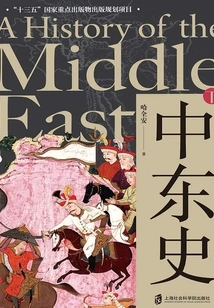
The Middle East is located in the core area of the Asian, African and European continents and has a long historical tradition and profound civilization accumulation. The birth of Islam in the early 7th century AD opened a new chapter in the history of the Middle East. The Arabs quietly emerged in the vast desert sea that seemed to have been forgotten by the noisy civilized world. As a ruling nation, they stepped onto the vast historical stage of the Middle East. Persians, Turks, Berbers and Kurds also joined the ranks of Muslims one after another. The Mongolian cavalry from the East once swept across West Asia, and the Arab Empire was shattered, but it gave rise to the sudden rise of the Ottoman Empire, which carried the traditions of Islamic civilization and the historical heritage of the Arab Empire for more than 600 years, until it came to an end under the encroachment and carving up of Western powers. In the 20th century, many emerging sovereign states sprouted and grew on the ruins of the Ottoman Empire, and the ancient Persian civilization came to life after thousands of years of ups and downs. Facing the dawn of the new century, the Middle East has finally embarked on the historical journey of modernization, but the historical road will never be smooth...
The Middle East is located in the core area of the Asian, African and European continents and has a long historical tradition and profound civilization accumulation. The birth of Islam in the early 7th century AD opened a new chapter in the history of the Middle East. The Arabs quietly emerged in the vast desert sea that seemed to have been forgotten by the noisy civilized world. As a ruling nation, they stepped onto the vast historical stage of the Middle East. Persians, Turks, Berbers and Kurds also joined the ranks of Muslims one after another. The Mongolian cavalry from the East once swept across West Asia, and the Arab Empire was shattered, but it gave rise to the sudden rise of the Ottoman Empire, which carried the traditions of Islamic civilization and the historical heritage of the Arab Empire for more than 600 years, until it came to an end under the encroachment and carving up of Western powers. In the 20th century, many emerging sovereign states sprouted and grew on the ruins of the Ottoman Empire, and the ancient Persian civilization came to life after thousands of years of ups and downs. Facing the dawn of the new century, the Middle East has finally embarked on the historical journey of modernization, but the historical road will never be smooth...
Middle East History (part 2)
History中东史(中)
Ha Quan'an
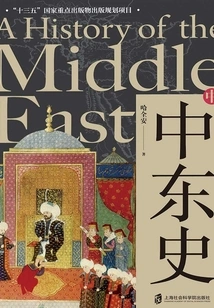
The Middle East is located in the core area of the Asian, African and European continents and has a long historical tradition and profound civilization accumulation. The birth of Islam in the early 7th century AD opened a new chapter in the history of the Middle East. The Arabs quietly emerged in the vast desert sea that seemed to have been forgotten by the noisy civilized world. As a ruling nation, they stepped onto the vast historical stage of the Middle East. Persians, Turks, Berbers and Kurds also joined the ranks of Muslims one after another. The Mongolian cavalry from the East once swept across West Asia, and the Arab Empire was shattered, but it gave rise to the sudden rise of the Ottoman Empire, which carried the traditions of Islamic civilization and the historical heritage of the Arab Empire for more than 600 years, until it came to an end under the encroachment and carving up of Western powers. In the 20th century, many emerging sovereign states sprouted and grew on the ruins of the Ottoman Empire, and the ancient Persian civilization came to life after thousands of years of ups and downs. Facing the dawn of the new century, the Middle East has finally embarked on the historical journey of modernization, but the historical road will never be smooth...
The Middle East is located in the core area of the Asian, African and European continents and has a long historical tradition and profound civilization accumulation. The birth of Islam in the early 7th century AD opened a new chapter in the history of the Middle East. The Arabs quietly emerged in the vast desert sea that seemed to have been forgotten by the noisy civilized world. As a ruling nation, they stepped onto the vast historical stage of the Middle East. Persians, Turks, Berbers and Kurds also joined the ranks of Muslims one after another. The Mongolian cavalry from the East once swept across West Asia, and the Arab Empire was shattered, but it gave rise to the sudden rise of the Ottoman Empire, which carried the traditions of Islamic civilization and the historical heritage of the Arab Empire for more than 600 years, until it came to an end under the encroachment and carving up of Western powers. In the 20th century, many emerging sovereign states sprouted and grew on the ruins of the Ottoman Empire, and the ancient Persian civilization came to life after thousands of years of ups and downs. Facing the dawn of the new century, the Middle East has finally embarked on the historical journey of modernization, but the historical road will never be smooth...