Library
Browse and search books
1 novel found
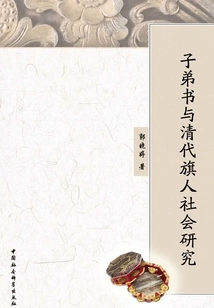
子弟书与清代旗人社会研究
Guo Xiaoting
Zi Di Shu is an art form that emerged in Banner society after the mid-Qing Dynasty. It declined with the decline of the Qing Dynasty. In the history of Chinese literature, no other art form is so closely linked to the rise and fall of a nation and dynasty. This book is the first to conduct an interactive and systematic study of Zi Di Shu from the perspective of banner society in the Qing Dynasty. The author starts from the lifestyle of the children of the Eight Banners to explore the origin of the cultural life of the children of the Eight Banners. From the books of the children of the Eight Banners, the author looks at the social conditions, entertainment life, market conditions, family life, and characters of the banner people. Then from the perspective of the source of the subject matter, we will explore the absorption of Han art in Zi Di Shu, the language art of Zi Di Shu and the cultural accomplishment of the Eight Banners disciples. Thus, the birth, development, and decline of an art are blended seamlessly with the history of the rise and fall of a nation. It is not only a major advancement in the study of Zi Di Shu, but also opens up a new perspective that reveals the relationship between art and life, and provides a typical example.
Zi Di Shu is an art form that emerged in Banner society after the mid-Qing Dynasty. It declined with the decline of the Qing Dynasty. In the history of Chinese literature, no other art form is so closely linked to the rise and fall of a nation and dynasty. This book is the first to conduct an interactive and systematic study of Zi Di Shu from the perspective of banner society in the Qing Dynasty. The author starts from the lifestyle of the children of the Eight Banners to explore the origin of the cultural life of the children of the Eight Banners. From the books of the children of the Eight Banners, the author looks at the social conditions, entertainment life, market conditions, family life, and characters of the banner people. Then from the perspective of the source of the subject matter, we will explore the absorption of Han art in Zi Di Shu, the language art of Zi Di Shu and the cultural accomplishment of the Eight Banners disciples. Thus, the birth, development, and decline of an art are blended seamlessly with the history of the rise and fall of a nation. It is not only a major advancement in the study of Zi Di Shu, but also opens up a new perspective that reveals the relationship between art and life, and provides a typical example.