Library
Browse and search books
1 novel found
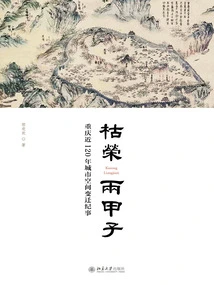
枯荣两甲子:重庆近120年城市空间变迁纪事
Guo Huanhuan
Taking Chongqing as an example, this book studies the dynamic changes in urban planning and construction in Chongqing from 1891 to 2011 with reference to relevant maps, diaries, newspaper news, memoirs, official documents and other materials. Taking the founding of the People's Republic of China in 1949 as the boundary, research can be roughly divided into two "Jiazi". The first period of time: Chongqing was opened in humiliation and experienced major events such as warlords' melee, westward relocation of the government, the bombing of Chongqing, and the return of the government to the capital; the second period: Chongqing experienced major events such as liberation, urban takeover, third-line construction, the "Cultural Revolution", reform and opening up, direct administration, and the development of the western region. Comparing the two periods, we find that Chongqing's urban changes are a microcosm of China's social changes. The first "Jiuzi" had its highs and eventually led to the decline of people's livelihood; the second "Jiuzi" had its troughs and was heading towards national rejuvenation. At the same time, the major events in the two Jiazi are not isolated.
Taking Chongqing as an example, this book studies the dynamic changes in urban planning and construction in Chongqing from 1891 to 2011 with reference to relevant maps, diaries, newspaper news, memoirs, official documents and other materials. Taking the founding of the People's Republic of China in 1949 as the boundary, research can be roughly divided into two "Jiazi". The first period of time: Chongqing was opened in humiliation and experienced major events such as warlords' melee, westward relocation of the government, the bombing of Chongqing, and the return of the government to the capital; the second period: Chongqing experienced major events such as liberation, urban takeover, third-line construction, the "Cultural Revolution", reform and opening up, direct administration, and the development of the western region. Comparing the two periods, we find that Chongqing's urban changes are a microcosm of China's social changes. The first "Jiuzi" had its highs and eventually led to the decline of people's livelihood; the second "Jiuzi" had its troughs and was heading towards national rejuvenation. At the same time, the major events in the two Jiazi are not isolated.