Library
Browse and search books
25 novels found
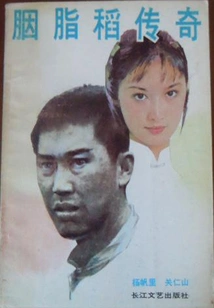
The Legend of Rouge Rice
General Fiction胭脂稻传奇
Guan Renshan
Guan Renshan, a Manchu, was born in Fengnan City, Tangshan, Hebei Province in February 1963. After graduating from Hebei Changli Normal School in 1981, he worked as a teacher, township cultural director and county government secretary. He is currently a member of the Chinese Writers Association and vice chairman of the Hebei Provincial Writers Association. Together with the famous writers He Shen and Tan Ge, he is known as the "Troika" of Hebei in the literary world. He began literary creation and published works in 1984. His major works include five novels, including "Storm Lake" and "Fu Town", nine collections of short and medium stories, including "No Country in Little Snow", "Selected Novels of Guan Renshan" and "Wild Yangzi", as well as short and medium stories such as "No Country in Heavy Snow", "Returning Home in September", "The Lost Soul", and "Bitter Snow", etc., Totaling more than five million words. His works have been reprinted many times by "Novel Monthly", "Selected Novels", "Xinhua Digest", etc. He won the "People's Literature" Outstanding Novel Award twice and the 6th "October" Literary Award. The novel "Ship Festival" won the Champion Award of the 2nd World Chinese Novel Competition of Hong Kong's "Asia Weekly". The novel collection "Selected Novels of Guan Renshan" won the 5th National Ethnic Minority Literature Award of the Chinese Writers Association. Some works have been translated into English, French and Japanese. The works have been adapted into film and television works or plays many times.
Guan Renshan, a Manchu, was born in Fengnan City, Tangshan, Hebei Province in February 1963. After graduating from Hebei Changli Normal School in 1981, he worked as a teacher, township cultural director and county government secretary. He is currently a member of the Chinese Writers Association and vice chairman of the Hebei Provincial Writers Association. Together with the famous writers He Shen and Tan Ge, he is known as the "Troika" of Hebei in the literary world. He began literary creation and published works in 1984. His major works include five novels, including "Storm Lake" and "Fu Town", nine collections of short and medium stories, including "No Country in Little Snow", "Selected Novels of Guan Renshan" and "Wild Yangzi", as well as short and medium stories such as "No Country in Heavy Snow", "Returning Home in September", "The Lost Soul", and "Bitter Snow", etc., Totaling more than five million words. His works have been reprinted many times by "Novel Monthly", "Selected Novels", "Xinhua Digest", etc. He won the "People's Literature" Outstanding Novel Award twice and the 6th "October" Literary Award. The novel "Ship Festival" won the Champion Award of the 2nd World Chinese Novel Competition of Hong Kong's "Asia Weekly". The novel collection "Selected Novels of Guan Renshan" won the 5th National Ethnic Minority Literature Award of the Chinese Writers Association. Some works have been translated into English, French and Japanese. The works have been adapted into film and television works or plays many times.
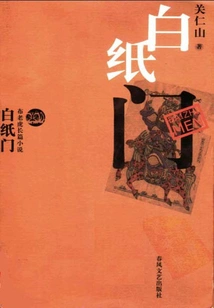
White Paper Door
General Fiction白纸门
Guan Renshan
This is a masterpiece by Guan Renshan, one of the "Troika" in Hebei literary circles. It is another classic work by the author with Snow Lotus Bay as the background. The work provides a comprehensive description of the Mai family, which has a tradition of paper-cutting for hundreds of years, and the Huang family, a well-known shipbuilding family. The writing of the works reflects rural life in a true and nuanced way, recording farmers' living conditions and ups and downs of fate through literary works, and can arouse people's attention and thinking on contemporary farmers' issues. Guan Renshan describes real life with a cold and objective style, strives to pay attention to current life, boldly faces social problems, reveals social contradictions, and shows a realist spirit and courage to face reality directly.
This is a masterpiece by Guan Renshan, one of the "Troika" in Hebei literary circles. It is another classic work by the author with Snow Lotus Bay as the background. The work provides a comprehensive description of the Mai family, which has a tradition of paper-cutting for hundreds of years, and the Huang family, a well-known shipbuilding family. The writing of the works reflects rural life in a true and nuanced way, recording farmers' living conditions and ups and downs of fate through literary works, and can arouse people's attention and thinking on contemporary farmers' issues. Guan Renshan describes real life with a cold and objective style, strives to pay attention to current life, boldly faces social problems, reveals social contradictions, and shows a realist spirit and courage to face reality directly.
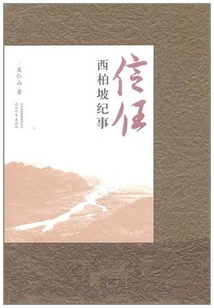
Trust: Xibaipo Chronicle
Literature信任:西柏坡纪事
Guan Renshan
Guan Renshan, a Manchu, was born in Fengnan City, Tangshan, Hebei Province in February 1963. After graduating from Hebei Changli Normal School in 1981, he worked as a teacher, township cultural director and county government secretary. He is currently a member of the Chinese Writers Association and vice chairman of the Hebei Provincial Writers Association. Together with the famous writers He Shen and Tan Ge, he is known as the "Troika" of Hebei in the literary world. He began literary creation and published works in 1984. His major works include five novels, including "Storm Lake" and "Fu Town", nine collections of short and medium stories, including "No Country in Little Snow", "Selected Novels of Guan Renshan" and "Wild Yangzi", as well as short and medium stories such as "No Country in Heavy Snow", "Returning Home in September", "The Lost Soul", and "Bitter Snow", etc., Totaling more than five million words. His works have been reprinted many times by "Novel Monthly", "Selected Novels", "Xinhua Digest", etc. He won the "People's Literature" Outstanding Novel Award twice and the 6th "October" Literary Award. The novel "Ship Festival" won the Champion Award of the 2nd World Chinese Novel Competition of Hong Kong's "Asia Weekly". The novel collection "Selected Novels of Guan Renshan" won the 5th National Ethnic Minority Literature Award of the Chinese Writers Association. Some works have been translated into English, French and Japanese. The works have been adapted into film and television works or plays many times.
Guan Renshan, a Manchu, was born in Fengnan City, Tangshan, Hebei Province in February 1963. After graduating from Hebei Changli Normal School in 1981, he worked as a teacher, township cultural director and county government secretary. He is currently a member of the Chinese Writers Association and vice chairman of the Hebei Provincial Writers Association. Together with the famous writers He Shen and Tan Ge, he is known as the "Troika" of Hebei in the literary world. He began literary creation and published works in 1984. His major works include five novels, including "Storm Lake" and "Fu Town", nine collections of short and medium stories, including "No Country in Little Snow", "Selected Novels of Guan Renshan" and "Wild Yangzi", as well as short and medium stories such as "No Country in Heavy Snow", "Returning Home in September", "The Lost Soul", and "Bitter Snow", etc., Totaling more than five million words. His works have been reprinted many times by "Novel Monthly", "Selected Novels", "Xinhua Digest", etc. He won the "People's Literature" Outstanding Novel Award twice and the 6th "October" Literary Award. The novel "Ship Festival" won the Champion Award of the 2nd World Chinese Novel Competition of Hong Kong's "Asia Weekly". The novel collection "Selected Novels of Guan Renshan" won the 5th National Ethnic Minority Literature Award of the Chinese Writers Association. Some works have been translated into English, French and Japanese. The works have been adapted into film and television works or plays many times.
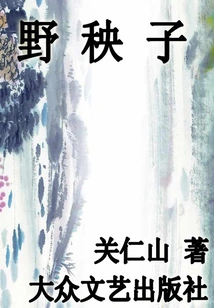
Wild Rice
General Fiction野秧子
Guan Renshan
Money, beauty, power, conscience, justice? In the same way, the lives of men and women are soaked in the countryside, and there are baskets and baskets of strange things, weird things, strange things, and interesting things. The difference is that those things in the countryside are less shy and hypocritical than the softness and coquettishness of the city, and are more frank, rough, and even wild. The stories in "One Third of an Acre" are beyond your imagination...
Money, beauty, power, conscience, justice? In the same way, the lives of men and women are soaked in the countryside, and there are baskets and baskets of strange things, weird things, strange things, and interesting things. The difference is that those things in the countryside are less shy and hypocritical than the softness and coquettishness of the city, and are more frank, rough, and even wild. The stories in "One Third of an Acre" are beyond your imagination...
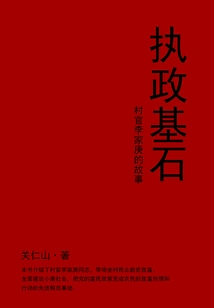
执政基石:村官李家庚的故事
Guan Renshan
This book introduces the advanced and exemplary deeds of village official Comrade Li Jiageng, who led the whole village to get rid of poverty and become rich, build a moderately prosperous society in an all-round way, and turned the party's policy of enriching the people into farmers' enthusiasm and actions for getting rich.
This book introduces the advanced and exemplary deeds of village official Comrade Li Jiageng, who led the whole village to get rid of poverty and become rich, build a moderately prosperous society in an all-round way, and turned the party's policy of enriching the people into farmers' enthusiasm and actions for getting rich.
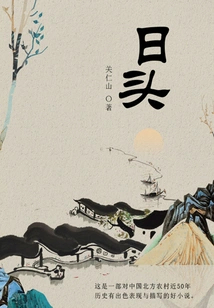
Sun
General Fiction日头
Guan Renshan
"The Sun" is the final work of Guan Renshan's "Trilogy on the Destiny of Chinese Farmers" ("The Sky is Deep", "Maihe" and "The Sun"). The novel describes the dramatic changes in Ritou Village in the Jidong Plain in the past half century. Through the intricate and entangled relationships between the Jin family, the Quan family, the Wang family, and the Du family, it vividly reproduces the colorful and shocking picture of life in the northern countryside during the period of China's social transformation. The works have a rich flavor of life, real and rich details, solid and agile brushwork, full and sharp style, deep and profound, elegant and magnificent, and have high aesthetic value.
"The Sun" is the final work of Guan Renshan's "Trilogy on the Destiny of Chinese Farmers" ("The Sky is Deep", "Maihe" and "The Sun"). The novel describes the dramatic changes in Ritou Village in the Jidong Plain in the past half century. Through the intricate and entangled relationships between the Jin family, the Quan family, the Wang family, and the Du family, it vividly reproduces the colorful and shocking picture of life in the northern countryside during the period of China's social transformation. The works have a rich flavor of life, real and rich details, solid and agile brushwork, full and sharp style, deep and profound, elegant and magnificent, and have high aesthetic value.
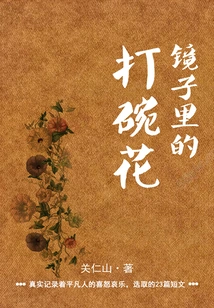
Flowers in the Mirror
General Fiction镜子里的打碗花
Guan Renshan
"The Flower in the Mirror" is a collection of novellas written by Guan Renshan, which collects the author's short and medium-length works since he became famous. Among these works are novels that reflect the ideal pursuit and disillusionment of urban strangers, such as "The Bowl of Flowers in the Mirror"; some express the persistence of rural culture and rural hometown, such as "Drunk Drums" and "Ship Ceremony". These works focus on the family, friendship, love and other lives of farmers and rural areas in the changing times. They are close to the lives of rural people, the themes are well grasped, and the thoughts are profound.
"The Flower in the Mirror" is a collection of novellas written by Guan Renshan, which collects the author's short and medium-length works since he became famous. Among these works are novels that reflect the ideal pursuit and disillusionment of urban strangers, such as "The Bowl of Flowers in the Mirror"; some express the persistence of rural culture and rural hometown, such as "Drunk Drums" and "Ship Ceremony". These works focus on the family, friendship, love and other lives of farmers and rural areas in the changing times. They are close to the lives of rural people, the themes are well grasped, and the thoughts are profound.
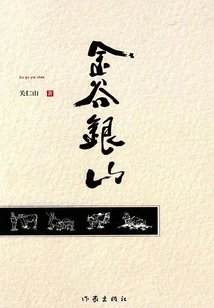
Golden Valley and Silver Mountain
General Fiction金谷银山
Guan Renshan
The novel "Golden Valley and Silver Mountain" takes the coordinated development of Beijing, Tianjin and Hebei as the background, showing a magnificent picture of life in northern China's rural areas after the 18th National Congress of the Communist Party of China. It is a new "entrepreneurial history" of contemporary Chinese farmers. Fan Shaoshan, a young farmer from Baiyangyu, Yanshan, liked Liang Shengbao since childhood and took Liang Shengbao as an example. He became rich selling vegetables in Changping, Beijing, but his father, who became disabled while working in Tianjin, returned to his hometown. Snowstorms and poverty plagued the 17 households of farmers, empty-nesters, disabled people and children who had not yet relocated in the village. In despair, villager Lao De'an committed suicide. This brought a huge shock to Fan Shaoshan's soul. He took the initiative to return to his hometown, effectively answering the question of farmers who had been separated from the land and returning to their hometown. He led the villagers on a green and ecological road to get rid of poverty and become rich. In order to dig out the grain seeds left by his ancestors and fight against foreign seeds, he finally found the legendary golden millet in the Taihang Mountains and planted it on the land of Baiyangyu. It was a success and caused a sensation. Under the guidance of Professor Sun from the Agricultural University, he used the apple orchard in his village to cultivate pesticide-free apples, and the result was China's first "never-rotten" apple, known as the "golden apple." In order to open up the road between Baiyangyu and the outside world, Fan Shaoshan led the villagers to dig hard... And carried out an arduous struggle, so that a small mountain village that was about to disappear in poverty and despair finally got rid of poverty and became rich, became a well-known tourist village, and lived a green life that is envied by people in the city. Fan Shaoshan's footsteps did not stop there. He also went down the mountain to promote land transfer and built a 10,000-acre golden millet planting base. While realizing the dreams of new farmers, it also benefited more farmers in northern China. Their entrepreneurial story of perseverance and forge ahead composed a tragic song that moved the world and moved the times.
The novel "Golden Valley and Silver Mountain" takes the coordinated development of Beijing, Tianjin and Hebei as the background, showing a magnificent picture of life in northern China's rural areas after the 18th National Congress of the Communist Party of China. It is a new "entrepreneurial history" of contemporary Chinese farmers. Fan Shaoshan, a young farmer from Baiyangyu, Yanshan, liked Liang Shengbao since childhood and took Liang Shengbao as an example. He became rich selling vegetables in Changping, Beijing, but his father, who became disabled while working in Tianjin, returned to his hometown. Snowstorms and poverty plagued the 17 households of farmers, empty-nesters, disabled people and children who had not yet relocated in the village. In despair, villager Lao De'an committed suicide. This brought a huge shock to Fan Shaoshan's soul. He took the initiative to return to his hometown, effectively answering the question of farmers who had been separated from the land and returning to their hometown. He led the villagers on a green and ecological road to get rid of poverty and become rich. In order to dig out the grain seeds left by his ancestors and fight against foreign seeds, he finally found the legendary golden millet in the Taihang Mountains and planted it on the land of Baiyangyu. It was a success and caused a sensation. Under the guidance of Professor Sun from the Agricultural University, he used the apple orchard in his village to cultivate pesticide-free apples, and the result was China's first "never-rotten" apple, known as the "golden apple." In order to open up the road between Baiyangyu and the outside world, Fan Shaoshan led the villagers to dig hard... And carried out an arduous struggle, so that a small mountain village that was about to disappear in poverty and despair finally got rid of poverty and became rich, became a well-known tourist village, and lived a green life that is envied by people in the city. Fan Shaoshan's footsteps did not stop there. He also went down the mountain to promote land transfer and built a 10,000-acre golden millet planting base. While realizing the dreams of new farmers, it also benefited more farmers in northern China. Their entrepreneurial story of perseverance and forge ahead composed a tragic song that moved the world and moved the times.
Fuzhen
General Fiction福镇
Guan Renshan
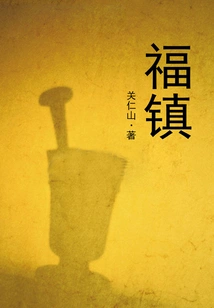
A bunch of mysterious foreign garbage, like thieves, sneaked into Fu Town quietly in the quiet night when no one was around. As a result, a disaster befell the rice farmers in Fuzhen. Six hundred acres of rice fields were polluted, and all of them died overnight. What was also hit hard was the heart of the rice farmers. The hardest hit was the old man Erhan. He was so distraught that he didn't want to live. He complained that the sky was not responding and the earth was not working. Pan Laowu, the director of the steel rolling mill who represented local industrial power, would rather die than take responsibility, and put all the responsibility for "imported foreign garbage" on the town government, posing a difficult problem to the newly appointed female mayor Chen Fengzhen. The old man also drank poison and nearly died in anger.
A bunch of mysterious foreign garbage, like thieves, sneaked into Fu Town quietly in the quiet night when no one was around. As a result, a disaster befell the rice farmers in Fuzhen. Six hundred acres of rice fields were polluted, and all of them died overnight. What was also hit hard was the heart of the rice farmers. The hardest hit was the old man Erhan. He was so distraught that he didn't want to live. He complained that the sky was not responding and the earth was not working. Pan Laowu, the director of the steel rolling mill who represented local industrial power, would rather die than take responsibility, and put all the responsibility for "imported foreign garbage" on the town government, posing a difficult problem to the newly appointed female mayor Chen Fengzhen. The old man also drank poison and nearly died in anger.
Heavy Snow and No Country
General Fiction大雪无乡
Guan Renshan
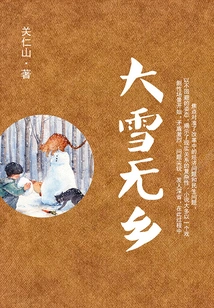
This book is one of the "Troika" series and includes 8 representative novellas created by the author in recent years. The author's "Lianlian Bay Customs" series is unique. It will take place in Yanlian Bay's story of planting gods. The intersection and contradiction between the new and the old, tradition and reality are multiplied into a series from a unique perspective, making people feel attached and longing for this charming water. In addition, the author also goes out of the sea and extends his writings to the vast rural fields and industrial enterprises that are in a difficult situation and strive for self-improvement. He shows the author's experience and confusion and the inevitable pains of social transformation, allowing readers to fully feel the breath of new life.
This book is one of the "Troika" series and includes 8 representative novellas created by the author in recent years. The author's "Lianlian Bay Customs" series is unique. It will take place in Yanlian Bay's story of planting gods. The intersection and contradiction between the new and the old, tradition and reality are multiplied into a series from a unique perspective, making people feel attached and longing for this charming water. In addition, the author also goes out of the sea and extends his writings to the vast rural fields and industrial enterprises that are in a difficult situation and strive for self-improvement. He shows the author's experience and confusion and the inevitable pains of social transformation, allowing readers to fully feel the breath of new life.
感动天地:从唐山到汶川
Guan Renshan
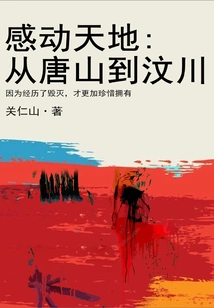
This book was written after the Wenchuan Earthquake. As a survivor of the Tangshan Earthquake, Guan Renshan, on the basis of mastering a large amount of data on the Tangshan Earthquake and the Wenchuan Earthquake, used a unique perspective and a comparative method to interview Tangshan volunteers, reporters who went deep into the disaster area, Tangshan Earthquake orphans, etc., And selected the touching deeds that shined with the brilliance of life in the Tangshan Earthquake and the Wenchuan Earthquake to write a reportage.
This book was written after the Wenchuan Earthquake. As a survivor of the Tangshan Earthquake, Guan Renshan, on the basis of mastering a large amount of data on the Tangshan Earthquake and the Wenchuan Earthquake, used a unique perspective and a comparative method to interview Tangshan volunteers, reporters who went deep into the disaster area, Tangshan Earthquake orphans, etc., And selected the touching deeds that shined with the brilliance of life in the Tangshan Earthquake and the Wenchuan Earthquake to write a reportage.
Don't Love and Don't Understand
General Fiction不爱不明白
Guan Renshan
Guan Renshan, a Manchu, was born in Fengnan City, Tangshan, Hebei Province in February 1963. After graduating from Hebei Changli Normal School in 1981, he worked as a teacher, township cultural director and county government secretary. He is currently a member of the Chinese Writers Association and vice chairman of the Hebei Provincial Writers Association. Together with the famous writers He Shen and Tan Ge, he is known as the "Troika" of Hebei in the literary world. He began literary creation and published works in 1984. His major works include five novels, including "Storm Lake" and "Fu Town", nine collections of short and medium stories, including "No Country in Little Snow", "Selected Novels of Guan Renshan" and "Wild Yangzi", as well as short and medium stories such as "No Country in Heavy Snow", "Returning Home in September", "The Lost Soul", and "Bitter Snow", etc., Totaling more than five million words. His works have been reprinted many times by "Novel Monthly", "Selected Novels", "Xinhua Digest", etc. He won the "People's Literature" Outstanding Novel Award twice and the 6th "October" Literary Award. The novel "Ship Festival" won the Champion Award of the 2nd World Chinese Novel Competition of Hong Kong's "Asia Weekly". The novel collection "Selected Novels of Guan Renshan" won the 5th National Ethnic Minority Literature Award of the Chinese Writers Association. Some works have been translated into English, French and Japanese. The works have been adapted into film and television works or plays many times.
Guan Renshan, a Manchu, was born in Fengnan City, Tangshan, Hebei Province in February 1963. After graduating from Hebei Changli Normal School in 1981, he worked as a teacher, township cultural director and county government secretary. He is currently a member of the Chinese Writers Association and vice chairman of the Hebei Provincial Writers Association. Together with the famous writers He Shen and Tan Ge, he is known as the "Troika" of Hebei in the literary world. He began literary creation and published works in 1984. His major works include five novels, including "Storm Lake" and "Fu Town", nine collections of short and medium stories, including "No Country in Little Snow", "Selected Novels of Guan Renshan" and "Wild Yangzi", as well as short and medium stories such as "No Country in Heavy Snow", "Returning Home in September", "The Lost Soul", and "Bitter Snow", etc., Totaling more than five million words. His works have been reprinted many times by "Novel Monthly", "Selected Novels", "Xinhua Digest", etc. He won the "People's Literature" Outstanding Novel Award twice and the 6th "October" Literary Award. The novel "Ship Festival" won the Champion Award of the 2nd World Chinese Novel Competition of Hong Kong's "Asia Weekly". The novel collection "Selected Novels of Guan Renshan" won the 5th National Ethnic Minority Literature Award of the Chinese Writers Association. Some works have been translated into English, French and Japanese. The works have been adapted into film and television works or plays many times.
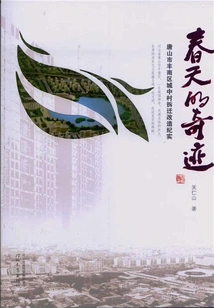
Miracle of Spring
Literature春天的奇迹
Guan Renshan
The External Publicity Bureau is the general planner and concrete implementer of this demolition publicity work, and shoulders the important responsibility of guiding society, influencing public opinion, promoting righteousness, and uniting people's hearts. In line with the principle of "grasping the orientation from a high position, seeking practical results and public opinion first", Sun Haifen, director of the External Publicity Bureau, felt unprecedented pressure when faced with the important responsibility given by the district leaders that "the quality of the publicity work is directly related to the successful completion of the demolition."
The External Publicity Bureau is the general planner and concrete implementer of this demolition publicity work, and shoulders the important responsibility of guiding society, influencing public opinion, promoting righteousness, and uniting people's hearts. In line with the principle of "grasping the orientation from a high position, seeking practical results and public opinion first", Sun Haifen, director of the External Publicity Bureau, felt unprecedented pressure when faced with the important responsibility given by the district leaders that "the quality of the publicity work is directly related to the successful completion of the demolition."
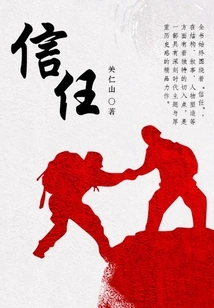
Trust
General Fiction信任
Guan Renshan
"Trust" is a novel focusing on Xibaipo by the famous writer Guan Renshan. The work is set in the revolutionary holy land of Xibaipo. By describing the pursuit and destiny of three generations of Communists in Xibaipo, and with the help of twists and turns and touching stories, the work shows the noble sentiments of generations of Communists. The novel focuses on shaping the current era of peaceful development. Faced with various complex contradictions in governing the environment, increasing people's income, and industrial upgrading and transformation, party members and cadres bravely shouldered responsibilities, withstood numerous tests, and finally won the trust and love of the people, composing a true ode to the communists in the new era.
"Trust" is a novel focusing on Xibaipo by the famous writer Guan Renshan. The work is set in the revolutionary holy land of Xibaipo. By describing the pursuit and destiny of three generations of Communists in Xibaipo, and with the help of twists and turns and touching stories, the work shows the noble sentiments of generations of Communists. The novel focuses on shaping the current era of peaceful development. Faced with various complex contradictions in governing the environment, increasing people's income, and industrial upgrading and transformation, party members and cadres bravely shouldered responsibilities, withstood numerous tests, and finally won the trust and love of the people, composing a true ode to the communists in the new era.

Magical Virgin Sea
General Fiction魔幻处女海
Guan Renshan
Guan Renshan, a Manchu, was born in Fengnan City, Tangshan, Hebei Province in February 1963. After graduating from Hebei Changli Normal School in 1981, he worked as a teacher, township cultural director and county government secretary. He is currently a member of the Chinese Writers Association and vice chairman of the Hebei Provincial Writers Association. Together with the famous writers He Shen and Tan Ge, he is known as the "Troika" of Hebei in the literary world. He began literary creation and published works in 1984. His major works include five novels, including "Storm Lake" and "Fu Town", nine collections of short and medium stories, including "No Country in Little Snow", "Selected Novels of Guan Renshan" and "Wild Yangzi", as well as short and medium stories such as "No Country in Heavy Snow", "Returning Home in September", "The Lost Soul", and "Bitter Snow", etc., Totaling more than five million words. His works have been reprinted many times by "Novel Monthly", "Selected Novels", "Xinhua Digest", etc.
Guan Renshan, a Manchu, was born in Fengnan City, Tangshan, Hebei Province in February 1963. After graduating from Hebei Changli Normal School in 1981, he worked as a teacher, township cultural director and county government secretary. He is currently a member of the Chinese Writers Association and vice chairman of the Hebei Provincial Writers Association. Together with the famous writers He Shen and Tan Ge, he is known as the "Troika" of Hebei in the literary world. He began literary creation and published works in 1984. His major works include five novels, including "Storm Lake" and "Fu Town", nine collections of short and medium stories, including "No Country in Little Snow", "Selected Novels of Guan Renshan" and "Wild Yangzi", as well as short and medium stories such as "No Country in Heavy Snow", "Returning Home in September", "The Lost Soul", and "Bitter Snow", etc., Totaling more than five million words. His works have been reprinted many times by "Novel Monthly", "Selected Novels", "Xinhua Digest", etc.
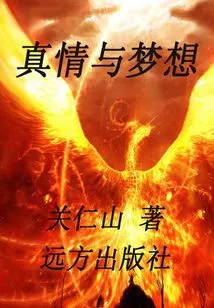
True Love and Dreams
Literature真情与梦想
Guan Renshan
This book includes prose works such as "Bring Some Humor to Life", "Mother's Love", "My Garden, My Friends", "Knowing Gratitude", "How to Discover Yourself", "Can't Live Without a Warm Home", "Crab's Story".
This book includes prose works such as "Bring Some Humor to Life", "Mother's Love", "My Garden, My Friends", "Knowing Gratitude", "How to Discover Yourself", "Can't Live Without a Warm Home", "Crab's Story".
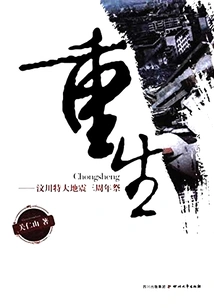
重生:汶川大地震三周年祭
Guan Renshan
"Rebirth: The Third Anniversary of the Wenchuan Earthquake" was written by Guan Renshan, the famous writer and chairman of the Hebei Provincial Writers Association, to commemorate the third anniversary of the "5.12" Wenchuan Earthquake. On the occasion of the third anniversary, Mr. Guan Renshan put aside many manuscripts and concentrated on retreat to create this soul-stirring masterpiece for the people of Sichuan. The novel breaks away from the general pattern of similar works and stands higher. From the perspective of the endless inheritance of the great love of the Chinese nation, it tells a story of traveling thousands of miles to deliver love from Tangshan to Wenchuan to Yushu. It shows the spirit of the Chinese nation that when one side is in trouble, all sides support it, expresses the brilliance of human nature and the power of love from a higher level, and praises the spirit of the times of gratitude and forge ahead.
"Rebirth: The Third Anniversary of the Wenchuan Earthquake" was written by Guan Renshan, the famous writer and chairman of the Hebei Provincial Writers Association, to commemorate the third anniversary of the "5.12" Wenchuan Earthquake. On the occasion of the third anniversary, Mr. Guan Renshan put aside many manuscripts and concentrated on retreat to create this soul-stirring masterpiece for the people of Sichuan. The novel breaks away from the general pattern of similar works and stands higher. From the perspective of the endless inheritance of the great love of the Chinese nation, it tells a story of traveling thousands of miles to deliver love from Tangshan to Wenchuan to Yushu. It shows the spirit of the Chinese nation that when one side is in trouble, all sides support it, expresses the brilliance of human nature and the power of love from a higher level, and praises the spirit of the times of gratitude and forge ahead.
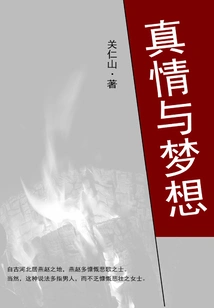
True Love and Dreams
Literature真情与梦想
Guan Renshan
The book is limited to the year 2000. It details the historical evolution of the Xincheng area, as well as the population, land, products, people and other aspects of the area. It focuses on highlighting the ethnic characteristics that satisfy the settlement area.
The book is limited to the year 2000. It details the historical evolution of the Xincheng area, as well as the population, land, products, people and other aspects of the area. It focuses on highlighting the ethnic characteristics that satisfy the settlement area.
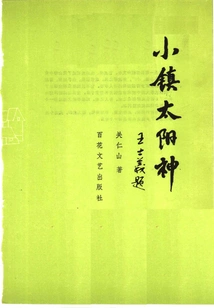
Small Town Sun God
Literature小镇太阳神
Guan Renshan
Guan Renshan, a Manchu, was born in Fengnan City, Tangshan, Hebei Province in February 1963. After graduating from Hebei Changli Normal School in 1981, he worked as a teacher, township cultural director and county government secretary. He is currently a member of the Chinese Writers Association and vice chairman of the Hebei Provincial Writers Association. Together with the famous writers He Shen and Tan Ge, he is known as the "Troika" of Hebei in the literary world. He began literary creation and published works in 1984. His major works include five novels, including "Storm Lake" and "Fu Town", nine collections of short and medium stories, including "No Country in Little Snow", "Selected Novels of Guan Renshan" and "Wild Yangzi", as well as short and medium stories such as "No Country in Heavy Snow", "Returning Home in September", "The Lost Soul", and "Bitter Snow", etc., Totaling more than five million words. His works have been reprinted many times by "Novel Monthly", "Selected Novels", "Xinhua Digest", etc.
Guan Renshan, a Manchu, was born in Fengnan City, Tangshan, Hebei Province in February 1963. After graduating from Hebei Changli Normal School in 1981, he worked as a teacher, township cultural director and county government secretary. He is currently a member of the Chinese Writers Association and vice chairman of the Hebei Provincial Writers Association. Together with the famous writers He Shen and Tan Ge, he is known as the "Troika" of Hebei in the literary world. He began literary creation and published works in 1984. His major works include five novels, including "Storm Lake" and "Fu Town", nine collections of short and medium stories, including "No Country in Little Snow", "Selected Novels of Guan Renshan" and "Wild Yangzi", as well as short and medium stories such as "No Country in Heavy Snow", "Returning Home in September", "The Lost Soul", and "Bitter Snow", etc., Totaling more than five million words. His works have been reprinted many times by "Novel Monthly", "Selected Novels", "Xinhua Digest", etc.
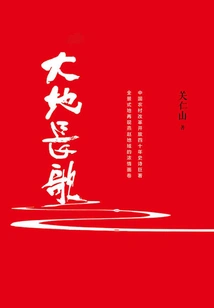
The Long Song of the Earth
General Fiction大地长歌
Guan Renshan
Guan Renshan's novel "The Great River Flows" takes Xiangmahe Village on the Luanhe River in Hebei as the grand stage. It takes the ups and downs of the fate of the three big families of Zhou, Jin and Gu as the main line. It uses the responsible spirit of the female secretary of the township party committee Yunxiu and her deep love with ordinary farmers as the sub-line. It panoramically describes the magnificent and colorful life in modern urban and rural China from 1980 to 2017. Taking the 40 years of reform and opening up as the background, the novel unfolds the story through twists and turns and complex conflicts, including family and country affairs, family conflicts, individual conflicts, and the hardships and spiritual demands of farmers in the transition era. At the same time, it truly and delicately interprets the simple morals, life customs, and regional culture of Luanhe City and the Luanhe River Basin. It is solemn and tragic, warm and touching, and soul-stirring. It is full of profound practical significance and the spirit of the times. The novel enthusiastically praises the party's policy of enriching the people, explores the nostalgia for the beautiful youth and the recollection of life's struggle, and deeply enlightens the readers' thinking on the forty years of reform and opening up.
Guan Renshan's novel "The Great River Flows" takes Xiangmahe Village on the Luanhe River in Hebei as the grand stage. It takes the ups and downs of the fate of the three big families of Zhou, Jin and Gu as the main line. It uses the responsible spirit of the female secretary of the township party committee Yunxiu and her deep love with ordinary farmers as the sub-line. It panoramically describes the magnificent and colorful life in modern urban and rural China from 1980 to 2017. Taking the 40 years of reform and opening up as the background, the novel unfolds the story through twists and turns and complex conflicts, including family and country affairs, family conflicts, individual conflicts, and the hardships and spiritual demands of farmers in the transition era. At the same time, it truly and delicately interprets the simple morals, life customs, and regional culture of Luanhe City and the Luanhe River Basin. It is solemn and tragic, warm and touching, and soul-stirring. It is full of profound practical significance and the spirit of the times. The novel enthusiastically praises the party's policy of enriching the people, explores the nostalgia for the beautiful youth and the recollection of life's struggle, and deeply enlightens the readers' thinking on the forty years of reform and opening up.
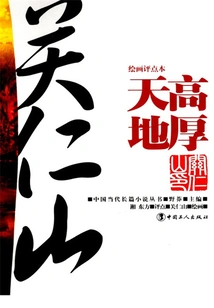
The Sky is Thick and the Earth is Thick
General Fiction天高地厚
Guan Renshan
"The Sky and the Earth" takes the Bat Village in the North China Plain, which has rich historical heritage and strange customs, as its life stage. Against the broad background of the great rural changes in our country in the past thirty years, it unfolds the ups and downs of three generations of the Bao family, the Rong family and the Liang family. The history of ups and downs, ups and downs, and life changes reveals the Chinese farmers' tenacious will to survive, seek food and clothing, and develop under the pull of the tide of the times. They also reveal their endless struggle and the twists and turns, frustrations, hardships, and bitterness they encountered and endured.
"The Sky and the Earth" takes the Bat Village in the North China Plain, which has rich historical heritage and strange customs, as its life stage. Against the broad background of the great rural changes in our country in the past thirty years, it unfolds the ups and downs of three generations of the Bao family, the Rong family and the Liang family. The history of ups and downs, ups and downs, and life changes reveals the Chinese farmers' tenacious will to survive, seek food and clothing, and develop under the pull of the tide of the times. They also reveal their endless struggle and the twists and turns, frustrations, hardships, and bitterness they encountered and endured.
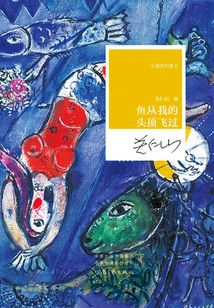
鱼从我的头顶飞过(小说家的散文)
Guan Renshan
This book is one of the "Novelist's Essays" series. This book selects several essays written by contemporary writer Guan Renshan over the years, and the content is divided into seven parts. The first part is the writer's review of his childhood life, the second part is about rural life and the call of nature, the third part is about creatures and human relationships, the fourth part is about the earthquake and post-disaster reconstruction in his hometown of Tangshan, the fifth part is about the praise of women, the sixth part focuses on travel notes and writes about natural scenery, and the seventh part is about the opportunity of creation and the author himself and the book. The entire collection reflects the writer's love for simple life and his thinking about man and nature. The articles in this book are all portrayals of life and spiritual experiences, full of sincere emotions and profound insights into life, and have rich cultural significance.
This book is one of the "Novelist's Essays" series. This book selects several essays written by contemporary writer Guan Renshan over the years, and the content is divided into seven parts. The first part is the writer's review of his childhood life, the second part is about rural life and the call of nature, the third part is about creatures and human relationships, the fourth part is about the earthquake and post-disaster reconstruction in his hometown of Tangshan, the fifth part is about the praise of women, the sixth part focuses on travel notes and writes about natural scenery, and the seventh part is about the opportunity of creation and the author himself and the book. The entire collection reflects the writer's love for simple life and his thinking about man and nature. The articles in this book are all portrayals of life and spiritual experiences, full of sincere emotions and profound insights into life, and have rich cultural significance.
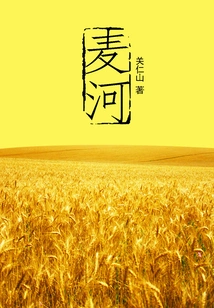
Wheat River
General Fiction麦河
Guan Renshan
"Maihe" is a novel by Guan Renshan. Mainly set in the rural areas of the Maihe (also known as Luanhe) Basin in the Jidong Plain, it describes the story of rural land transfer in recent years. It carefully creates a series of eye-catching artistic images such as Cao Shuangyang, an entrepreneur who returns to his hometown for land transfer, Blind Sanbai Liguo, a Laoting drum artist who serves as the narrator of the novel, and Tao'er, a rural girl with an ill-fated destiny. It has a strong flavor of the times and life. The writing of the works reflects rural life in a true and subtle way. Using literary works to record the living conditions and fate of farmers can arouse people's attention and thinking about contemporary farmers' issues.
"Maihe" is a novel by Guan Renshan. Mainly set in the rural areas of the Maihe (also known as Luanhe) Basin in the Jidong Plain, it describes the story of rural land transfer in recent years. It carefully creates a series of eye-catching artistic images such as Cao Shuangyang, an entrepreneur who returns to his hometown for land transfer, Blind Sanbai Liguo, a Laoting drum artist who serves as the narrator of the novel, and Tao'er, a rural girl with an ill-fated destiny. It has a strong flavor of the times and life. The writing of the works reflects rural life in a true and subtle way. Using literary works to record the living conditions and fate of farmers can arouse people's attention and thinking about contemporary farmers' issues.
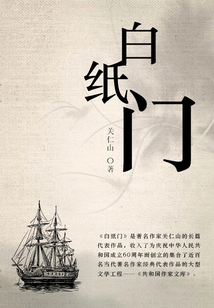
White Paper Door
General Fiction白纸门
Guan Renshan
"White Paper Gate" is a novel by Guan Renshan, set in the seaside fishing village Xuelian Bay. The work provides a comprehensive description of the Mai family, which has a tradition of paper-cutting for hundreds of years, and the Huang family, a famous shipbuilding family. The writing of the works reflects rural life in a true and subtle way. Using literary works to record the living conditions and fate of farmers can arouse people's attention and thinking about contemporary farmers' issues. Guan Renshan describes real life with a cold and objective style, strives to pay attention to current life, boldly faces social problems, and shows a realist spirit and courage to face reality.
"White Paper Gate" is a novel by Guan Renshan, set in the seaside fishing village Xuelian Bay. The work provides a comprehensive description of the Mai family, which has a tradition of paper-cutting for hundreds of years, and the Huang family, a famous shipbuilding family. The writing of the works reflects rural life in a true and subtle way. Using literary works to record the living conditions and fate of farmers can arouse people's attention and thinking about contemporary farmers' issues. Guan Renshan describes real life with a cold and objective style, strives to pay attention to current life, boldly faces social problems, and shows a realist spirit and courage to face reality.
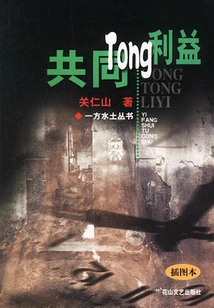
Common Interests
General Fiction共同利益
Guan Renshan
These days, whoever doesn't believe in superstition will have a headache. On the first day that Li Yunpeng took office in Haiping City, he met a fortune teller on the streets of Haiping City. He said that he would have an affair in ten days. After the affair, there would be a setback in life, and even if he didn't turn over, he would still have to shed a layer of his skin. The young deputy mayor never believed in fate, but on the morning of ten days later, he unexpectedly met Si Xinying in Longhua County in Haiping. The whole story was almost exactly as the fortune teller said. This is spring, and spring is a season when people and the sea are not very peaceful.
These days, whoever doesn't believe in superstition will have a headache. On the first day that Li Yunpeng took office in Haiping City, he met a fortune teller on the streets of Haiping City. He said that he would have an affair in ten days. After the affair, there would be a setback in life, and even if he didn't turn over, he would still have to shed a layer of his skin. The young deputy mayor never believed in fate, but on the morning of ten days later, he unexpectedly met Si Xinying in Longhua County in Haiping. The whole story was almost exactly as the fortune teller said. This is spring, and spring is a season when people and the sea are not very peaceful.