Library
Browse and search books
8 novels found
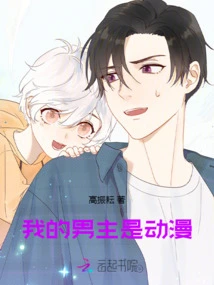
My Hero is an Anime
Modern Romance我的男主是动漫
Gao Zhengyun
Su Wanxi is a high-pressure social animal who is bound by KPIs. Long-term overtime work has made her deeply anxious. Not only has she lost the ability to be happy, but she also has early symptoms of loss of appetite. Mo Chenyuan, the happy elf in the healing anime "Happy Planet", is her only spiritual comfort. Late one night, Su Wanxi, who had been working overtime for a week, broke down and cried looking at Mo Chenyuan's animation screenshots on the computer, and made a wish to "get rid of anxiety and be happy again." As soon as she finished speaking, Mo Chenyuan, who was wearing starlight, appeared weakly in front of her and said softly: "I come from the animation world. Your happiness is my source of energy. I can help you find happiness, but I also need your energy to maintain my existence." Since then, the daily routine of cross-dimensional healing has officially begun: Mo Chenyuan used elf magic to create funny props, took Su Wanxi to the night market to eat snacks, watched relaxing variety shows with her, and taught her to refuse unreasonable overtime work. With Mo Chenyuan's company, Su Wanxi's workplace anxiety gradually eased, and she began to feel the beauty of life again. As Su Wanxi initially regained her happiness, Mo Chenyuan also gained basic energy and temporarily returned to the animation world due to the cross-dimensional rules. Before leaving, he left a promise: "If you need me, I will appear again."
Su Wanxi is a high-pressure social animal who is bound by KPIs. Long-term overtime work has made her deeply anxious. Not only has she lost the ability to be happy, but she also has early symptoms of loss of appetite. Mo Chenyuan, the happy elf in the healing anime "Happy Planet", is her only spiritual comfort. Late one night, Su Wanxi, who had been working overtime for a week, broke down and cried looking at Mo Chenyuan's animation screenshots on the computer, and made a wish to "get rid of anxiety and be happy again." As soon as she finished speaking, Mo Chenyuan, who was wearing starlight, appeared weakly in front of her and said softly: "I come from the animation world. Your happiness is my source of energy. I can help you find happiness, but I also need your energy to maintain my existence." Since then, the daily routine of cross-dimensional healing has officially begun: Mo Chenyuan used elf magic to create funny props, took Su Wanxi to the night market to eat snacks, watched relaxing variety shows with her, and taught her to refuse unreasonable overtime work. With Mo Chenyuan's company, Su Wanxi's workplace anxiety gradually eased, and she began to feel the beauty of life again. As Su Wanxi initially regained her happiness, Mo Chenyuan also gained basic energy and temporarily returned to the animation world due to the cross-dimensional rules. Before leaving, he left a promise: "If you need me, I will appear again."
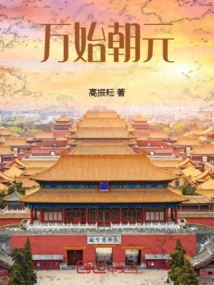
Wanshi Chaoyuan
Military万始朝元
Gao Zhengyun
At the beginning of the Tuoba period, it was just a nomadic tribe in the northeasternmost part of Xianbei, also known as the other Xianbei tribe. It originally lived on the right bank of the Ergun River and the northern section of the Greater Khingan Mountains. According to the "Book of Wei Preface", Tuoba Gui founded Wei in 386, sixty-seven generations before Xianbei. The journey was full of ups and downs and wars continued. In order to adapt to the needs of the Central Plains, promote agricultural settlement in Xianbei, and gradually integrate with Han aristocratic families, after nearly a hundred years, Emperor Xiaowen began to vigorously promote Sinicization and changed Tuoba to the Yuan surname, which laid a solid foundation for the subsequent unification of Sinicization.
At the beginning of the Tuoba period, it was just a nomadic tribe in the northeasternmost part of Xianbei, also known as the other Xianbei tribe. It originally lived on the right bank of the Ergun River and the northern section of the Greater Khingan Mountains. According to the "Book of Wei Preface", Tuoba Gui founded Wei in 386, sixty-seven generations before Xianbei. The journey was full of ups and downs and wars continued. In order to adapt to the needs of the Central Plains, promote agricultural settlement in Xianbei, and gradually integrate with Han aristocratic families, after nearly a hundred years, Emperor Xiaowen began to vigorously promote Sinicization and changed Tuoba to the Yuan surname, which laid a solid foundation for the subsequent unification of Sinicization.
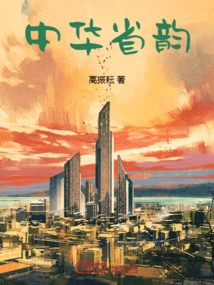
Rhyme of Chinese Province
Short Fiction中华省韵
Gao Zhengyun
"There are thousands of miles of mountains and rivers under our feet, and five thousand years of hills and valleys in our chests." The 9.6 Million square kilometers of China's land has never been a simple patchwork of geographical plates, but a civilization epic composed of mountains, rivers, lakes and seas engraved with longitude and latitude, years of growth and accumulation of heritage, and people of all ethnic groups working together to build it. The book "The Rhythm of China" takes the thirty-four provincial-level administrative regions as a clear context, travels across mountains and rivers to find the roots of civilization, and goes back through the years to explore the origins of history. It leads us to touch the temperature of civilization in the geographical texture and listen to the distant echo of culture in the historical folds. The purpose of compiling this book is to establish a biography of the mountains and rivers, to cast a soul for the context, and to leave a voice for the province. It is not a simple superposition of geography and historical events, but outlines the grand scenery of mountains and rivers with delicate brushstrokes, connects the context of civilization with a grand vision, and narrates the beauty of mountains and rivers, the richness of history, and the charm of culture in various provinces and regions. By flipping through the pages of the book, we can not only appreciate the natural wonders of "the five mountains come back without looking at the mountains", but also feel the cultural splendor of "thousand-year cultural heritage that moisturizes people's hearts"; we can not only understand the unique temperament and spiritual core of each region, but also understand the overall pulse and spiritual power of Chinese civilization. In the current era of fragmented information, such a work that systematically sorts out the rhymes of the Chinese province is not only an in-depth exploration and inheritance of regional culture, but also a concentrated display and affectionate tribute to Chinese civilization, providing a precious model for us to understand the land beneath our feet.
"There are thousands of miles of mountains and rivers under our feet, and five thousand years of hills and valleys in our chests." The 9.6 Million square kilometers of China's land has never been a simple patchwork of geographical plates, but a civilization epic composed of mountains, rivers, lakes and seas engraved with longitude and latitude, years of growth and accumulation of heritage, and people of all ethnic groups working together to build it. The book "The Rhythm of China" takes the thirty-four provincial-level administrative regions as a clear context, travels across mountains and rivers to find the roots of civilization, and goes back through the years to explore the origins of history. It leads us to touch the temperature of civilization in the geographical texture and listen to the distant echo of culture in the historical folds. The purpose of compiling this book is to establish a biography of the mountains and rivers, to cast a soul for the context, and to leave a voice for the province. It is not a simple superposition of geography and historical events, but outlines the grand scenery of mountains and rivers with delicate brushstrokes, connects the context of civilization with a grand vision, and narrates the beauty of mountains and rivers, the richness of history, and the charm of culture in various provinces and regions. By flipping through the pages of the book, we can not only appreciate the natural wonders of "the five mountains come back without looking at the mountains", but also feel the cultural splendor of "thousand-year cultural heritage that moisturizes people's hearts"; we can not only understand the unique temperament and spiritual core of each region, but also understand the overall pulse and spiritual power of Chinese civilization. In the current era of fragmented information, such a work that systematically sorts out the rhymes of the Chinese province is not only an in-depth exploration and inheritance of regional culture, but also a concentrated display and affectionate tribute to Chinese civilization, providing a precious model for us to understand the land beneath our feet.
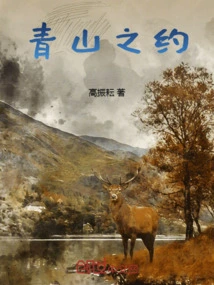
Appointment at Qingshan
Realistic Fiction青山之约
Gao Zhengyun
"A Promise on the Green Mountain" is a novel with profound significance that reflects the times. It takes the old industrial community of Qingshan in Wuhan as a microcosm, vividly showing the various problems and challenges faced by China's old industrial bases in the process of transformation. Behind the advancement of the community reconstruction plan in the novel is the need for economic development, and the persistence of the old workers in the vegetable garden represents the nostalgia for the past years and the cherishment of industrial memories. This conflict reflects the contradiction between the development of the times and the preservation of tradition, and is a realistic portrayal of what countless old industrial bases are experiencing. The book depicts the attitudes and reactions of people of different age groups to this change. The young man Chen Ming, while pursuing career development, gradually understands and respects the emotional appeal of the older generation; while the older generation strives to adapt to the changes of the times while adhering to tradition. This kind of communication and reconciliation between generations is exactly what society needs in the process of transformation. By reading this book, we seem to see the entire society's difficult progress and active exploration in the wave of the times, and feel the profound impact of the changes of the times on people's lives and emotions. It makes us pay more attention to the transformation of old industrial bases, and how to balance development and inheritance in the process. It is a work with a strong sense of mission of the times.
"A Promise on the Green Mountain" is a novel with profound significance that reflects the times. It takes the old industrial community of Qingshan in Wuhan as a microcosm, vividly showing the various problems and challenges faced by China's old industrial bases in the process of transformation. Behind the advancement of the community reconstruction plan in the novel is the need for economic development, and the persistence of the old workers in the vegetable garden represents the nostalgia for the past years and the cherishment of industrial memories. This conflict reflects the contradiction between the development of the times and the preservation of tradition, and is a realistic portrayal of what countless old industrial bases are experiencing. The book depicts the attitudes and reactions of people of different age groups to this change. The young man Chen Ming, while pursuing career development, gradually understands and respects the emotional appeal of the older generation; while the older generation strives to adapt to the changes of the times while adhering to tradition. This kind of communication and reconciliation between generations is exactly what society needs in the process of transformation. By reading this book, we seem to see the entire society's difficult progress and active exploration in the wave of the times, and feel the profound impact of the changes of the times on people's lives and emotions. It makes us pay more attention to the transformation of old industrial bases, and how to balance development and inheritance in the process. It is a work with a strong sense of mission of the times.
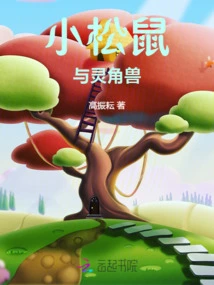
Little Squirrel and Spirit Horned Beast
Fantasy Romance小松鼠与灵角兽
Gao Zhengyun
The novel "The Little Squirrel and the Spirit-horned Beast" uses delicate pen and ink and a lyrical form to describe the dreamy adventures of the little rabbit hopping in the forest, the little monkey Pipi, the little squirrel Coco and the Spirit-horned Beast.
The novel "The Little Squirrel and the Spirit-horned Beast" uses delicate pen and ink and a lyrical form to describe the dreamy adventures of the little rabbit hopping in the forest, the little monkey Pipi, the little squirrel Coco and the Spirit-horned Beast.
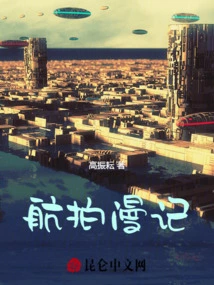
Aerial Photography Comics
Slice of Life航拍漫记
Gao Zhengyun
Singapore's high-tech product "Ruisi" shouldered the mission of going to Wuhan, China to participate in a cross-cultural exchange project, and thus began a wonderful journey. Starting from Singapore, it records the modern architectural wonders of Marina Bay and feels the unique charm of Kampong Glam Malay culture, Chinatown Chinese culture and Little India style. In Malaysia, witness the integration of history in George Town, Penang, the dialogue between ancient and modern times in Kuala Lumpur, and appreciate the symbiosis of nature and civilization in Taman Negara National Park. In Thailand, capture the royal and religious splendor of Bangkok and the tranquility and bustle of the ancient city of Chiang Mai. In Cambodia, discover the architectural wonders of Angkor Wat and the mysterious power of the smiling Buddha at Bayon Temple. Enter Vietnam, reflect on history in Ho Chi Minh City, and experience cultural blending in Hanoi. In Guangxi, China, experience the micro-culture of Nanning Ethnology Museum and the poetry of Guilin's landscape. Finally, "Ruisi" arrived in Wuhan and deeply explored the city's history, geography and humanistic charm. It showcases the rich and diverse cultures of various places and triggers profound thinking on cultural inheritance, technological empowerment and cross-cultural exchanges.
Singapore's high-tech product "Ruisi" shouldered the mission of going to Wuhan, China to participate in a cross-cultural exchange project, and thus began a wonderful journey. Starting from Singapore, it records the modern architectural wonders of Marina Bay and feels the unique charm of Kampong Glam Malay culture, Chinatown Chinese culture and Little India style. In Malaysia, witness the integration of history in George Town, Penang, the dialogue between ancient and modern times in Kuala Lumpur, and appreciate the symbiosis of nature and civilization in Taman Negara National Park. In Thailand, capture the royal and religious splendor of Bangkok and the tranquility and bustle of the ancient city of Chiang Mai. In Cambodia, discover the architectural wonders of Angkor Wat and the mysterious power of the smiling Buddha at Bayon Temple. Enter Vietnam, reflect on history in Ho Chi Minh City, and experience cultural blending in Hanoi. In Guangxi, China, experience the micro-culture of Nanning Ethnology Museum and the poetry of Guilin's landscape. Finally, "Ruisi" arrived in Wuhan and deeply explored the city's history, geography and humanistic charm. It showcases the rich and diverse cultures of various places and triggers profound thinking on cultural inheritance, technological empowerment and cross-cultural exchanges.
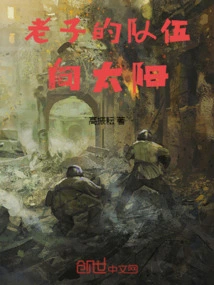
Lao Tzu's Team Faces the Sun
Military老子的队伍向太阳
Gao Zhengyun
The most touching thing about "Laozi's Troops Facing the Sun" is that it breaks away from the heroic narrative of "Gao Daquan" and uses rough brushstrokes with a loess flavor to outline a group of "imperfect" but extremely vivid warriors. Zhao Laohan scolded the recruits as "waste", but secretly handed him plaster. Liu Daguo was furious over a bowl of rice, but he always gave the hot soup to his comrades. Wang Xiaobao would be paralyzed to the ground with fear, and he could also block the gun for his brother. Li Jianjun transformed from a "sour scholar" who was afraid of hardship and fatigue to a tough guy who dared to smash Japanese enemies. These characters do not have a gorgeous aura, are full of foul language, are afraid and cry, but they look like real people who came down from the slopes of the Anti-Japanese War. The author does not shy away from the embarrassment and vulnerability in war, but is better at hiding warmth in the details. The novel is not about "history", but about "people living in history". He is a recruit who is afraid of Japanese but more afraid of harming his brothers, a deputy squad leader who would rather die than to be cut off, and a cook who runs two hundred miles with a big pot on his back. They are not numbers in history books, but ordinary people who feel pain, cry, and miss their mother. But it is these ordinary people who bear the suffering with their rough shoulders and hold on to hope with their simple beliefs. When Wang Tiezhu shouted, "Take brothers toward the sun," what the readers saw was not a symbolic hero, but an ordinary person who couldn't let go of his brothers and the people. This "imperfection" just made the hero's sacrifice heavier and made the belief in " toward the sun" more powerful.
The most touching thing about "Laozi's Troops Facing the Sun" is that it breaks away from the heroic narrative of "Gao Daquan" and uses rough brushstrokes with a loess flavor to outline a group of "imperfect" but extremely vivid warriors. Zhao Laohan scolded the recruits as "waste", but secretly handed him plaster. Liu Daguo was furious over a bowl of rice, but he always gave the hot soup to his comrades. Wang Xiaobao would be paralyzed to the ground with fear, and he could also block the gun for his brother. Li Jianjun transformed from a "sour scholar" who was afraid of hardship and fatigue to a tough guy who dared to smash Japanese enemies. These characters do not have a gorgeous aura, are full of foul language, are afraid and cry, but they look like real people who came down from the slopes of the Anti-Japanese War. The author does not shy away from the embarrassment and vulnerability in war, but is better at hiding warmth in the details. The novel is not about "history", but about "people living in history". He is a recruit who is afraid of Japanese but more afraid of harming his brothers, a deputy squad leader who would rather die than to be cut off, and a cook who runs two hundred miles with a big pot on his back. They are not numbers in history books, but ordinary people who feel pain, cry, and miss their mother. But it is these ordinary people who bear the suffering with their rough shoulders and hold on to hope with their simple beliefs. When Wang Tiezhu shouted, "Take brothers toward the sun," what the readers saw was not a symbolic hero, but an ordinary person who couldn't let go of his brothers and the people. This "imperfection" just made the hero's sacrifice heavier and made the belief in " toward the sun" more powerful.
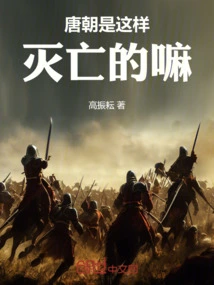
唐朝是这样灭亡的嘛
Gao Zhengyun
The Tang Dynasty was the most powerful empire in the world at that time. It made brilliant achievements in culture, politics, economy, diplomacy, etc. It can be said that not only the Tang Dynasty, but even ancient China was recognized as a golden age. However, the good times did not last long. During the Tianbao period of Emperor Xuanzong of the Tang Dynasty, the virtues of the rulers weakened the political affairs, the prime minister monopolized power and harmed the country, and the border generals harbored evil intentions. As a result, the political and economic situation of the Tang Dynasty took a turn for the worse. After the Anshi Rebellion, local vassal towns were separated and the internal affairs were divided. The eunuchs in the court had exclusive power, the cliques in the court and the central government were fighting, and the generals were constantly calling the police. In the complicated conflicts, the army of vassal towns could drive the court into exile, and the eunuchs' manipulation of power could depose and establish the emperor. The powerful Tang Dynasty empire could not become glorious again. "When autumn comes on the eighth day of the ninth month, when the flowers bloom, hundreds of flowers will be killed. The fragrance will reach the sky and penetrate Chang'an, and the whole city will be filled with golden armor."
The Tang Dynasty was the most powerful empire in the world at that time. It made brilliant achievements in culture, politics, economy, diplomacy, etc. It can be said that not only the Tang Dynasty, but even ancient China was recognized as a golden age. However, the good times did not last long. During the Tianbao period of Emperor Xuanzong of the Tang Dynasty, the virtues of the rulers weakened the political affairs, the prime minister monopolized power and harmed the country, and the border generals harbored evil intentions. As a result, the political and economic situation of the Tang Dynasty took a turn for the worse. After the Anshi Rebellion, local vassal towns were separated and the internal affairs were divided. The eunuchs in the court had exclusive power, the cliques in the court and the central government were fighting, and the generals were constantly calling the police. In the complicated conflicts, the army of vassal towns could drive the court into exile, and the eunuchs' manipulation of power could depose and establish the emperor. The powerful Tang Dynasty empire could not become glorious again. "When autumn comes on the eighth day of the ninth month, when the flowers bloom, hundreds of flowers will be killed. The fragrance will reach the sky and penetrate Chang'an, and the whole city will be filled with golden armor."