Library
Browse and search books
2 novels found
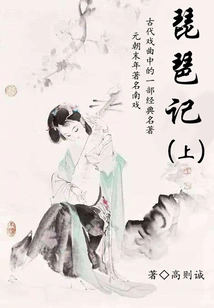
戏曲爱情故事:琵琶记(上)
Gao Zecheng
"The Story of the Pipa" is a Southern opera adapted from the long-circulated folk opera "Zhao Zhennu Cai Erlang" by Gao Ming, a late-Yuan opera writer. It is a classic work in ancient Chinese opera. It describes the love story of Cai Bojie and Zhao Wuniang, a scholar in the Han Dynasty. Readers who like opera stories, this book is worth reading. "The Story of Pipa" basically inherits the framework of the story of "Zhao Zhennu", but changes the image of Cai Bojie in the original story who betrayed his parents and abandoned his wife. It retains Zhao Zhennu's "chastity and fidelity", but comprehensively transforms Cai Bojie's image, making him a scholar who is "all loyal and all filial". The whole play has a complete and ingenious structure, elegant and vivid language, showing the literati's delicate vision and smooth technique. It is a work that combines highly developed Chinese lyric literature and dramatic art. The literary achievement of "Pipa Ji" greatly exceeds the works in "Three Types of Operas in Yongle Dadian". Since its inception, it has been popular for more than 600 years and has always attracted the attention of the world. It has also been translated into French and Japanese and spread abroad. The whole play is elegant, complete, vivid and rich, showing the literati's delicate vision and hearty technique. It is a combination of highly developed Chinese lyric literature and dramatic art. No matter in terms of ideological content, characters, structure and language, "Pipa Ji" has unique features and is worthy of appreciation and consideration. Therefore, "The Story of Pipa" is an excellent play worth promoting. The artistic achievements of "Pipa Chronicles" not only affected the theater world at that time, but also set a model for the legends of the Ming and Qing Dynasties. Therefore, it was called the "ancestor of Southern Opera" in the past.
"The Story of the Pipa" is a Southern opera adapted from the long-circulated folk opera "Zhao Zhennu Cai Erlang" by Gao Ming, a late-Yuan opera writer. It is a classic work in ancient Chinese opera. It describes the love story of Cai Bojie and Zhao Wuniang, a scholar in the Han Dynasty. Readers who like opera stories, this book is worth reading. "The Story of Pipa" basically inherits the framework of the story of "Zhao Zhennu", but changes the image of Cai Bojie in the original story who betrayed his parents and abandoned his wife. It retains Zhao Zhennu's "chastity and fidelity", but comprehensively transforms Cai Bojie's image, making him a scholar who is "all loyal and all filial". The whole play has a complete and ingenious structure, elegant and vivid language, showing the literati's delicate vision and smooth technique. It is a work that combines highly developed Chinese lyric literature and dramatic art. The literary achievement of "Pipa Ji" greatly exceeds the works in "Three Types of Operas in Yongle Dadian". Since its inception, it has been popular for more than 600 years and has always attracted the attention of the world. It has also been translated into French and Japanese and spread abroad. The whole play is elegant, complete, vivid and rich, showing the literati's delicate vision and hearty technique. It is a combination of highly developed Chinese lyric literature and dramatic art. No matter in terms of ideological content, characters, structure and language, "Pipa Ji" has unique features and is worthy of appreciation and consideration. Therefore, "The Story of Pipa" is an excellent play worth promoting. The artistic achievements of "Pipa Chronicles" not only affected the theater world at that time, but also set a model for the legends of the Ming and Qing Dynasties. Therefore, it was called the "ancestor of Southern Opera" in the past.
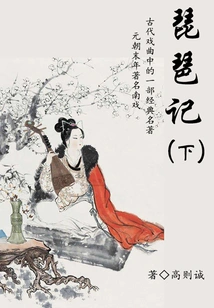
戏曲爱情故事:琵琶记(下)
Gao Zecheng
"The Story of the Pipa" is a Southern opera adapted from the long-circulated folk opera "Zhao Zhennu Cai Erlang" by Gao Ming, a late-Yuan opera writer. It is a classic work in ancient Chinese opera. It describes the love story of Cai Bojie and Zhao Wuniang, a scholar in the Han Dynasty. Readers who like opera stories, this book is worth reading. "The Story of Pipa" basically inherits the framework of the story of "Zhao Zhennu", but changes the image of Cai Bojie in the original story who betrayed his parents and abandoned his wife. It retains Zhao Zhennu's "chastity and fidelity", but comprehensively transforms Cai Bojie's image, making him a scholar who is "all loyal and all filial". The whole play has a complete and ingenious structure, elegant and vivid language, showing the literati's delicate vision and smooth technique. It is a work that combines highly developed Chinese lyric literature and dramatic art. The literary achievement of "Pipa Ji" greatly exceeds the works in "Three Types of Operas in Yongle Dadian". Since its inception, it has been popular for more than 600 years and has always attracted the attention of the world. It has also been translated into French and Japanese and spread abroad. The whole play is elegant, complete, vivid and rich, showing the literati's delicate vision and hearty technique. It is a combination of highly developed Chinese lyric literature and dramatic art. No matter in terms of ideological content, characters, structure and language, "Pipa Ji" has unique features and is worthy of appreciation and consideration. Therefore, "The Story of Pipa" is an excellent play worth promoting. The artistic achievements of "Pipa Chronicles" not only affected the theater world at that time, but also set a model for the legends of the Ming and Qing Dynasties. Therefore, it was called the "ancestor of Southern Opera" in the past.
"The Story of the Pipa" is a Southern opera adapted from the long-circulated folk opera "Zhao Zhennu Cai Erlang" by Gao Ming, a late-Yuan opera writer. It is a classic work in ancient Chinese opera. It describes the love story of Cai Bojie and Zhao Wuniang, a scholar in the Han Dynasty. Readers who like opera stories, this book is worth reading. "The Story of Pipa" basically inherits the framework of the story of "Zhao Zhennu", but changes the image of Cai Bojie in the original story who betrayed his parents and abandoned his wife. It retains Zhao Zhennu's "chastity and fidelity", but comprehensively transforms Cai Bojie's image, making him a scholar who is "all loyal and all filial". The whole play has a complete and ingenious structure, elegant and vivid language, showing the literati's delicate vision and smooth technique. It is a work that combines highly developed Chinese lyric literature and dramatic art. The literary achievement of "Pipa Ji" greatly exceeds the works in "Three Types of Operas in Yongle Dadian". Since its inception, it has been popular for more than 600 years and has always attracted the attention of the world. It has also been translated into French and Japanese and spread abroad. The whole play is elegant, complete, vivid and rich, showing the literati's delicate vision and hearty technique. It is a combination of highly developed Chinese lyric literature and dramatic art. No matter in terms of ideological content, characters, structure and language, "Pipa Ji" has unique features and is worthy of appreciation and consideration. Therefore, "The Story of Pipa" is an excellent play worth promoting. The artistic achievements of "Pipa Chronicles" not only affected the theater world at that time, but also set a model for the legends of the Ming and Qing Dynasties. Therefore, it was called the "ancestor of Southern Opera" in the past.