Library
Browse and search books
3 novels found
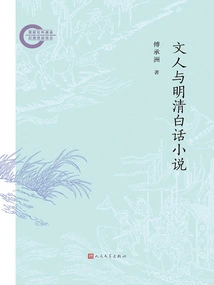
文人与明清白话小说
Fu Chengzhou
This book deeply explores the evolution of the writing methods of vernacular novels in the Ming and Qing dynasties and the contributions of literati to the vernacular novels of the Ming and Qing dynasties. Vernacular novels originated from the art of speaking and have evolved over hundreds of years. The role of literati in it is undoubted. The three compilation methods of Zhanghui novels are generational collective creation, literati supplementation and literati original creation. Their creative characteristics and the contributions of literati writers are very different. In the early chapter novels, literati writers used the materials of their predecessors and imitated the art of speaking to create the genre of chapter novels. The supplementary chapters of chapter novels drew on the characters and plots of the original books and imitated the style of the original books. The overall achievements were not high. There are also some writers who borrowed other people's wine glasses to pour themselves. Along the way, some good works have been written; the chapter novels created by literati have brought new changes to this genre. The characters and plots are derived from real life, and the ideas are the independent thinking of the novelist. They represent the development direction of novel creation and push chapter novels to their peak. This result provides a new interpretation and analysis of the works of some novel writers, such as the type of adventure novels that existed in the chapter novels of the Ming and Qing Dynasties. "Jin Ping Mei Ci Hua" is a supplement to the chapter novels. Baoyu's rebellious character is directly related to his adolescence. This has not been published before and is quite influential in the academic world.
This book deeply explores the evolution of the writing methods of vernacular novels in the Ming and Qing dynasties and the contributions of literati to the vernacular novels of the Ming and Qing dynasties. Vernacular novels originated from the art of speaking and have evolved over hundreds of years. The role of literati in it is undoubted. The three compilation methods of Zhanghui novels are generational collective creation, literati supplementation and literati original creation. Their creative characteristics and the contributions of literati writers are very different. In the early chapter novels, literati writers used the materials of their predecessors and imitated the art of speaking to create the genre of chapter novels. The supplementary chapters of chapter novels drew on the characters and plots of the original books and imitated the style of the original books. The overall achievements were not high. There are also some writers who borrowed other people's wine glasses to pour themselves. Along the way, some good works have been written; the chapter novels created by literati have brought new changes to this genre. The characters and plots are derived from real life, and the ideas are the independent thinking of the novelist. They represent the development direction of novel creation and push chapter novels to their peak. This result provides a new interpretation and analysis of the works of some novel writers, such as the type of adventure novels that existed in the chapter novels of the Ming and Qing Dynasties. "Jin Ping Mei Ci Hua" is a supplement to the chapter novels. Baoyu's rebellious character is directly related to his adolescence. This has not been published before and is quite influential in the academic world.
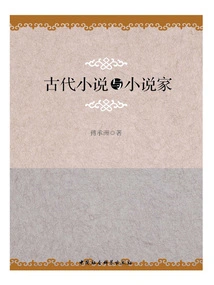
Ancient Novels and Novelists
Literature古代小说与小说家
Fu Chengzhou
This book is a collection of the author's papers on ancient Chinese novels and novelists. Divided into four volumes, Volume One explores the characteristics and value of the masterpieces of chapter novels from various angles. Volume 2 focuses on the study of the stylistic characteristics and evolution rules of story-telling novels. Volume Three mainly discusses the ideological concepts of ancient novelists and their impact on creation, and examines the authors and versions of the novels. Volume Four reviews the academic contributions and research personalities of several famous scholars who studied ancient novels.
This book is a collection of the author's papers on ancient Chinese novels and novelists. Divided into four volumes, Volume One explores the characteristics and value of the masterpieces of chapter novels from various angles. Volume 2 focuses on the study of the stylistic characteristics and evolution rules of story-telling novels. Volume Three mainly discusses the ideological concepts of ancient novelists and their impact on creation, and examines the authors and versions of the novels. Volume Four reviews the academic contributions and research personalities of several famous scholars who studied ancient novels.
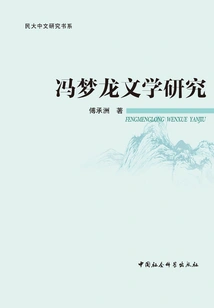
Research on Feng Menglong's Literature
Literature冯梦龙文学研究
Fu Chengzhou
This book is the final result of the National Social Science Fund Project "Research on Feng Menglong's Literary Activities" (Grant No. 08BZW042). Feng Menglong was a diligent and productive writer and scholar. He compiled seventy to eighty works in his life and left us tens of millions of words of works. His writings cover classics and history, poetry, drama, novels, folk songs, jokes and many other fields. The academic research on Feng Menglong focuses on the "Three Characters" and rarely touches on his chapter novels, classical Chinese novels, legends, folk songs and jokes. This result is of great significance for deepening Feng Menglong's research and expanding the research space of popular literature.
This book is the final result of the National Social Science Fund Project "Research on Feng Menglong's Literary Activities" (Grant No. 08BZW042). Feng Menglong was a diligent and productive writer and scholar. He compiled seventy to eighty works in his life and left us tens of millions of words of works. His writings cover classics and history, poetry, drama, novels, folk songs, jokes and many other fields. The academic research on Feng Menglong focuses on the "Three Characters" and rarely touches on his chapter novels, classical Chinese novels, legends, folk songs and jokes. This result is of great significance for deepening Feng Menglong's research and expanding the research space of popular literature.