Library
Browse and search books
1 novel found
赤脚医生与中国乡村的现代医学
Fang Xiaoping
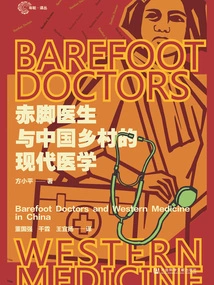
In 1968, under the great call to "put the focus of medical and health care in rural areas", not only a large number of doctors from urban hospitals were "decentralized" to the countryside, but starting from Chuansha County in the suburbs of Shanghai, they were called "our own doctors for our poor and lower-middle peasants" The "Barefoot Doctor" also alleviated the shortage of doctors and medicines in backward rural areas to some extent, initiated the attempt to integrate traditional Chinese and Western medicine, established a "cooperative medical system" based on communes and teams, and also created the "myth" of contemporary Hua Tuo and Sun Lizhe. In fact, barefoot doctors, together with commune and team cadres, private teachers, agricultural technicians, and accountants of large and small teams, constitute a certain quasi-knowledge, technology, or management class that corresponds to the authentic "mud-legged men." This book restores the collective memory of doctors and patients in a special time and space through oral interviews and written archives, and also makes the narrative of the history of China's medical system more comprehensive.
In 1968, under the great call to "put the focus of medical and health care in rural areas", not only a large number of doctors from urban hospitals were "decentralized" to the countryside, but starting from Chuansha County in the suburbs of Shanghai, they were called "our own doctors for our poor and lower-middle peasants" The "Barefoot Doctor" also alleviated the shortage of doctors and medicines in backward rural areas to some extent, initiated the attempt to integrate traditional Chinese and Western medicine, established a "cooperative medical system" based on communes and teams, and also created the "myth" of contemporary Hua Tuo and Sun Lizhe. In fact, barefoot doctors, together with commune and team cadres, private teachers, agricultural technicians, and accountants of large and small teams, constitute a certain quasi-knowledge, technology, or management class that corresponds to the authentic "mud-legged men." This book restores the collective memory of doctors and patients in a special time and space through oral interviews and written archives, and also makes the narrative of the history of China's medical system more comprehensive.